Zobacz w skali 1:1
 Wyślij
 Udostępnij
 Szczegóły
 Przewodnik

 Pobierz plik obrazu
 Podobne obiekty
 RTG
RTG Pokaz slajdów
 Statystyki
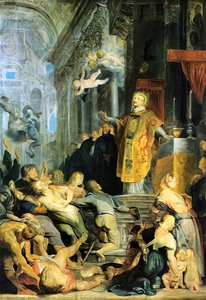
Wenus przy kąpieli
 Olej na płótnie
- Sztuka ścienna
- Barok
 1608
1608- Renesans
 137.0 x 110.0 cm
 Muzeum Thyssen-Bornemisza
 Czytaj więcej
Ręcznie malowana reprodukcja olejowa
Ręcznie malowany obraz olejny na płótnie, wykonany na zamówienie przez naszych artystów w wybranym przez Ciebie wymiarze i oprawie. ( Przełącz na wersję drukowaną Przełącz na wersję cyfrową)




P118B $10

P118H $10

P118W $10

P438Z $10

P508JH $12

P508YH $12

P805H $10

P805Z $10

P919BZ $10

P919G $10

P919XJ $10

P959ZH $10

P968JZ $12

W106C $8

W218G $10

W218JH $8

W218Y $10

W307PJ $10

W316G $10

W316PJ $8

W316Y $10

W398PJ $8

W4111J $10

W500HY $15

W500JH $15

W692G $12

W849H $8

W940BG $15

W953PJ $8




Wybierz spośród naszych standardowych rozmiarów, które zachowują oryginalne proporcje dzieła sztuki.

Możesz wprowadzić własne wymiary, aby dopasować obraz do konkretnej ramy lub przestrzeni. Jeśli wybrany rozmiar nie będzie odpowiadał proporcjom oryginału, przytniecie dzieło sztuki lub rozszerzymy je o dodatkowe elementy, ręcznie domalowane przez artystę. Przed rozpoczęciem produkcji wyślemy projekt cyfrowy do Twojej akceptacji.
Należy pamiętać, że podgląd na ekranie nie odzwierciedla rzeczywistego przycinania ani rozszerzania obrazu. Tylko projekt dokładnie pokaże ostateczną kompozycję.
Choć oferujemy możliwość zamówienia niestandardowych rozmiarów, zalecamy wybór wymiaru z gotowej listy, aby zachować oryginalne proporcje dzieła.
Po złożeniu zamówienia zespół OriginalUniqueArt.com skontaktuje się z klientem drogą mailową w celu uzyskania instrukcji i prześle wizualizację projektu
Dostawa na całym świecie () w ciągu 3–4 tygodni zamiast standardowych 5 tygodni. (25 Wrzesień). Bez kompromisów w kwestii jakości.

Bezpłatna ekspresowa wysyłka na cały świat

Wysokiej jakości płótno lniane

Pełne ubezpieczenie transportowe

Gwarancja zwrotu należności celnych i podatków importowych

Gwarancja idealnego odwzorowania barw

100-dniowy okres na zwrot dzieła w przypadku wykrycia wad produkcyjnych

Gwarancja 100% zwrotu pieniędzy

Oferta przy zakupie wielu sztuk
 Opcja ze szkłem jest dostępna wyłącznie w rozmiarach poniżej 110 cm

Wenus przy kąpieli
Technika wykonania
Rozmiar reprodukcji
-


Suma do zapłaty
$ 325
A Vision of Sensuality and Myth: Peter Paul Rubens’ *Venus at Her Toilet*
The Goddess Revealed
Peter Paul Rubens' *Venus at Her Toilet*, namalowany między 1613 a 1614 rokiem, jest zapierającym dech w piersiach przedstawieniem rzymskiej bogini Wenus – emanującą miłością, pięknem i pożądaniem. Obraz prezentuje moment intymnej przygotowania się jako Wenus, otoczona służącymi i Kuśpidem, która spogląda w lustro, wydawałoby się kontemplując swój własny urok. Nie jest to jedynie portret; jest eksploracją wdzięku kobiecego oraz fascynującego wpływu piękna.Baroque Grandeur & Artistic Technique
Jest doskonałym przykładem sztuki baroku, *Venus at Her Toilet* prezentuje maestrię Rubensa w zakresie dynamicznej kompozycji, bogatych palet kolorystycznych i dramatycznego światłocieniowania – interakcję światła i cienia. Figury zostały ułożone w okrągowy wzór, przyciągając wzrok widza ku Wenus jako punktowi centralnemu uwagi. Rubens zastosował technikę obrazową olejną wielowarstwową, budując fakturę i jasność poprzez glazury, co skutkuje skórą wyglądającą niezwykle realistycznie oraz tkaninami mieniącymi się głębokością. Jego pędzle są widoczne lecz wyrafinowane, przyczyniając się do ogólnego poczucia ruchu i energii życiowej. Ogromna skala obrazu (178 x 205 cm) przyciąga uwagę, otaczając odbiorcę atmosferą bogactwa.Historical Context & Rubens' Flourishing Career
Obraz powstał podczas najbardziej produktywnego okresu Rubensa, pracując w Antwerpii, co odzwierciedla klimat artystyczny początku XVII wieku. Styl baroku był preferowany przez dwory królewskie i bogatych patronów, którzy szukali sztuki zarówno oszałamiającą wizualnie, jak i emocjonalnie angażującą. Rubens, studiujący szeroko poza Italią, zsyntetyzował wpływy włoskiego Renesansu z tradycjami flamenco, tworząc wyjątkową i potężną estetykę. Stał się liderem malarstwa Kontrreformacji, produkcją dzieł zarówno dla kościołów jak i kolekcjonerów arystokratycznych.Symbolism & Allegorical Meaning
Poza powierzchnijną urodą obraz jest bogaty w symbole. Lustro nie tylko odbija kształt Wenus; reprezentuje dumę własną, świadomość siebie oraz ulotność piękna. Kuśpid, zabawnie obecny, symbolizuje miłość i pożądanie. Służące Wenus reprezentują nie tylko jej towarzyszące osoby, lecz także aspekty troski kobiecej i dekoracji. Częściowo zwinięte figury nawiązują do mitologii klasycznej i celebrują ciało ludzkie jako źródło przyjemności i inspiracji. Niektórzy naukowcy sugerują, że obraz subtelnie odnosi się do małżeństwa Rubensa oraz jego idealizacji żony Heleny Fourment, która miała być wzorem Wenus.Emotional Impact & Lasting Legacy
*Venus at Her Toilet* wywołuje złożoną gamę emocji – sensualność, kontemplację, kruchość i może delikatną melancholię. Ciemny tło tworzy intymną atmosferę, przyciągając odbiorcę do świata Wenus. Rubens nie przedstawia zimnej ani odległej bogini; zamiast tego ukazuje kobietę zarówno silną jak i przystępną dla oka. Ten arcydzieło nadal fascynuje widzów wieków później, inspirowując artystów, projektantów i miłośników sztuki. Obecnie znajduje się w Muzeum Luwr w Paryżu i pozostaje jednym z najbardziej uczczonych osiągnięć Rubensa.Bringing Masterpiece Home: Reproduction Options
- Dla Kolekcjonerów: Zamień się na posiadacza starannie wykonanej, rękodzielniczej reprodukcji obrazu olejnego *Venus at Her Toilet*, która uchwyci niuanse i blask oryginału.
- Dla Projektantów wnętrz: Podnieś każdy pomieszczenie z tym ikonowym dziełem sztuki. Wysokiej jakości reprodukcja dodaje elegancji i ponadczasowego uroku domom, biurom lub galerii sztuki.
- Dostępne Formaty: Wybierz spośród wydruków na płótnie lub tradycyjnych obrazów olejnych na płótnie, dostosowanych do Twoich preferencji i budżetu.
Biografia artysty
A Life Forged in Baroque Splendor
Sir Peter Paul Rubens, a name synonymous with the very essence of Baroque dynamism, was far more than simply a painter; he was a diplomat, a scholar, and a cultural architect who fundamentally reshaped the artistic landscape of 17th-century Europe. Born in Siegen, Germany, in 1577, his early life was marked by displacement—a formative experience that subtly permeated his later work with an undercurrent of drama and emotional depth. His father, Jan Rubens, a lawyer fleeing religious persecution for his Calvinist beliefs, uprooted the family from their native Antwerp, then under Spanish rule. This initial exile instilled in young Peter Paul a sense of resilience and adaptability, qualities that would serve him well throughout his multifaceted career. Following his father’s death in 1587, the family returned to Antwerp, where he received a humanist education before embarking on his artistic training around 1590, apprenticing under Tobias Verhaecht and Adam van Noort, honing foundational skills in drawing and painting techniques. However, it was his time with Otto van Veen that proved pivotal, exposing him to the rich legacy of Italian Renaissance art—a world he would soon embrace wholeheartedly.The Italian Awakening and Artistic Synthesis
In 1600, Rubens embarked on a transformative journey to Italy, a pilgrimage that irrevocably shaped his artistic vision. For eight years, he immersed himself in the masterpieces of Michelangelo, Raphael, and Titian, absorbing their mastery of form, color, and composition. The influence of these Renaissance giants is readily apparent in his early Italian works, characterized by classical themes and idealized figures. Yet, Rubens didn’t merely imitate; he synthesized these influences with his own innate talent, developing a distinctive style marked by vibrant hues, dynamic compositions, and a sensuous depiction of the human form. He studied anatomy meticulously, resulting in figures that possessed both physical realism and emotional power—robust bodies imbued with life and movement. This period wasn’t solely about artistic development; it was a profound intellectual awakening, fostering a deep appreciation for classical mythology and literature which would become recurring motifs throughout his oeuvre. Upon returning to Antwerp in 1608, Rubens swiftly established himself as the leading artist of his time, receiving a flood of commissions that testified to his burgeoning reputation and solidifying his position at the forefront of Flemish art.A Master of Many Forms: Painting Beyond Boundaries
Rubens’s artistic output was astonishingly diverse and prolific. He didn't confine himself to a single genre; instead, he excelled in history paintings, mythological scenes, portraits, landscapes, and religious works—a testament to his versatility and boundless creativity. His large-scale canvases, often intended for churches, palaces, and public spaces, were breathtaking displays of technical virtuosity and dramatic storytelling. The Descent from the Cross (c. 1616-1617) exemplifies his masterful use of light and shadow to create a scene of profound emotional intensity, drawing viewers into the heart of the narrative. The figures are not merely depicted; they *feel* the weight of grief and the drama of the moment. The Raising of the Cross (1610-1611), with its swirling figures and dynamic composition, showcases his ability to convey movement and energy—a hallmark of his Baroque style. Even in seemingly static subjects like The Judgement of Paris (c. 1636), Rubens infused a sense of life and vitality through his vibrant color palette and sensual depiction of the human form. His technique was equally remarkable – a masterful command of oil painting, employing impasto to create texture and depth, alongside delicate glazing techniques to achieve luminous effects. He frequently employed allegorical figures and symbolic imagery, layering narratives with complex meanings that invited contemplation and interpretation.The Influence of Rubens: A Legacy of Dynamism
Rubens’s impact on the art world was immediate and profound. His style quickly became a dominant force in Flemish painting, influencing generations of artists who sought to emulate his dynamism, color, and sensuality. Artists like Anthony van Dyck, known for his elegant portraits and masterful compositions, were directly inspired by Rubens's work. Jacob Jordaens, another prominent Antwerp painter, adopted many of Rubens’s techniques and compositional strategies. Even centuries later, the influence of Rubens can be seen in the works of Eugène Delacroix, the Romantic French painter who admired Rubens’s dramatic flair and expressive use of color. Beyond his direct followers, Rubens's work served as a model for artists across Europe, shaping the course of Baroque art and contributing to the development of new artistic styles. His emphasis on movement, emotion, and sensual beauty resonated with audiences throughout the 17th and 18th centuries, cementing his place as one of the most important figures in Western art history.Diplomacy, Legacy, and Enduring Influence
Rubens’s influence extended far beyond the realm of art. His diplomatic skills were highly sought after by the Southern Netherlands (modern-day Belgium), and he undertook numerous missions to England, France, and Spain, negotiating treaties and fostering political alliances—a unique dual role that afforded him a nuanced perspective on European affairs and further enhanced his reputation as a man of intellect and influence. In 1630, he married Hélène Fourment, who became both his muse and frequent subject in his paintings – her youthful beauty gracing many of his later works, embodying the sensuality and vitality that characterized his style. He continued to paint prolifically until his death in Antwerp in 1640, leaving behind a vast legacy that continues to inspire awe and admiration. His impact on subsequent generations of artists is immeasurable; painters like Anthony van Dyck, Jacob Jordaens, and Eugène Delacroix all drew inspiration from his dynamic compositions, vibrant colors, and sensuous figures. Rubens didn’t just define the Baroque style—he elevated painting to a new level of prestige and influence, solidifying Antwerp as a major center of artistic production during the 17th century. He remains, centuries later, a towering figure in the history of art, a testament to the power of human creativity and the enduring allure of Baroque splendor.Key Characteristics of Rubens’s Style
- Dynamic Composition: Rubens' paintings are known for their energetic and dramatic arrangements of figures.
- Vibrant Color Palette: He employed a rich, warm color scheme that brought his canvases to life.
- Sensuous Figures: His depictions of the human form were characterized by fullness, vitality, and often, overt sensuality.
- Masterful Use of Light and Shadow: Rubens skillfully manipulated light and shadow to create depth, drama, and emotional impact.
- Allegorical Symbolism: His works frequently incorporated allegorical figures and symbolic imagery, adding layers of meaning and complexity.

Rubens
1577 - 1640 , Niemcy
Najważniejsze informacje
- Artistic Movement Or Style: Barokowy
- Artists Or Movements Influenced By This Artist:
- Anthony van Dyck
- Jacob Jordaens
- Artists Who Influenced This Artist:
- Tycjan
- Rafael
- Michelangelo
- Date Of Birth: 1577
- Date Of Death: 1640
- Full Name: Sir Peter Paul Rubens
- Nationality: Flamandzki
- Notable Artworks:
- Deszcz z krzyżem
- Wniebowzięcie Najświętszej Maryi Panny
- Portret Isabelle Brant
- Place Of Birth: Siegen, Niemcy
Zobacz także powiązane artykuły

Barokowe arcydzieła: 10 obrazów, które zdefiniowały epokę | OriginalUniqueArt.com
Odkryj 10 arcydzieł baroku! Caravaggio, Rembrandt, Rubens i inni artyści, którzy zdefiniowali epokę. Poznaj historie, techniki i inspiracje tych niezwykłych obrazów. Reprodukcje najwyższej jakości na OriginalUniqueArt.com – idealne do Twojego wnętrza!

Peter Paul Rubens: A Baroque Master's Life, Legacy & Enduring Influence
Discover the life & art of Peter Paul Rubens, the most influential artist of the Flemish Baroque tradition. Explore his masterpieces, legacy, and impact on art history with OriginalUniqueArt.
Barokowy Klasycyzm: Synteza Dramatu i Porządku w Sztuce XVII Wieku
Poznaj fascynujący świat barokowego klasycyzmu! Analiza ideologii kontrreformacji, syntezy antyku z dramatyzmem oraz mistrzowskich technik malarskich. Ekspercka wiedza o sztuce XVII wieku.

Dramatyczny Rozkwit Baroku: Dziedzictwo Sztuki Kontrreformacji i Mistrzowie Chiaroscuro
Odkryj dramatyczny świat baroku! Poznaj historię sztuki kontrreformacji, mistrzów chiaroscuro i weneckich arcydzieł. Reprodukcje najwyższej jakości na OriginalUniqueArt.com.
Potęga i Emocje w Portrecie Barokowym: Innowacje Artystyczne i Odzwierciedlenie Epoki
Odkryj potęgę i emocje w portrecie barokowym! Analiza innowacyjnych technik malarskich, realizmu Velázqueza i wpływu sztuki na społeczeństwo. Ekspercka wiedza o historii i interpretacji dzieł.