Baroque Style · 1638
St. Augustine (Peter Paul Rubens, 1638)
Peter Paul Rubens (1577–1640) stworzył St. Augustine. Dzieło pochodzi z 1638. Należy do nurtu Baroque Style. Wykonano w technice Obraz olejny na płótnie. Przechowywane jest w Národní galerie v Praze w Praga, Czechy. Wymiary to 263 × 175 cm.
- 1638
- Obraz olejny na płótnie
- 263 × 175 cm
- Národní galerie v Praze, Praga

 Podgląd w skali 1:1

 Ręcznie malowany obraz olejny
 Wyślij jako kartkę
 Udostępnij
 Karta informacyjna


 Pobierz obraz
 Podobne obiekty
 RTG
 Pokaz slajdów
 Pytania i odpowiedzi

 Statystyki
St. Augustine w pigułce
- Tytuł
- St. Augustine
- Artysta
- Peter Paul Rubens (1577–1640)
- Miejsce urodzenia artysty
- Siegen, Niemcy
- Data powstania
- 1638
- Technika wykonania
- Obraz olejny na płótnie
- Wymiary
- 263 × 175 cm
- Gdzie można je zobaczyć
- Národní galerie v Praze, Praga, Czechy
- Ruch
- Baroque Style
- Temat
- st. augustine, rubens, baroque art, religious scene, divine grace, cherubs
Co przedstawia St. Augustine?
St. Augustine – A Baroque Echo of Divine Grace
Peter Paul Rubens’ “St. Augustine,” painted in 1638, isn't merely a depiction of a revered theologian; it’s an immersive experience of faith and spiritual power. This masterpiece, currently residing in Prague, transcends the boundaries of simple portraiture, offering a profound glimpse into the heart of Baroque artistry – a style defined by dramatic contrasts, intense emotion, and a fervent belief in the divine. The painting immediately captivates with its monumental scale and vibrant palette, dominated by rich golds, deep reds, and earthy browns that seem to radiate an inner light. Rubens masterfully employs chiaroscuro, sculpting the figures with stark shadows and luminous highlights, creating a palpable sense of depth and volume – a technique borrowed from Caravaggio but elevated to a level of unparalleled grandeur.
At the painting’s core stands St. Augustine himself, portrayed not as a somber ascetic, but as a figure imbued with authority and serenity. His elaborate vestments, meticulously rendered in shimmering fabrics, speak volumes about his sacred role. Yet, it's the surrounding figures that truly amplify the work’s spiritual resonance. The two cherubic attendants – one hovering above with a symbolic staff, the other kneeling in humble reverence – represent divine protection and guidance, creating a visual hierarchy that underscores Augustine’s position as a conduit between the earthly and the celestial realms. The slightly off-center composition adds a dynamic tension to the scene, preventing it from feeling static or overly formal, mirroring the turbulent spiritual journey of the saint himself.
A Window into 17th-Century Faith
To fully appreciate “St. Augustine,” one must understand its historical context. Painted during a period of intense religious and political upheaval in Belgium – a time when the Catholic Church was actively seeking to reaffirm its authority amidst growing Protestant challenges – the painting embodies the fervor of the Counter-Reformation. Rubens, deeply influenced by his travels through Italy and his study of classical art alongside the works of Leonardo da Vinci, skillfully blended Renaissance ideals with Christian iconography. The composition echoes themes prevalent in religious art of the era: the importance of faith, the power of divine intervention, and the promise of salvation. The painting was originally commissioned for the high altar of the St Thomas Church of the Augustinian Order, a testament to its intended role as a focal point of worship.
Symbolism Woven into Every Detail
Rubens’ artistic choices are laden with symbolic meaning. The cherubic figures aren't simply decorative; they represent innocence and divine grace, acting as intermediaries between St. Augustine and the celestial realm. The staff held by the hovering child is particularly significant – often interpreted as a symbol of spiritual authority or guidance, perhaps even representing Christ himself. The seashell offered to the infant Jesus by St. Nicholas (Santa Claus) – a detail subtly integrated into the composition – alludes to the sea and, more profoundly, to the gift of salvation. The entire scene is designed to evoke a sense of awe and reverence, inviting viewers to contemplate the mysteries of faith and the enduring power of divine grace.
Technique: The Mark of a Master
Beyond its symbolic richness, “St. Augustine” stands as a testament to Rubens’ unparalleled technical skill. His mastery of oil painting is evident in every brushstroke – from the meticulous rendering of textures in the vestments (the intricate folds and shimmering fabrics are brought to life with astonishing detail) to the luminous quality of the skin tones. The dynamic use of color, combined with his innovative approach to chiaroscuro, creates a sense of movement and drama that draws the viewer into the scene. The layering of paint – a hallmark of Rubens’ technique – adds depth and complexity, creating an image that feels both monumental and intensely personal. This painting is not just a representation; it's a vibrant, breathing testament to the genius of Sir Peter Paul Rubens.
W którym muzeum znajduje się St. Augustine?
Národní galerie v Praze
Praga, Czechy
Początki i historia Národní galerie v Praze Korzenie Národní galerie v Praze sięgają 1796 roku. Instytucja ta narodziła się z patriotycznej wizji czeskich arystokratów i intelektualistów, którzy pragnęli pielęgnować wrażliwość artystyczną na swoich ziemiach. Ten wczesny wysiłek był napędzany przez grupę wybitnych przedstawicieli czeskiej arystokracji patriotycznej, w tym rody Kolowrat, Sternberg i Nostitz, wspieranych przez przedstawicieli inteligencji mieszczańskiej.


Zdjęcia w wysokiej rozdzielczości dzieła St. Augustine

Domena publiczna: artysta zmarł w 1640.
Inne rozmiary, kadrowanie i cytowanie →Peter Paul Rubens, St. Augustine (1638), Národní galerie v Praze. Domena publiczna
Kolory dopasowane do oryginału przez cyfrowego eksperta, plik poddany precyzyjnej retuszy, wierny pociągnięciom pędzla artysty.
Kup plik w wysokiej rozdzielczościOdpowiedzi na pytania dotyczące St. Augustine
Gdzie można zobaczyć oryginał „St. Augustine” – Peter Paul Rubens?
Oryginał dzieła „St. Augustine” można zobaczyć w Národní galerie v Praze, Praga, Czechy.
W którym roku powstało „St. Augustine” – Peter Paul Rubens?
Powstanie „St. Augustine” – Peter Paul Rubens datuje się na 1638.
W jakiej technice wykonano „St. Augustine” – Peter Paul Rubens?
„St. Augustine” wykonano w technice Obraz olejny na płótnie.
Jakie są wymiary oryginalnego dzieła „St. Augustine” – Peter Paul Rubens?
Oryginalny utwór „St. Augustine” – Peter Paul Rubens ma wymiary 263 x 175 cm.
Co przedstawia „St. Augustine” – Peter Paul Rubens?
„St. Augustine” – Peter Paul Rubens przedstawia: st. augustine, rubens, baroque art, religious scene, divine grace, cherubs, chiaroscuro, spanish influence.
Czy obraz „St. Augustine” – Peter Paul Rubens można swobodnie reprodukować?
Status praw autorskich dla „St. Augustine” – Peter Paul Rubens: dzieło znajduje się w należy do domeny publicznej – autorskie prawa majątkowe wygasły. Określa to, czy reprodukcje obrazu mogą być sporządzane swobodnie.
Kto stworzył "St. Augustine"?
„St. Augustine” zostało stworzone przez Peter Paul Rubens. Informacje na tej stronie dotyczą oryginalnego dzieła autorstwa Peter Paul Rubens.
Do jakiego nurtu należy "St. Augustine"?
„St. Augustine” – Peter Paul Rubens należy do nurtu Baroque Style. Nurt ten stanowi stylistyczny kontekst dzieła.
Do którego okresu twórczości Peter Paul Rubens należy dzieło "St. Augustine"?
"St. Augustine" reprezentuje Mature Period twórczości Peter Paul Rubens.
O artyście: Peter Paul Rubens

1577–1640, Niemcy
Peter Paul Rubens
Wczesne lata, rodzina i kształcenie Aby w pełni pojąć skalę geniuszu, jakim cieszył się Piotr Paweł Rubens, należy przyjrzeć się burzliwym początkom, które ukształtowały jego losy. Urodzony 28 czerwca 1577 roku w Siegen w Niemczech, spędził pierwsze lata życia w cieniu religijnej niestabilności ówczesnej Europy. Jego ojciec, Jan Rubens, był prawnikiem zmuszonym do ucieczki przed prześladowaniami religijnymi, co zmusiło całą rodzinę do nieustannego odnajdywania się w zmieniających się krajobrazach politycznych tamtej epoki. To doświadczenie tułaczki i walki o przetrwanie zaszczepiło w nim praktyczną odporność, która w późniejszych latach stała się fundamentem jego niezwykle złożonego życia zawodowego.
Inne prace Peter Paul Rubens
 Podniesienie Krzyża1610
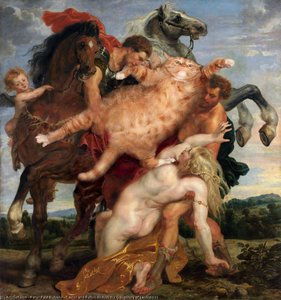 Castor i Polluks porywają córki Leukyposa
 Zdjęcie z krzyża1612
 Trzy Gracje, Prado

Eseje o St. Augustine
 Keys to Heaven: The Iconography of Saint Peter from Rubens to DürerExplore the sacred symbols of Saint Peter from Dürer to Rubens. Decode the visual language of the masters today.
 16th century Italian paintersMasterpieces by Titian, Michelangelo, and Raphael define the Italian Renaissance. Explore the full collection online at OriginalUniqueArt.c…
 Mastering the Baroque: The Top 25 Essential Artworks by Peter Paul RubensExplore 25 iconic Baroque masterpieces by Peter Paul Rubens. Discover timeless art legends on OriginalUniqueArt.com.