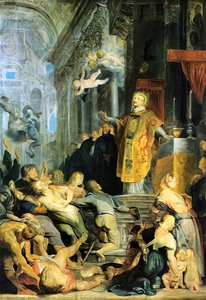
Podgląd w skali 1:1
 Wyślij jako kartkę
 Udostępnij
 Szczegóły dzieła
 Przewodnik

 Pobierz obraz
 Podobne obiekty
 RTG
RTG Pokaz slajdów
 Pytania i odpowiedzi
 Statystyki
Portret Nicolasa de Respaigna


 Rozwiń treść
Giclée / Wydruk artystyczny
Wydruki giclée lub płótna o jakości muzealnej, szybka realizacja i szeroki wybór opcji wykończenia. ( Zamów ręcznie malowaną reprodukcję Przejdź do wersji cyfrowej)




P118B zł10

P118H zł10

P118W zł10

P438Z zł10

P508JH zł12

P508YH zł12

P805H zł10

P805Z zł10

P919BZ zł10

P919G zł10

P919XJ zł10

P959ZH zł10

P968JZ zł12

W106C zł8

W218G zł10

W218JH zł8

W218Y zł10

W307PJ zł10

W316G zł10

W316PJ zł8

W316Y zł10

W398PJ zł8

W4111J zł10

W500HY zł15

W500JH zł15

W692G zł12

W849H zł8

W940BG zł15

W953PJ zł8




Wybierz spośród naszych standardowych rozmiarów, które zachowują oryginalne proporcje dzieła sztuki.

Wpisz wymaganą szerokość i wysokość, aby dopasować grafikę do ramy lub ściany. Wydruk można jedynie przyciąć, nigdy nie powiększając go poza oryginalny obraz, dlatego format o innych proporcjach spowoduje utratę części kompozycji. Przed rozpoczęciem druku prześlemy Ci cyfrowy podgląd do zatwierdzenia. Obraz wyświetlany na tej stronie nie pokazuje rzeczywistego przycięcia — jedynie podgląd oddaje ten efekt.
Dostawa na cały świat () w ciągu 2 tygodni zamiast standardowych 4/5 tygodni. (5 Listopad)

Bezpłatna ekspresowa wysyłka na cały świat

Wysokiej jakości płótno lniane

Pełne ubezpieczenie przesyłki

Gwarancja zwrotu należności celnych i podatków importowych

Gwarancja wiernego odwzorowania kolorów

100-dniowa polityka zwrotów (tylko w przypadku wad)

Gwarancja 100% zwrotu pieniędzy

Zniżka przy zakupie wielu sztuk
 Opcja ze szkłem jest dostępna wyłącznie w rozmiarach poniżej 110 cm

Portret Nicolasa de Respaigna
Giclée / Wydruk artystyczny
Wymiary reprodukcji
-


Cena całkowita
zł 317
Portret Nikodysa de Respaigne
Portret Nikodysa de Respaigne, namalowany przez znanego flamandzkiego artystę Petera Paula Rubensa w 1618 roku, jest kamieniem milowym w sztuce barokowej – świadectwem niezrównanych umiejętności Rubensa w uchwyceniu przepychu i psychologicznej głębi charakterystycznych dla tamtej epoki. Zlokalizowany w Staatliche Kunstsammlungen w Kassel, Niemczech, ten monumentalny obraz naolejowy na płótnie doskonale oddaje mistrzowskie posługiwanie się Rubensa kolorem, kompozycją i efektami światłocieniowymi – technikami, które podnoszą portret ponad zwykłą karykaturę, do głębokiej eksploracji ludzkiego charakteru.Temat i Kompozycja
Sam Nikodys de Respaigne przedstawiony jest z godną powagi postawą na tle subtelnie teksturowanej ściany lub zasłony. Nosi imponujący, czerwony turban – odważne wizualne oświadczenie symbolizujące władzę i pobożność – obok bogato zdobionego pomarańczowego płaszcza z błyszczącymi złotymi aplikacjami, odzwierciedlającym bogactwo i status jego modela. Dbałość Rubensa o szczegóły wykracza daleko poza to, aby po prostu oddać wygląd mężczyzny; jego twarz jest przedstawiona z precyzją – wzrok jest skierowany prosto, wyrażający pewność siebie i refleksję; a wąsy dodają mu arystokratycznego wyglądu. Zauważalni są również dwaj mężczyźni, którzy flankują Respaigne po obu stronach – prawdopodobnie pełni rolę opiekunów lub symbolicznych reprezentacji cnót – co dodatkowo wzbogaca narracyjny wymiar obrazu. Artysta sprawnie wykorzystuje kompozycję piramidalną, prowadząc wzrok widza w kierunku centralnej pozycji Respaigne’a, jednocześnie tworząc poczucie dynamizmu i równowagi.Styl Artystyczny i Wpływ
Wyróżniający się styl Rubensa barokowego jest natychmiast rozpoznawalny dzięki bogatej palecie kolorów – dominują czerwień, pomarańcz i złoto – oraz dramatycznemu wykorzystaniu światła i cienia (chiaroscuro). Ta technika nadaje portretowi eterycznego charakteru, podkreślając twarz i ubranie Respaigne’a, a jednocześnie rzucając głębokie cienie, które przyczyniają się do ogólnego nastroju. Wpływ Rubensa wynikał z niezachwianej wierności klasycznym ideałom połączonym z ikonografią chrześcijańską. Podobnie jak freski Michała Anioła w Kaplinie Sykstyńskiej, Rubens dążył do przekazania duchowego przepychu i emocjonalnej intensywności – cechy ambicji sztuki barokowej, aby wzbudzić podziw i pokorę. Jego dzieło miało ogromny wpływ na trendy artystyczne w Europie podczas XVII wieku, ustanawiając nowy standard dla portretów i inspirując kolejne pokolenia artystów.Inne Dzieła Petera Paula Rubensa
Rubens był niezwykle produktywnym artystą, tworząc zdumiewającą ilość arcydzieł obejmujących szeroki zakres gatunków – od ołtarzy religijnych po sceny mitologiczne i krajobrazy. Spośród jego najbardziej znanych dzieł znajdują się Stara Kobieta, przechowywana w Alte Pinakothek w Monachium, Niemczech – poruszający obraz starości i mądrości – oraz Żale nad Chrystusem, monumentalna kompozycja wyrażająca głęboką żałobę i współczucie. Ponadto, przedstawienie Rubensa Melchiora, Króla Szewców – jednego z Magów – demonstruje jego umiejętność uchwycenia narracji biblijnych z dramatycznym wdziękiem i psychologiczną realizmem. Te obrazy podkreślają wszechstronność Rubensa jako artysty i solidyfikują jego dziedzictwo jako jednego z czołowych innowatorów epoki barokowej.Zakończenie
Portret Nikodysa de Respaigne stanowi wspaniałe ucieleśnienie artystycznego geniuszu Rubensa – fascynującą fuzję mistrzowskiej techniki i ekspresyjnej wizji. Jego jaskrawe kolory, dynamiczna kompozycja i mistrzowska obsługa światłocieni zapraszają do kontemplacji wewnętrznego życia modela, jednocześnie odzwierciedlając przepych i duchową pasję charakterystyczną dla sztuki barokowej. Jako ceniony element kolekcji Staatliche Kunstsammlungen w Kassel, Niemczech, ten obraz nadal inspiruje podziw dla swojej piękności i intelektualnej głębi. Dla tych, którzy chcą zgłębić szerszy dorobek Rubensa lub zanurzyć się w bogatej tkance historii sztuki barokowej, warto odwiedzić Muzeum Gemäldegalerie (Niemcy) - Kompleto przewodnik na OriginalUniqueArt. Aby lepiej zrozumieć życie i artystyczną podróż Rubensa, warto skonsultować się z Petrem Paulem Rubensem na OriginalUniqueArt.Pytania i odpowiedzi
Co łączy "Portret Nicolasa de Respaigna" z resztą twórczości Rubens?
W dorobku Rubens, "Portret Nicolasa de Respaigna" wpisuje się w styl Baroque, nawiązując do tematów takich jak inspiracje klasyczne i chrześcijańskie, władza i dignity królewska, dramatyczny styl karawajskiego, dziedzictwo rubensa w sztuce flamandzkiej, symboliczne elementy tła, tradycja portretu, estetyka kontrreformacji.
Z jakiej techniki wykorzystano "Portret Nicolasa de Respaigna"?
Technika wykonania dzieła „Portret Nicolasa de Respaigna” – Rubens to Obraz olejny na płótnie. Reprodukcje mają na celu wierne oddanie wyglądu tej techniki.
Ilu użytkowników ogląda "Portret Nicolasa de Respaigna"?
Statystyki dotyczące „Portret Nicolasa de Respaigna” – Rubens znajdują się na stronie Statystyki wyświetleń dzieła: obejmują one miesięczną liczbę odwiedzin danego dzieła, wizyty przy pracach artysty oraz podział ostatnich odwiedzających według krajów i języków.
Biografia artysty
A Life Forged in Baroque Splendor
Sir Peter Paul Rubens, a name synonymous with the very essence of Baroque dynamism, was far more than simply a painter; he was a diplomat, a scholar, and a cultural architect who fundamentally reshaped the artistic landscape of 17th-century Europe. Born in Siegen, Germany, in 1577, his early life was marked by displacement—a formative experience that subtly permeated his later work with an undercurrent of drama and emotional depth. His father, Jan Rubens, a lawyer fleeing religious persecution for his Calvinist beliefs, uprooted the family from their native Antwerp, then under Spanish rule. This initial exile instilled in young Peter Paul a sense of resilience and adaptability, qualities that would serve him well throughout his multifaceted career. Following his father’s death in 1587, the family returned to Antwerp, where he received a humanist education before embarking on his artistic training around 1590, apprenticing under Tobias Verhaecht and Adam van Noort, honing foundational skills in drawing and painting techniques. However, it was his time with Otto van Veen that proved pivotal, exposing him to the rich legacy of Italian Renaissance art—a world he would soon embrace wholeheartedly.The Italian Awakening and Artistic Synthesis
In 1600, Rubens embarked on a transformative journey to Italy, a pilgrimage that irrevocably shaped his artistic vision. For eight years, he immersed himself in the masterpieces of Michelangelo, Raphael, and Titian, absorbing their mastery of form, color, and composition. The influence of these Renaissance giants is readily apparent in his early Italian works, characterized by classical themes and idealized figures. Yet, Rubens didn’t merely imitate; he synthesized these influences with his own innate talent, developing a distinctive style marked by vibrant hues, dynamic compositions, and a sensuous depiction of the human form. He studied anatomy meticulously, resulting in figures that possessed both physical realism and emotional power—robust bodies imbued with life and movement. This period wasn’t solely about artistic development; it was a profound intellectual awakening, fostering a deep appreciation for classical mythology and literature which would become recurring motifs throughout his oeuvre. Upon returning to Antwerp in 1608, Rubens swiftly established himself as the leading artist of his time, receiving a flood of commissions that testified to his burgeoning reputation and solidifying his position at the forefront of Flemish art.A Master of Many Forms: Painting Beyond Boundaries
Rubens’s artistic output was astonishingly diverse and prolific. He didn't confine himself to a single genre; instead, he excelled in history paintings, mythological scenes, portraits, landscapes, and religious works—a testament to his versatility and boundless creativity. His large-scale canvases, often intended for churches, palaces, and public spaces, were breathtaking displays of technical virtuosity and dramatic storytelling. The Descent from the Cross (c. 1616-1617) exemplifies his masterful use of light and shadow to create a scene of profound emotional intensity, drawing viewers into the heart of the narrative. The figures are not merely depicted; they *feel* the weight of grief and the drama of the moment. The Raising of the Cross (1610-1611), with its swirling figures and dynamic composition, showcases his ability to convey movement and energy—a hallmark of his Baroque style. Even in seemingly static subjects like The Judgement of Paris (c. 1636), Rubens infused a sense of life and vitality through his vibrant color palette and sensual depiction of the human form. His technique was equally remarkable – a masterful command of oil painting, employing impasto to create texture and depth, alongside delicate glazing techniques to achieve luminous effects. He frequently employed allegorical figures and symbolic imagery, layering narratives with complex meanings that invited contemplation and interpretation.The Influence of Rubens: A Legacy of Dynamism
Rubens’s impact on the art world was immediate and profound. His style quickly became a dominant force in Flemish painting, influencing generations of artists who sought to emulate his dynamism, color, and sensuality. Artists like Anthony van Dyck, known for his elegant portraits and masterful compositions, were directly inspired by Rubens's work. Jacob Jordaens, another prominent Antwerp painter, adopted many of Rubens’s techniques and compositional strategies. Even centuries later, the influence of Rubens can be seen in the works of Eugène Delacroix, the Romantic French painter who admired Rubens’s dramatic flair and expressive use of color. Beyond his direct followers, Rubens's work served as a model for artists across Europe, shaping the course of Baroque art and contributing to the development of new artistic styles. His emphasis on movement, emotion, and sensual beauty resonated with audiences throughout the 17th and 18th centuries, cementing his place as one of the most important figures in Western art history.Diplomacy, Legacy, and Enduring Influence
Rubens’s influence extended far beyond the realm of art. His diplomatic skills were highly sought after by the Southern Netherlands (modern-day Belgium), and he undertook numerous missions to England, France, and Spain, negotiating treaties and fostering political alliances—a unique dual role that afforded him a nuanced perspective on European affairs and further enhanced his reputation as a man of intellect and influence. In 1630, he married Hélène Fourment, who became both his muse and frequent subject in his paintings – her youthful beauty gracing many of his later works, embodying the sensuality and vitality that characterized his style. He continued to paint prolifically until his death in Antwerp in 1640, leaving behind a vast legacy that continues to inspire awe and admiration. His impact on subsequent generations of artists is immeasurable; painters like Anthony van Dyck, Jacob Jordaens, and Eugène Delacroix all drew inspiration from his dynamic compositions, vibrant colors, and sensuous figures. Rubens didn’t just define the Baroque style—he elevated painting to a new level of prestige and influence, solidifying Antwerp as a major center of artistic production during the 17th century. He remains, centuries later, a towering figure in the history of art, a testament to the power of human creativity and the enduring allure of Baroque splendor.Key Characteristics of Rubens’s Style
- Dynamic Composition: Rubens' paintings are known for their energetic and dramatic arrangements of figures.
- Vibrant Color Palette: He employed a rich, warm color scheme that brought his canvases to life.
- Sensuous Figures: His depictions of the human form were characterized by fullness, vitality, and often, overt sensuality.
- Masterful Use of Light and Shadow: Rubens skillfully manipulated light and shadow to create depth, drama, and emotional impact.
- Allegorical Symbolism: His works frequently incorporated allegorical figures and symbolic imagery, adding layers of meaning and complexity.

Rubens
1577 - 1640 , Niemcy
Krótka nota
- Artistic Movement Or Style: Barokowy
- Artists Or Movements Influenced By This Artist:
- Anthony van Dyck
- Jacob Jordaens
- Artists Who Influenced This Artist:
- Tycjan
- Rafael
- Michelangelo
- Date Of Birth: 1577
- Date Of Death: 1640
- Full Name: Sir Peter Paul Rubens
- Nationality: Flamandzki
- Notable Artworks:
- Deszcz z krzyżem
- Wniebowzięcie Najświętszej Maryi Panny
- Portret Isabelle Brant
- Place Of Birth: Siegen, Niemcy
Powiązane artykuły

Peter Paul Rubens: A Baroque Master's Life, Legacy & Enduring Influence
Discover the life & art of Peter Paul Rubens, the most influential artist of the Flemish Baroque tradition. Explore his masterpieces, legacy, and impact on art history with OriginalUniqueArt.

Paul Klee: 25 Arcydzieł Koloru i Formy | Reprodukcje Obrazów Online - OriginalUniqueArt
Odkryj 25 arcydzieł Paula Klee – od abstrakcji po ekspresjonizm. Poznaj historie, techniki i inspiracje malarza. Reprodukcje obrazów najwyższej jakości na OriginalUniqueArt.com. Eksploruj pełną kolekcję online!

Paul Cézanne: 25 Arcydzieł, które Zrewolucjonizowały Świat Sztuki | OriginalUniqueArt
Odkryj 25 arcydzieł Paula Cézanne'a – od impresjonizmu po postimpresjonizm. Poznaj historie, techniki i inspiracje malarza, który zrewolucjonizował sztukę. Reprodukcje obrazów najwyższej jakości na OriginalUniqueArt.com!

Francisco Goya: 25 Arcydzieł Genialnego Malarza Hiszpańskiego | OriginalUniqueArt.pl
Odkryj 25 arcydzieł Francisco Goyi – od portretów królewskich po dramatyczne 'Czarne Malowidła'. Poznaj historię, technikę i emocje hiszpańskiego mistrza. Reprodukcje obrazów najwyższej jakości na OriginalUniqueArt.com! Eksploruj kolekcję online.

Barokowe arcydzieła: 10 obrazów, które zdefiniowały epokę | OriginalUniqueArt.com
Odkryj 10 arcydzieł baroku! Caravaggio, Rembrandt, Rubens i inni artyści, którzy zdefiniowali epokę. Poznaj historie, techniki i inspiracje tych niezwykłych obrazów. Reprodukcje najwyższej jakości na OriginalUniqueArt.com – idealne do Twojego wnętrza!