Text size

() ·

A painting made for you, by hand

Long Hope Orkney

Ręcznie malowana reprodukcja olejowa

Ręcznie malowany obraz olejny na płótnie, wykonany na zamówienie przez naszych artystów w wybranym przez Ciebie wymiarze i oprawie. ( Przełącz na wydania drukowane Przejdź do wersji cyfrowej)

Opis obiektu

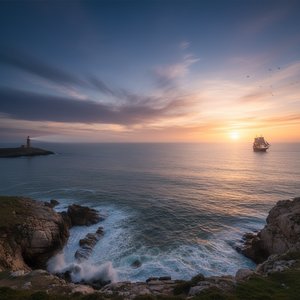
Sir John Lavery's "Long Hope Orkney" captures the rugged beauty of the Scottish island coast. This evocative oil painting, painted in 1917, showcases Lavery’s impressionistic style and wartime context – a stunning reproduction.

Biografia artysty

Sir John Lavery (1856-1941): Irlandzki malarz portretowy, znany z obrazów Edwardowskiej arystokracji i scen wojennych. Pod wpływem Whistlera, kluczowa postać brytyjskiej sztuki.

from ·

Chapter 1

How large should it be?

Slide to change the size; the picture on the left shows the frame at its real width. The proportions of the original are kept.

Standardowy format
personalizowane
CM
INCH

Wybierz spośród naszych standardowych rozmiarów, które zachowują oryginalne proporcje dzieła sztuki.

szerokość
wysokość

Wpisz wymaganą szerokość i wysokość, aby obraz pasował do Twojej ramy lub ściany. Ponieważ jest to dzieło malowane ręcznie, w przypadku rozmiaru o innych proporcjach artysta może domalować nieco więcej wokół obrazu lub przyciąć jego fragmenty — wybór należy do Ciebie. Przed rozpoczęciem pracy prześlemy Ci cyfrową wizualizację do zatwierdzenia. Obraz widoczny na tej stronie nie przedstawia rzeczywistego efektu — jedynie wizualizacja oddaje realny rezultat.

Chapter 2

How should it arrive?

Choose the edges of the stretched canvas

Choose your frame

Corner sample of the WhiteWrap canvas edge finish, stretched on lite drewno bars
White zł1
Corner sample of the BlurSideWrap canvas edge finish, stretched on lite drewno bars
Blurside zł1
Corner sample of the ExtendedWrap canvas edge finish, stretched on lite drewno bars
Extended zł1
Corner sample of the P118B picture frame: polistyren formowany, 5 cm wide and 3 cm thick
P118B zł10
Corner sample of the P118H picture frame: polistyren formowany, 5 cm wide and 3 cm thick
P118H zł10
Corner sample of the P118W picture frame: polistyren formowany, 5 cm wide and 3 cm thick
P118W zł10
Corner sample of the P438Z picture frame: polistyren formowany, 5.5 cm wide and 3.5 cm thick
P438Z zł10
Corner sample of the P508JH picture frame: polistyren formowany, 7 cm wide and 3.5 cm thick
P508JH zł12
Corner sample of the P508YH picture frame: polistyren formowany, 7 cm wide and 3.5 cm thick
P508YH zł12
Corner sample of the P805H picture frame: polistyren formowany, 5 cm wide and 3.5 cm thick
P805H zł10
Corner sample of the P805Z picture frame: polistyren formowany, 5 cm wide and 3.5 cm thick
P805Z zł10
Corner sample of the P919BZ picture frame: polistyren formowany, 7 cm wide and 3.5 cm thick
P919BZ zł10
Corner sample of the P919G picture frame: polistyren formowany, 7 cm wide and 3.5 cm thick
P919G zł10
Corner sample of the P919XJ picture frame: polistyren formowany, 7 cm wide and 3.5 cm thick
P919XJ zł10
Corner sample of the P959ZH picture frame: polistyren formowany, 5 cm wide and 3 cm thick
P959ZH zł10
Corner sample of the P968JZ picture frame: polistyren formowany, 6 cm wide and 4 cm thick
P968JZ zł12
Corner sample of the W106C picture frame: lite drewno, 5 cm wide and 3 cm thick
W106C zł8
Corner sample of the W218G picture frame: lite drewno, 5 cm wide and 3 cm thick
W218G zł10
Corner sample of the W218JH picture frame: lite drewno, 5 cm wide and 3 cm thick
W218JH zł8
Corner sample of the W218Y picture frame: lite drewno, 5 cm wide and 3 cm thick
W218Y zł10
Corner sample of the W307PJ picture frame: lite drewno, 6 cm wide and 3 cm thick
W307PJ zł10
Corner sample of the W316G picture frame: lite drewno, 6 cm wide and 3 cm thick
W316G zł10
Corner sample of the W316PJ picture frame: lite drewno, 6 cm wide and 3 cm thick
W316PJ zł8
Corner sample of the W316Y picture frame: lite drewno, 6 cm wide and 3 cm thick
W316Y zł10
Corner sample of the W398PJ picture frame: lite drewno, 5 cm wide and 3 cm thick
W398PJ zł8
Corner sample of the W4111J picture frame: lite drewno, 6.5 cm wide and 3.5 cm thick
W4111J zł10
Corner sample of the W500HY picture frame: lite drewno, 7 cm wide and 5 cm thick
W500HY zł15
Corner sample of the W500JH picture frame: lite drewno, 7 cm wide and 5 cm thick
W500JH zł15
Corner sample of the W692G picture frame: lite drewno, 8 cm wide and 4 cm thick
W692G zł12
Corner sample of the W849H picture frame: lite drewno, 5 cm wide and 3 cm thick
W849H zł8
Corner sample of the W940BG picture frame: lite drewno, 7.5 cm wide and 4.5 cm thick
W940BG zł15
Corner sample of the W953PJ picture frame: lite drewno, 6 cm wide and 3.5 cm thick
W953PJ zł8
Corner sample of the H24-GOLD picture frame: rzeźbione drewno pokryte gipsem, 10 cm wide and 6 cm thick
H24-GOLD zł30
Corner sample of the H24-SILVER picture frame: rzeźbione drewno pokryte gipsem, 10 cm wide and 6 cm thick
H24-SILVER zł30
Corner sample of the H36-GOLD picture frame: rzeźbione drewno pokryte gipsem, 15 cm wide and 6.5 cm thick
H36-GOLD zł45
Corner sample of the H36-SILVER picture frame: rzeźbione drewno pokryte gipsem, 15 cm wide and 6.5 cm thick
H36-SILVER zł45

Moulding: . Overall size with the frame: .

Chapter 3

Who paints it, and should anything change?

Examples of what can be changed: Replace face with customer photo; Add pet (e.g., replace cat with dog); Include hidden message in background; Change background landscape or elements.
After order, OriginalUniqueArt.com team will email client for instructions and provide a mockup preview

Dostawa na całym świecie () w ciągu 3–4 tygodni zamiast standardowych 5 tygodni. (1 Listopad). Bez kompromisów w kwestii jakości.

Chapter 4

The finishing touches

A nameplate, as in a museum?

Szczegóły grawerowanej brązowej tabliczki

This elegant plaque features the artist's name and the title of the artwork, finely engraved for a timeless presentation.

It is made from bronze with a refined, elegant finish. The text is precisely laser-engraved for a sharp and permanent result. Measuring 9x2 cm, the plaque is compact yet easy to read. It's built to be durable and scratch-resistant, offering a professional, museum-quality look. Mounting is simple thanks to the included adhesive backing.

Szczegóły przezroczystej tabliczki akrylowej

The plaque includes essential engraved details such as the artist's name, the title of the artwork, the date it was created, the type of media used-like oil on canvas or watercolor-a brief description of the piece, and a QR code that links to the complete artwork information.

It is crafted from clear acrylic, offering a sleek, modern appearance. The text is UV-engraved in black to ensure strong visual contrast. With a size of 10x15 cm, it ensures optimal readability. It comes equipped with two metal hooks for secure wall mounting. The plaque is designed to be weather-resistant, making it suitable for various environments, and it includes interactive features that work seamlessly with smartphone scanning.

Szczegóły czarnej tabliczki akrylowej

This elegant plaque includes engraved information such as the artist's name, the title of the artwork, the date it was created, the type of media used (like oil on canvas or watercolor), a short description of the artwork, and a QR code for quick access to more information.

The plaque itself is made from refined black acrylic with a premium finish. The text is laser-engraved in white for high contrast and readability. Its size is 10x15 cm, designed to be easy to read. It comes with two metal hooks for professional mounting. The design is sleek and fits any interior style. It is also weather-resistant and durable, with built-in digital integration for mobile compatibility.

A protective varnish?

When do you need it?

Chapter 5

Your painting, as you ordered it

Long Hope Orkney

Technika reprodukcji

Wymiary reprodukcji

-

Wybitny mistrz artystyczny

Większa szczegółowość, finezja i dodatkowy czas na realizację

-

Opcje oprawy reprodukcji

-

-

W przypadku dzieł sztuki lub reprodukcji, których którykolwiek z boków przekracza 105 cm (około 41 cali), rama zostanie wysłana w formie zestawu do samodzielnego montażu. Metoda ta zapewnia bezpieczną dostawę i zapobiega uszkodzeniom podczas transportu.

Wymagany profesjonalny montaż – nie jest to produkt typu DIY.
Zestaw musi zostać złożony, a płótno naciągnięte przez doświadczonego profesjonalnego ramiarza, przy użyciu kleju do drewna (brak w zestawie), kleszczy do naciągania płótna oraz ścisków, które utrzymają krosna w równej pozycji podczas schnięcia kleju. Nieprawidłowy montaż lub nierównomierne napięcie płótna może trwale uszkodzić dzieło sztuki i nie podlega naszej gwarancji.

  • W zestawie znajdują się wszystkie listwy z litego drewna, precyzyjnie docięte do wymiarów.

  • Montaż odbywa się przy użyciu dołączonych wkrętów oraz kleju do drewna do łączenia narożników, którego zestaw nie zawiera i który musi zostać dostarczony przez ramiarza.

  • Wymagane są profesjonalne narzędzia, których nie ma w zestawie: kleszcze do naciągania płótna (napinacz) oraz zaciski, które pozwolą utrzymać listwy w równej pozycji podczas schnięcia kleju.

Ważne:
Do połączenia narożników niezbędny jest klej do drewna, listwy należy unieruchomić za pomocą ścisków do momentu całkowitego wyschnięcia kleju, a naciągnięcie płótna na złożoną ramę wymaga użycia kleszczy do naciągania płótna. Żaden z tych elementów nie jest dołączony do zestawu. Przed zamówieniem tego rozmiaru zalecamy konsultację z doświadczonym ramiarzem.

Etykieta obiektu

-

-

Lakier ochronny

Lakier z połyskiem (pogłębia kolory, chroni przed światłem i wilgocią)

-

Personalizacja dzieła

Przykłady możliwości personalizacji: zastąp twarz zdjęciem klienta; dodaj zwierzę domowe (np. zamień kota na psa); umieść ukrytą wiadomość w tle; zmień krajobraz lub elementy tła.

-

Ekspresowa

Dostawa na cały świat () w ciągu 3–4 tygodni zamiast standardowych 5 tygodni. (1 Listopad). Bez kompromisów w kwestii jakości.

-

Przesyłka ekspresowa

Dostawa na cały świat () w ciągu 5 tygodni. (8 Listopad).

W cenie

Cena całkowita

zł 1361

Suma całkowita zł 1361

Opcja ze szkłem jest dostępna wyłącznie w rozmiarach poniżej 110 cm

Included with every order

  • Bezpłatna ekspresowa wysyłka na cały świat
  • Wysokiej jakości płótno lniane
  • Pełne ubezpieczenie przesyłki
  • Gwarancja zwrotu należności celnych i podatków importowych
  • Gwarancja wiernego odwzorowania kolorów
  • 100-dniowa polityka zwrotów (tylko w przypadku wad)
  • Gwarancja 100% zwrotu pieniędzy
  • Zniżka przy zakupie wielu sztuk

A Coastal Symphony: Long Hope Orkney by Sir John Lavery

Sir John Lavery’s “Long Hope Orkney,” painted in 1917, isn't merely a depiction of a windswept coastline; it’s a poignant meditation on resilience, isolation, and the enduring spirit of a people shaped by both the sea and the shadows of war. This evocative landscape captures a pivotal moment – likely during the tumultuous years of World War I – as evidenced by the presence of military vessels subtly integrated into the scene. Lavery masterfully employs Impressionistic techniques to convey not just what he saw, but also the atmosphere and emotional resonance of the Orkney Islands.

The painting’s palette is dominated by a restrained symphony of blues, greys, and whites, mirroring the often-overcast skies typical of this northern region. These muted tones aren't depressing; instead, they create a sense of quiet contemplation, emphasizing the vastness of the sea and the rugged beauty of the land. Visible brushstrokes—loose, gestural, and layered—are central to Lavery’s style, lending an immediacy and dynamism to the scene. The artist doesn’t strive for photographic realism but rather captures the fleeting effects of light and weather, imbuing the landscape with a palpable sense of movement. The composition itself is carefully balanced: the expansive sky occupies roughly one-third of the canvas, drawing the eye upwards while the water dominates the middle ground, its surface rippling with an implied current. The foreground—a cluster of buildings, docks, and figures – anchors the scene, grounding us in a tangible reality.

The Weight of History & Lavery’s Vision

Understanding “Long Hope Orkney” requires acknowledging the historical context within which it was created. Lavery, a prominent figure in Edwardian society, skillfully navigated the shifting social and political landscape of his time, often depicting scenes of both opulent leisure and the grim realities of war. The inclusion of military vessels strongly suggests this latter element; Orkney’s strategic location made it a vital area for naval operations during WWI. However, Lavery doesn't simply portray conflict. Instead, he imbues the scene with a sense of melancholy and introspection – perhaps reflecting on the impact of the war on the lives of ordinary people, or the enduring connection between humanity and the natural world.

Further research reveals that Lavery’s artistic journey was deeply intertwined with Scottish Impressionism. Influenced by artists like William Burrell, he embraced a looser brushstroke and an emphasis on capturing fleeting moments in time. His portraits of notable figures – Winston Churchill, H.H. Asquith – demonstrate his ability to capture the essence of his subjects, while his wartime scenes offer a stark contrast, revealing a sensitivity to human suffering. The painting’s composition echoes elements found in John Kyffin Williams' landscapes of Wales, sharing a similar focus on capturing atmospheric conditions and the rugged beauty of the British Isles.

Decoding Symbolism & Artistic Technique

Beyond its historical context, “Long Hope Orkney” is rich with symbolic potential. The distant shoreline, shrouded in mist, evokes feelings of isolation and uncertainty – themes frequently explored by artists during periods of upheaval. The figures on the land, indistinct yet present, represent the human element, suggesting a community grappling with challenges while maintaining a connection to their heritage. Lavery’s masterful use of perspective—size diminution as objects recede into the distance—creates a convincing sense of depth and space, drawing the viewer into the scene.

The painting's technique is equally noteworthy. Lavery employs layering and blending colors to create an atmospheric effect, simulating the diffused light characteristic of coastal environments. The visible brushwork adds texture and dynamism, while the loose lines capture the movement of water and clouds. The choice of oil paint on canvas allowed for a rich, luminous finish—a testament to Lavery’s skill as a colorist. The use of muted tones, combined with the expressive brushstrokes, creates a powerful emotional impact, inviting viewers to contemplate the beauty and fragility of the natural world.

Bringing “Long Hope Orkney” Home

OriginalUniqueArt offers meticulously hand-painted reproductions of Sir John Lavery’s “Long Hope Orkney,” allowing you to experience this remarkable artwork in stunning detail. Each reproduction is created using archival-quality materials and techniques, ensuring that it will retain its beauty and vibrancy for generations to come. Whether displayed as a statement piece in your living room or incorporated into an interior design scheme, this painting’s evocative imagery and historical significance will undoubtedly captivate and inspire.

Pytania i odpowiedzi

Gdzie i w jakim celu zaleca się użycie "Long Hope Orkney"?

Dzieło „Long Hope Orkney” – John Lavery jest polecane do Statement, najlepiej w Living Room. Zastosowanie oraz przestrzeń pomagają zdecydować, gdzie najlepiej umieścić reprodukcję.

Jaka paleta barw została wykorzystana w „Long Hope Orkney” – John Lavery?

„Long Hope Orkney” – John Lavery wykorzystuje Neutrals paletę barw, która definiuje ogólny charakter kolorystyczny dzieła.

Kto stworzył "Long Hope Orkney" i w jakim stylu jest to dzieło?

John Lavery stworzył "Long Hope Orkney", reprezentujące nurt Impressionistic Landscape.

More about this painting

Podgląd w skali 1:1 Podgląd AR Przełącz na wydania drukowane Przejdź do wersji cyfrowej Wyślij jako kartkę
Szczegóły dzieła Przewodnik Dodaj do ulubionych Pobierz obraz Podobne obiekty RTG Pokaz slajdów Q&A Statystyki

In numbers

  • 1917the year it was painted
  • 29frames to choose from
  • standard sizes, in its own proportions
  • 5weeks to paint and deliver it
John Lavery

John Lavery

1856 - 1941, Irlandia

Quick facts about John Lavery

  • Artistic Movement Or Style: Impressionizm, Portret
  • Artists Or Movements Influenced By This Artist: ['Whistler']
  • Artists Who Influenced This Artist: ['James McNeill Whistler']
  • Date Of Birth: 1856
  • Date Of Death: 1941
  • Full Name: Sir John Lavery
  • Nationality: Irlandczykowanie
  • Notable Artworks:
    • Mrs Lavery
    • Michael Collins
    • Summer on the River
  • Place Of Birth: Belfast, Irlandia

Biografia artysty

A Life Immersed in Portraiture and Society

Sir John Lavery, urodzony w Belfaście w 1856 roku, był malarzem, który z niezwykłą wrażliwością uchwycił ducha swojej epoki – ery zarówno luksusowej angielskiej arystokracji, jak i ponurych realiów wojny. Jego podróż od skromnych początków do bycia jednym z najbardziej poszukiwanych portrecistów w Wielkiej Brytanii jest świadectwem jego talentu, ambicji i umiejętności nawigowania po złożonych prądach społecznych tamtych czasów. Poświecony na początku życia sierotem, Lavery znalazł się w Szkocji, gdzie otrzymał podstawowe wykształcenie w Haldane Academy w Glasgow w latach 70. XIX wieku. To pierwsze zetknięcie z sztuką zapaliło w nim pasję, która doprowadziła go do dalszych studiów w Académie Julian w Paryżu na początku XX wieku, zanurzając go w sercu europeńskiej innowacji artystycznej. Po powrocie do Glasgow Lavery szybko związał się z wpływowym ruchem szkockiej szkoły, absorbując jego estetyczne zasady i nawiązując kontakty, które ukształtowały jego wczesny rozwój. Kluczowym momentem okazało się 1888 rok, kiedy to otrzymał prestiżowe zlecenie: namalowanie wizyty Królowej Wiktorii w Glasgow International Exhibition. To wydarzenie nie tylko przyniosło mu zawodowy sukces, ale także sygnalizowało jego wejście do kręgu wyższych sfer i spowodowało przeniesienie do Londynu krótko po tym. Zlecenie to nie było jedynie triumfem zawodowym; oznaczało również, że Lavery stał się malarzem zdolnym nie tylko do odwzorowywania wyglądu, ale także do oddawania majestatu i autorytetu swoich podmiotów.

Wpływy i Rozwój Artystyczny

Sensybilność artystyczna Lavery została głęboko ukształtowana przez kilka kluczowych wpływów, przede wszystkim Jamesa McNeilla Whistlera. Podziwiał nacisk Whistlera na harmonię tonalną, efekty atmosferyczne i wyrafinowaną wrażliwość estetyczną – cechy, które stały się znakiem rozpoznawczym jego własnego stylu. Wpływ ten jest widoczny w delikatnej fakturze pędzla i subtelnych paletach kolorów obecnych we wszystkich jego dziełach. Poza Whistlerem Lavery uczył się od impresjonizmu francuskiego, wprowadzając elementy jego przerwanych kolorów i nacisku na uchwycenie ulotnych chwil światła. Jednak nigdy nie przyjął w pełni radykalnego oddalenia od tradycyjnej formy charakterystycznego dla impresjonistów; zamiast tego zsyntetyzował te wpływy w unikalny styl, który łączył elegancję z nowoczesnością. Jego wczesne prace często przedstawiały sceny z życia codziennego i krajobrazy, ale jego biegłość w portrecie zapewniła mu prawdziwą renomę. Lavery posiadał niezwykłą zdolność do uchwycenia esencji swoich podmiotów – ich osobowości, statusu społecznego i wewnętrznych przeżyć – na płótnie. Umiejętnie łączył techniki impresjonistyczne z czujnym okiem na szczegóły, tworząc portrety, które były zarówno estetycznie przyjemne, jak i psychologicznie wnikliwe. Nie ograniczał się do odwzorowywania wyglądu; interpretował charakter.

Wojenne Depcje i Rozpoznanie Narodowe

Wybuch I wojny światowej dodał nowym wymiarom praktyki artystycznej Lavery. Podobnie jak William Orpen, został mianowany oficjalnym malarzem wojennym, powierzono mu zadanie dokumentowania konfliktu. Jednak przewlekła choroba i przerażający wypadek samochodowy – konsekwencja nalotu niemieckich samolotów – uniemożliwiły mu służbę na Froncie Zachodnim. Nie zrażony Lavery skupił swoje uwagi na scenach w Wielkiej Brytanii, przedstawiając atmosferę życia w czasie wojny poprzez obrazy łodzi, samolotów i samolotów rozpoznawczych. Te prace oferują unikalną perspektywę na wysiłek wojenne, koncentrując się nie na koszmarach oblężonych fortyfikacji, ale na technicznych postępach i wyzwaniach logistycznych, które definiowały konflikt na terenie kraju. Po zakończeniu wojny jego wkład został formalnie uznany za tytuł szlachecki oraz przyjęcie do Royal Academy of Arts. Jego życie stało się coraz bardziej splątane z życiem elit społecznych, szczególnie rodziny Asquithów. Spędzał sporo czasu w ich rezydencji nad Tamizą, tworząc portrety i idylliczne sceny, które oferowały spojrzenie na ich przywilegiowy świat. Lavery również zaangażował się w burzliwe wydarzenia związane z niezależnością Irlandii, zapewniając swój dom londyński jako neutralne miejsce do prowadzenia kluczowych negocjacji traktatu.

Dziedzictwo i Trwały Wpływ

Dziedzictwo Sir Johna Lavery wykracza poza jego imponujący dorobek artystyczny. Był postacią charakteryzującą się niezwykłą charyzmą, która z łatwością przemieszczała się między kręgiami artystycznymi a elitami społecznymi, stając się symbolem dynamiki kulturowej tamtej epoki. Jego portrety są nadal cenione za elegancję, umiejętność techniczną i wnikliwe charakterystyki. Zauważalnie jego alegoryczna postać Irlandii pojawiła się na banknotach irlandzkich od 1928 roku do 1975 roku – świadectwo trwałego znaczenia narodowego. Lavery’s artistic style, characterized by its blend of Impressionistic techniques and meticulous detail, continues to inspire artists today. His ability to capture the essence of his subjects, combined with his mastery of light and color, ensures that his work will continue to captivate audiences for generations to come. He was a painter who not only documented his time but also helped define it, leaving an indelible mark on British art history.

Kluczowe Cechy Jego Sztuki

  • Techniki impresjonistyczne: Wprowadził elementy impresjonizmu do swojej twórczości, szczególnie w zakresie użycia światła i koloru.
  • Ekspert w portrecie: Był znany z uchwycenia zarówno podobieństwa fizycznego, jak i głębi psychologicznej w swoich portretach.
  • Główne tematy: Portrety, sceny społeczne, depcje wojenne, krajobrazy.
  • Elegancki styl: Jego obrazy często charakteryzują się elegancją, żywotnością i wyrafinowaną wrażliwością estetyczną.

Najważniejsze informacje

  • Movement: Impressionism
  • Artistic style: Impressionistic
  • Title: Long Hope Orkney
  • Subject or theme: Coastal landscape
  • Medium: Oil on canvas

Quiz o sztuce

Do każdego pytania dotyczy tylko jedna poprawna odpowiedź.

Pytanie 1:
What is the primary subject matter depicted in Sir John Lavery’s ‘Long Hope Orkney’?
Pytanie 2:
The visible brushstrokes and loose lines in ‘Long Hope Orkney’ are characteristic of which artistic movement?
Pytanie 3:
Considering the date of creation (1917), what historical context is most strongly suggested by ‘Long Hope Orkney’?
Pytanie 4:
What is the dominant color palette used in ‘Long Hope Orkney’?
Pytanie 5:
The use of perspective in ‘Long Hope Orkney’ is primarily achieved through: