

 Podgląd w skali 1:1
 Wyślij jako kartkę
 Udostępnij
 Szczegóły dzieła
 Przewodnik

 Pobierz obraz
 Podobne obiekty
 RTG
RTG Pokaz slajdów
 Q&A
Q&A Statystyki
Winter Fuel


 Rozwiń treść
Giclée / Wydruk artystyczny
Wydruki giclée lub płótna o jakości muzealnej, szybka realizacja i szeroki wybór opcji wykończenia. ( Zamów ręcznie malowaną reprodukcję Przejdź do wersji cyfrowej)




P118B zł10

P118H zł10

P118W zł10

P438Z zł10

P508JH zł12

P508YH zł12

P805H zł10

P805Z zł10

P919BZ zł10

P919G zł10

P919XJ zł10

P959ZH zł10

P968JZ zł12

W106C zł8

W218G zł10

W218JH zł8

W218Y zł10

W307PJ zł10

W316G zł10

W316PJ zł8

W316Y zł10

W398PJ zł8

W4111J zł10

W500HY zł15

W500JH zł15

W692G zł12

W849H zł8

W940BG zł15

W953PJ zł8




Wybierz spośród naszych standardowych rozmiarów, które zachowują oryginalne proporcje dzieła sztuki.

Wpisz wymaganą szerokość i wysokość, aby dopasować grafikę do ramy lub ściany. Wydruk można jedynie przyciąć, nigdy nie powiększając go poza oryginalny obraz, dlatego format o innych proporcjach spowoduje utratę części kompozycji. Przed rozpoczęciem druku prześlemy Ci cyfrowy podgląd do zatwierdzenia. Obraz wyświetlany na tej stronie nie pokazuje rzeczywistego przycięcia — jedynie podgląd oddaje ten efekt.
Dostawa na cały świat () w ciągu 2 tygodni zamiast standardowych 4/5 tygodni. (30 Październik)

Bezpłatna ekspresowa wysyłka na cały świat

Wysokiej jakości płótno lniane

Pełne ubezpieczenie przesyłki

Gwarancja zwrotu należności celnych i podatków importowych

Gwarancja wiernego odwzorowania kolorów

100-dniowa polityka zwrotów (tylko w przypadku wad)

Gwarancja 100% zwrotu pieniędzy

Zniżka przy zakupie wielu sztuk
 Opcja ze szkłem jest dostępna wyłącznie w rozmiarach poniżej 110 cm

Winter Fuel
Giclée / Wydruk artystyczny
Wymiary reprodukcji
-


Cena całkowita
zł 311
A Pastoral Symphony in Oil: The Soul of Winter Fuel
In the quietude of Sir John Everett Millais's 1873 masterpiece, Winter Fuel, one finds a profound meditation on the intersection of human labor and the enduring majesty of the natural world. This evocative oil painting serves as more than a mere landscape; it is a window into the Victorian pastoral ideal, capturing a moment of serene stillness amidst the rugged reality of rural life. At the heart of the composition sits a young girl, perhaps the daughter of a woodsman, perched atop a cart laden with felled timber. Her presence provides a tender, human focal point against the imposing backdrop of Birnam Hill. As she surveys her surroundings, there is an unmistakable sense of peace—a quiet communion between the child and the vast, breathing landscape that surrounds her.
The scene is further enriched by the subtle inclusion of a loyal companion, a dog resting near the bottom corner, which anchors the composition and reinforces the themes of companionship and the simple, unadorned life. For collectors and interior designers alike, this piece offers a unique atmospheric quality; it possesses the ability to ground a room with its earthy tones and tranquil energy, making it an exquisite choice for spaces designed for reflection, warmth, and timeless elegance.
Mastery of Technique and the Pre-Raphaelite Legacy
To understand the brilliance of Winter Fuel, one must look through the lens of Millais’s revolutionary artistic journey. While he was a founding member of the Pre-Raphaelite Brotherhood—a movement famous for its uncompromising fidelity to nature and rejection of artificial academic polish—this later work demonstrates a masterful transition toward a more romantic, academic style. Yet, the hallmarks of his early training remain vibrantly present. The texture of the bark, the weight of the logs, and the rugged terrain are rendered with an almost tactile precision that invites the viewer to reach out and feel the roughness of the wood.
Millais utilized a muted, sophisticated palette dominated by deep browns, mossy greens, and atmospheric blues. This choice of color does not merely depict a season; it evokes the very chill and dampness of a late autumn or early winter day. His technique, rooted in plein air observation, allows the light to play across the landscape with a naturalistic grace, creating a sense of depth that draws the eye toward the distant mountains. The brushwork, while more fluid than his earlier, hyper-detailed works, retains a rhythmic vitality that breathes life into every leaf and stone.
Symbolism and Emotional Resonance for the Modern Collector
Beyond its technical prowess, Winter Fuel is imbued with a symbolic resonance that speaks to the universal human experience. The "fuel" of the title suggests preparation, survival, and the cyclical nature of life—the gathering of resources to endure the coming cold. There is a poignant beauty in the juxtaposition of the child's innocence against the heavy, physical burden of the timber. It captures a fleeting moment of respite within the cycle of toil, reminding us of the quiet dignity found in even the most humble of labors.
For those seeking to adorn their homes with art that tells a story, this painting offers an unparalleled emotional depth. It does not demand attention through loud colors or jarring subjects; instead, it earns its place through a steady, captivating presence. Whether placed in a sunlit library or a cozy study, a high-quality reproduction of this work brings with it the spirit of the British countryside and the enduring legacy of one of history's most celebrated painters. It is an investment in atmosphere, a piece that promises to inspire tranquility and a deep appreciation for the quiet wonders of the natural world.
Pytania i odpowiedzi
Gdzie można kupić ręcznie malowane reprodukcje dzieła „Winter Fuel” – John Everett Millais?
Ręcznie malowane reprodukcje dzieła „Winter Fuel” – John Everett Millais można nabyć na stronie niniejsza strona: ręcznie malowana reprodukcja olejowa na płótnie lnianym, zamawiając je bezpośrednio w zakładce Ręcznie malowana reprodukcja.
Jaka technika i styl charakteryzują „Winter Fuel” – John Everett Millais?
W "Winter Fuel" technika Oil On Canvas łączy się z nurtem Pre-Raphaelite Rebellion.
Jakie miejsce w historii sztuki zajmuje „Winter Fuel” – John Everett Millais?
Pod względem historycznym „Winter Fuel” to dzieło z nurtu Pre-Raphaelite Rebellion, powstałe w szerszej epoce 19th Century.
Biografia artysty
A Prodigy of the Pre-Raphaelites: The Life and Art of Sir John Everett Millais
Born in Southampton in 1829, John Everett Millais entered the Royal Academy Schools at the astonishing age of eleven—the youngest student ever admitted. This early demonstration of prodigious talent foreshadowed a career that would not only define an artistic movement but also capture the Victorian imagination with its breathtaking realism and emotional depth. From his earliest days, Millais possessed a remarkable gift for observation, a quality that would become the cornerstone of his artistic style. He wasn’t merely painting what he saw; he was meticulously recreating it, imbuing each brushstroke with an almost photographic fidelity. This dedication to truth in representation set him apart and ultimately led him to challenge the established conventions of British art.The Birth of a Brotherhood and Artistic Rebellion
Millais’s artistic trajectory took a pivotal turn in 1848 when, alongside Dante Gabriel Rossetti and William Holman Hunt, he founded the Pre-Raphaelite Brotherhood. This wasn't simply an aesthetic choice; it was a deliberate rebellion against what they perceived as the artificiality of academic art—art that had strayed too far from the natural world and the sincerity of early Renaissance masters, those working *before* Raphael. The Pre-Raphaelites sought to revive the clarity, detail, and vibrant color palettes of artists like Jan van Eyck and Fra Angelico. Their manifesto was one of truth to nature, a rejection of idealized forms, and an embrace of subjects drawn from literature, mythology, and everyday life. Millais’s early works, such as *Isabella*, immediately showcased this new approach—a meticulous attention to detail combined with a narrative intensity that captivated and often provoked audiences. His most controversial work during this period, Christ in the House of His Parents (1849-50), depicted the Holy Family not as ethereal beings but as ordinary working-class people, sparking outrage among critics who found its realism unsettling and even blasphemous. The painting’s depiction of a mother washing her child's clothes in a muddy stream was considered shockingly unidealized for religious art at the time.Evolving Styles and Victorian Sensibilities
The mid-1850s marked a period of significant change for Millais, both personally and artistically. His marriage to Effie Gray, following the annulment of her marriage to John Ruskin, profoundly influenced his work. He moved away from the intensely detailed, symbolic style of his early Pre-Raphaelite paintings towards a broader, more atmospheric realism. This shift wasn’t simply a matter of stylistic preference; it reflected a growing engagement with contemporary life and a desire to capture the fleeting beauty of the natural world. Paintings like *Autumn Leaves* exemplify this new direction—a serene depiction of a group of young women drifting leaves on a river, imbued with a sense of melancholy and nostalgia. The painting’s luminous quality and subtle color variations were groundbreaking for their time. He also found considerable success as a portraitist, capturing the likenesses of prominent Victorian figures, including John Gladstone and Benjamin Disraeli. This period saw Millais achieve widespread popularity and financial security, but it also drew criticism from some who felt he had compromised his artistic principles.Major Works & Collections
- Christ in the House of His Parents (1849-1850): Tate Britain, London – A controversial masterpiece that exemplifies early Pre-Raphaelite realism.
- Ophelia (1851-1852): Tate Britain, London – Perhaps his most famous work, renowned for its haunting beauty and symbolic depth.
- A Huguenot (1851-1852): Private Collection – A dramatic depiction of religious conflict and forbidden love.
- Mariana (1850-1851): Manchester Art Gallery – Inspired by Shakespeare and Tennyson, showcasing Millais’s skill in capturing mood and atmosphere.
- Autumn Leaves (1855-1856): City of Manchester Art Galleries – A serene and evocative painting that reflects his evolving style.
Legacy and Lasting Influence
Despite these criticisms, Sir John Everett Millais remains one of the most important figures in 19th-century British art. His influence extends far beyond the Pre-Raphaelite Brotherhood; he helped to redefine the standards of realism and narrative painting, inspiring generations of artists. His iconic images—Ophelia, with its haunting beauty and symbolic richness, A Huguenot, depicting a moment of poignant drama, and countless others—continue to resonate with audiences today. Millais’s ability to blend meticulous observation with emotional depth, his mastery of color and composition, and his willingness to challenge artistic conventions cemented his place as a true innovator. In 1896, he was elected President of the Royal Academy, a testament to his enduring legacy—though sadly, he passed away only months later. His work continues to be celebrated in museums and collections worldwide, ensuring that the beauty and power of his art will endure for generations to come.
John Everett Millais
1829 - 1896 , Wielka Brytania
Krótka nota
- Artistic Movement Or Style: Prerafaelizm, Realizm
- Artists Or Movements Influenced By This Artist: Prerafaelska szkoła
- Artists Who Influenced This Artist: Prerafaeliści
- Date Of Birth: 8 czerwca 1829
- Date Of Death: 13 sierpnia 1896
- Full Name: Sir John Everett Millais
- Nationality: Brytyjski
- Notable Artworks:
- Christ w domu...
- Ophelia
- Hugenot
- Mariana
- Place Of Birth: Southampton, Wielka Brytania
Powiązane artykuły

Sir John Everett Millais: Pre-Raphaelite Rebellion & Victorian Narrative Detail
Explore the revolutionary art of Sir John Everett Millais & the Pre-Raphaelite Brotherhood. Discover their radical realism, symbolic narratives, and lasting impact on Victorian aesthetics. A deep dive into 19th-century masterpieces.

Dante Gabriel Rossetti: 25 Arcydzieł Pełnych Pasji i Symboliki | OriginalUniqueArt
Odkryj 25 najpiękniejszych obrazów Dante Gabriela Rossettiego! Poznaj historię, symbolikę i techniki prerafaelitów. Reprodukcje najwyższej jakości do Twojego wnętrza – OriginalUniqueArt.
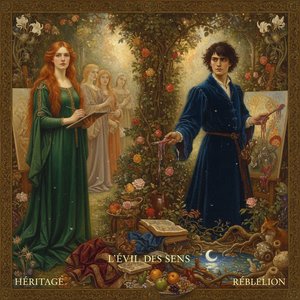
The Pre-Raphaelite Brotherhood: Reclaiming Beauty, Nature, and Truth in Victorian Art History
Explore the revolutionary Pre-Raphaelite Brotherhood. Discover how these visionary artists rejected academic tradition to reclaim beauty, nature, and truth through luminous detail and literary depth in Victorian art history.

John Constable: 25 Najlepszych Obrazów Mistrza Angielskiego Krajobrazu | OriginalUniqueArt
Odkryj 25 arcydzieł Johna Constable'a – mistrza angielskiego krajobrazu! Poznaj romantyczne pejzaże, technikę malarską i inspiracje z Dedham Vale. Reprodukcje obrazów najwyższej jakości na OriginalUniqueArt.com. Eksploruj pełną kolekcję online!

Pre-Raphaelite Romanticism: A Guide to Vivid Detail and Medieval Beauty in Victorian Art
Explore the vivid detail and medieval beauty of Pre-Raphaelite Romanticism. Discover the history of masters like Rossetti and Millais through our expert guide to Victorian art, perfect for collectors and professionals seeking authentic, museum-quality reproductions.


