

 Zobacz w skali 1:1
 Wyślij
 Udostępnij
 Szczegóły
 Przewodnik

 Pobierz plik obrazu
 Podobne obiekty
 RTG
RTG Pokaz slajdów
 Statystyki
The Black Brunswicker
 Oil On Canvas
- WallArt
- Pre-Raphaelite Brotherhood
 103.0 x 69.0 cm
 Royal Scottish Academy of Art - Architecture
 Czytaj więcej
Giclée / Wydruk artystyczny
Wydruki giclée lub płótna o jakości muzealnej, szybka realizacja i szeroki wybór opcji wykończenia. ( Kup ręcznie malowany obraz Przełącz na wersję cyfrową)




P118B zł10

P118H zł10

P118W zł10

P438Z zł10

P508JH zł12

P508YH zł12

P805H zł10

P805Z zł10

P919BZ zł10

P919G zł10

P919XJ zł10

P959ZH zł10

P968JZ zł12

W106C zł8

W218G zł10

W218JH zł8

W218Y zł10

W307PJ zł10

W316G zł10

W316PJ zł8

W316Y zł10

W398PJ zł8

W4111J zł10

W500HY zł15

W500JH zł15

W692G zł12

W849H zł8

W940BG zł15

W953PJ zł8




Wybierz spośród naszych standardowych rozmiarów, które zachowują oryginalne proporcje dzieła sztuki.

Możesz wprowadzić własne wymiary, aby dopasować dzieło do konkretnej ramy lub przestrzeni. Jeśli wybrany rozmiar nie będzie odpowiadał proporcjom oryginalnego obrazu, przytniecie dzieło lub rozszerzymy obraz za pomocą odbicia lustrzanego lub jednolitego wypełnienia krawędzi. Przed rozpoczęciem produkcji prześlemy cyfrową wizualizację do Twojej akceptacji.
Prosimy pamiętać, że podgląd na ekranie nie odzwierciedla faktycznego przycinania ani rozszerzania. Tylko wizualizacja dokładnie pokaże końcową kompozycję.
Mimo dostępności niestandardowych rozmiarów, zalecamy wybór wymiaru z listy zdefiniowanej, aby zachować oryginalne proporcje.
Dostawa na cały świat () w ciągu 2 tygodni zamiast standardowych 4/5 tygodni. (14 Październik)

Bezpłatna ekspresowa wysyłka na cały świat

Wysokiej jakości płótno lniane

Pełne ubezpieczenie transportowe

Gwarancja zwrotu należności celnych i podatków importowych

Gwarancja idealnego odwzorowania barw

100-dniowy okres na zwrot dzieła w przypadku wykrycia wad produkcyjnych

Gwarancja 100% zwrotu pieniędzy

Oferta przy zakupie wielu sztuk
 Opcja ze szkłem jest dostępna wyłącznie w rozmiarach poniżej 110 cm

The Black Brunswicker
Giclée / Wydruk artystyczny
Rozmiar reprodukcji
-


Suma do zapłaty
zł 301
The Black Brunswicker: A Victorian Tableau of Duty and Desire
John Everett Millais’s “The Black Brunswicker,” painted in 1860, is more than just a depiction of a soldier preparing for battle; it's a meticulously crafted tableau vivant—a staged scene designed to evoke both the drama of historical conflict and the poignant intimacy of personal relationships. This remarkable work, now housed at the Lady Lever Art Gallery in Port Sunlight, Merseyside, offers a captivating glimpse into Victorian sensibilities, Pre-Raphaelite aesthetics, and the complex interplay between duty, love, and loss.
At first glance, the painting presents a seemingly straightforward scene: a young soldier, clad in the dark, imposing uniform of the Black Brunswickers—a German mercenary unit that fought valiantly at the Battle of Waterloo—is about to depart for war. His sweetheart, a woman of striking beauty adorned with a delicate pink sash and pearl-white satin gown, attempts to restrain him, her face etched with worry as she struggles to close the heavy wooden door behind him. A loyal black dog sits attentively at their feet, seemingly mirroring the soldier’s conflicted emotions. However, beneath this surface narrative lies a rich tapestry of symbolism and historical allusion, meticulously woven by Millais.
A Collision of Eras and Influences
Millais masterfully juxtaposes elements from different eras within a single composition. The soldier's attire, reminiscent of 19th-century military garb, immediately anchors the scene in a specific historical context—the Napoleonic Wars. Yet, the woman’s dress, with its elaborate detailing and delicate fabrics, hints at a more refined Victorian sensibility. Crucially, the painting is not simply a portrait of two lovers; it's deeply intertwined with a broader narrative inspired by Tennyson’s poem “Mariana,” which explores themes of unrequited love, loss, and the constraints imposed upon women in Victorian society. The inclusion of Jacques-Louis David’s monumental painting "Napoleon Crossing the St. Bernard Pass" further complicates the scene, adding an element of grand historical drama and subtly commenting on the romantic ideals of heroism and conquest.
The presence of the print is not merely decorative; it serves as a visual counterpoint to the intimate moment unfolding before the viewer. David’s painting, with its heroic depiction of Napoleon, embodies masculine power and military triumph—qualities that stand in stark contrast to the woman's desperate attempt to prevent her lover from embracing such ambition. The soldier’s struggle against his duty, symbolized by the open door, becomes a metaphor for the broader conflict between personal desires and societal expectations.
Technique and Detail: A Pre-Raphaelite Masterpiece
Millais's technical skill is evident in every detail of “The Black Brunswicker.” He employed the meticulous observation characteristic of the Pre-Raphaelites, painstakingly rendering the textures of the fabrics—the heavy velvet of the soldier’s uniform, the delicate lace of the woman’s gown, and the rough grain of the wooden door. The use of a white ground technique, where thin layers of translucent paint are applied over a primed surface, creates an illusion of depth and luminosity, enhancing the realism of the scene. The artist's attention to detail extends beyond mere representation; he deliberately incorporates symbolic elements—the falling autumn leaves representing the passage of time and the inevitability of loss, the dog’s watchful gaze reflecting the soldier’s internal turmoil.
Notably, Millais employed a unique method for creating this complex scene. Rather than posing his subjects directly, he utilized wooden stand-ins to capture their gestures and expressions. The soldier's pose was achieved by having an anonymous soldier clasp a lay-figure to his breast, while the woman’s posture was replicated using a similar technique. This innovative approach allowed Millais to achieve remarkable accuracy in conveying the emotional nuances of the scene, despite the lack of direct interaction between the models.
Emotional Resonance and Lasting Legacy
"The Black Brunswicker" transcends its historical subject matter to resonate with viewers on a deeply emotional level. The painting captures the poignant tension between love and duty, highlighting the sacrifices individuals make in the face of societal pressures. The woman’s desperate attempt to hold her lover back speaks to the constraints placed upon women during the Victorian era, while the soldier's conflicted emotions reflect the burden of military service.
Millais’s masterpiece remains a powerful testament to the Pre-Raphaelite movement’s commitment to realism, symbolism, and narrative storytelling. It is a captivating work that continues to fascinate art lovers and collectors alike, offering a glimpse into the complexities of Victorian life and the enduring power of human emotion.
Pytania i odpowiedzi
Czy mogę zobaczyć obraz „The Black Brunswicker” autorstwa John Everett Millais w widoku rentgenowskim?
Dzieło "The Black Brunswicker" można badać warstwa po warstwie na stronie Prześwietlenie, która stanowi interaktywny podgląd inspirowany stołem świetlnym konserwatora, oferujący jedenaście optycznych odczytów obrazu.
Ilu użytkowników ogląda "The Black Brunswicker"?
Statystyki dotyczące „The Black Brunswicker” autorstwa John Everett Millais znajdują się na stronie Statystyki dzieła: obejmują one miesięczną liczbę odwiedzin danego dzieła, wizyty przy pracach artysty oraz podział ostatnich odwiedzających według krajów i języków.
Czy „The Black Brunswicker” autorstwa John Everett Millais to portret, pejzaż czy kompozycja kwadratowa?
Format dzieła „The Black Brunswicker” to Portrait. Jest to pomocna informacja podczas planowania miejsca, w którym zostanie umieszczona reprodukcja.
W jakim rozmiarze zaleca się wydruk dzieła "The Black Brunswicker"?
Zalecanym rozmiarem wydruku dla dzieła "The Black Brunswicker" jest Large. Dostępne są również inne rozmiary o tych samych proporcjach.
Kto stworzył "The Black Brunswicker" i w jakim stylu jest to dzieło?
"The Black Brunswicker" powstało autorstwa John Everett Millais w stylu Pre-Raphaelite Brotherhood. Artysta oraz nurt definiują tradycję tego dzieła.
Gdzie mogę znaleźć dzieła sztuki podobne do „The Black Brunswicker” autorstwa John Everett Millais?
Dzieła podobne do „The Black Brunswicker” autorstwa John Everett Millais zostały zgromadzone na stronie Podobne dzieła danego dzieła.
Gdzie zaleca się eksponować format Portrait dzieła „The Black Brunswicker”?
Dzięki formatowi Portrait, reprodukcja dzieła „The Black Brunswicker” idealnie sprawdzi się w Living Room.
Do jakiego nurtu w sztuce należy „The Black Brunswicker” autorstwa John Everett Millais?
Nurt związany z „The Black Brunswicker” autorstwa John Everett Millais to Pre-Raphaelite Brotherhood. Ta klasyfikacja sytuuje dzieło wśród pokrewnych artystów i dzieł sztuki.
Biografia artysty
A Prodigy of the Pre-Raphaelites: The Life and Art of Sir John Everett Millais
Born in Southampton in 1829, John Everett Millais entered the Royal Academy Schools at the astonishing age of eleven—the youngest student ever admitted. This early demonstration of prodigious talent foreshadowed a career that would not only define an artistic movement but also capture the Victorian imagination with its breathtaking realism and emotional depth. From his earliest days, Millais possessed a remarkable gift for observation, a quality that would become the cornerstone of his artistic style. He wasn’t merely painting what he saw; he was meticulously recreating it, imbuing each brushstroke with an almost photographic fidelity. This dedication to truth in representation set him apart and ultimately led him to challenge the established conventions of British art.The Birth of a Brotherhood and Artistic Rebellion
Millais’s artistic trajectory took a pivotal turn in 1848 when, alongside Dante Gabriel Rossetti and William Holman Hunt, he founded the Pre-Raphaelite Brotherhood. This wasn't simply an aesthetic choice; it was a deliberate rebellion against what they perceived as the artificiality of academic art—art that had strayed too far from the natural world and the sincerity of early Renaissance masters, those working *before* Raphael. The Pre-Raphaelites sought to revive the clarity, detail, and vibrant color palettes of artists like Jan van Eyck and Fra Angelico. Their manifesto was one of truth to nature, a rejection of idealized forms, and an embrace of subjects drawn from literature, mythology, and everyday life. Millais’s early works, such as *Isabella*, immediately showcased this new approach—a meticulous attention to detail combined with a narrative intensity that captivated and often provoked audiences. His most controversial work during this period, Christ in the House of His Parents (1849-50), depicted the Holy Family not as ethereal beings but as ordinary working-class people, sparking outrage among critics who found its realism unsettling and even blasphemous. The painting’s depiction of a mother washing her child's clothes in a muddy stream was considered shockingly unidealized for religious art at the time.Evolving Styles and Victorian Sensibilities
The mid-1850s marked a period of significant change for Millais, both personally and artistically. His marriage to Effie Gray, following the annulment of her marriage to John Ruskin, profoundly influenced his work. He moved away from the intensely detailed, symbolic style of his early Pre-Raphaelite paintings towards a broader, more atmospheric realism. This shift wasn’t simply a matter of stylistic preference; it reflected a growing engagement with contemporary life and a desire to capture the fleeting beauty of the natural world. Paintings like *Autumn Leaves* exemplify this new direction—a serene depiction of a group of young women drifting leaves on a river, imbued with a sense of melancholy and nostalgia. The painting’s luminous quality and subtle color variations were groundbreaking for their time. He also found considerable success as a portraitist, capturing the likenesses of prominent Victorian figures, including John Gladstone and Benjamin Disraeli. This period saw Millais achieve widespread popularity and financial security, but it also drew criticism from some who felt he had compromised his artistic principles.Major Works & Collections
- Christ in the House of His Parents (1849-1850): Tate Britain, London – A controversial masterpiece that exemplifies early Pre-Raphaelite realism.
- Ophelia (1851-1852): Tate Britain, London – Perhaps his most famous work, renowned for its haunting beauty and symbolic depth.
- A Huguenot (1851-1852): Private Collection – A dramatic depiction of religious conflict and forbidden love.
- Mariana (1850-1851): Manchester Art Gallery – Inspired by Shakespeare and Tennyson, showcasing Millais’s skill in capturing mood and atmosphere.
- Autumn Leaves (1855-1856): City of Manchester Art Galleries – A serene and evocative painting that reflects his evolving style.
Legacy and Lasting Influence
Despite these criticisms, Sir John Everett Millais remains one of the most important figures in 19th-century British art. His influence extends far beyond the Pre-Raphaelite Brotherhood; he helped to redefine the standards of realism and narrative painting, inspiring generations of artists. His iconic images—Ophelia, with its haunting beauty and symbolic richness, A Huguenot, depicting a moment of poignant drama, and countless others—continue to resonate with audiences today. Millais’s ability to blend meticulous observation with emotional depth, his mastery of color and composition, and his willingness to challenge artistic conventions cemented his place as a true innovator. In 1896, he was elected President of the Royal Academy, a testament to his enduring legacy—though sadly, he passed away only months later. His work continues to be celebrated in museums and collections worldwide, ensuring that the beauty and power of his art will endure for generations to come.
John Everett Millais
1829 - 1896 , Wielka Brytania
Najważniejsze informacje
- Artistic Movement Or Style: Prerafaelizm, Realizm
- Artists Or Movements Influenced By This Artist: Prerafaelska szkoła
- Artists Who Influenced This Artist: Prerafaeliści
- Date Of Birth: 8 czerwca 1829
- Date Of Death: 13 sierpnia 1896
- Full Name: Sir John Everett Millais
- Nationality: Brytyjski
- Notable Artworks:
- Christ w domu...
- Ophelia
- Hugenot
- Mariana
- Place Of Birth: Southampton, Wielka Brytania
Zobacz także powiązane artykuły

Pre-Raphaelite Romanticism: A Guide to Vivid Detail and Medieval Beauty in Victorian Art
Explore the vivid detail and medieval beauty of Pre-Raphaelite Romanticism. Discover the history of masters like Rossetti and Millais through our expert guide to Victorian art, perfect for collectors and professionals seeking authentic, museum-quality reproductions.

Sir John Everett Millais: Pre-Raphaelite Rebellion & Victorian Narrative Detail
Explore the revolutionary art of Sir John Everett Millais & the Pre-Raphaelite Brotherhood. Discover their radical realism, symbolic narratives, and lasting impact on Victorian aesthetics. A deep dive into 19th-century masterpieces.
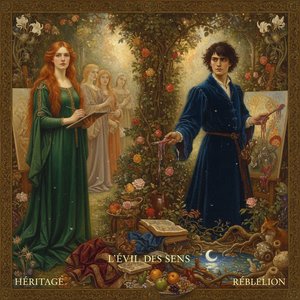
The Pre-Raphaelite Brotherhood: Reclaiming Beauty, Nature, and Truth in Victorian Art History
Explore the revolutionary Pre-Raphaelite Brotherhood. Discover how these visionary artists rejected academic tradition to reclaim beauty, nature, and truth through luminous detail and literary depth in Victorian art history.

Dante Gabriel Rossetti: 25 Arcydzieł Pełnych Pasji i Symboliki | OriginalUniqueArt
Odkryj 25 najpiękniejszych obrazów Dante Gabriela Rossettiego! Poznaj historię, symbolikę i techniki prerafaelitów. Reprodukcje najwyższej jakości do Twojego wnętrza – OriginalUniqueArt.

The Pre-Raphaelite Brotherhood: Rediscovering Romanticism, Mythological Depth, and Vivid Detail in Victorian Art
Explore the breathtaking world of the Pre-Raphaelite Brotherhood. Discover how this movement redefined Victorian art through vivid detail, mythological depth, and romanticism. An expert guide for classic art enthusiasts seeking to rediscover these timeless masterpieces.


