
 Podgląd w skali 1:1
 Wyślij jako kartkę
 Udostępnij
 Szczegóły dzieła
 Przewodnik

 Pobierz obraz
 Podobne obiekty
 RTG
RTG Pokaz slajdów
 Pytania i odpowiedzi
 Statystyki
Study (verso)

- 33.0 x 41.0 cm


 Rozwiń treść
Dzieło sztuki prezentowane na tej stronie podlega ochronie prawem autorskim, co oznacza, że nie mamy prawa do tworzenia ani sprzedaży jego identycznej reprodukcji. Ochrona ta jest egzekwowana na mocy umów międzynarodowych, takich jak Konwencja berneńska oraz przez przepisy prawa krajowego, w tym te określone w Prawo autorskie USA – Tytuł 17.
Metoda ta jest w pełni zgodna z przepisami prawa autorskiego, ponieważ nie polega na kopiowaniu ani powielaniu chronionego dzieła. Stanowi ona kreatywną reinterpretację – nowy obraz, który czerpie inspirację z oryginału, ale nie jest z nim tożsamy.
Giclée / Wydruk artystyczny
Wydruki giclée lub płótna o jakości muzealnej, szybka realizacja i szeroki wybór opcji wykończenia. ( Zamów ręcznie malowaną reprodukcję Przejdź do wersji cyfrowej)




P118B zł10

P118H zł10

P118W zł10

P438Z zł10

P508JH zł12

P508YH zł12

P805H zł10

P805Z zł10

P919BZ zł10

P919G zł10

P919XJ zł10

P959ZH zł10

P968JZ zł12

W106C zł8

W218G zł10

W218JH zł8

W218Y zł10

W307PJ zł10

W316G zł10

W316PJ zł8

W316Y zł10

W398PJ zł8

W4111J zł10

W500HY zł15

W500JH zł15

W692G zł12

W849H zł8

W940BG zł15

W953PJ zł8




Wybierz spośród naszych standardowych rozmiarów, które zachowują oryginalne proporcje dzieła sztuki.

Wpisz wymaganą szerokość i wysokość, aby dopasować grafikę do ramy lub ściany. Wydruk można jedynie przyciąć, nigdy nie powiększając go poza oryginalny obraz, dlatego format o innych proporcjach spowoduje utratę części kompozycji. Przed rozpoczęciem druku prześlemy Ci cyfrowy podgląd do zatwierdzenia. Obraz wyświetlany na tej stronie nie pokazuje rzeczywistego przycięcia — jedynie podgląd oddaje ten efekt.
Dostawa na cały świat () w ciągu 2 tygodni zamiast standardowych 4/5 tygodni. (6 Listopad)

Bezpłatna ekspresowa wysyłka na cały świat

Wysokiej jakości płótno lniane

Pełne ubezpieczenie przesyłki

Gwarancja zwrotu należności celnych i podatków importowych

Gwarancja wiernego odwzorowania kolorów

100-dniowa polityka zwrotów (tylko w przypadku wad)

Gwarancja 100% zwrotu pieniędzy

Zniżka przy zakupie wielu sztuk
 Opcja ze szkłem jest dostępna wyłącznie w rozmiarach poniżej 110 cm

Study (verso)
Giclée / Wydruk artystyczny
Wymiary reprodukcji
-


Cena całkowita
zł 317
The Enduring Charm of Munnings’s “Study (verso)”
Sir Alfred James Munnings's "Study (verso)" offers a captivating glimpse into the world of rural England, meticulously rendered with an artist deeply attuned to both observation and emotion. This unassuming sketch, executed in 1928, transcends its humble origins as a preliminary study for a larger painting – “Sir Thomas Robins Bolitho” – to become a poignant meditation on landscape, labor, and the vanishing traditions of the countryside. Munnings, already establishing himself as one of Britain’s foremost equine artists, was at this point navigating a crucial period of artistic evolution, moving beyond purely representational work towards a more atmospheric and emotionally resonant style. The piece isn't merely a depiction of a scene; it’s an evocation of a feeling – the quiet dignity of rural life, the rhythms of the seasons, and the enduring connection between man and beast.A Study in Light and Texture
The sketch itself is executed with remarkable economy of line and color. Munnings employs a loose, expressive brushstroke, prioritizing capturing the essence of light and texture over precise detail. The palette is muted yet vibrant, dominated by earthy browns, greens, and greys – colors that perfectly mirror the weathered tones of the Suffolk landscape. Notice how he uses short, broken strokes to suggest the rough bark of trees, the undulating contours of fields, and the worn surfaces of carts and buildings. The subtle variations in tone create a remarkable sense of depth and atmosphere, drawing the viewer into the scene with an almost tactile quality. The artist’s skill lies not just in his ability to render form but also in his capacity to imbue it with life and character.Echoes of Tradition and Social Commentary
“Study (verso)” is deeply rooted in the traditions of rural England, a subject that held a profound significance for Munnings. He was acutely aware of the changes sweeping across the countryside – the rise of industrialization, the decline of traditional farming practices, and the displacement of rural communities. The presence of the working men, depicted with a quiet dignity, speaks to this social context. They are not idealized figures; they are ordinary people engaged in their daily labor, reflecting a sense of resilience and connection to the land. The sketch subtly hints at a world on the cusp of transformation, capturing a fleeting moment before these traditions were irrevocably lost. The inclusion of the horse-drawn cart is particularly telling, symbolizing both the economic importance of agriculture and the reliance on animal power in a time before mechanization.Symbolism and Emotional Resonance
Beyond its documentary value, “Study (verso)” is rich in symbolic meaning. The muted colors and atmospheric perspective evoke a sense of melancholy – a recognition of the beauty that is fading away. The composition itself—a simple, unadorned scene—suggests a focus on essential values: hard work, community, and connection to nature. Munnings’s masterful use of light and shadow further enhances this emotional impact, creating a sense of quiet contemplation. The “verso” aspect of the sketch – often overlooked – adds another layer of intrigue, inviting us to consider the artist's creative process and his initial intentions for the larger work. It serves as a reminder that even in preliminary sketches, Munnings was already striving to capture something profound about the human condition.A Timeless Masterpiece
“Study (verso)” is more than just a sketch; it’s a testament to Munnings's artistic vision and his deep appreciation for the beauty of rural England. It stands as a poignant reminder of a bygone era, inviting us to reflect on the enduring values of tradition, community, and connection to nature. Reproductions of this evocative work offer a unique opportunity to bring a touch of timeless charm into any space, capturing the spirit of a vanishing world with exquisite detail and emotional resonance.Pytania i odpowiedzi
Jak zbudowana jest kompozycja kolorystyczna „Study (verso)” – Alfred Munnings?
Kompozycja kolorystyczna „Study (verso)” – Alfred Munnings łączy w sobie Serene kontrast z Unified Palette harmonią.
Czy dzieło "Study (verso)" jest dostępne jako wysokiej jakości wydruk artystyczny?
Odbitkę dzieła „Study (verso)” – Alfred Munnings można zamówić bezpośrednio na stronie Wydruk artystyczny premium: szlachetna odbitka na płótnie bawełnianym lub archiwalnym papierze o strukturze płótna.
Kto stworzył "Study (verso)" i w jakim stylu jest to dzieło?
Alfred Munnings stworzył "Study (verso)", reprezentujące nurt Tonal Impressionism.
Biografia artysty
A Life Immersed in Equine Grace
Sir Alfred James Munnings, a name inextricably linked to the vibrant depiction of horses and the romantic allure of rural England, occupies a pivotal position within 20th-century British art. Born in 1878 amidst the rolling landscapes of Suffolk, his life was profoundly shaped by an enduring connection with the equine world – a bond that would define his artistic vision and propel him to prominence. Munnings wasn’t simply recording what he saw; he was preserving a feeling, an atmosphere, a world poised on the brink of irreversible change. He captured a vanishing way of life, a keenly observed portrait of Britain steeped in tradition, hunting, and the rhythms of the countryside. His work stands as a testament to his deep appreciation for the beauty of the English landscape and the magnificent creatures that inhabit it.From Rural Beginnings to Artistic Development
Munnings’s artistic journey began not within the formal confines of an academy, but in the practical world of a Norwich printing house. This apprenticeship honed his skills in design and observation while simultaneously allowing him to pursue studies at the Norwich School of Art. It was a formative period, instilling a discipline that would serve him well as he navigated the challenges of establishing himself as an artist. Early influences included the plein air painters of the Newlyn School in Cornwall, where he embraced their commitment to capturing light and atmosphere directly from nature. This immersion in Impressionistic techniques laid the groundwork for his signature style – loose brushwork, a vibrant palette, and a palpable sense of movement. His early works often depicted rural scenes, particularly those featuring gypsies and horses roaming the Suffolk countryside, imbued with a romantic sensibility that showcased his growing mastery of color and light. These paintings weren’t merely representations; they were expressions of a deep affection for the land and its inhabitants. The influence of artists like Frederic Leighton is evident in the idealized beauty of some of these early works, yet Munnings quickly developed his own distinctive style, prioritizing observation and capturing the essence of rural life over strict academic conventions.War, Recognition, and a Champion of Tradition
The First World War profoundly shaped both Munnings's artistic perspective and his public profile. Though initially deemed unfit for combat, he served as an official war artist with the Canadian Cavalry Brigade, documenting the vital role horses played in the conflict. This experience brought him face-to-face with the harsh realities of war – the suffering, the loss, and the enduring bond between humans and animals. His paintings from this period are not glorifications of battle, but poignant reflections on sacrifice and resilience, capturing a somber beauty amidst devastation. The images he produced during this time are considered some of his most powerful and emotionally resonant works. Following the war, Munnings’s reputation soared. Prestigious commissions poured in, allowing him to acquire Castle House, a magnificent estate in Dedham, Essex – a property that would become both his home and studio for the remainder of his life. He became a sought-after portraitist, capturing the likenesses of prominent figures from the aristocracy and racing world. His ability to convey not only physical resemblance but also character and spirit cemented his reputation as one of Britain’s leading artists. However, Munnings was also a staunch defender of traditional artistic values, often expressing his views with passionate conviction.A Controversial Voice and Enduring Legacy
Munnings's artistic philosophy was deeply rooted in tradition, and he became a vocal critic of the burgeoning modernist movements that were challenging conventional notions of art. His famous – and often controversial – 1949 BBC radio broadcast saw him launch a scathing attack on Cubism and Surrealism, delivered with characteristic candor (and reportedly fueled by alcohol). While his remarks sparked outrage among proponents of modern art, they also resonated with those who valued representational painting and the enduring power of artistic skill. He wasn’t simply resisting change for its own sake; he believed in the importance of preserving artistic standards and celebrating beauty in its traditional forms. This conviction culminated in his election as President of the Royal Academy in 1944, a position he held until 1949, solidifying his status within the British art establishment. He was knighted Bachelor in 1944 and appointed a Knight Commander of the Royal Victorian Order in 1947, further acknowledging his contributions to the nation’s cultural life. Sir Alfred James Munnings left behind a vast and compelling body of work that continues to captivate audiences today. His paintings offer a window into a bygone era – a world of horses, hunting, and rural landscapes that has largely disappeared. The Munnings Art Museum, established by his wife Violet at Castle House, serves as a testament to his enduring legacy, preserving his art and providing a space for future generations to appreciate his unique vision. Beyond the technical brilliance of his paintings, it is Munnings’s ability to evoke emotion that truly sets him apart. He captured not just the physical beauty of horses, but also their spirit, their power, and their connection to the human heart. His work remains a powerful reminder of the enduring appeal of representational painting and the importance of preserving artistic traditions in an ever-changing world.Major Achievements
- Royal Academy President: Elected President of the Royal Academy in 1944, serving until 1949.
- Knighthood: Knighted Bachelor in 1944 and appointed a Knight Commander of the Royal Victorian Order in 1947.
- War Artist Commissions: Recognized for his work documenting the Canadian Cavalry during WWI.
- Sculptural Work: Created sculptures, including an equestrian statue of Edward Horner.
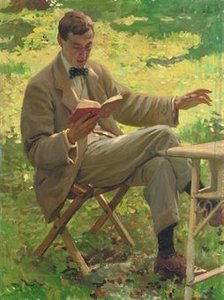
Alfred Munnings
1878 - 1959 , Wielka Brytania
Krótka nota
- Artistic Movement Or Style: Impressionizm
- Artists Or Movements Influenced By This Artist: ['Nowoczesność']
- Artists Who Influenced This Artist: ['Piotrowie Szkoła']
- Date Of Birth: 1878
- Date Of Death: 1959
- Full Name: Sir Alfred James Munnings
- Nationality: Brytyjski
- Notable Artworks:
- The Fancy Dress Ball
- A Piper
- Sky Study -
- Place Of Birth: Mendham Township, UK
Powiązane artykuły

Sir Alfred James Munnings: 25 Arcydzieł Malarstwa Koni i Angielskiej Wsi | OriginalUniqueArt.com
Odkryj 25 arcydzieł Sir Alfreda Jamesa Munningsa – mistrza malarstwa koni i angielskiego krajobrazu. Poznaj historię, technikę i piękno jego obrazów. Reprodukcje najwyższej jakości na OriginalUniqueArt.com! Eksploruj pełną kolekcję online.

Capturing Motion: The Timeless Beauty of Sir Alfred James Munnings' Equestrian Masterpieces
Discover the breathtaking equestrian mastery of Sir Alfred James Munnings. Explore an art-history journey through his impressionistic captures of motion, light, and rural elegance, perfect for the discerning classic art enthusiast and collector.

James Abbott McNeill Whistler: 25 Arcydzieł Sztuki Pejzażowej i Portretowej | OriginalUniqueArt
Odkryj 25 arcydzieł Jamesa Abbotta McNeilla Whistler'a! Poznaj historię impresjonistycznych pejzaży, portretów i słynnych 'Nokturnów'. Reprodukcje obrazów najwyższej jakości na OriginalUniqueArt.com – inspiracje dla Twojego wnętrza.
John Francis Sartorius II: Equestrian Elegance & the Rise of British Portraiture
Explore the captivating world of Francis Sartorius II (1734-1804), a leading British painter renowned for his exquisite equestrian portraits and hunting scenes. Discover his life, techniques & enduring legacy.
Alfred I. Glendening: Capturing Rural England's Poetic Essence
Explore the captivating rural landscapes of Alfred I. Glendening, a master of British sporting paintings. Discover his life, artistic style, and place within the American Regionalist movement. Expert insights & high-quality reproductions at OriginalUniqueArt.


