
 Podgląd w skali 1:1
 Wyślij jako kartkę
 Udostępnij
 Szczegóły dzieła
 Przewodnik

 Pobierz obraz
 Podobne obiekty
 RTG
RTG Pokaz slajdów
 Pytania i odpowiedzi
 Statystyki
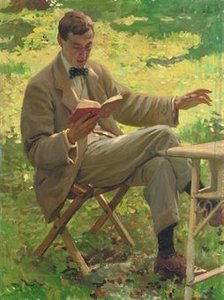
Study (verso)

- 33.0 x 41.0 cm


 Rozwiń treść
Otrzymaj plik gotowy do druku, którego jakość znacznie przewyższa podgląd internetowy. Każdy sprzedawany przez nas obraz cyfrowy pochodzi z wysokorozdzielczego pliku wzorcowego w naszej bazie — zazwyczaj o szerokości od 5 000 do 15 000 pikseli — dzięki czemu możesz drukować w dużym formacie, mocno kadrować lub z pełnym przekonaniem odwzorowywać najdrobniejsze detale.
Żaden plik nie opuszcza naszego studia bez odpowiedniej obróbki. Ekspert ds. cyfrowej edycji sprawdza zgodność kolorów z oryginałem i w razie potrzeby je koryguje, a następnie za pomocą profesjonalnych narzędzi do retuszu poprawia ostrość oraz szczegółowość — zawsze zachowując wierność pociągnięciom pędzla i stylowi artysty. Rezultatem jest obraz, który wygląda jak prawdziwe dzieło, a nie jak przefiltrowany skan.
Zatwierdzasz przed finalizacją zamówienia: nasz ekspert prześle obraz drogą mailową w ciągu 72 godzin do Twojego wglądu. Nie jesteś zadowolony? Poproś o poprawki lub korektę, bądź o zwrot kosztów, jeśli jakość nie spełnia oczekiwań.
To jakość, na której polegają wydawcy, studia projektowe, galerie oraz drukarnie.
Obraz cyfrowy
Pobierz plik o wysokiej rozdzielczości do osobistego użytku, druku oraz projektów kreatywnych. ( Przełącz na wydania drukowane Zamów ręcznie malowaną reprodukcję)
W każdym zamówieniu na obraz cyfrowy znajduje się
Profesjonalna dostawa cyfrowa z gwarancją
Wybierając OriginalUniqueArt.com, nie otrzymujesz jedynie obrazu – otrzymujesz profesjonalnie udoskonalone cyfrowe dzieło sztuki, stworzone z najwyższą precyzją i objęte gwarancją satysfakcji. Oto wszystko, co automatycznie dołączane jest do Twojego zamówienia:

Błyskawiczna wysyłka e-mailowa
Plik z obrazem cyfrowym w wysokiej rozdzielczości zostanie przesłany na Twój adres e-mail w ciągu 72 godzin od złożenia zamówienia – gotowy do natychmiastowego użycia.

Plik cyfrowy wzbogacony przez AI
Twoja grafika została profesjonalnie zoptymalizowana przy użyciu zaawansowanych narzędzi AI oraz ręcznej edycji, co zapewnia maksymalną szczegółowość, klarowność i wierność kolorów.

Darmowe ponowne przesyłki dożywotnio
Przypadkowo usunąłeś lub zgubiłeś swój plik? Bez obaw – prześlemy go Tobie ponownie w dowolnym momencie, bez żadnych opłat.

Bez opłat importowych – zawsze
Ciesz się swoją sztuką natychmiast, bez żadnych opłat celnych, należności ani kosztów dostawy – pliki cyfrowe są zawsze wolne od podatku.

Gwarancja wierności kolorów
Dzięki zastosowaniu profesjonalnych narzędzi i procesów zarządzania barwą zapewniamy, że Twoje cyfrowe zdjęcie odzwierciedla oryginalne kolory tak wiernie, jak to tylko możliwe.

Gwarancja satysfakcji przez 100 dni
Jeśli nie będziesz zadowolony ze swojego cyfrowego obrazu, dokonamy jego poprawki lub zwrócimy 100% kosztów w ciągu 100 dni – bez zbędnych pytań.

100% Gwarancja zwrotu pieniędzy
Nie jesteś zadowolony? Otrzymaj pełny zwrot kosztów w ciągu 100 dni od otrzymania pliku cyfrowego – bez zbędnych pytań.

Rabaty przy zamówieniach hurtowych
Kup 3 obrazy, oszczędź 10% - Kup 5, oszczędź 15% - Kup 10+, oszczędź 20%. Idealne do projektów kreatywnych, galerii i agencji.
The Enduring Charm of Munnings’s “Study (verso)”
Sir Alfred James Munnings's "Study (verso)" offers a captivating glimpse into the world of rural England, meticulously rendered with an artist deeply attuned to both observation and emotion. This unassuming sketch, executed in 1928, transcends its humble origins as a preliminary study for a larger painting – “Sir Thomas Robins Bolitho” – to become a poignant meditation on landscape, labor, and the vanishing traditions of the countryside. Munnings, already establishing himself as one of Britain’s foremost equine artists, was at this point navigating a crucial period of artistic evolution, moving beyond purely representational work towards a more atmospheric and emotionally resonant style. The piece isn't merely a depiction of a scene; it’s an evocation of a feeling – the quiet dignity of rural life, the rhythms of the seasons, and the enduring connection between man and beast.A Study in Light and Texture
The sketch itself is executed with remarkable economy of line and color. Munnings employs a loose, expressive brushstroke, prioritizing capturing the essence of light and texture over precise detail. The palette is muted yet vibrant, dominated by earthy browns, greens, and greys – colors that perfectly mirror the weathered tones of the Suffolk landscape. Notice how he uses short, broken strokes to suggest the rough bark of trees, the undulating contours of fields, and the worn surfaces of carts and buildings. The subtle variations in tone create a remarkable sense of depth and atmosphere, drawing the viewer into the scene with an almost tactile quality. The artist’s skill lies not just in his ability to render form but also in his capacity to imbue it with life and character.Echoes of Tradition and Social Commentary
“Study (verso)” is deeply rooted in the traditions of rural England, a subject that held a profound significance for Munnings. He was acutely aware of the changes sweeping across the countryside – the rise of industrialization, the decline of traditional farming practices, and the displacement of rural communities. The presence of the working men, depicted with a quiet dignity, speaks to this social context. They are not idealized figures; they are ordinary people engaged in their daily labor, reflecting a sense of resilience and connection to the land. The sketch subtly hints at a world on the cusp of transformation, capturing a fleeting moment before these traditions were irrevocably lost. The inclusion of the horse-drawn cart is particularly telling, symbolizing both the economic importance of agriculture and the reliance on animal power in a time before mechanization.Symbolism and Emotional Resonance
Beyond its documentary value, “Study (verso)” is rich in symbolic meaning. The muted colors and atmospheric perspective evoke a sense of melancholy – a recognition of the beauty that is fading away. The composition itself—a simple, unadorned scene—suggests a focus on essential values: hard work, community, and connection to nature. Munnings’s masterful use of light and shadow further enhances this emotional impact, creating a sense of quiet contemplation. The “verso” aspect of the sketch – often overlooked – adds another layer of intrigue, inviting us to consider the artist's creative process and his initial intentions for the larger work. It serves as a reminder that even in preliminary sketches, Munnings was already striving to capture something profound about the human condition.A Timeless Masterpiece
“Study (verso)” is more than just a sketch; it’s a testament to Munnings's artistic vision and his deep appreciation for the beauty of rural England. It stands as a poignant reminder of a bygone era, inviting us to reflect on the enduring values of tradition, community, and connection to nature. Reproductions of this evocative work offer a unique opportunity to bring a touch of timeless charm into any space, capturing the spirit of a vanishing world with exquisite detail and emotional resonance.Pytania i odpowiedzi
Jak zbudowana jest kompozycja kolorystyczna „Study (verso)” – Alfred Munnings?
Kompozycja kolorystyczna „Study (verso)” – Alfred Munnings łączy w sobie Serene kontrast z Unified Palette harmonią.
Czy dzieło "Study (verso)" jest dostępne jako wysokiej jakości wydruk artystyczny?
Odbitkę dzieła „Study (verso)” – Alfred Munnings można zamówić bezpośrednio na stronie Wydruk artystyczny premium: szlachetna odbitka na płótnie bawełnianym lub archiwalnym papierze o strukturze płótna.
Kto stworzył "Study (verso)" i w jakim stylu jest to dzieło?
Alfred Munnings stworzył "Study (verso)", reprezentujące nurt Tonal Impressionism.
Biografia artysty
A Life Immersed in Equine Grace
Sir Alfred James Munnings, a name inextricably linked to the vibrant depiction of horses and the romantic allure of rural England, occupies a pivotal position within 20th-century British art. Born in 1878 amidst the rolling landscapes of Suffolk, his life was profoundly shaped by an enduring connection with the equine world – a bond that would define his artistic vision and propel him to prominence. Munnings wasn’t simply recording what he saw; he was preserving a feeling, an atmosphere, a world poised on the brink of irreversible change. He captured a vanishing way of life, a keenly observed portrait of Britain steeped in tradition, hunting, and the rhythms of the countryside. His work stands as a testament to his deep appreciation for the beauty of the English landscape and the magnificent creatures that inhabit it.From Rural Beginnings to Artistic Development
Munnings’s artistic journey began not within the formal confines of an academy, but in the practical world of a Norwich printing house. This apprenticeship honed his skills in design and observation while simultaneously allowing him to pursue studies at the Norwich School of Art. It was a formative period, instilling a discipline that would serve him well as he navigated the challenges of establishing himself as an artist. Early influences included the plein air painters of the Newlyn School in Cornwall, where he embraced their commitment to capturing light and atmosphere directly from nature. This immersion in Impressionistic techniques laid the groundwork for his signature style – loose brushwork, a vibrant palette, and a palpable sense of movement. His early works often depicted rural scenes, particularly those featuring gypsies and horses roaming the Suffolk countryside, imbued with a romantic sensibility that showcased his growing mastery of color and light. These paintings weren’t merely representations; they were expressions of a deep affection for the land and its inhabitants. The influence of artists like Frederic Leighton is evident in the idealized beauty of some of these early works, yet Munnings quickly developed his own distinctive style, prioritizing observation and capturing the essence of rural life over strict academic conventions.War, Recognition, and a Champion of Tradition
The First World War profoundly shaped both Munnings's artistic perspective and his public profile. Though initially deemed unfit for combat, he served as an official war artist with the Canadian Cavalry Brigade, documenting the vital role horses played in the conflict. This experience brought him face-to-face with the harsh realities of war – the suffering, the loss, and the enduring bond between humans and animals. His paintings from this period are not glorifications of battle, but poignant reflections on sacrifice and resilience, capturing a somber beauty amidst devastation. The images he produced during this time are considered some of his most powerful and emotionally resonant works. Following the war, Munnings’s reputation soared. Prestigious commissions poured in, allowing him to acquire Castle House, a magnificent estate in Dedham, Essex – a property that would become both his home and studio for the remainder of his life. He became a sought-after portraitist, capturing the likenesses of prominent figures from the aristocracy and racing world. His ability to convey not only physical resemblance but also character and spirit cemented his reputation as one of Britain’s leading artists. However, Munnings was also a staunch defender of traditional artistic values, often expressing his views with passionate conviction.A Controversial Voice and Enduring Legacy
Munnings's artistic philosophy was deeply rooted in tradition, and he became a vocal critic of the burgeoning modernist movements that were challenging conventional notions of art. His famous – and often controversial – 1949 BBC radio broadcast saw him launch a scathing attack on Cubism and Surrealism, delivered with characteristic candor (and reportedly fueled by alcohol). While his remarks sparked outrage among proponents of modern art, they also resonated with those who valued representational painting and the enduring power of artistic skill. He wasn’t simply resisting change for its own sake; he believed in the importance of preserving artistic standards and celebrating beauty in its traditional forms. This conviction culminated in his election as President of the Royal Academy in 1944, a position he held until 1949, solidifying his status within the British art establishment. He was knighted Bachelor in 1944 and appointed a Knight Commander of the Royal Victorian Order in 1947, further acknowledging his contributions to the nation’s cultural life. Sir Alfred James Munnings left behind a vast and compelling body of work that continues to captivate audiences today. His paintings offer a window into a bygone era – a world of horses, hunting, and rural landscapes that has largely disappeared. The Munnings Art Museum, established by his wife Violet at Castle House, serves as a testament to his enduring legacy, preserving his art and providing a space for future generations to appreciate his unique vision. Beyond the technical brilliance of his paintings, it is Munnings’s ability to evoke emotion that truly sets him apart. He captured not just the physical beauty of horses, but also their spirit, their power, and their connection to the human heart. His work remains a powerful reminder of the enduring appeal of representational painting and the importance of preserving artistic traditions in an ever-changing world.Major Achievements
- Royal Academy President: Elected President of the Royal Academy in 1944, serving until 1949.
- Knighthood: Knighted Bachelor in 1944 and appointed a Knight Commander of the Royal Victorian Order in 1947.
- War Artist Commissions: Recognized for his work documenting the Canadian Cavalry during WWI.
- Sculptural Work: Created sculptures, including an equestrian statue of Edward Horner.
Alfred Munnings
1878 - 1959 , Wielka Brytania
Krótka nota
- Artistic Movement Or Style: Impressionizm
- Artists Or Movements Influenced By This Artist: ['Nowoczesność']
- Artists Who Influenced This Artist: ['Piotrowie Szkoła']
- Date Of Birth: 1878
- Date Of Death: 1959
- Full Name: Sir Alfred James Munnings
- Nationality: Brytyjski
- Notable Artworks:
- The Fancy Dress Ball
- A Piper
- Sky Study -
- Place Of Birth: Mendham Township, UK