Contemporary Minimalism · 2010
Untitled (Rudolf Stingel, 2010)
Rudolf Stingel (1956) stworzył Untitled. Dzieło pochodzi z 2010. Należy do nurtu Contemporary Minimalism. Wykonano w technice Acrylic On Canvas. Przechowywane jest w Pałac Grassi w Wenecja, Włochy. Wymiary to 40 × 33 cm.
- 2010
- Acrylic On Canvas
- 40 × 33 cm
- Pałac Grassi, Wenecja

 Podgląd w skali 1:1

 Ręcznie malowany obraz olejny
 Wyślij jako kartkę
 Udostępnij
 Karta informacyjna


 Pobierz obraz
 Podobne obiekty
 RTG
 Pokaz slajdów
 Pytania i odpowiedzi

 Statystyki
Untitled w skrócie
- Tytuł
- Untitled
- Artysta
- Rudolf Stingel (1956)
- Miejsce urodzenia artysty
- Meran, Włochy
- Data powstania
- 2010
- Technika wykonania
- Acrylic On Canvas
- Wymiary
- 40 × 33 cm
- Gdzie można je zobaczyć
- Pałac Grassi, Wenecja, Włochy
- Temat
- texture, monochrome, sculpture, rhino, geometric, impasto
Co przedstawia Untitled?
Rudolf Stingel’s ‘Untitled’: A Dialogue Between Medieval Iconography and Industrial Texture
Rudolf Stingel's oeuvre defies easy categorization, presenting an artist who consistently interrogates the boundaries between art and everyday life. His work isn’t merely aesthetically pleasing; it compels viewers to contemplate their own perceptions of beauty and artistic process—a deliberate provocation that distinguishes him from many contemporary practitioners. This essay delves into the conceptual core of ‘Untitled,’ examining its striking monochrome sculpture, exploring its fusion of disparate influences, and uncovering the profound emotional resonance embedded within its textured surface.The Sculpture’s Genesis: Material Transformation
Stingel's artistic approach begins with a radical reimagining of conventional materials. Rather than relying on traditional mediums like oil paint or marble, he utilizes industrial components—primarily styrofoam and cast polyurethane—to construct monumental sculptures that challenge preconceived notions about artistic expression. This deliberate selection speaks to Stingel’s fascination with the intersection between craft and industry, mirroring the broader cultural shift towards embracing repurposed materials and questioning established hierarchies within the art world. The process itself is equally significant: Stingel meticulously carves out geometric forms from these blocks of polyurethane, imprinting them with intricate patterns reminiscent of medieval iconography—a deliberate juxtaposition designed to disrupt visual expectations.Medieval Echoes: Symbolism and Iconographic Influence
The sculpture’s surface bears unmistakable traces of religious symbolism. Recurring motifs – crosses, halos, and stylized figures – echo the traditions of European art history, specifically referencing Byzantine icons and Renaissance frescoes. Stingel isn't attempting a literal representation; instead, he employs these symbols as points of reference to stimulate contemplation about faith, spirituality, and the enduring power of visual imagery. This layering of references elevates ‘Untitled’ beyond mere sculptural form, transforming it into a vehicle for conveying complex ideas about cultural heritage and artistic interpretation. The artist’s intention is not simply to reproduce recognizable images but to engage in a dialogue with art history itself.Texture as Emotional Resonance: Technique and Material Exploration
The sculpture's surface possesses an extraordinary tactile quality—a deliberate departure from the smooth, polished finishes typical of classical sculpture. Stingel employs a technique known as ‘carving out,’ where he removes material from the polyurethane block to reveal underlying textures that are then painstakingly smoothed and polished. This process creates surfaces that appear both monumental and subtly vulnerable, mirroring the artist’s exploration of materiality as an expressive medium. The resulting texture is deliberately uneven, capturing the marks of the carving process and emphasizing the physicality of the artwork—a conscious decision to counteract the perceived detachment of abstract sculpture and foster a connection between viewer and object.A Reflection on Perception: Artistic Intent
Ultimately, ‘Untitled’ serves as a meditation on how we perceive art and its relationship to our environment. Stingel's masterful manipulation of industrial material alongside classical iconography compels us to reconsider what constitutes beauty and artistic significance. The sculpture invites viewers to engage in an active process of interpretation—to consider the interplay between tradition and innovation, materiality and symbolism. It’s a testament to Stingel’s belief that art should provoke thought and emotion, pushing beyond mere visual gratification toward a deeper understanding of human experience.Concluding Thoughts: Beyond Representation
‘Untitled’ exemplifies Stingel's commitment to conceptual painting and installations—a genre characterized by its focus on ideas rather than literal depictions. He prioritizes the process of creation itself, demonstrating how readily available materials can be transformed into artworks that resonate with profound emotional depth. By juxtaposing industrial texture with religious iconography, Stingel compels us to confront our assumptions about art’s role in shaping cultural consciousness—a legacy that secures his place as one of the most distinctive voices in contemporary sculpture.W którym muzeum znajduje się Untitled?
Pałac Grassi
Wenecja, Włochy
Wenecjajskie arcydzieło w nowym wydaniu: Dusza Palazzo Grassi W samym sercu Wenecji, gdzie Canal Grande szepcze tajemnice dawno minionego morskiego imperium, wznosi się Palazzo Grassi — budowla będąca zapierającym dech w piersiach mostem między klasyczną elegancją osiemnastego wieku a prowokującym pulsem ery współczesnej. Przekroczenie jego progu to wejście w przestrzeń, w której historia nie tylko zamieszkuje przeszłość, ale aktywnie prowadzi dialog z teraźniejszością. Pierwotnie zaprojektowany przez architekta Giorgio Massariego dla arystokratycznej rodziny Grassi, palazzo miał stanowić wyrafinowaną manifestację neoklasycystycznego przepychu.


Zdjęcia w wysokiej rozdzielczości dzieła Untitled

Protected by copyright: these files are for personal reference, not a licence to republish.
Rudolf Stingel, Untitled (2010), Pałac Grassi.
Odpowiedzi na pytania dotyczące Untitled
Gdzie można obecnie zobaczyć dzieło „Untitled” – Rudolf Stingel?
Oryginał dzieła „Untitled” – Rudolf Stingel znajduje się w Pałac Grassi, Wenecja, Włochy. Reprodukcja pozwala na eksponowanie pracy w domu.
W którym roku powstało dzieło „Untitled” – Rudolf Stingel?
„Untitled” – Rudolf Stingel powstało w 2010.
W jakiej technice wykonano „Untitled” – Rudolf Stingel?
„Untitled” wykonano w technice Acrylic On Canvas.
Jakie są rzeczywiste wymiary dzieła „Untitled” – Rudolf Stingel?
Wymiary dzieła „Untitled” – Rudolf Stingel to 33 x 40 cm. Reprodukcje można zamówić w innych rozmiarach, zachowując te same proporcje.
Co przedstawia "Untitled"?
„Untitled” – Rudolf Stingel przedstawia: texture, monochrome, sculpture, rhino, geometric, impasto, religion.
Czy obraz „Untitled” – Rudolf Stingel można swobodnie reprodukować?
Status praw autorskich dla „Untitled” – Rudolf Stingel: dzieło znajduje się w nadal objęte ochroną prawa autorskiego. Określa to, czy reprodukcje obrazu mogą być sporządzane swobodnie.
Kto stworzył "Untitled"?
Autorem dzieła „Untitled” jest Rudolf Stingel. Praca ta figuruje w katalogu pod nazwiskiem Rudolf Stingel.
Do jakiego nurtu należy "Untitled"?
„Untitled” – Rudolf Stingel należy do nurtu Contemporary Minimalism. Nurt ten stanowi stylistyczny kontekst dzieła.
Do którego okresu twórczości Rudolf Stingel należy dzieło „Untitled”?
W dorobku artystycznym Rudolf Stingel dzieło „Untitled” przypada na Late Period. Ten etap pozwala zestawić je z innymi pracami twórcy.
O artyście: Rudolf Stingel
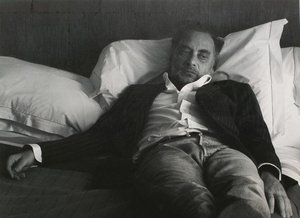
1956, Włochy
Rudolf Stingel
Rudolf Stingel: Biografia Miejsce urodzenia: Merano, Włochy (1956) Miejsce zamieszkania: Nowy Jork Narodowość: Włoska Wczesne lata i artystyczny rozwój Rudolf Stingel wyłonił się jako niezwykle istotna postać na scenie artystycznej późnych lat 80. Początkowo rozpoznawalny dzięki swoim monochromatycznym płótnom, tworzył dzieła – głównie w latach 1987–1994 – charakteryzujące się srebrzystymi powierzchniami z subtelnymi podtonami czerwieni, żółci lub błękitu. Ten wczesny okres ugruntował zainteresowanie Stingela badaniem relacji między powierzchnią a percepcją. Jego artystyczna droga nabrała przełomowego tempa w latach 90., kiedy zaczął eksperymentować z bardziej żywymi kolorami i bogatszymi teksturami.
Eseje o Untitled
 Spontaneity and Matter: Distinguishing CoBrA from Art InformelMaster the differences between CoBrA and Art Informel with our expert guide. Learn to identify these post-war movements today.
 10 Iconic Masterpieces Defining the Contemporary Art EraExplore 10 iconic works defining the contemporary era. Discover museum-quality masterpieces on OriginalUniqueArt.com.
 Color & Emotion: The 25 Most Iconic Masterpieces by Mark RothkoImmerse yourself in the profound emotion of Abstract Expressionism. Explore 25 iconic Mark Rothko masterpieces, from his signature color fi…