Post-Impressionism · 1924
Mount Stephen, Devon (Robert Bevan, 1924)
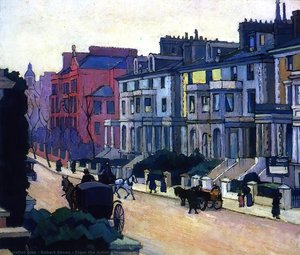
Robert Bevan (1865–1925) stworzył Mount Stephen, Devon. Dzieło pochodzi z 1924. Należy do nurtu Post-Impressionism. Wykonano w technice Oil On Canvas. Wymiary to 56 × 76 cm.
- 1924
- Oil On Canvas
- 56 × 76 cm

 Podgląd w skali 1:1

 Ręcznie malowany obraz olejny
 Wyślij jako kartkę
 Udostępnij
 Karta informacyjna


 Pobierz obraz
 Podobne obiekty
 RTG
 Pokaz slajdów
 Pytania i odpowiedzi

 Statystyki
Mount Stephen, Devon w skrócie
- Tytuł
- Mount Stephen, Devon
- Artysta
- Robert Bevan (1865–1925)
- Miejsce urodzenia artysty
- Hove, Wielka Brytania
- Data powstania
- 1924
- Technika wykonania
- Oil On Canvas
- Wymiary
- 56 × 76 cm
- Epoka
- Modern
- Temat
- devon village, rural england, coastal scene, british art, village life, impressionism
Co przedstawia Mount Stephen, Devon?
Identification of Mount Stephen, Devon
Mount Stephen, Devon is an oil on canvas painting by the artist Robert Bevan. This work was created in 1924. The piece measures 56 x 76 cm. It depicts a scene in Devon, England, featuring a red brick building in the foreground and two figures standing outside the structure.
The subject matter focuses on a small village setting. The composition includes residential architecture, specifically houses with thatched roofs, chimneys, and windows. Two people are positioned on the sidewalk, engaged in conversation. The perspective is slightly elevated, looking down a sloping street toward the sea. The sky is covered by clouds, which creates diffused lighting across the scene. This lighting casts soft shadows and highlights the various colors present in the village architecture and the surrounding landscape.
The Composition and Visual Elements
The composition presents a balanced arrangement of clustered buildings situated under a cloudy sky. The perspective is slightly elevated, looking down a sloping street that leads toward the sea. In the foreground, a red brick building anchors the scene. Two people stand outside this structure, positioned on the sidewalk near the architecture. The subject matter focuses on residential architecture, including houses characterized by thatched roofs, chimneys, and windows.
The arrangement of the village in Devon, England, relies on a series of rectangular shapes and organic lines. The rooflines of the houses create a structured pattern against the sky. Lines define the edges of the buildings, while the sloping street provides a sense of depth through atmospheric perspective. Distant elements appear paler and less distinct, establishing a clear recession into the background. The lighting is diffused by the overcast sky, casting soft shadows across the surfaces of the buildings and the street.
Technique and Artistic Style
The style of this work is reminiscent of the Post-Impressionist movement. It utilizes bold colors and geometric shapes to define the architecture and the landscape. The composition relies on rectangular forms for the buildings and organic shapes for the roofs. Visible brushstrokes are used throughout the piece, creating a sense of texture. On the walls and roofs, the paint appears thick and impasto-like, suggesting a deliberate layering of the medium.
The lighting in the scene is diffused, a result of the overcast sky. This soft light avoids harsh shadows and instead highlights the various colors across the village. Depth is achieved through the use of atmospheric perspective, where distant elements appear paler and less distinct than those in the foreground. This technique establishes a sense of space between the red brick building in the front and the elements further back in the composition.
Related Works by Robert Bevan
The artist's engagement with the Devon landscape is evident in other compositions from different periods. Landscape in the Blackdown Hills, Devon was painted in 1917. This work focuses on the rolling topography and the relationship between the land and the sky. Other depictions of the region include Devonshire Valley, No. 2, which was painted in 1913. This piece features a sweeping vista of a verdant valley where a small stone cottage with a pink-hued roof sits among dark trees.
Earlier works also demonstrate the artist's interest in atmospheric conditions and specific technical approaches. Haze over the Valley was created in 1913. In different studies, the artist utilized a divisionist technique, as seen in The Turn-Rice Plough. These varied approaches to color and form reflect a career spent exploring the structural elements of the English countryside and the application of light across different terrains.
Zdjęcia w wysokiej rozdzielczości dzieła Mount Stephen, Devon

Domena publiczna: artysta zmarł w 1925.
Inne rozmiary, kadrowanie i cytowanie →Robert Bevan, Mount Stephen, Devon (1924).
Robert Bevan (1865–1925), Mount Stephen, Devon, 1924, oil on canvas. Domena publiczna Źródło obrazu: OriginalUniqueArt.com.
Odpowiedzi na pytania dotyczące Mount Stephen, Devon
W którym roku powstało dzieło „Mount Stephen, Devon” – Robert Bevan?
Powstanie „Mount Stephen, Devon” – Robert Bevan datuje się na 1924.
W jakiej technice wykonano „Mount Stephen, Devon” – Robert Bevan?
Technika wykonania dzieła „Mount Stephen, Devon” – Robert Bevan to Oil On Canvas. Reprodukcje mają na celu wierne oddanie wyglądu tej techniki.
Jakie są rzeczywiste wymiary dzieła „Mount Stephen, Devon” – Robert Bevan?
Oryginalny utwór „Mount Stephen, Devon” – Robert Bevan ma wymiary 56 x 76 cm.
Co przedstawia „Mount Stephen, Devon” – Robert Bevan?
Tematyka obecna w „Mount Stephen, Devon” – Robert Bevan obejmuje devon village, rural england, coastal scene, british art, village life, impressionism, colorful painting. Razem stanowią one podsumowanie tematyki dzieła.
Czy obraz „Mount Stephen, Devon” – Robert Bevan można swobodnie reprodukować?
„Mount Stephen, Devon” – Robert Bevan znajduje się w domenie publicznej (należy do domeny publicznej – autorskie prawa majątkowe wygasły). Status ten określa zasady reprodukcji obrazu tego dzieła.
Kto stworzył "Mount Stephen, Devon"?
Autorem dzieła „Mount Stephen, Devon” jest Robert Bevan. Praca ta figuruje w katalogu pod nazwiskiem Robert Bevan.
Do jakiego nurtu artystycznego należy „Mount Stephen, Devon” – Robert Bevan?
„Mount Stephen, Devon” to dzieło należące do nurtu Post-Impressionism. Nurt ten określa tradycję artystyczną, w której osadzone jest dzieło.
Do którego okresu twórczości Robert Bevan należy dzieło „Mount Stephen, Devon”?
"Mount Stephen, Devon" reprezentuje Mature Period twórczości Robert Bevan.
Ile lat miał(a) Robert Bevan, tworząc "Mount Stephen, Devon" w 1924 roku?
Robert Bevan miał 59 lat w momencie powstania „Mount Stephen, Devon” w 1924. Wiek ten obliczono na podstawie roku urodzenia artysty, 1865.
O artyście: Robert Bevan

1865–1925, Wielka Brytania
Robert Bevan
Robert Polhill Bevan (1865–1925): British Painter & Camden Town Group Founder Robert Polhill Bevan, born in Hove in 1865, occupies a pivotal yet often understated position within the narrative of early 20th-century British art. Emerging from a Quaker background steeped in banking connections – his parents were Richard Alexander Bevan and Laura Maria Polhill – he defied conventional expectations to become a daring innovator, a key figure in the transition from Impressionism towards more radical explorations of color and form. His journey was one of constant experimentation, absorbing influences from across Europe while forging a distinctly personal artistic vision that would profoundly impact the development of modern art in Britain. Bevan’s early education at Westminster School of Art under Fred Brown provided a solid foundation, but it was his subsequent studies at the Académie Julian in Paris that truly ignited his creative spark.
Inne prace Robert Bevan
 From the Artist's Window1915
 Horse Dealers (Sale at Ward's Repository No.1)1918
 Devonshire Valley, No. 21913
 Landscape in the Blackdown Hills, Devon1917

Eseje o Mount Stephen, Devon
 10 Stunning Paintings of Rolling Hills and Earthy LandscapesGeorgia O'Keeffe used the sweeping curves of New Mexico to map the soul. Was the desert landscape actually a hidden self-portrait?
 25 Essential Works by Pierre Puvis de Chavannes: A Visual GuidePierre Puvis de Chavannes used muted palettes in 25 works between 1856 and 1888, including The Poor Fisherman and The Beheading of Saint Jo…
 Masterpieces of Light: The Top 25 Bernardo Bellotto ArtworksBernardo Bellotto moved beyond the bright palettes of his uncle Canaletto to embrace a restrained, atmospheric realism. Compare twenty-five…