() ·

Obraz stworzony dla Ciebie, własnoręcznie

Chabot Valley

Ręcznie malowana reprodukcja olejowa

Ręcznie malowany obraz olejny na płótnie, wykonany na zamówienie przez naszych artystów w wybranym przez Ciebie wymiarze i oprawie. ( Przełącz na wydania drukowane Przejdź do wersji cyfrowej)

Opis obiektu

Experience Richard Diebenkorn's 'Chabot Valley,' a vibrant oil painting capturing California’s landscape with bold brushstrokes and abstract forms. Explore his iconic style!

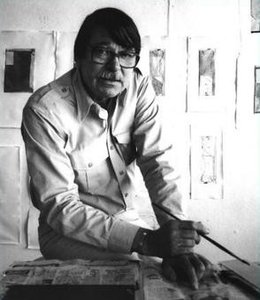
Biografia artysty

Richard Diebenkorn: Kalifornijski abstrakcyjny malarz słynący z Ocean Park i Bay Area Figurative Movement! Odkryj jego liryczne abstrakcje oraz piękno amerykańskiej sztuki współczesnej.

od ·

Rozdział 1

Jak duży powinien być ten format?

Przesuń suwak, aby zmienić rozmiar; obraz po lewej stronie przedstawia ramę w jej rzeczywistej szerokości. Zachowano proporcje oryginału.

Standardowy format
personalizowane
CM
INCH

Wybierz spośród naszych standardowych rozmiarów, które zachowują oryginalne proporcje dzieła sztuki.

szerokość
wysokość

Wpisz wymaganą szerokość i wysokość, aby obraz pasował do Twojej ramy lub ściany. Ponieważ jest to dzieło malowane ręcznie, w przypadku rozmiaru o innych proporcjach artysta może domalować nieco więcej wokół obrazu lub przyciąć jego fragmenty — wybór należy do Ciebie. Przed rozpoczęciem pracy prześlemy Ci cyfrową wizualizację do zatwierdzenia. Obraz widoczny na tej stronie nie przedstawia rzeczywistego efektu — jedynie wizualizacja oddaje realny rezultat.

Rozdział 2

W jaki sposób ma zostać dostarczone?

Wybierz krawędzie płótna naciągniętego na ramę

Wybierz ramę

Corner sample of the WhiteWrap canvas edge finish, stretched on lite drewno bars
Białe krawędzie zł1
Corner sample of the BlurSideWrap canvas edge finish, stretched on lite drewno bars
rozmyte krawędzie zł1
Corner sample of the ExtendedWrap canvas edge finish, stretched on lite drewno bars
Przedłużony zł1
Corner sample of the P118B picture frame: polistyren formowany, 5 cm wide and 3 cm thick
P118B zł10
Corner sample of the P118H picture frame: polistyren formowany, 5 cm wide and 3 cm thick
P118H zł10
Corner sample of the P118W picture frame: polistyren formowany, 5 cm wide and 3 cm thick
P118W zł10
Corner sample of the P438Z picture frame: polistyren formowany, 5.5 cm wide and 3.5 cm thick
P438Z zł10
Corner sample of the P508JH picture frame: polistyren formowany, 7 cm wide and 3.5 cm thick
P508JH zł12
Corner sample of the P508YH picture frame: polistyren formowany, 7 cm wide and 3.5 cm thick
P508YH zł12
Corner sample of the P805H picture frame: polistyren formowany, 5 cm wide and 3.5 cm thick
P805H zł10
Corner sample of the P805Z picture frame: polistyren formowany, 5 cm wide and 3.5 cm thick
P805Z zł10
Corner sample of the P919BZ picture frame: polistyren formowany, 7 cm wide and 3.5 cm thick
P919BZ zł10
Corner sample of the P919G picture frame: polistyren formowany, 7 cm wide and 3.5 cm thick
P919G zł10
Corner sample of the P919XJ picture frame: polistyren formowany, 7 cm wide and 3.5 cm thick
P919XJ zł10
Corner sample of the P959ZH picture frame: polistyren formowany, 5 cm wide and 3 cm thick
P959ZH zł10
Corner sample of the P968JZ picture frame: polistyren formowany, 6 cm wide and 4 cm thick
P968JZ zł12
Corner sample of the W106C picture frame: lite drewno, 5 cm wide and 3 cm thick
W106C zł8
Corner sample of the W218G picture frame: lite drewno, 5 cm wide and 3 cm thick
W218G zł10
Corner sample of the W218JH picture frame: lite drewno, 5 cm wide and 3 cm thick
W218JH zł8
Corner sample of the W218Y picture frame: lite drewno, 5 cm wide and 3 cm thick
W218Y zł10
Corner sample of the W307PJ picture frame: lite drewno, 6 cm wide and 3 cm thick
W307PJ zł10
Corner sample of the W316G picture frame: lite drewno, 6 cm wide and 3 cm thick
W316G zł10
Corner sample of the W316PJ picture frame: lite drewno, 6 cm wide and 3 cm thick
W316PJ zł8
Corner sample of the W316Y picture frame: lite drewno, 6 cm wide and 3 cm thick
W316Y zł10
Corner sample of the W398PJ picture frame: lite drewno, 5 cm wide and 3 cm thick
W398PJ zł8
Corner sample of the W4111J picture frame: lite drewno, 6.5 cm wide and 3.5 cm thick
W4111J zł10
Corner sample of the W500HY picture frame: lite drewno, 7 cm wide and 5 cm thick
W500HY zł15
Corner sample of the W500JH picture frame: lite drewno, 7 cm wide and 5 cm thick
W500JH zł15
Corner sample of the W692G picture frame: lite drewno, 8 cm wide and 4 cm thick
W692G zł12
Corner sample of the W849H picture frame: lite drewno, 5 cm wide and 3 cm thick
W849H zł8
Corner sample of the W940BG picture frame: lite drewno, 7.5 cm wide and 4.5 cm thick
W940BG zł15
Corner sample of the W953PJ picture frame: lite drewno, 6 cm wide and 3.5 cm thick
W953PJ zł8
Corner sample of the H24-GOLD picture frame: rzeźbione drewno pokryte gipsem, 10 cm wide and 6 cm thick
H24-GOLD zł30
Corner sample of the H24-SILVER picture frame: rzeźbione drewno pokryte gipsem, 10 cm wide and 6 cm thick
H24-SILVER zł30
Corner sample of the H36-GOLD picture frame: rzeźbione drewno pokryte gipsem, 15 cm wide and 6.5 cm thick
H36-GOLD zł45
Corner sample of the H36-SILVER picture frame: rzeźbione drewno pokryte gipsem, 15 cm wide and 6.5 cm thick
H36-SILVER zł45

Profil: . Wymiar całkowity w ramie: .

Rozdział 3

Kto go maluje i czy coś powinno ulec zmianie?

Przykłady możliwych zmian: Zastąpienie twarzy zdjęciem klienta; Dodanie zwierzęcia (np. zamiana kota na psa); Ukrycie wiadomości w tle; Zmiana krajobrazu lub elementów tła.
Po złożeniu zamówienia zespół OriginalUniqueArt.com skontaktuje się z klientem drogą mailową w celu uzyskania instrukcji i prześle podgląd projektu

Dostawa na całym świecie () w ciągu 3–4 tygodni zamiast standardowych 5 tygodni. (6 Listopad). Bez kompromisów w kwestii jakości.

Rozdział 4

Ostatnie szlify

Tabliczka informacyjna, jak w muzeum?

Szczegóły grawerowanej brązowej tabliczki

This elegant plaque features the artist's name and the title of the artwork, finely engraved for a timeless presentation.

It is made from bronze with a refined, elegant finish. The text is precisely laser-engraved for a sharp and permanent result. Measuring 9x2 cm, the plaque is compact yet easy to read. It's built to be durable and scratch-resistant, offering a professional, museum-quality look. Mounting is simple thanks to the included adhesive backing.

Szczegóły przezroczystej tabliczki akrylowej

The plaque includes essential engraved details such as the artist's name, the title of the artwork, the date it was created, the type of media used-like oil on canvas or watercolor-a brief description of the piece, and a QR code that links to the complete artwork information.

It is crafted from clear acrylic, offering a sleek, modern appearance. The text is UV-engraved in black to ensure strong visual contrast. With a size of 10x15 cm, it ensures optimal readability. It comes equipped with two metal hooks for secure wall mounting. The plaque is designed to be weather-resistant, making it suitable for various environments, and it includes interactive features that work seamlessly with smartphone scanning.

Szczegóły czarnej tabliczki akrylowej

This elegant plaque includes engraved information such as the artist's name, the title of the artwork, the date it was created, the type of media used (like oil on canvas or watercolor), a short description of the artwork, and a QR code for quick access to more information.

The plaque itself is made from refined black acrylic with a premium finish. The text is laser-engraved in white for high contrast and readability. Its size is 10x15 cm, designed to be easy to read. It comes with two metal hooks for professional mounting. The design is sleek and fits any interior style. It is also weather-resistant and durable, with built-in digital integration for mobile compatibility.

Werniks ochronny?

Kiedy potrzebujesz dostawy?

Rozdział 5

Twoje dzieło, dokładnie tak, jak zamówiłeś

Chabot Valley

Technika reprodukcji

Wymiary reprodukcji

-

Wybitny mistrz artystyczny

Większa szczegółowość, finezja i dodatkowy czas na realizację

-

Opcje oprawy reprodukcji

-

-

W przypadku dzieł sztuki lub reprodukcji, których którykolwiek z boków przekracza 105 cm (około 41 cali), rama zostanie wysłana w formie zestawu do samodzielnego montażu. Metoda ta zapewnia bezpieczną dostawę i zapobiega uszkodzeniom podczas transportu.

Wymagany profesjonalny montaż – nie jest to produkt typu DIY.
Zestaw musi zostać złożony, a płótno naciągnięte przez doświadczonego profesjonalnego ramiarza, przy użyciu kleju do drewna (brak w zestawie), kleszczy do naciągania płótna oraz ścisków, które utrzymają krosna w równej pozycji podczas schnięcia kleju. Nieprawidłowy montaż lub nierównomierne napięcie płótna może trwale uszkodzić dzieło sztuki i nie podlega naszej gwarancji.

  • W zestawie znajdują się wszystkie listwy z litego drewna, precyzyjnie docięte do wymiarów.

  • Montaż odbywa się przy użyciu dołączonych wkrętów oraz kleju do drewna do łączenia narożników, którego zestaw nie zawiera i który musi zostać dostarczony przez ramiarza.

  • Wymagane są profesjonalne narzędzia, których nie ma w zestawie: kleszcze do naciągania płótna (napinacz) oraz zaciski, które pozwolą utrzymać listwy w równej pozycji podczas schnięcia kleju.

Ważne:
Do połączenia narożników niezbędny jest klej do drewna, listwy należy unieruchomić za pomocą ścisków do momentu całkowitego wyschnięcia kleju, a naciągnięcie płótna na złożoną ramę wymaga użycia kleszczy do naciągania płótna. Żaden z tych elementów nie jest dołączony do zestawu. Przed zamówieniem tego rozmiaru zalecamy konsultację z doświadczonym ramiarzem.

Etykieta obiektu

-

-

Lakier ochronny

Lakier z połyskiem (pogłębia kolory, chroni przed światłem i wilgocią)

-

Personalizacja dzieła

Przykłady możliwości personalizacji: zastąp twarz zdjęciem klienta; dodaj zwierzę domowe (np. zamień kota na psa); umieść ukrytą wiadomość w tle; zmień krajobraz lub elementy tła.

-

Ekspresowa

Dostawa na cały świat () w ciągu 3–4 tygodni zamiast standardowych 5 tygodni. (6 Listopad). Bez kompromisów w kwestii jakości.

-

Przesyłka ekspresowa

Dostawa na cały świat () w ciągu 5 tygodni. (13 Listopad).

W cenie

Cena całkowita

zł 1174

Suma całkowita zł 1174

Opcja ze szkłem jest dostępna wyłącznie w rozmiarach poniżej 110 cm

W każdym zamówieniu

  • Bezpłatna ekspresowa wysyłka na cały świat
  • Wysokiej jakości płótno lniane
  • Pełne ubezpieczenie przesyłki
  • Gwarancja zwrotu należności celnych i podatków importowych
  • Gwarancja wiernego odwzorowania kolorów
  • 100-dniowa polityka zwrotów (tylko w przypadku wad)
  • Gwarancja 100% zwrotu pieniędzy
  • Zniżka przy zakupie wielu sztuk

Chabot Valley: A Lyrical Landscape by Richard Diebenkorn

  • Artist: Richard Diebenkorn
  • Year: 1955
  • Medium: Oil on Canvas

“Chabot Valley” is a captivating oil painting by Richard Diebenkorn, exemplifying his signature style within the Bay Area Figurative Movement. This artwork presents a semi-abstracted landscape scene, capturing the essence of California’s beauty with a dynamic and expressive approach. It's more than just a depiction of a valley; it's an exploration of color, form, and feeling.

Composition and Technique: A Fragmented Vision

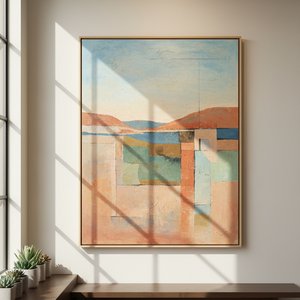
Diebenkorn abandons traditional perspective in "Chabot Valley," creating a composition that feels both familiar and disorienting. Shapes are flattened and layered, overlapping to generate visual complexity rather than spatial realism. The eye is drawn across the canvas by bold brushstrokes and unexpected juxtapositions of color. A striking dark vertical element—likely representing a telephone pole—dominates the right side, acting as an anchor amidst the fragmented landscape. Houses cluster in the mid-ground, fields stretch towards a horizon suggested rather than defined, and a broad band of red commands attention in the foreground. This deliberate lack of conventional perspective contributes to the painting’s energetic and somewhat chaotic feel.

Color and Emotion: An Expressive Palette

The color palette is arguably the most striking aspect of "Chabot Valley." Diebenkorn employs a rich range of blues, greens, reds, yellows, and purples, applied in distinct strokes rather than blended smoothly. This technique creates a palpable texture and emphasizes the painting’s expressive quality. The contrast between cool tones (in the sky and houses) and warmer hues (in the fields and foreground) generates visual tension and adds depth to the composition. The colors aren't merely descriptive; they convey emotion, contributing to the overall sense of dynamism and energy that permeates the work. It’s a landscape not just seen but *felt*.

Historical Context and Diebenkorn's Evolution

“Chabot Valley” was created during a pivotal period in Richard Diebenkorn’s career, following World War II and influenced by the shift of artistic focus from Paris to America. While initially inspired by Edward Hopper, Diebenkorn moved towards Abstract Expressionism before developing his unique style that blended figuration with abstraction. This painting reflects this evolution, demonstrating a move away from strict representation toward capturing the essence of a place through color and form. The influence of aerial views, which fascinated him after a cross-country flight in 1951, is evident in the flattened perspective and patchwork quality of the landscape. Diebenkorn’s work during this period helped define the Bay Area Figurative Movement, a group of artists who rejected both Abstract Expressionism's complete abstraction and traditional representational art.

Symbolic Resonance: Capturing a Feeling

“Chabot Valley” doesn’t tell a specific story; instead, it aims to evoke a feeling or impression. The fragmented composition and expressive color palette suggest dynamism, energy, and perhaps even emotional intensity. It's an invitation for the viewer to engage with the landscape on a visceral level, interpreting its meaning through their own experiences and emotions. The painting’s enduring appeal lies in its ability to transcend mere representation, offering a glimpse into Diebenkorn’s unique vision of California’s beauty.

Pytania i odpowiedzi

Jaki kolor dominuje w dziele "Chabot Valley"?

Dominującym odcieniem dzieła „Chabot Valley” – Richard Diebenkorn jest Warm Sunset Tones. Odcień ten stanowi bazową tonację palety barw.

Jaki poziom kontrastu prezentuje „Chabot Valley” – Richard Diebenkorn?

Kontrast jasności w dziele "Chabot Valley" wynosi Bold. Kontrast określa stopień zróżnicowania między obszarami jasnymi a ciemnymi.

Czy mogę obejrzeć "Chabot Valley" w formie pełnoekranowej prezentacji slajdów?

Prezentację slajdów utworu "Chabot Valley" można obejrzeć na stronie Prezentacja slajdów tego dzieła.

Więcej o tym obrazie

Podgląd w skali 1:1 Podgląd AR Przełącz na wydania drukowane Przejdź do wersji cyfrowej Wyślij jako kartkę
Szczegóły dzieła Przewodnik Dodaj do ulubionych Pobierz obraz Podobne obiekty RTG Pokaz slajdów Pytania i odpowiedzi Statystyki

W liczbach

  • 29dostępne ramy do wyboru
  • standardowe formaty, w ich własnych proporcjach
  • 5tygodni na namalowanie i dostarczenie dzieła

O oryginale

Richard Diebenkorn

Richard Diebenkorn

1922 - 1993, Stany Zjednoczone

Krótkie informacje o Richard Diebenkorn

  • Artistic Movement Or Style: Liryczna abstrakcja
  • Artists Or Movements Influenced By This Artist:
    • Bay Area Figurative
    • Abstrakcja ekspresjonistyczna
  • Artists Who Influenced This Artist:
    • Edward Hopper
    • Clyfford Still
  • Date Of Birth: 22 kwietnia 1922
  • Date Of Death: 30 marca 1993
  • Full Name: Richard Clifford Diebenkorn
  • Nationality: Amerykański
  • Notable Artworks:
    • Ocean Park No. 32
    • A Day at the Races
  • Place Of Birth: Portland, USA

Biografia artysty

Early Life and Artistic Foundations

Richard Diebenkorn, born in Portland, Oregon, in 1922, embarked on a journey that would establish him as one of the most significant American painters of the postwar era. His family’s relocation to San Francisco when he was just two years old proved formative, imbuing his artistic sensibility with the light and atmosphere of California—a landscape that would become inextricably linked to his work. Even in childhood, a profound inclination towards drawing manifested itself, signaling an early dedication to visual expression. This innate passion led him to Stanford University in 1940, where he encountered pivotal mentors like Victor Arnautoff, who instilled a rigorous classical discipline with oil paint, and Daniel Mendelowitz, who shared his admiration for the evocative realism of Edward Hopper. Hopper’s influence is readily apparent in Diebenkorn's early paintings, characterized by a quiet introspection and a masterful handling of light and shadow. These formative years laid the groundwork for a career defined by both technical skill and emotional depth.

Navigating Abstraction and Figuration

The landscape of American art underwent a dramatic shift in the wake of World War II, with the center of artistic innovation moving from Paris to New York. Diebenkorn keenly felt this change, enrolling at the California School of Fine Arts (now the San Francisco Art Institute) and embracing abstract expressionism as his primary mode of self-expression. He found inspiration in the work of artists like Clyfford Still, Arshile Gorky, Hassel Smith, and Willem de Kooning, absorbing their bold experimentation with form and color. However, Diebenkorn was not content to simply follow established trends. Alongside Elmer Bischoff, Henry Villierme, David Park, and James Weeks, he became a leading figure in the Bay Area Figurative Movement—a conscious return to representational painting after the dominance of abstract expressionism. This transition wasn’t abrupt; it was a gradual process of reintroducing recognizable forms into his work, blending abstraction's emotional intensity with figuration’s narrative potential. He sought to bridge the gap between inner experience and external reality, creating paintings that were both deeply personal and universally resonant.

The Ocean Park Series: A Defining Achievement

In 1967, Diebenkorn embarked on a series of paintings that would come to define his career—the *Ocean Park* series. Named after the Santa Monica neighborhood where he lived and worked, these geometric, lyrical abstract paintings represent a culmination of his artistic explorations. Unlike the gestural spontaneity of abstract expressionism or the direct representation of Bay Area Figurative work, the *Ocean Park* paintings are characterized by a carefully considered composition, subtle color palettes, and a sense of serene order. These weren’t depictions of Ocean Park itself, but rather distillations of its light, space, and atmosphere—evocations of place through abstract form. He explored printmaking alongside his painting, beginning with drypoint in 1961 at UCLA, and forging a long-lasting collaboration with Kathan Brown at Crown Point Press from 1965 to 1992, producing numerous prints that further expanded his artistic vocabulary. The *Ocean Park* series garnered widespread critical acclaim, establishing Diebenkorn as a major force in contemporary art.

Influences and Artistic Development

Diebenkorn’s artistic development was shaped by a diverse range of influences. Early exposure to the works of Henri Matisse, Paul Cézanne, and Pablo Picasso at a young age instilled a deep appreciation for color, form, and composition. The paintings of Edward Hopper provided a model for capturing mood and atmosphere, while the abstract expressionists—particularly Clyfford Still—inspired him to explore the expressive potential of color and gesture. He also drew inspiration from the landscape of California, particularly the light and space of the Bay Area. His time in Albuquerque, New Mexico, exposed him to Southwestern art and architecture, which influenced his use of color and composition. Throughout his career, Diebenkorn remained open to new influences, constantly experimenting with different techniques and approaches.

Legacy and Lasting Influence

Richard Diebenkorn’s influence on postwar American art is undeniable. His ability to synthesize abstract expressionism, lyrical abstraction, and figurative painting created a unique artistic voice that resonated with artists for generations. A significant retrospective at the Pasadena Art Museum in 1960—later shown at the California Palace of the Legion of Honor in San Francisco—cemented his reputation as a leading figure in the art world. He didn’t adhere to any single dogma, instead forging his own path by embracing experimentation and following his artistic intuition. His work continues to inspire artists and collectors alike, celebrated for its beauty, complexity, and emotional depth. Diebenkorn's passing in 1993 marked the end of a remarkable career, but his legacy lives on through the enduring power of his paintings—a testament to his innovative spirit and unwavering commitment to artistic vision. His work remains a poignant reminder of the transformative potential of art.

Najważniejsze informacje

  • Movement: Bay Area Figurative, Abstract Expressionism
  • Artist: Richard Diebenkorn
  • Notable elements or techniques:
    • Bold brushstrokes
    • Fragmented composition
    • Impasto texture
  • Title: Chabot Valley
  • Medium: Oil on canvas

Quiz o sztuce

Do każdego pytania dotyczy tylko jedna poprawna odpowiedź.

Pytanie 1:
What artistic movement significantly influenced Richard Diebenkorn’s style, as evident in "Chabot Valley"?
Pytanie 2:
How is depth primarily suggested in "Chabot Valley", given the lack of traditional perspective?
Pytanie 3:
Which element most prominently disrupts the natural flow of the landscape composition in "Chabot Valley"?
Pytanie 4:
What is the primary material used to create "Chabot Valley"?