Gongbi Landscape · 1530
Handscroll (Qiu Ying, 1530)
Qiu Ying (1494–1552) stworzył Handscroll. Dzieło pochodzi z 1530. Należy do nurtu Gongbi Landscape. Wykonano w technice Acrylic On Canvas. Przechowywane jest w Metropolitan Museum of Art w Nowy Jork, Stany Zjednoczone Ameryki.
- 1530
- Acrylic On Canvas
- Metropolitan Museum of Art, Nowy Jork

 Podgląd w skali 1:1

 Ręcznie malowany obraz olejny
 Wyślij jako kartkę
 Udostępnij
 Karta informacyjna


 Pobierz obraz
 Podobne obiekty
 RTG
 Pokaz slajdów
 Pytania i odpowiedzi

 Statystyki
Handscroll w skrócie
- Tytuł
- Handscroll
- Artysta
- Qiu Ying (1494–1552)
- Miejsce urodzenia artysty
- Taicang, Chińska Republika Ludowa
- Data powstania
- 1530
- Technika wykonania
- Acrylic On Canvas
- Gdzie można je zobaczyć
- Metropolitan Museum of Art, Nowy Jork, Stany Zjednoczone Ameryki
- Ruch
- Gongbi Landscape
- Epoka
- Late Medieval
- Temat
- ming dynasty, landscape, scroll, qiu ying, luohans, chinese art
Co przedstawia Handscroll?
Qiu Ying’s “Up the River During Qingming”: A Masterpiece of Ming Dynasty Serenity
“Up the River During Qingming,” painted by Qiu Ying during the mid-16th century, is more than just a landscape; it's a carefully constructed meditation on harmony, leisure, and the enduring beauty of nature. Attributed to one of China’s Four Masters of the Ming Dynasty – alongside Shen Zhou, Tang Yin, and Wen Zhengming – this exquisite handscroll offers a rare glimpse into the refined aesthetic sensibilities of Suzhou during that era. The work, currently residing in the collection of the National Gallery of Canada, invites viewers into a tranquil scene brimming with subtle symbolism and masterful brushwork.
Qiu Ying’s artistic journey was remarkably unconventional for his time. Rather than pursuing formal training within established art circles, he began as a lacquer artisan, honing his skills in meticulous detail – a foundation that profoundly influenced the precision and control evident throughout “Up the River During Qingming.” This early experience instilled in him an unparalleled understanding of line and color, qualities he would later translate into his celebrated landscape paintings. His apprenticeship with Zhou Chen in Suzhou further solidified his technical abilities, exposing him to the techniques of the Wu School, known for its emphasis on ink washes and a more expressive approach to nature.
A Symphony of Detail: Technique and Style
The painting’s remarkable quality stems from Qiu Ying's mastery of the gongbi technique – a highly detailed, realistic style that was favored by court painters. Each element—from the meticulously rendered bamboo stalks to the delicate folds of the pavilions—is executed with painstaking precision, creating an illusion of incredible depth and texture. Notice the subtle gradations of color achieved through layering washes of ink and pigment; this creates a luminous quality that brings the scene to life. The composition is carefully balanced, drawing the eye across the landscape in a deliberate and engaging manner. The artist’s use of loose brushwork, particularly in depicting the distant mountains and flowing river, contrasts beautifully with the tightly controlled detail of the foreground elements, demonstrating Qiu Ying's versatility and his ability to seamlessly blend different artistic approaches.
Symbolism Woven into the Landscape
“Up the River During Qingming” is rich in symbolic meaning. The scene depicts a scholar leisurely enjoying a day by the river, surrounded by carefully arranged pavilions and gardens. This imagery reflects the Confucian ideals of scholarly pursuits, contemplation, and harmony with nature – values highly esteemed during the Ming Dynasty. The presence of the tavern and the farmer gathering water vegetables adds a touch of everyday life to the scene, reminding us that even amidst beauty and tranquility, human activity continues. The bamboo grove, a recurring motif in Chinese art, symbolizes resilience, integrity, and longevity—qualities admired in virtuous individuals. The distant mountains represent permanence and stability, while the flowing river embodies fluidity and change.
A Window into Ming Dynasty Culture
Beyond its aesthetic beauty, “Up the River During Qingming” offers a valuable insight into Ming Dynasty culture. It reflects the importance of gardens as spaces for contemplation, artistic expression, and social interaction. The lavish furnishings within the pavilions—including the exquisite celadon vase—demonstrate the wealth and sophistication of the era’s elite. The painting also reveals the influence of philosophical ideas, particularly those associated with Zhou Dunyi, whose “On the Love for the Lotus” inspired the scene's composition and symbolism. Qiu Ying’s ability to seamlessly integrate these diverse elements into a cohesive and harmonious whole is a testament to his artistic skill and cultural awareness.
Collecting a Legacy: Reproduction and Inspiration
Reproductions of “Up the River During Qingming” capture only a fraction of the painting's original impact. The subtle nuances of color, texture, and brushwork are difficult to replicate fully, but high-quality reproductions offer an accessible way to appreciate Qiu Ying’s artistry. This work serves as a powerful reminder of the enduring appeal of Chinese landscape painting—a genre that continues to inspire artists and captivate viewers with its beauty, symbolism, and profound sense of serenity.
W którym muzeum znajduje się Handscroll?
Metropolitan Museum of Art
Nowy Jork, Stany Zjednoczone Ameryki
Początki i historia Metropolitan Museum of Art Historia Metropolitan Museum of Art bierze swój początek w wizji podzielanej przez grupę przedsiębiorców, finansistów oraz czołowych artystów i myślicieli. Po oficjalnym zarejestrowaniu instytucji w 1870 roku, zaczęła ona poszukiwać stałego miejsca, które mogłoby pomieścić jej stale powiększające się zbiory. Zanim muzeum osiadło w swojej obecnej lokalizacji, przez krótki czas mieściło się w posiadłości Douglas Mansion przy West 14th Street.


Zdjęcia w wysokiej rozdzielczości dzieła Handscroll

Domena publiczna: artysta zmarł w 1552.
Inne rozmiary, kadrowanie i cytowanie →Qiu Ying, Handscroll (1530), Metropolitan Museum of Art. Domena publiczna
Odpowiedzi na pytania dotyczące Handscroll
Gdzie można obecnie zobaczyć dzieło „Handscroll” – Qiu Ying?
„Handscroll” – Qiu Ying znajduje się w zbiorach Metropolitan Museum of Art, Nowy Jork, Stany Zjednoczone Ameryki. Informacja o muzeum dotyczy oryginału, a nie reprodukcji.
W którym roku powstało dzieło "Handscroll"?
„Handscroll” – Qiu Ying powstało w 1530.
W jakiej technice wykonano „Handscroll” – Qiu Ying?
Qiu Ying wykorzystał/a technikę Acrylic On Canvas w pracy „Handscroll”. Technika ta definiuje materię oryginalnego dzieła.
Co przedstawia „Handscroll” – Qiu Ying?
Tematyka obecna w „Handscroll” – Qiu Ying obejmuje ming dynasty, landscape, scroll, qiu ying, luohans, chinese art, gongbi. Razem stanowią one podsumowanie tematyki dzieła.
Czy dzieło "Handscroll" znajduje się w domenie publicznej?
Status praw autorskich dla „Handscroll” – Qiu Ying: dzieło znajduje się w należy do domeny publicznej – autorskie prawa majątkowe wygasły. Określa to, czy reprodukcje obrazu mogą być sporządzane swobodnie.
Kto stworzył "Handscroll"?
„Handscroll” zostało stworzone przez Qiu Ying. Informacje na tej stronie dotyczą oryginalnego dzieła autorstwa Qiu Ying.
Do jakiego nurtu w sztuce należy „Handscroll” – Qiu Ying?
„Handscroll” – Qiu Ying należy do nurtu Gongbi Landscape. Nurt ten stanowi stylistyczny kontekst dzieła.
Do którego okresu twórczości Qiu Ying należy dzieło "Handscroll"?
W dorobku artystycznym Qiu Ying dzieło „Handscroll” przypada na Mid-16th Century. Ten etap pozwala zestawić je z innymi pracami twórcy.
W jakim wieku Qiu Ying stworzył(a) "Handscroll"?
Qiu Ying miał 36 lat w momencie powstania „Handscroll” w 1530. Wiek ten obliczono na podstawie roku urodzenia artysty, 1494.
O artyście: Qiu Ying
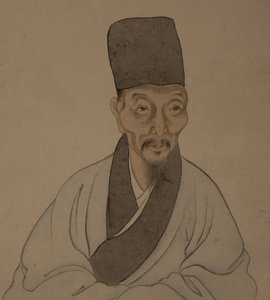
1494–1552, Chińska Republika Ludowa
Qiu Ying
Życie wykute pędzlem: Świat Qiu Ying Urodzony w skromnych okolicznościach w 1494 roku, w mieście Taicang w pobliżu dzisiejszej prowincji Jiangsu, Qiu Ying wzniósł się na szczyty sławy jako jeden z najsławniejszych malarzy dynastii Ming. W przeciwieństwie do wielu artystów swojej epoki, którzy czerpali korzyści z uczonego wychowania i formalnej edukacji w uznanych kręgach artystycznych, droga Qiu Ying była niezwykle samodzielna. Swoją artystyczną podróż rozpoczął nie poprzez tradycyjne kanały, lecz jako uczeń rzemieślnika lakiernictwa, doskonaląc umiejętności w precyzyjnej pracy dekoracyjnej – co stało się fundamentem, który głęboko wpłynął na drobiazgową dokładność charakterystyczną dla jego późniejszych dzieł. To wczesne doświadczenie zaszczepiło w nim mistrzostwo linii i koloru, cechy te zaś szlifował pod okiem Zhou Chen w Suzhou, tętńczym życiem centrum kulturalnym okresu Ming.
Inne prace Qiu Ying
 Up the River During Qingming1644
 Zhao Mengfu Writing the Heart (Hridaya) Sutra in Exchange for Tea1542
 Lady Su Hui and Her Verse Puzzle501
 The Seven sages of the bamboo grove1552

Eseje o Handscroll
 Understanding Chinese Painting: A Comparison of Gongbi and XieyiMaster the differences between Gongbi and Xieyi styles. Discover the history and techniques of Chinese ink painting now.
 25 Must-See Masterpieces at Berlin's Alte NationalgalerieExplore 25 iconic masterpieces from Berlin's Alte Nationalgalerie. From Romanticism to Impressionism, discover them all on OriginalUniqueAr…
 Understanding Chinese Art: Literati Painting and Song Academy PaintingMaster the distinction between Song Academy and Literati painting styles. Explore Chinese art history through expert analysis today.