

 Podgląd w skali 1:1
 Wyślij jako kartkę
 Udostępnij
 Szczegóły dzieła
 Przewodnik

 Pobierz obraz
 Podobne obiekty
 RTG
RTG Pokaz slajdów
 Statystyki
The Dancing Lesson
 Acrylic On Canvas
- WallArt
- Venetian Genre
 1741
1741 61.0 x 51.0 cm
 Gallerie dell’Accademia
 Rozwiń treść
Giclée / Wydruk artystyczny
Wydruki giclée lub płótna o jakości muzealnej, szybka realizacja i szeroki wybór opcji wykończenia. ( Zamów ręcznie malowaną reprodukcję Przejdź do wersji cyfrowej)




P118B zł10

P118H zł10

P118W zł10

P438Z zł10

P508JH zł12

P508YH zł12

P805H zł10

P805Z zł10

P919BZ zł10

P919G zł10

P919XJ zł10

P959ZH zł10

P968JZ zł12

W106C zł8

W218G zł10

W218JH zł8

W218Y zł10

W307PJ zł10

W316G zł10

W316PJ zł8

W316Y zł10

W398PJ zł8

W4111J zł10

W500HY zł15

W500JH zł15

W692G zł12

W849H zł8

W940BG zł15

W953PJ zł8




Wybierz spośród naszych standardowych rozmiarów, które zachowują oryginalne proporcje dzieła sztuki.

Wpisz wymaganą szerokość i wysokość, aby dopasować grafikę do ramy lub ściany. Wydruk można jedynie przyciąć, nigdy nie powiększając go poza oryginalny obraz, dlatego format o innych proporcjach spowoduje utratę części kompozycji. Przed rozpoczęciem druku prześlemy Ci cyfrowy podgląd do zatwierdzenia. Obraz wyświetlany na tej stronie nie pokazuje rzeczywistego przycięcia — jedynie podgląd oddaje ten efekt.
Dostawa na cały świat () w ciągu 2 tygodni zamiast standardowych 4/5 tygodni. (25 Październik)

Bezpłatna ekspresowa wysyłka na cały świat

Wysokiej jakości płótno lniane

Pełne ubezpieczenie przesyłki

Gwarancja zwrotu należności celnych i podatków importowych

Gwarancja wiernego odwzorowania kolorów

100-dniowa polityka zwrotów (tylko w przypadku wad)

Gwarancja 100% zwrotu pieniędzy

Zniżka przy zakupie wielu sztuk
 Opcja ze szkłem jest dostępna wyłącznie w rozmiarach poniżej 110 cm

The Dancing Lesson
Giclée / Wydruk artystyczny
Wymiary reprodukcji
-


Cena całkowita
zł 307
A Glimpse into Venetian Life: The Dance Lesson
Pietro Longhi’s “The Dancing Lesson,” painted in 1741, isn't merely a depiction of an indoor scene; it’s a meticulously crafted window into the vibrant social fabric of 18th-century Venice. Far removed from the grand narratives favored by many of his contemporaries, Longhi chose to capture the quiet dramas unfolding within bourgeois homes – a deliberate departure that cemented his reputation as the “Venetian Hogarth.” This painting, housed in the National Gallery of Art, offers an intimate portrait of a social gathering, brimming with subtle details and a captivating sense of everyday life.
The scene unfolds within a modestly furnished room, dominated by a pair of ornate couches that anchor the composition. A young woman, dressed in a flowing white gown, stands poised on a stage-like platform, clearly the focus of attention. Around her, a carefully arranged group – a man standing behind her, and two others positioned to the right – suggests a private lesson or performance. The inclusion of a chair near the bottom left corner hints at a more relaxed atmosphere, while the overall lighting, diffused through a window, creates an inviting warmth. Longhi’s masterful use of perspective draws the viewer into this domestic tableau, making us feel like silent observers of a commonplace yet charming moment.
The Artist and His Venetian World
Pietro Longhi (1701-1785), born Pietro Falca in Venice, was an artist deeply rooted in his city. Unlike the established painters who favored historical or mythological subjects, Longhi dedicated himself to capturing the nuances of Venetian life – a remarkable shift that earned him recognition for his witty genre paintings. His early training under Antonio Balestra provided a solid foundation in traditional techniques, which he skillfully blended with his own innovative approach. Longhi’s work reflects a keen interest in the social customs and behaviors of his time, offering a unique perspective on the lives of Venetian citizens.
His biography reveals a man who deliberately distanced himself from the grand narratives of his era, choosing instead to document the everyday experiences of ordinary Venetians. He wasn’t simply painting portraits; he was chronicling social interactions, capturing the subtle gestures and expressions that defined their world. This commitment to realism, combined with his distinctive style, established Longhi as a pivotal figure in Venetian art history.
Symbolism and Technique
Longhi's technique is characterized by a remarkable attention to detail and a masterful command of light and shadow. He employs a loose, expressive brushstroke that lends the scene a sense of immediacy and spontaneity. The use of color is particularly noteworthy – the vibrant hues of the dancers’ gowns contrast beautifully with the muted tones of the furniture and walls, drawing the eye to the central figures. The composition itself is carefully balanced, creating a harmonious and engaging visual experience.
Beyond the surface details, “The Dancing Lesson” is rich in symbolism. The setting – a room filled with couches and chairs – suggests a space of leisure and social interaction. The dancers themselves represent the pursuit of pleasure and refinement, while their gestures and expressions reveal a complex interplay of emotions. Even the inclusion of seemingly mundane objects—the chair, the couch—contributes to the painting’s overall narrative, offering clues about the lives and customs of 18th-century Venetians.
A Legacy of Venetian Realism
Pietro Longhi's “The Dancing Lesson” stands as a testament to his unique artistic vision. It is a captivating portrayal of everyday life in Venice, offering a glimpse into the social customs and behaviors of the era. His work paved the way for future generations of artists who sought to capture the nuances of Venetian society with wit and realism. Today, this painting continues to resonate with viewers, reminding us of the enduring power of art to illuminate the human experience.
Pytania i odpowiedzi
Kiedy i z jakich materiałów wykonano "The Dancing Lesson"?
"The Dancing Lesson" powstało w 1741 roku przy użyciu Acrylic On Canvas.
Jak nasycone są kolory w „The Dancing Lesson” – Pietro Longhi?
Intensywność barw w dziele „The Dancing Lesson” wynosi Monochromatic. Intensywność określa, jak nasycone wydają się kolory.
Jaki nastrój oddaje „The Dancing Lesson” – Pietro Longhi w ramach nurtu Venetian Genre?
Reflective emocja dzieła „The Dancing Lesson” współgra z jego stylem Venetian Genre.
Biografia artysty
A Venetian Chronicler of Daily Life
Pietro Longhi, born Pietro Falca in Venice on November 5th, 1701, wasn’t painting grand historical narratives or mythological scenes; he was capturing the quiet dramas unfolding within the city's elegant homes and bustling streets. He became renowned for his witty genre paintings – intimate glimpses into the lives of 18th-century Venetians, a departure from the prevailing artistic trends of his time. The son of Alessandro Falca, a silversmith, Longhi’s early training began under the Veronese painter Antonio Balestra, who recognized and nurtured the young artist's talent. This foundation in traditional technique would later serve as a subtle counterpoint to the innovative spirit he brought to his chosen subject matter. He adopted the surname “Longhi” upon beginning his artistic career, a symbolic shedding of his father’s trade for the pursuit of painting.From Religious Scenes to Venetian Interiors
Longhi's initial works reflected the expectations of the era: altarpieces and religious themes dominated his early portfolio. His 1732 altarpiece for the church of San Pellegrino demonstrates a skillful command of traditional techniques, showcasing broken brushwork and vibrant color glazes characteristic of Venetian painting. These were executed with meticulous attention to detail, mirroring the stylistic conventions of the time—a deliberate contrast to the burgeoning experimentation that would characterize his later career. However, it was in the late 1730s that Longhi truly found his voice, shifting towards the small-scale genre scenes that would define his legacy. This transition wasn’t merely a change in subject matter; it represented a profound engagement with the burgeoning social and cultural shifts of the time. The 18th century witnessed a growing fascination with the private lives of the bourgeoisie, a focus on domesticity and everyday rituals—a trend Longhi expertly captured, offering viewers a window into Venetian society that was both charming and subtly satirical. He married Caterina Maria Rizzi in 1732, and together they had eleven children, though only three survived to adulthood. This personal life, while not overtly depicted in his art, undoubtedly informed his understanding of the human condition—a perspective he conveyed with remarkable sensitivity.The “Venetian Hogarth” and a Satirical Eye
Longhi quickly earned the moniker "the Venetian William Hogarth," a testament to his ability to infuse seemingly innocuous scenes with layers of social commentary. Like Hogarth, Longhi didn’t shy away from depicting human foibles and societal contradictions—a characteristic that distinguishes him from many of his contemporaries. He possessed an uncanny knack for capturing fleeting expressions and gestures, conveying emotion with remarkable precision. His paintings are populated with masked figures – a vibrant reminder of the Carnival celebrations that captivated Venice—engaged in various activities, from gambling and flirtation to clandestine meetings and dubious transactions. The Concert portrays a group of musicians performing in a richly decorated salon, capturing not only the visual splendor of the setting but also the subtle tensions between performers and patrons. Longhi’s canvases are imbued with an understated irony—a hallmark of his artistic vision—that compels viewers to contemplate deeper questions about human behavior and social dynamics. He wasn't simply recording life as it was; he was offering a perceptive critique of its complexities and contradictions.Technique, Influence, and Lasting Legacy
Longhi’s technique was as distinctive as his subject matter. He favored small canvases—typically no more than 24 x 19 ½ inches—and meticulously rendered them with a delicate touch and an unwavering commitment to realism. His interiors are bathed in soft light, creating an atmosphere of intimacy and immediacy that draws the viewer into the depicted scene. He achieved this luminous effect through masterful glazing techniques—applying thin layers of translucent pigment over opaque underlayers—resulting in breathtakingly vibrant colors and remarkable textural depth. Longhi’s work was influenced by earlier Venetian masters like Giuseppe Maria Crespi, who championed a humanist approach to painting that prioritized observation and psychological insight. However, Longhi forged his own path, anticipating later developments in genre painting and establishing himself as one of the foremost artists of his era. He served as Director of the Academy of Drawing and Carving from 1763, furthering Venetian artistic tradition and nurturing the talents of aspiring painters. Pietro Longhi passed away on May 8th, 1785, leaving behind a legacy that continues to inspire admiration for its elegance, wit, and profound understanding of human nature—a true testament to the enduring power of Venetian art.
Pietro Longhi
1701 - 1785 , Włochy
Krótka nota
- Artistic Movement Or Style: Venetian painting, Rococo
- Artists Or Movements Influenced By This Artist: ['William Hogarth']
- Artists Who Influenced This Artist:
- Antonio Balestra
- Giuseppe Maria Crespi
- Date Of Birth: November 5, 1701
- Date Of Death: May 8, 1785
- Full Name: Pietro Longhi
- Nationality: Italian
- Notable Artworks:
- The Tailor
- The Baptism
- Painter in his studio
- Place Of Birth: Venice, Italy
Powiązane artykuły

Reflecting Nobility & Nuance: 18th-Century Portraiture as a Window into Societal Values
Explore the world of 18th-century portraiture with OriginalUniqueArt. Discover symbolism, artistic innovation & societal values reflected in masterpieces by Reynolds, Hogarth & more. Expert insights for collectors.

Pietro Longhi's Venetian Scenes: A Study of Rococo Society & Domestic Life
Explore the captivating world of Pietro Longhi's Venetian scenes! Discover insightful analysis of his Rococo masterpieces & social commentary on 18th-century life. Learn about this 'Venetian Hogarth' and his lasting artistic legacy.
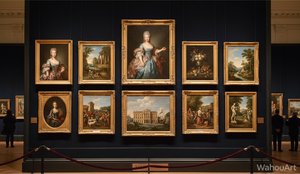
Arcydzieła XVIII Wieku: 10 Obrazów, Które Zdefiniowały Epokę | OriginalUniqueArt
Odkryj 10 arcydzieł XVIII wieku! Poznaj historie Watteau, Fragonarda i Canaletta. Reprodukcje obrazów w stylu rokoko i klasycyzmu idealne do Twojego wnętrza. Inspiracje artystyczne na OriginalUniqueArt.com
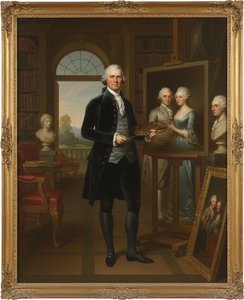
Sir Nathaniel Dance-Holland: Portraiture, Patronage & Georgian Identity
Explore the life & art of Sir Nathaniel Dance-Holland, a leading Georgian portraitist. Discover his masterful technique, influential patrons, and lasting impact on 18th-century British society. A guide for discerning collectors.
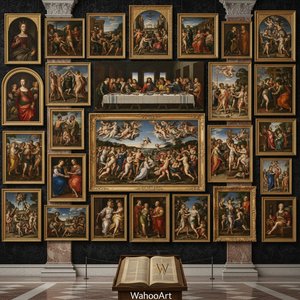
Jacopo Tintoretto: 25 Arcydzieł Pełnych Dramatyzmu i Światła | OriginalUniqueArt.com
Odkryj 25 arcydzieł Jacopo Tintoretto – weneckiego mistrza dramatyzmu i światła! Poznaj historie, techniki i inspiracje za jego najsłynniejszymi obrazami. Reprodukcje najwyższej jakości na OriginalUniqueArt.com. Eksploruj kolekcję online!