
 Zobacz w skali 1:1
 Wyślij
 Udostępnij
 Szczegóły
 Przewodnik

 Pobierz plik obrazu
 Podobne obiekty
 RTG
RTG Pokaz slajdów
 Statystyki
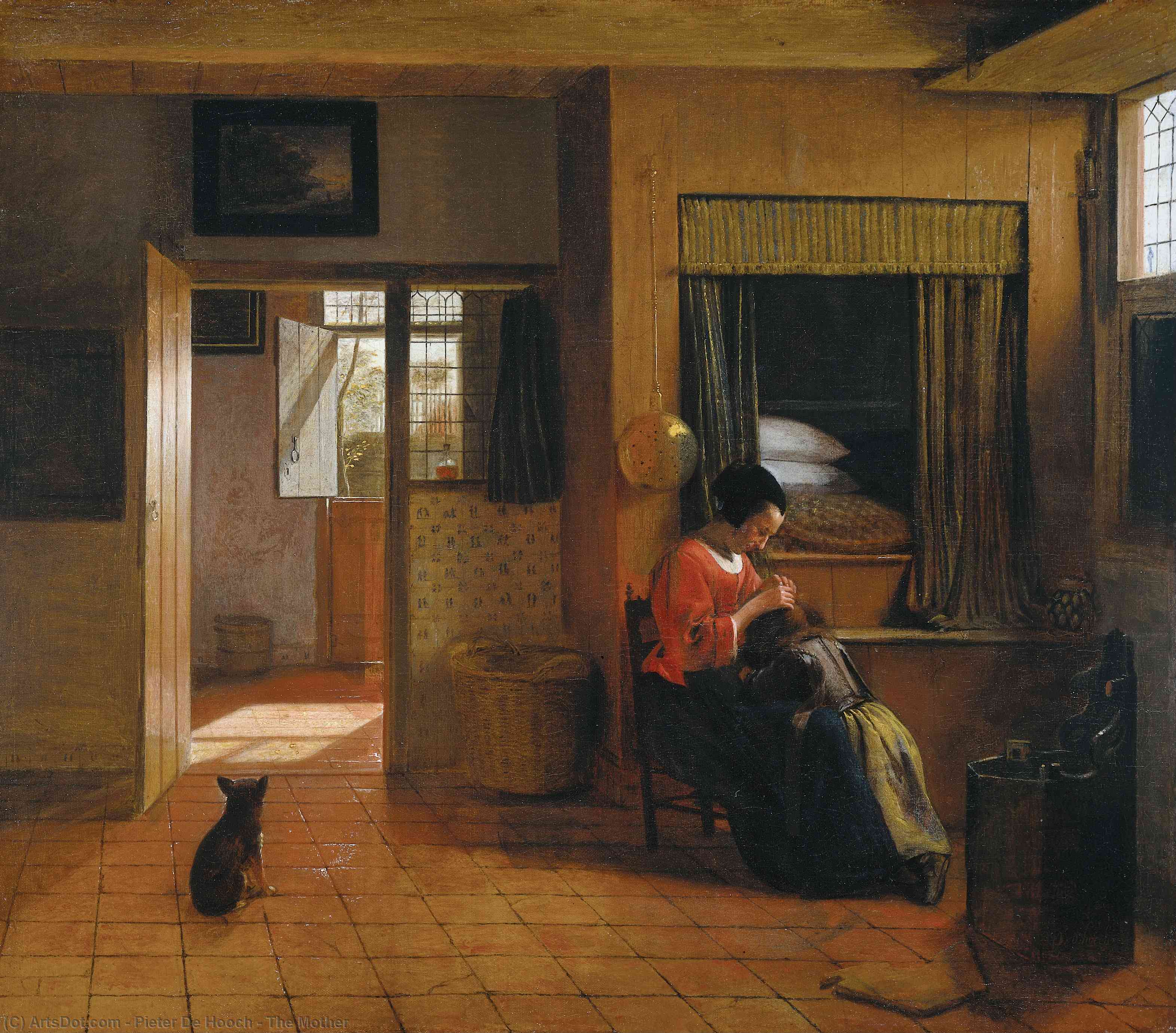
The Mother
 Oil On Canvas
- WallArt
- Dutch Golden Age
 1660
1660- Early Modern
 52.0 x 61.0 cm
 Rijksmuseum
 Czytaj więcej
Giclée / Wydruk artystyczny
Wydruki giclée lub płótna o jakości muzealnej, szybka realizacja i szeroki wybór opcji wykończenia. ( Kup ręcznie malowany obraz Przełącz na wersję cyfrową)




P118B $10

P118H $10

P118W $10

P438Z $10

P508JH $12

P508YH $12

P805H $10

P805Z $10

P919BZ $10

P919G $10

P919XJ $10

P959ZH $10

P968JZ $12

W106C $8

W218G $10

W218JH $8

W218Y $10

W307PJ $10

W316G $10

W316PJ $8

W316Y $10

W398PJ $8

W4111J $10

W500HY $15

W500JH $15

W692G $12

W849H $8

W940BG $15

W953PJ $8




Wybierz spośród naszych standardowych rozmiarów, które zachowują oryginalne proporcje dzieła sztuki.

Możesz wprowadzić własne wymiary, aby dopasować dzieło do konkretnej ramy lub przestrzeni. Jeśli wybrany rozmiar nie będzie odpowiadał proporcjom oryginalnego obrazu, przytniecie dzieło lub rozszerzymy obraz za pomocą odbicia lustrzanego lub jednolitego wypełnienia krawędzi. Przed rozpoczęciem produkcji prześlemy cyfrową wizualizację do Twojej akceptacji.
Prosimy pamiętać, że podgląd na ekranie nie odzwierciedla faktycznego przycinania ani rozszerzania. Tylko wizualizacja dokładnie pokaże końcową kompozycję.
Mimo dostępności niestandardowych rozmiarów, zalecamy wybór wymiaru z listy zdefiniowanej, aby zachować oryginalne proporcje.
Dostawa na cały świat () w ciągu 2 tygodni zamiast standardowych 4/5 tygodni. (25 Wrzesień)

Bezpłatna ekspresowa wysyłka na cały świat

Wysokiej jakości płótno lniane

Pełne ubezpieczenie transportowe

Gwarancja zwrotu należności celnych i podatków importowych

Gwarancja idealnego odwzorowania barw

100-dniowy okres na zwrot dzieła w przypadku wykrycia wad produkcyjnych

Gwarancja 100% zwrotu pieniędzy

Oferta przy zakupie wielu sztuk
 Opcja ze szkłem jest dostępna wyłącznie w rozmiarach poniżej 110 cm

The Mother
Giclée / Wydruk artystyczny
Rozmiar reprodukcji
-


Suma do zapłaty
$ 80
A Window Into Domestic Tranquility
Pieter de Hooch's “The Mother” (circa 1660) stands as a quintessential emblem of Dutch Golden Age artistry—a serene tableau that transcends mere representation to embody the very values and sensibilities of its era. Captured on canvas with meticulous detail, this painting transports viewers into a softly lit bedroom interior where a woman diligently attends to her child’s care. More than just a portrait, it is an exploration of motherhood, quiet contemplation, and the subtle beauty found within everyday domestic life. The scene unfolds as a tender moment of intimacy, inviting the observer to step into a world where time seems to slow, and the frantic pace of the outside world is replaced by the rhythmic, peaceful motions of household devotion.
The composition is masterfully orchestrated to guide the eye through a narrative of light and shadow. De Hooch employs a pyramidal structure, a classical technique that provides stability to the scene while directing our gaze upward toward the window. This window serves as the painting's soul, acting as a crucial element in establishing a luminous, ethereal quality. Through its frame, natural light pours into the room, illuminating the textures of the space—from the delicate thread held by the mother to the smooth surfaces of the furniture. The artist’s use of chiaroscuro—the dramatic interplay between light and dark—sculpts the forms within the room, imbuing the simple act of sewing or tending to a child with an almost sacred emotional resonance.
The Artistry of the Dutch Golden Age
To understand the brilliance of “The Mother,” one must look at the technical mastery De Hooch brought to the genre of kamergezichten, or room-views. His style is characterized by a profound attention to detail and a naturalism that makes the atmosphere feel palpable. The brushstrokes are delicately blended to create soft shadows and highlights, enhancing the sense of depth and conveying an impression of stillness. Every element in the room—the presence of a cat resting near the woman, the placement of books in the corner, and the subtle glint of light on a ceramic bowl—is rendered with a precision that celebrates the material reality of seventeenth-century Holland.
This technical prowess was not merely for show; it served to ground the painting in a recognizable, lived-in reality. For collectors and lovers of fine art, the painting offers a masterclass in how light can be used to define space and mood. The way the sunlight interacts with the interior elements creates a sense of warmth and comfort, making the artwork not just a piece to be viewed, but an environment to be experienced. It is this ability to transform the mundane into the magnificent that makes De Hooch’s work so enduringly captivating for modern interiors.
A Reflection of Social Virtue and Stability
Beyond its aesthetic beauty, “The Mother” serves as a historical mirror, reflecting the significant social transformations occurring in the Netherlands during the mid-seventeenth century. As the Dutch middle class burgeoned, so too did a new set of values centered on family life, moral virtue, and domestic stability. De Hooch’s depiction of a woman engaged in quiet, productive work within the sanctuary of her home aligns perfectly with these cultural aspirations. The inclusion of fine details, such as the Delft blue tiles adorning the walls, speaks to the pride in Dutch craftsmanship and the burgeoning prosperity of the era.
For the discerning decorator or art enthusiast, this piece offers more than just visual elegance; it provides a sense of historical continuity and emotional depth. The painting evokes a longing for the "quiet" moments—the sanctity of the home and the dignity of daily labor. Whether placed in a sunlit study or a quiet corner of a living room, a high-quality reproduction of “The Mother” brings with it an aura of peace and a sophisticated connection to the rich heritage of the Dutch masters. It is an invitation to find beauty in the ordinary and to cherish the tranquil rhythms of life.
Biografia artysty
wczesne lata i edukacja
pieter de hooch, wybitna postać holenderskiego złotego wieku, przyszedł na świat 20 grudnia 1629 roku w rotterdamie, w niderlandach. był najstarszym z pięciorga dzieci hendricka hendricksza de hooch, murarza, oraz annetge pieters, położnej. choć mało wiemy o jego początkach, przypuszcza się, że tworzył w rotterdamie, delfcie i amsterdamie. artystyczne szlify de hooch zdobywał w haarlem pod okiem malarza pejzaży nicolaesa berchema, współpracując jednocześnie z jacobem ochterveltem. ten kluczowy okres położył fundament pod jego przyszły sukces jako mistrza cichych scen domowych, często przełamywanych widokiem przez otwarte drzwi.styl artystyczny i tematyka
twórczość de hooch charakteryzuje się niezwykłą dbałością o detal, naturalizmem oraz poetyckim wykorzystaniem światła. jego płótna często stawały się zwierciadłem codzienności, odzwierciedlając wartości i aspiracje rodzącej się klasy średniej. znamiennym przykładem tego stylu jest dzieło "dziedziniec domu w delfcie" (1658), które ukazuje jego niezwykłą zdolność do chwytania prozaicznych detali zwyczajnego życia. choć de hooch dzielił tematykę i kompozycję z emanuelem de witte, to właśnie skupienie na ludziach i ich wzajemnych relacjach wyróżnia go na tle innych. widać to wyraźnie w obrazach takich jak "karmiąca kobieta" (1658) oraz "kobieta z niemowlęciem na kolanach" (1658), które stanowią świadectwo jego głębokiego zainteresowania intymnością domowego zacisza.najważniejsze dzieła i dziedzictwo
wśród najbardziej znaczących dokonań de hooch można wymienić:- "wesoły pijak" (ok. 1650)
- "gracze w nasłonecznionym pokoju" (1658)
- "kobieta przygotowująca chleb i masło dla chłopca" (1661)
muzea i kolekcje
dzieła de hooch można podziwiać w wielu muzeach, w tym w koninklijk museum voor schone kunsten w antwerpii, w belgii, które skrywa ogromną kolekcję sztuki europejskiej od XV do XX wieku. odkryj więcej o pieter de hooch i jego dziełach na OriginalUniqueArt: [https://OriginalUniqueArt.com/@/pieter-de-hooch](https://OriginalUniqueArt.com/@/pieter-de-hooch) /pl/art/show/art-d3b4kt-pl/ (odkryj arcydzieła znajdujące się w koninklijk museum voor schone kunsten, belgia)
Pieter de Hooch
1629 - 1694 , Holandia
Najważniejsze informacje
- Artistic Movement Or Style: Holenderski Złoty Wiek
- Artists Or Movements Influenced By This Artist: ['Jan Vermeer']
- Artists Who Influenced This Artist:
- Nicolaes Berchem
- Hendrik Sorgh
- Date Of Birth: 20 grudnia 1629
- Date Of Death: po 1683
- Full Name: Pieter Hendricksz de Hooch
- Nationality: Holender
- Notable Artworks:
- Korytarz z kobietą i dzieckiem
- Paczka
- Żołnierze w tawernie
- Place Of Birth: Rotterdam, Holandia
Zobacz także powiązane artykuły

Blask Złotej Ery Niderlandów: Studium Innowacji w Malarstwie XVII Wieku
Odkryj fascynujący świat malarstwa holenderskiego Złotej Ery! Analiza innowacyjnych technik Rembrandta, Vermeera i innych mistrzów. Poznaj historię, gatunki i wpływ tego wyjątkowego okresu na sztukę.
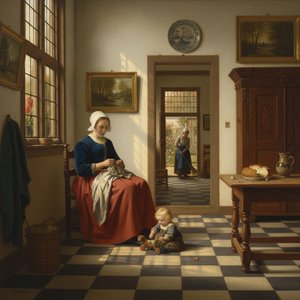
Pieter de Hooch: Illuminating Dutch Domestic Life & Golden Age Charm
Explore the captivating world of Pieter de Hooch, a master of Dutch Golden Age painting. Discover his innovative use of light, intimate domestic scenes, and lasting influence on art history. Learn more at OriginalUniqueArt.
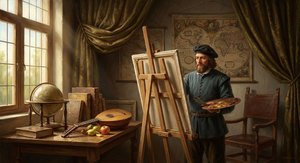
Iluminacja Realizmu: Holenderski Złoty Wiek Malarstwa – Studium Światła i Cienia (1600-1700)
Odkryj fascynujący świat holenderskiego Złotego Wieku malarstwa (1600-1700). Analiza dzieł Rembrandta, Vermeera i techniki chiaroscuro. Ekspercka wiedza o Rijksmuseum i gatunkach artystycznych.

Złoty Wiek Holandii: 10 arcydzieł, które zmieniły historię sztuki | OriginalUniqueArt.com
Odkryj 10 arcydzieł Złotego Wieku Holandii! Poznaj historię Rembrandta, Vermeera i innych mistrzów. Reprodukcje obrazów najwyższej jakości do Twojego wnętrza – OriginalUniqueArt.com.

Złoty Wiek Niderlandów: Światło, Realizm i Kulturowe Innowacje w Malarstwie Barokowym
Odkryj fascynujący świat malarstwa holenderskiego Złotego Wieku! Poznaj arcydzieła Rembrandta, Vermeera i innych mistrzów. Analiza technik, gatunków i wpływu na sztukę europejską.


