Podgląd w skali
 Wyślij jako kartkę
 Udostępnij
 Szczegóły dzieła

 Pobierz
 Podobne obiekty
 RTG
RTG Pokaz slajdów
 Statystyki
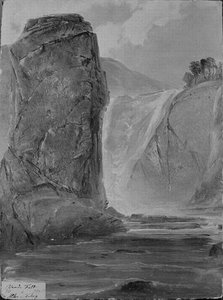
SARPS FOSSEN (CHUTE D'EAU)


 Rozwiń treść
Ręcznie malowana reprodukcja olejowa
Ręcznie malowany obraz olejny na płótnie, wykonany na zamówienie przez naszych artystów w wybranym przez Ciebie wymiarze i oprawie. ( Przełącz na wydruki Przełącz na obraz cyfrowy)




P118B $10

P118H $10

P118W $10

P438Z $10

P508JH $12

P508YH $12

P805H $10

P805Z $10

P919BZ $10

P919G $10

P919XJ $10

P959ZH $10

P968JZ $12

W106C $8

W218G $10

W218JH $8

W218Y $10

W307PJ $10

W316G $10

W316PJ $8

W316Y $10

W398PJ $8

W4111J $10

W500HY $15

W500JH $15

W692G $12

W849H $8

W940BG $15

W953PJ $8




Wybierz spośród naszych standardowych rozmiarów, które zachowują oryginalne proporcje dzieła sztuki.

Możesz wprowadzić własne wymiary, aby dopasować obraz do konkretnej ramy lub przestrzeni. Jeśli wybrany rozmiar nie będzie odpowiadał proporcjom oryginału, przytniecie dzieło sztuki lub rozszerzymy je o dodatkowe elementy, ręcznie domalowane przez artystę. Przed rozpoczęciem produkcji wyślemy projekt cyfrowy do Twojej akceptacji.
Należy pamiętać, że podgląd na ekranie nie odzwierciedla rzeczywistego przycinania ani rozszerzania obrazu. Tylko projekt dokładnie pokaże ostateczną kompozycję.
Choć oferujemy możliwość zamówienia niestandardowych rozmiarów, zalecamy wybór wymiaru z gotowej listy, aby zachować oryginalne proporcje dzieła.
Po złożeniu zamówienia zespół OriginalUniqueArt.com skontaktuje się z klientem drogą mailową w celu uzyskania instrukcji i prześle wizualizację projektu
Dostawa na całym świecie () w ciągu 3–4 tygodni zamiast standardowych 5 tygodni. (13 Wrzesień). Bez kompromisów w kwestii jakości.

Bezpłatna ekspresowa wysyłka na cały świat

Wysokiej jakości płótno lniane

Pełne ubezpieczenie przesyłki

Gwarancja zwrotu należności celnych i podatków importowych

Gwarancja wiernego odwzorowania kolorów

100-dniowa polityka zwrotów (tylko w przypadku wad)

Gwarancja 100% zwrotu kosztów

Zniżka przy zamówieniu wielu produktów
 Opcja ze szkłem jest dostępna wyłącznie w rozmiarach poniżej 110 cm

SARPS FOSSEN (CHUTE D'EAU)
Technika reprodukcji
Wymiary reprodukcji
-


Cena całkowita
$ 300
A Symphony of Light and Landscape: Unveiling Peder Balkes "Sarps Fossen"
Peder Balke’s “Sarps Fossen (Chute d’Eau)” isn't merely a depiction of a waterfall; it’s an immersive experience, a carefully constructed meditation on the sublime power and quiet beauty of the Norwegian wilderness. Painted around 1860, this oil-on-canvas masterpiece transports the viewer to the heart of Telemark, capturing not just the physical form of Sarps Fossen but also the very spirit of Romanticism – a movement that sought to elevate nature as a source of spiritual and emotional resonance. The painting’s enduring appeal lies in its ability to evoke a profound sense of awe and tranquility simultaneously, inviting contemplation on humanity's place within the vastness of the natural world.
Balke, born into a farming family in rural Norway, possessed an innate sensitivity to the landscape that would define his artistic career. His early life amidst the rugged beauty of Hedmark instilled a deep connection to nature, a connection he translated onto canvas with remarkable skill and emotional depth. He wasn’t interested in precise realism; instead, he prioritized conveying the *feeling* of being present within this dramatic scene – the cool mist rising from the churning water, the echoing roar of the cascade, the diffused light filtering through the clouds.
Composition and Color: A Masterclass in Atmospheric Perspective
The composition of “Sarps Fossen” is meticulously balanced, employing a classic horizontal format that emphasizes the breadth of the landscape. The eye is immediately drawn to the mid-ground – the powerful waterfall itself – its white foam contrasting dramatically against the dark, textured cliffs that frame it. Foreground elements, including the shadowy shoreline and the small boat navigating the river, provide a sense of scale and human presence within this immense natural setting. Crucially, Balke utilizes atmospheric perspective with exquisite precision; distant elements are rendered in paler, less distinct tones, creating an illusion of depth and drawing the viewer’s gaze into the receding horizon.
The color palette is dominated by muted earth tones – browns, ochres, and yellows – reflecting the weathered stone and moss-covered terrain. Subtle blues and grays are woven throughout the sky and water, adding a touch of coolness and contrast to the warmer hues below. This restrained use of color contributes significantly to the painting’s overall sense of tranquility and age, suggesting that this landscape has witnessed centuries of change yet retains an enduring beauty.
Technique and Emotional Resonance: The Language of Romanticism
Balke's technique is characterized by loose, expressive brushstrokes – a hallmark of the Romantic style. He avoids overly detailed rendering, opting instead to capture the *essence* of the scene through broad washes of color and gestural marks. The texture of the rocks is suggested with visible impasto, while the water surface is rendered with smoother strokes that convey movement and fluidity. This deliberate lack of precision allows the viewer’s imagination to fill in the details, fostering a deeper connection with the artwork.
More than just a landscape painting, “Sarps Fossen” embodies the Romantic ideal of nature as a source of spiritual inspiration. The sheer scale of the waterfall evokes a sense of awe and humility, reminding us of our smallness in the face of nature’s power. The inclusion of the lone boat suggests humanity's tentative relationship with this untamed wilderness – an invitation to both admire and respect its grandeur. It is a painting that speaks to the heart, evoking feelings of peace, wonder, and perhaps even a touch of melancholy.
Historical Context and Legacy
Painted during a period of significant artistic and social change in Norway, “Sarps Fossen” reflects Balke’s own evolving artistic vision. He was deeply influenced by the Romantic movement, which emphasized emotion, imagination, and the beauty of nature. His work also aligns with the broader Norwegian tradition of landscape painting, which sought to capture the unique character of the country's diverse terrain. Today, “Sarps Fossen” is recognized as a seminal work in Norwegian art history, celebrated for its technical mastery, emotional depth, and enduring appeal.
O artyście
Peder Balke: A Visionary of the Nordic Sublime
Peder Andersen Balke, born in 1804 on the remote island of Helgøya in Hedmark, Norway, stands as a uniquely powerful voice within the landscape tradition of the 19th century. His life was one profoundly shaped by both artistic ambition and the harsh realities of rural existence – a duality that deeply informed his evocative paintings. From humble beginnings, marked by poverty and familial struggles, Balke’s innate talent for capturing the essence of nature ultimately propelled him to become a celebrated artist, recognized today as a pivotal figure in Norwegian art history.
Early Life and Artistic Foundations
Balke's childhood was far from idyllic. His family, simple farmers on the island of Helgøya, struggled with poverty, compounded by the devastating famine of 1812 following a blockade of Norwegian ports during the Napoleonic Wars. His father abandoned the family when Peder was young, leaving his mother to raise him and his brother amidst hardship. Despite these challenges, Balke’s maternal grandfather, an artisan and painter, instilled in him a love for art and provided early encouragement. Recognizing his son's potential, he secured him an apprenticeship with Heinrich August Grosch, a renowned engraver and artist in Christiania (now Oslo). Later, Balke studied under Jacob Munch, further honing his skills before embarking on formal training at the Royal Swedish Academy of Fine Arts in Stockholm, where he was influenced by the dramatic landscapes of Johan Christian Dahl. This diverse artistic education laid the foundation for Balke’s distinctive style – a synthesis of Romanticism and a deeply personal connection to the Norwegian wilderness.
The Shaping of a Unique Style: Light, Atmosphere, and Emotion
Balke's artistic development was characterized by an intense exploration of technique and expression. He wasn’t merely interested in replicating what he saw; instead, he sought to capture the *feeling* of nature – its power, its mystery, and its sublime beauty. His paintings are immediately recognizable for their dramatic use of light, often depicting scenes bathed in ethereal moonlight or shrouded in atmospheric darkness. This fascination with fleeting effects—particularly the interplay of light and shadow during twilight hours—became a defining feature of his work. His brushwork is notably textured and unconventional, creating a dreamlike quality that sets him apart from more conventional Romantic landscape painters. As he himself expressed, “I don’t paint what I see, but what I feel.” This emphasis on emotional resonance elevated his landscapes beyond mere depictions of scenery; they became windows into the soul of Norway.
Landscapes of Norway: A National Identity
Balke is most celebrated for his evocative portrayals of the Norwegian landscape – a subject he revisited repeatedly throughout his career. Works such as Vue de Christiania (1872) offer glimpses into the urban life of Oslo, yet even here, the natural world remains dominant, framing the cityscape and reminding viewers of its inextricable connection to the surrounding wilderness. The painting *The Harbor at Skjervøy* (1846) showcases his meticulous attention to detail alongside an ability to capture the bustling energy of a coastal port. Perhaps most powerfully, paintings like Old Trees (1840) and *Seascape* (1845), and especially *The North Cape by Moonlight* (1848), exemplify his mastery of mood and atmosphere – conveying the rugged beauty and untamed spirit of Norway’s coastline and northern reaches. These weren't simply picturesque views; they were statements about national identity, a passionate celebration of Norway’s unique natural heritage.
Beyond the Canvas: Social Activism and Legacy
Peder Balke was more than just an artist; he was a committed social reformer deeply invested in improving the lives of his fellow Norwegians. He recognized the vital role that art could play in society, advocating for financial support for artists – both men and women – arguing that creativity should be accessible to all. His most significant social initiative was the Balkeby project – a new suburb of Oslo designed to provide decent living conditions for workers. Balke personally oversaw the construction, enforcing strict building regulations and providing loans, demonstrating a practical commitment to social justice. Despite his considerable contributions, Balke’s work remained largely overlooked after his death in 1887. However, in recent decades, a renewed appreciation for his unique vision has emerged, culminating in major exhibitions at institutions like the National Gallery in London and the Metropolitan Museum of Art in New York. Today, Peder Balke is recognized as a pivotal figure in Norwegian art history – an artist whose dramatic landscapes and profound emotional depth continue to resonate with audiences worldwide.
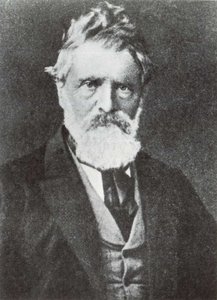
Peder Balke
1804 - 1887 , Norwegia
Krótka nota
- Artistic Movement Or Style: Krajobraz romantyczny
- Artists Or Movements Influenced By This Artist:
- Sztuka nordycka
- Romantyzm
- Artists Who Influenced This Artist:
- Heinrich Grosch
- Jacob Munch
- Carl Fahlcrantz
- Date Of Birth: 1804
- Date Of Death: 1887
- Full Name: Peder Andersen Balke
- Nationality: Norweskie
- Notable Artworks:
- Vue Christiania
- Port Skjervøy
- Drzewa stare
- Place Of Birth: Hegøy, Norwegia
Powiązane artykuły

Johan Christian Dahl: Pioneering Norwegian Romantic Landscape Painting
Explore the life & art of Johan Christian Dahl, Norway's first great Romantic painter. Discover his iconic landscapes, cultural impact, and lasting legacy with OriginalUniqueArt.

Evocations of Place: A Historical Journey Through Landscape Art
Explore the rich history of landscape art with OriginalUniqueArt. Discover renowned artists, movements like Impressionism & Romanticism, and expert guidance for collecting timeless pieces. Find your perfect serene escape today!
Capturing Stillness: A Curated Exploration of the Most Iconic Lake Landscapes in Art History
Journey through art history's most serene lake landscapes. From Romantic vistas to light-drenched Impressionist waters, discover the stories behind these iconic masterpieces and find museum-quality, hand-painted oil reproductions for your private collection.

Romantyczny Krajobraz w Malarstwie: 10 Arcydzieł, Które Zdefiniowały Epokę | OriginalUniqueArt.com
Odkryj 10 arcydzieł romantyzmu w malarstwie! Poznaj historie Caspara Davida Friedricha, Turnera i innych mistrzów. Inspiracje wnętrzarskie & reprodukcje obrazów najwyższej jakości na OriginalUniqueArt.com. Eksploruj kolekcję online!

John Constable: 25 Najlepszych Obrazów Mistrza Angielskiego Krajobrazu | OriginalUniqueArt
Odkryj 25 arcydzieł Johna Constable'a – mistrza angielskiego krajobrazu! Poznaj romantyczne pejzaże, technikę malarską i inspiracje z Dedham Vale. Reprodukcje obrazów najwyższej jakości na OriginalUniqueArt.com. Eksploruj pełną kolekcję online!