Text size

() ·

A painting made for you, by hand

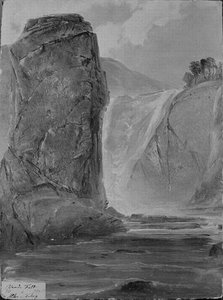
Mount Snøhetta, Dovre

Ręcznie malowana reprodukcja olejowa

Ręcznie malowany obraz olejny na płótnie, wykonany na zamówienie przez naszych artystów w wybranym przez Ciebie wymiarze i oprawie. ( Przełącz na wydania drukowane Przejdź do wersji cyfrowej)

Opis obiektu

Magnificent watercolor by Peder Balke depicting Mount Snøhetta in Dovre – Norway. Capturing the sublime beauty of nature with loose brushstrokes and a muted palette, reflecting Romanticism's emotional response.

Biografia artysty

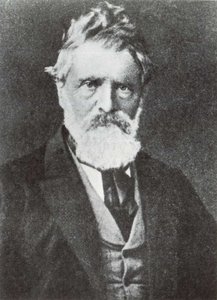
Peder Balke (1804-1887) – norweski malarz krajobrazowy, znany z dramatycznych pejzaży i zaangażowania społecznego. Odkryj jego wyjątkową wizję Norwegii!

from ·

Chapter 1

How large should it be?

Slide to change the size; the picture on the left shows the frame at its real width. The proportions of the original are kept.

Standardowy format
personalizowane
CM
INCH

Wybierz spośród naszych standardowych rozmiarów, które zachowują oryginalne proporcje dzieła sztuki.

szerokość
wysokość

Wpisz wymaganą szerokość i wysokość, aby obraz pasował do Twojej ramy lub ściany. Ponieważ jest to dzieło malowane ręcznie, w przypadku rozmiaru o innych proporcjach artysta może domalować nieco więcej wokół obrazu lub przyciąć jego fragmenty — wybór należy do Ciebie. Przed rozpoczęciem pracy prześlemy Ci cyfrową wizualizację do zatwierdzenia. Obraz widoczny na tej stronie nie przedstawia rzeczywistego efektu — jedynie wizualizacja oddaje realny rezultat.

Chapter 2

How should it arrive?

Choose the edges of the stretched canvas

Choose your frame

Corner sample of the WhiteWrap canvas edge finish, stretched on lite drewno bars
White zł1
Corner sample of the BlurSideWrap canvas edge finish, stretched on lite drewno bars
Blurside zł1
Corner sample of the ExtendedWrap canvas edge finish, stretched on lite drewno bars
Extended zł1
Corner sample of the P118B picture frame: polistyren formowany, 5 cm wide and 3 cm thick
P118B zł10
Corner sample of the P118H picture frame: polistyren formowany, 5 cm wide and 3 cm thick
P118H zł10
Corner sample of the P118W picture frame: polistyren formowany, 5 cm wide and 3 cm thick
P118W zł10
Corner sample of the P438Z picture frame: polistyren formowany, 5.5 cm wide and 3.5 cm thick
P438Z zł10
Corner sample of the P508JH picture frame: polistyren formowany, 7 cm wide and 3.5 cm thick
P508JH zł12
Corner sample of the P508YH picture frame: polistyren formowany, 7 cm wide and 3.5 cm thick
P508YH zł12
Corner sample of the P805H picture frame: polistyren formowany, 5 cm wide and 3.5 cm thick
P805H zł10
Corner sample of the P805Z picture frame: polistyren formowany, 5 cm wide and 3.5 cm thick
P805Z zł10
Corner sample of the P919BZ picture frame: polistyren formowany, 7 cm wide and 3.5 cm thick
P919BZ zł10
Corner sample of the P919G picture frame: polistyren formowany, 7 cm wide and 3.5 cm thick
P919G zł10
Corner sample of the P919XJ picture frame: polistyren formowany, 7 cm wide and 3.5 cm thick
P919XJ zł10
Corner sample of the P959ZH picture frame: polistyren formowany, 5 cm wide and 3 cm thick
P959ZH zł10
Corner sample of the P968JZ picture frame: polistyren formowany, 6 cm wide and 4 cm thick
P968JZ zł12
Corner sample of the W106C picture frame: lite drewno, 5 cm wide and 3 cm thick
W106C zł8
Corner sample of the W218G picture frame: lite drewno, 5 cm wide and 3 cm thick
W218G zł10
Corner sample of the W218JH picture frame: lite drewno, 5 cm wide and 3 cm thick
W218JH zł8
Corner sample of the W218Y picture frame: lite drewno, 5 cm wide and 3 cm thick
W218Y zł10
Corner sample of the W307PJ picture frame: lite drewno, 6 cm wide and 3 cm thick
W307PJ zł10
Corner sample of the W316G picture frame: lite drewno, 6 cm wide and 3 cm thick
W316G zł10
Corner sample of the W316PJ picture frame: lite drewno, 6 cm wide and 3 cm thick
W316PJ zł8
Corner sample of the W316Y picture frame: lite drewno, 6 cm wide and 3 cm thick
W316Y zł10
Corner sample of the W398PJ picture frame: lite drewno, 5 cm wide and 3 cm thick
W398PJ zł8
Corner sample of the W4111J picture frame: lite drewno, 6.5 cm wide and 3.5 cm thick
W4111J zł10
Corner sample of the W500HY picture frame: lite drewno, 7 cm wide and 5 cm thick
W500HY zł15
Corner sample of the W500JH picture frame: lite drewno, 7 cm wide and 5 cm thick
W500JH zł15
Corner sample of the W692G picture frame: lite drewno, 8 cm wide and 4 cm thick
W692G zł12
Corner sample of the W849H picture frame: lite drewno, 5 cm wide and 3 cm thick
W849H zł8
Corner sample of the W940BG picture frame: lite drewno, 7.5 cm wide and 4.5 cm thick
W940BG zł15
Corner sample of the W953PJ picture frame: lite drewno, 6 cm wide and 3.5 cm thick
W953PJ zł8
Corner sample of the H24-GOLD picture frame: rzeźbione drewno pokryte gipsem, 10 cm wide and 6 cm thick
H24-GOLD zł30
Corner sample of the H24-SILVER picture frame: rzeźbione drewno pokryte gipsem, 10 cm wide and 6 cm thick
H24-SILVER zł30
Corner sample of the H36-GOLD picture frame: rzeźbione drewno pokryte gipsem, 15 cm wide and 6.5 cm thick
H36-GOLD zł45
Corner sample of the H36-SILVER picture frame: rzeźbione drewno pokryte gipsem, 15 cm wide and 6.5 cm thick
H36-SILVER zł45

Moulding: . Overall size with the frame: .

Chapter 3

Who paints it, and should anything change?

Examples of what can be changed: Replace face with customer photo; Add pet (e.g., replace cat with dog); Include hidden message in background; Change background landscape or elements.
After order, OriginalUniqueArt.com team will email client for instructions and provide a mockup preview

Dostawa na całym świecie () w ciągu 3–4 tygodni zamiast standardowych 5 tygodni. (1 Listopad). Bez kompromisów w kwestii jakości.

Chapter 4

The finishing touches

A nameplate, as in a museum?

Szczegóły grawerowanej brązowej tabliczki

This elegant plaque features the artist's name and the title of the artwork, finely engraved for a timeless presentation.

It is made from bronze with a refined, elegant finish. The text is precisely laser-engraved for a sharp and permanent result. Measuring 9x2 cm, the plaque is compact yet easy to read. It's built to be durable and scratch-resistant, offering a professional, museum-quality look. Mounting is simple thanks to the included adhesive backing.

Szczegóły przezroczystej tabliczki akrylowej

The plaque includes essential engraved details such as the artist's name, the title of the artwork, the date it was created, the type of media used-like oil on canvas or watercolor-a brief description of the piece, and a QR code that links to the complete artwork information.

It is crafted from clear acrylic, offering a sleek, modern appearance. The text is UV-engraved in black to ensure strong visual contrast. With a size of 10x15 cm, it ensures optimal readability. It comes equipped with two metal hooks for secure wall mounting. The plaque is designed to be weather-resistant, making it suitable for various environments, and it includes interactive features that work seamlessly with smartphone scanning.

Szczegóły czarnej tabliczki akrylowej

This elegant plaque includes engraved information such as the artist's name, the title of the artwork, the date it was created, the type of media used (like oil on canvas or watercolor), a short description of the artwork, and a QR code for quick access to more information.

The plaque itself is made from refined black acrylic with a premium finish. The text is laser-engraved in white for high contrast and readability. Its size is 10x15 cm, designed to be easy to read. It comes with two metal hooks for professional mounting. The design is sleek and fits any interior style. It is also weather-resistant and durable, with built-in digital integration for mobile compatibility.

A protective varnish?

When do you need it?

Chapter 5

Your painting, as you ordered it

Mount Snøhetta, Dovre

Technika reprodukcji

Wymiary reprodukcji

-

Wybitny mistrz artystyczny

Większa szczegółowość, finezja i dodatkowy czas na realizację

-

Opcje oprawy reprodukcji

-

-

W przypadku dzieł sztuki lub reprodukcji, których którykolwiek z boków przekracza 105 cm (około 41 cali), rama zostanie wysłana w formie zestawu do samodzielnego montażu. Metoda ta zapewnia bezpieczną dostawę i zapobiega uszkodzeniom podczas transportu.

Wymagany profesjonalny montaż – nie jest to produkt typu DIY.
Zestaw musi zostać złożony, a płótno naciągnięte przez doświadczonego profesjonalnego ramiarza, przy użyciu kleju do drewna (brak w zestawie), kleszczy do naciągania płótna oraz ścisków, które utrzymają krosna w równej pozycji podczas schnięcia kleju. Nieprawidłowy montaż lub nierównomierne napięcie płótna może trwale uszkodzić dzieło sztuki i nie podlega naszej gwarancji.

  • W zestawie znajdują się wszystkie listwy z litego drewna, precyzyjnie docięte do wymiarów.

  • Montaż odbywa się przy użyciu dołączonych wkrętów oraz kleju do drewna do łączenia narożników, którego zestaw nie zawiera i który musi zostać dostarczony przez ramiarza.

  • Wymagane są profesjonalne narzędzia, których nie ma w zestawie: kleszcze do naciągania płótna (napinacz) oraz zaciski, które pozwolą utrzymać listwy w równej pozycji podczas schnięcia kleju.

Ważne:
Do połączenia narożników niezbędny jest klej do drewna, listwy należy unieruchomić za pomocą ścisków do momentu całkowitego wyschnięcia kleju, a naciągnięcie płótna na złożoną ramę wymaga użycia kleszczy do naciągania płótna. Żaden z tych elementów nie jest dołączony do zestawu. Przed zamówieniem tego rozmiaru zalecamy konsultację z doświadczonym ramiarzem.

Etykieta obiektu

-

-

Lakier ochronny

Lakier z połyskiem (pogłębia kolory, chroni przed światłem i wilgocią)

-

Personalizacja dzieła

Przykłady możliwości personalizacji: zastąp twarz zdjęciem klienta; dodaj zwierzę domowe (np. zamień kota na psa); umieść ukrytą wiadomość w tle; zmień krajobraz lub elementy tła.

-

Ekspresowa

Dostawa na cały świat () w ciągu 3–4 tygodni zamiast standardowych 5 tygodni. (1 Listopad). Bez kompromisów w kwestii jakości.

-

Przesyłka ekspresowa

Dostawa na cały świat () w ciągu 5 tygodni. (8 Listopad).

W cenie

Cena całkowita

zł 1167

Suma całkowita zł 1167

Opcja ze szkłem jest dostępna wyłącznie w rozmiarach poniżej 110 cm

Included with every order

  • Bezpłatna ekspresowa wysyłka na cały świat
  • Wysokiej jakości płótno lniane
  • Pełne ubezpieczenie przesyłki
  • Gwarancja zwrotu należności celnych i podatków importowych
  • Gwarancja wiernego odwzorowania kolorów
  • 100-dniowa polityka zwrotów (tylko w przypadku wad)
  • Gwarancja 100% zwrotu pieniędzy
  • Zniżka przy zakupie wielu sztuk

Peder Balke i Mont Snøhetta, Dovre – Norwegiański Surrealizm

Peder Andersen Balke (1804–1887), choć urodzony na skromnej wyspie Helgøya w Norwegii, stał się głęboko oryginalną głoską wśród tradycji krajobrazowej XIX wieku. Jego życie historia opowiada o determinowanym poszukiwaniu sztuki przeciwko tła trudności społecznych i ograniczeń kulturowych. Dorastając wśród surowej piękna norweskiej wsi, nauczył się głęboko związku z naturą, który stał się definiującym celem jego twórczości. Pomimo pochodzenia z rodziny rolników, jego naturalny talent został dostrzeżony przez społeczność lokalną, która zgromadziła środki finansowe na wsparcie jego edukacji artystycznej – świadectwem wartości przypisywanej kreatywności nawet w skromnych środkach finansowych. Ta wczesna zachęta napędziła go ku dalszej edukacji formalnej, najpierw z Heinricha Augusta Groscha i Jakuba Muncha, następnie ryzykując dodatkowe wydatki finansowe, studiował na Królewskim Akademiku Sztuk Pięknych w Sztokholmie pod opieką Carla Johanna Fahlcranta oraz doskonalił swoje umiejętności wraz z Johannem Kristo Hemdalem. Jego kariera artystyczna była pełna wyzwań i niepokoju, ale także ogromnej determinacji i pasji. Balke nie był tylko twórcą; był gorliwym reformistą społecznym, który aktywnie angażował się w sprawy dnia – przede wszystkim poprzez projekt Balkeby, nowy obszar miasta Oslo zaprojektowany z myślą o zapewnieniu godnych warunków życia dla pracowników. Z powodzeniem walczył o finansowanie dla artystów, argumentując koniecznością przyznawania dotacji i emerytur zarówno mężczyznom jak i kobietom – rozpoznając istotną rolę kreatywności w dobrobie społecznym. Jego twórczość odznacza się niezwykłą umiejętnością uchwycenia emocji oraz głęboko zakorzenioną świadomością kontekstu społecznego i politycznego epoki. Jego obrazy nie są jedynie wiernymi odwzorowaniami rzeczywistości; stanowią refleksję na temat wartości ludzkiego doświadczenia i jego relacji z otaczającym światem. Największą sławę przyniosła mu Norwegia, której krajobraz stał się głównym tematem jego twórczości. Jego dzieła są świadectwem niezwykłej wrażliwości obserwatora oraz umiejętności przekazywania piękna i majestatu przyrody widzom. Szczególną uwagę zwrócono na jego zdolność do wykorzystywania światła – szczególnie efektów księżycowego i zmierzchu – które często pojawiają się w jego obrazach, tworząc atmosferę tajemnicy i melancholii. Jego twórczość wpisuje się w tradycję romantyzmu, która koncentruje się na emocjonalnej reakcji człowieka na naturę oraz wiernym odwzorowaniu jej piękna i mocy. Balke nie ograniczał się jedynie do kopiowania rzeczywistości; szukał sposobu wyrażenia własnych uczuć i refleksji nad kondycją ludzką. Jego obrazy są pełne energii i dynamiki, ale także głębokogo spokoju oraz refleksyjnego spojrzenia na świat. Jego najbardziej rozpoznawalną twórczością jest Mont Snøhetta, Dovre – monumentalny krajobraz Norwegii przedstawiony w stylu surrealizmu. Obraz został wykonany techniką olejną na płótnie i charakteryzuje się użyciem miękkich, rozproszonych pociągów oraz stonowaną kolorystyką kojącą atmosferę perspektywy powietrznej i imponującą mocą natury. Szczególną uwagę zwrócono na wykorzystanie światła – szczególnie ciepłych refleksów słonecznych odbijających się od śnieżnych powierzchni gór – które dodają obrazowi głębi oraz emocjonalnego ładunku. Obraz przedstawia ogromną górę Snøhetta górującą nad ciemnym krajobrazem, co podkreśla jego monumentalność oraz piękno. Szczególną uwagę zwrócono na szczegółową obserwację natury oraz umiejętność przekazywania jej atmosfery widzom. Jego twórczość wpisuje się w tradycję romantyzmu, która koncentruje się na emocjonalnej reakcji człowieka na naturę oraz wiernym odwzorowaniu jej piękna i mocy. Obraz został wykonany z ogromną dokładnością i świadomością kontekstu kulturowego epoki.

Pytania i odpowiedzi

W jaki sposób „Mount Snøhetta, Dovre” – Peder Balke łączy Romantic Landscape Painting z krajem pochodzenia artysty?

Dzieło z nurtu Romantic Landscape Painting, zatytułowane "Mount Snøhetta, Dovre", zostało stworzone przez artystę urodzonego w Norwegia.

Kto stworzył "Mount Snøhetta, Dovre" i w jakim stylu jest to dzieło?

"Mount Snøhetta, Dovre" powstało autorstwa Peder Balke w stylu Romantic Landscape Painting. Artysta oraz nurt definiują tradycję tego dzieła.

Jaki nastrój emocjonalny budzi „Mount Snøhetta, Dovre” – Peder Balke?

„Mount Snøhetta, Dovre” budzi Czuły i romantyczny emocje. Ton emocjonalny opisuje wrażenie, jakie wywołuje to dzieło.

More about this painting

Podgląd w skali 1:1 Podgląd AR Przełącz na wydania drukowane Przejdź do wersji cyfrowej Wyślij jako kartkę
Szczegóły dzieła Przewodnik Dodaj do ulubionych Pobierz obraz Podobne obiekty RTG Pokaz slajdów Q&A Statystyki

In numbers

  • 1877the year it was painted
  • 29frames to choose from
  • standard sizes, in its own proportions
  • 5weeks to paint and deliver it
Peder Balke

Peder Balke

1804 - 1887, Norwegia

Quick facts about Peder Balke

  • Artistic Movement Or Style: Krajobraz romantyczny
  • Artists Or Movements Influenced By This Artist:
    • Sztuka nordycka
    • Romantyzm
  • Artists Who Influenced This Artist:
    • Heinrich Grosch
    • Jacob Munch
    • Carl Fahlcrantz
  • Date Of Birth: 1804
  • Date Of Death: 1887
  • Full Name: Peder Andersen Balke
  • Nationality: Norweskie
  • Notable Artworks:
    • Vue Christiania
    • Port Skjervøy
    • Drzewa stare
  • Place Of Birth: Hegøy, Norwegia

Biografia artysty

Peder Balke: A Visionary of the Nordic Sublime

Peder Andersen Balke, born in 1804 on the remote island of Helgøya in Hedmark, Norway, stands as a uniquely powerful voice within the landscape tradition of the 19th century. His life was one profoundly shaped by both artistic ambition and the harsh realities of rural existence – a duality that deeply informed his evocative paintings. From humble beginnings, marked by poverty and familial struggles, Balke’s innate talent for capturing the essence of nature ultimately propelled him to become a celebrated artist, recognized today as a pivotal figure in Norwegian art history.

Early Life and Artistic Foundations

Balke's childhood was far from idyllic. His family, simple farmers on the island of Helgøya, struggled with poverty, compounded by the devastating famine of 1812 following a blockade of Norwegian ports during the Napoleonic Wars. His father abandoned the family when Peder was young, leaving his mother to raise him and his brother amidst hardship. Despite these challenges, Balke’s maternal grandfather, an artisan and painter, instilled in him a love for art and provided early encouragement. Recognizing his son's potential, he secured him an apprenticeship with Heinrich August Grosch, a renowned engraver and artist in Christiania (now Oslo). Later, Balke studied under Jacob Munch, further honing his skills before embarking on formal training at the Royal Swedish Academy of Fine Arts in Stockholm, where he was influenced by the dramatic landscapes of Johan Christian Dahl. This diverse artistic education laid the foundation for Balke’s distinctive style – a synthesis of Romanticism and a deeply personal connection to the Norwegian wilderness.

The Shaping of a Unique Style: Light, Atmosphere, and Emotion

Balke's artistic development was characterized by an intense exploration of technique and expression. He wasn’t merely interested in replicating what he saw; instead, he sought to capture the *feeling* of nature – its power, its mystery, and its sublime beauty. His paintings are immediately recognizable for their dramatic use of light, often depicting scenes bathed in ethereal moonlight or shrouded in atmospheric darkness. This fascination with fleeting effects—particularly the interplay of light and shadow during twilight hours—became a defining feature of his work. His brushwork is notably textured and unconventional, creating a dreamlike quality that sets him apart from more conventional Romantic landscape painters. As he himself expressed, “I don’t paint what I see, but what I feel.” This emphasis on emotional resonance elevated his landscapes beyond mere depictions of scenery; they became windows into the soul of Norway.

Landscapes of Norway: A National Identity

Balke is most celebrated for his evocative portrayals of the Norwegian landscape – a subject he revisited repeatedly throughout his career. Works such as Vue de Christiania (1872) offer glimpses into the urban life of Oslo, yet even here, the natural world remains dominant, framing the cityscape and reminding viewers of its inextricable connection to the surrounding wilderness. The painting *The Harbor at Skjervøy* (1846) showcases his meticulous attention to detail alongside an ability to capture the bustling energy of a coastal port. Perhaps most powerfully, paintings like Old Trees (1840) and *Seascape* (1845), and especially *The North Cape by Moonlight* (1848), exemplify his mastery of mood and atmosphere – conveying the rugged beauty and untamed spirit of Norway’s coastline and northern reaches. These weren't simply picturesque views; they were statements about national identity, a passionate celebration of Norway’s unique natural heritage.

Beyond the Canvas: Social Activism and Legacy

Peder Balke was more than just an artist; he was a committed social reformer deeply invested in improving the lives of his fellow Norwegians. He recognized the vital role that art could play in society, advocating for financial support for artists – both men and women – arguing that creativity should be accessible to all. His most significant social initiative was the Balkeby project – a new suburb of Oslo designed to provide decent living conditions for workers. Balke personally oversaw the construction, enforcing strict building regulations and providing loans, demonstrating a practical commitment to social justice. Despite his considerable contributions, Balke’s work remained largely overlooked after his death in 1887. However, in recent decades, a renewed appreciation for his unique vision has emerged, culminating in major exhibitions at institutions like the National Gallery in London and the Metropolitan Museum of Art in New York. Today, Peder Balke is recognized as a pivotal figure in Norwegian art history – an artist whose dramatic landscapes and profound emotional depth continue to resonate with audiences worldwide.

Najważniejsze informacje

  • Location: Trondheim kunstmuseum
  • Notable elements or techniques: Loose brushstrokes, Atmospheric perspective
  • Influences: Romanticism
  • Subject or theme: Norwegian landscape
  • Artistic style: Dramatic landscapes

Quiz o sztuce

Do każdego pytania dotyczy tylko jedna poprawna odpowiedź.

Pytanie 1:
Jak nazywa się obraz?
Pytanie 2:
Kiedy powstał obraz?
Pytanie 3:
Jaki styl malarski charakteryzuje się tym obrazem?
Pytanie 4:
Jaką technikę wykorzystał twórca obrazu?
Pytanie 5:
Co obraz wyraża emocjonalnie?
Odkryj dzieła sztuki uporządkowane według tematów, stylów i cech charakterystycznych.