Zobacz w skali 1:1
 Wyślij
 Udostępnij
 Szczegóły
 Przewodnik

 Pobierz plik obrazu
 Podobne obiekty
 RTG
RTG Pokaz slajdów
 Statystyki
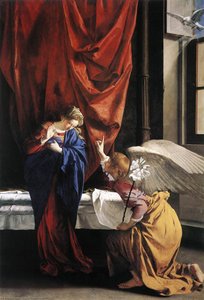
Madonna
 Oil On Canvas
- WallArt
- Baroque
 Early Modern
 131.0 x 91.0 cm
 Galleria Nazionale d’Arte Antica
 Czytaj więcej
Ręcznie malowana reprodukcja olejowa
Ręcznie malowany obraz olejny na płótnie, wykonany na zamówienie przez naszych artystów w wybranym przez Ciebie wymiarze i oprawie. ( Przełącz na wersję drukowaną Przełącz na wersję cyfrową)




P118B $10

P118H $10

P118W $10

P438Z $10

P508JH $12

P508YH $12

P805H $10

P805Z $10

P919BZ $10

P919G $10

P919XJ $10

P959ZH $10

P968JZ $12

W106C $8

W218G $10

W218JH $8

W218Y $10

W307PJ $10

W316G $10

W316PJ $8

W316Y $10

W398PJ $8

W4111J $10

W500HY $15

W500JH $15

W692G $12

W849H $8

W940BG $15

W953PJ $8




Wybierz spośród naszych standardowych rozmiarów, które zachowują oryginalne proporcje dzieła sztuki.

Możesz wprowadzić własne wymiary, aby dopasować obraz do konkretnej ramy lub przestrzeni. Jeśli wybrany rozmiar nie będzie odpowiadał proporcjom oryginału, przytniecie dzieło sztuki lub rozszerzymy je o dodatkowe elementy, ręcznie domalowane przez artystę. Przed rozpoczęciem produkcji wyślemy projekt cyfrowy do Twojej akceptacji.
Należy pamiętać, że podgląd na ekranie nie odzwierciedla rzeczywistego przycinania ani rozszerzania obrazu. Tylko projekt dokładnie pokaże ostateczną kompozycję.
Choć oferujemy możliwość zamówienia niestandardowych rozmiarów, zalecamy wybór wymiaru z gotowej listy, aby zachować oryginalne proporcje dzieła.
Po złożeniu zamówienia zespół OriginalUniqueArt.com skontaktuje się z klientem drogą mailową w celu uzyskania instrukcji i prześle wizualizację projektu
Dostawa na całym świecie () w ciągu 3–4 tygodni zamiast standardowych 5 tygodni. (26 Wrzesień). Bez kompromisów w kwestii jakości.

Bezpłatna ekspresowa wysyłka na cały świat

Wysokiej jakości płótno lniane

Pełne ubezpieczenie transportowe

Gwarancja zwrotu należności celnych i podatków importowych

Gwarancja idealnego odwzorowania barw

100-dniowy okres na zwrot dzieła w przypadku wykrycia wad produkcyjnych

Gwarancja 100% zwrotu pieniędzy

Oferta przy zakupie wielu sztuk
 Opcja ze szkłem jest dostępna wyłącznie w rozmiarach poniżej 110 cm

Madonna
Technika wykonania
Rozmiar reprodukcji
-


Suma do zapłaty
$ 300
A Divine Encounter in Shadow and Light
In the quietude of Orazio Gentileschi’s Madonna, we find ourselves standing at the threshold of a transformative era in art history. This masterpiece, painted around 1604, serves as a breathtaking bridge between the elegant, often artificial complexities of Mannerism and the raw, visceral drama of the Baroque. The composition centers on the Virgin Mary, whose presence is both profoundly human and ethereally divine. Clad in a somber brown robe trimmed with delicate white, her face radiates a serene, contemplative grace. As she gazes downward, her eyes hold a depth of maternal tenderness that transcends the canvas, inviting the viewer into a moment of silent prayer. Beside her, the Christ Child, swathed in a vibrant yellow garment, looks outward toward us, creating an immediate and piercing emotional connection that bridges the gap between the sacred subject and the earthly observer.
The technical brilliance of this work lies in Gentileschi’s masterful command of chiaroscuro, a technique heavily influenced by his contemporary, Caravaggio. By plunging the background into a deep, impenetrable darkness, the artist forces our focus onto the luminous skin and rich textures of the central figures. This stark contrast does more than create depth; it sculptively carves the Madonna from the shadows, lending her a physical weight and presence that feels startlingly real. The light does not merely illuminate; it caresses the folds of the fabric and the soft contours of the infant's cheek, imbuing the scene with a sense of living breath. For the discerning collector or interior designer, this interplay of light and shadow offers a sophisticated focal point that can anchor a room with both gravity and elegance.
Symbolism and the Soul of the Baroque
Beyond its visual splendor, the Madonna is rich with the symbolic language of the early 17th century. The choice of colors—the earthy browns of the Virgin’s attire contrasted against the celestial yellow of the Child—speaks to the intersection of the terrestrial and the divine. The Madonna represents the stability of faith and the nurturing strength of the Church, while the radiant child symbolizes the light of hope entering a dark world. Every brushstroke is an exercise in humanist sensibility, where the divine is not depicted as a distant, untouchable entity, but as something intimately connected to the human experience through emotion, touch, and gaze.
To possess a reproduction of this work is to bring a piece of the Italian Renaissance's twilight and the Baroque's dawn into one's personal space. It is an invitation to contemplate the eternal themes of motherhood, devotion, and the beauty found in stillness. Whether placed in a curated gallery setting or as a soulful addition to a classically styled study, this painting offers more than mere decoration; it provides a window into a period of unparalleled artistic courage, where masters like Gentileschi dared to find the extraordinary within the shadows of the ordinary.
Biografia artysty
A Tuscan Dawn: The Life and Art of Orazio Gentileschi
Born in 1563 amidst the rolling hills of Tuscany, Orazio Gentileschi embarked on a journey that would see him become a pivotal figure in the transition from Mannerism to Baroque painting. Initially known as Orazio Lomi, he gravitated towards Rome, then the epicenter of artistic innovation, where he honed his skills within the workshops of Cola dell’Amata and absorbed the architectural sensibilities of Francesco da Sangallo. These early influences instilled in him a meticulous attention to form and composition, characteristics that would remain hallmarks of his style even as it dramatically evolved. Gentileschi’s initial work often involved contributing figures to larger decorative schemes conceived by other artists – a formative experience that taught him collaboration and adaptability, yet also hinted at a burgeoning ambition for independent expression. He began as a diligent assistant, meticulously rendering details within grander designs, learning the value of precision and the importance of understanding the overall vision of his patrons. This early apprenticeship provided a solid foundation in technique but also fueled a desire to develop his own unique voice.Embracing the Shadow: Caravaggio's Influence and Artistic Development
The turn of the 17th century marked a turning point in Gentileschi’s artistic trajectory. The revolutionary naturalism of Caravaggio burst onto the Roman art scene, challenging established conventions with its dramatic use of light and shadow – *tenebrism* – and unflinching realism. Gentileschi was profoundly affected by this seismic shift, adopting elements of Caravaggio's style into his own work. However, he wasn’t merely an imitator; rather, he filtered Caravaggio’s innovations through his existing artistic sensibilities. While retaining the dramatic intensity, Gentileschi softened the harshness of Caravaggio’s *tenebrism*, introducing a lighter palette and a more refined approach to detail. This resulted in paintings that possessed both emotional power and elegant grace – a unique synthesis that distinguished him from his contemporaries. He didn't simply replicate Caravaggio’s techniques; he adapted them, imbuing them with his own sensibility and creating a style that was both powerfully emotive and exquisitely detailed. Biblical scenes and mythological narratives became frequent subjects, allowing Gentileschi to explore themes of faith, heroism, and human vulnerability with compelling visual storytelling. His compositions often featured dynamic diagonals and carefully arranged figures, drawing the viewer’s eye through the scene and emphasizing the drama unfolding before them.A Courtly Wanderer: From Paris to London
Gentileschi’s artistic reputation extended beyond Italy’s borders. His talent attracted the patronage of powerful figures, leading him on a peripatetic journey through Europe. He spent time at the court of Marie de' Medici in Paris, where his refined style resonated with the Queen’s taste for elegance and sophistication. This period saw a further evolution in his work, characterized by increasingly elaborate compositions and a heightened sense of decorum. The Parisian court demanded works that were both visually stunning and subtly expressive, reflecting the sophisticated tastes of its patrons. He developed a particular skill in creating portraits that captured not only physical likeness but also the personality and social standing of their subjects. However, it was his invitation to England in 1626 that would define the final chapter of his career. Appointed court painter to Charles I, Gentileschi became one of the first major exponents of Caravaggism in Britain, significantly influencing the development of English Baroque painting. He undertook ambitious projects, including a series of ceiling paintings for Greenwich Palace (now Marlborough House), showcasing his mastery of large-scale decorative schemes and solidifying his position as a leading artist of his time.Key Works and Artistic Characteristics
Gentileschi’s oeuvre is characterized by several distinctive features. His use of *tenebrism*, while influenced by Caravaggio, was always tempered with a sense of balance and harmony. He favored bright, vibrant colors – reds, blues, and golds – to create dramatic effects and draw attention to key elements within his compositions. His figures were rendered with remarkable anatomical accuracy and psychological depth, conveying a wide range of emotions through subtle gestures and expressions. Gentileschi was particularly adept at depicting women, imbuing them with strength, dignity, and vulnerability. His paintings often featured dynamic diagonals and carefully arranged figures, drawing the viewer’s eye through the scene and emphasizing the drama unfolding before them. Notable works include “Danae,” a powerful depiction of mythological excess; "The Annunciation," showcasing his mastery of light and shadow; and “The Virgin Mary,” radiating serenity and grace.Legacy and Lasting Impact
Orazio Gentileschi’s contributions to the world of art are multifaceted. He bridged the gap between Mannerism and Baroque, absorbing the innovations of Caravaggio while forging his own distinctive style. His use of vibrant colors, dramatic compositions, and refined technique influenced a generation of artists across Europe. He was instrumental in introducing Caravaggism to England, leaving an indelible mark on the artistic landscape there. But perhaps his most enduring legacy lies in his daughter, Artemisia Gentileschi. Trained in her father’s studio, she emerged as one of the most celebrated female painters of the Baroque era, carrying forward the family's artistic tradition and achieving renown in her own right. Today, Gentileschi’s works are held in prestigious museums and galleries worldwide – from the Uffizi Gallery in Florence to the Accademia Gallery in Venice – testaments to his enduring brilliance and lasting impact on the history of art. His paintings continue to captivate viewers with their emotional depth, technical virtuosity, and timeless beauty.- Major Works: “Danae”, "The Annunciation", “The Virgin Mary”
- Key Influences: Mannerism, Caravaggio
- Artistic Style: Baroque, Dramatic compositions, Bright colors.

Orazio Dżentilesci
1563 - 1639 , Włochy
Najważniejsze informacje
- Artistic Movement Or Style: Barok, Karawaggizm
- Artists Or Movements Influenced By This Artist:
- Barok włoski
- Mannernismo
- Artists Who Influenced This Artist:
- Karawaggio
- Francesco da Sangallo
- Date Of Birth: 1563
- Date Of Death: 1639
- Full Name: Orazio Gentileschi
- Nationality: Włoski
- Notable Artworks:
- Danae
- Anielina
- Panna Maria
- Place Of Birth: Tuscany, Włochy
Zobacz także powiązane artykuły

Barokowy Dramat we Wnętrzach: Sztuka Przepychu i Elegancji w Twoim Domu
Odkryj świat barokowego przepychu! Porady ekspertów jak wprowadzić elegancję i dramat do Twojego wnętrza. Inspiracje, charakterystyka stylu i praktyczne wskazówki.

Barokowe arcydzieła: 10 obrazów, które zdefiniowały epokę | OriginalUniqueArt.com
Odkryj 10 arcydzieł baroku! Caravaggio, Rembrandt, Rubens i inni artyści, którzy zdefiniowali epokę. Poznaj historie, techniki i inspiracje tych niezwykłych obrazów. Reprodukcje najwyższej jakości na OriginalUniqueArt.com – idealne do Twojego wnętrza!

Drama and Light: A Definitive Guide to the Italian Baroque Masterpieces and the Revolution of Chiaroscuro
Explore the dramatic world of Italian Baroque art. Discover how masters like Caravaggio used chiaroscuro and tenebrism to revolutionize painting through light, shadow, and profound realism. A definitive guide for history lovers and art collectors.

Italian Baroque Unlocked: High-Drama Art That Hits Hard
Dive into the high-drama world of Italian Baroque art. Discover how chiaroscuro, intense emotion, and theatrical lighting redefined aesthetics. Explore the visceral power of the Counter-Reformation through a modern lens with expert insights from OriginalUniqueArt.com.
Simon Vouet: A Baroque Master's Journey from Italian Influence to French Classicism
Explore the life & art of Simon Vouet, a pivotal French Baroque painter who introduced Italian styles to France. Discover his masterpieces and lasting influence on 17th-century art.