Podgląd w skali
 Wyślij jako kartkę
 Udostępnij
 Szczegóły dzieła

 Pobierz
 Podobne obiekty
 RTG
RTG Pokaz slajdów
Finding of Moses
 Oil On Canvas
- WallArt
- Baroque
 1630
1630- Early Modern
 242.0 x 281.0 cm
 Muzeum Prado
 Rozwiń treść
Giclée / Wydruk artystyczny
Druk giclée lub płótno o jakości muzealnej, szybka realizacja i szeroki wybór opcji wykończenia. ( Zamów ręcznie malowaną reprodukcję Kup obraz wysokiej rozdzielczości)




P118B $10

P118H $10

P118W $10

P438Z $10

P508JH $12

P508YH $12

P805H $10

P805Z $10

P919BZ $10

P919G $10

P919XJ $10

P959ZH $10

P968JZ $12

W106C $8

W218G $10

W218JH $8

W218Y $10

W307PJ $10

W316G $10

W316PJ $8

W316Y $10

W398PJ $8

W4111J $10

W500HY $15

W500JH $15

W692G $12

W849H $8

W940BG $15

W953PJ $8




Wybierz spośród naszych standardowych rozmiarów, które zachowują oryginalne proporcje dzieła sztuki.

Możesz wprowadzić własne wymiary, aby dopasować dzieło do konkretnej ramy lub przestrzeni. Jeśli wybrany rozmiar nie będzie odpowiadał proporcjom oryginalnego obrazu, przytniecie dzieło lub rozszerzymy obraz za pomocą odbicia lustrzanego lub jednolitego wypełnienia krawędzi. Przed rozpoczęciem produkcji prześlemy cyfrową wizualizację do Twojej akceptacji.
Prosimy pamiętać, że podgląd na ekranie nie odzwierciedla faktycznego przycinania ani rozszerzania. Tylko wizualizacja dokładnie pokaże końcową kompozycję.
Mimo dostępności niestandardowych rozmiarów, zalecamy wybór wymiaru z listy zdefiniowanej, aby zachować oryginalne proporcje.
Dostawa na cały świat () w ciągu 2 tygodni zamiast standardowych 4/5 tygodni. (22 Sierpień)

Bezpłatna ekspresowa wysyłka na cały świat

Wysokiej jakości płótno lniane

Pełne ubezpieczenie przesyłki

Gwarancja zwrotu należności celnych i podatków importowych

Gwarancja wiernego odwzorowania kolorów

Polityka 60-dniowego zwrotu (tylko w przypadku wad)

Gwarancja 100% zwrotu kosztów

Zniżka przy zamówieniu wielu produktów
 Opcja ze szkłem jest dostępna wyłącznie w rozmiarach poniżej 110 cm

Finding of Moses
Giclée / Wydruk artystyczny
Wymiary reprodukcji
-


Cena całkowita
$ 80
Opis kolekcjonerski
A Divine Encounter in the Bulrushes
In the heart of the early seventeenth century, a period defined by the dramatic tension between light and shadow, Orazio Gentileschi captured a moment of profound destiny. The Finding of Moses is not merely a depiction of a biblical event; it is a breathtaking window into a world where the miraculous intersects with the earthly. The canvas brings to life that pivotal instant from the Book of Exodus, where the infant Moses, hidden away by his mother to escape Pharaoh’s decree, is discovered amidst the swaying reeds of the Nile. As the eye wanders through the composition, one is immediately struck by the sense of communal tenderness. A group of women gathers around the small basket, their faces etched with a mixture of curiosity, compassion, and reverence. The scene vibrates with a quiet intensity, inviting the viewer to witness the very second where divine providence begins its work through human hands.
The emotional resonance of this masterpiece lies in its ability to balance regal grandeur with intimate vulnerability. While Pharaoh’s daughter stands as a figure of authority, her presence is softened by an unmistakable maternal instinct that mirrors the devotion of those kneeling at the water's edge. For the collector or the lover of fine art, this painting offers more than just a historical narrative; it provides a profound meditation on protection, faith, and the unexpected ways in which life is preserved against all odds.
The Mastery of Light and Baroque Elegance
To gaze upon Gentileschi’s work is to experience the legacy of Caravaggio through a more refined, lyrical lens. While he embraced the revolutionary chiaroscuro—the dramatic interplay of deep shadows and brilliant highlights—Gentileschi infused the technique with a certain grace and luminous clarity that distinguishes his hand. In this monumental work, light does not merely illuminate; it sculpts. A radiant glow seems to emanate from the fine fabrics and the skin of the figures, drawing the viewer’s gaze upward toward the regal presence of the princess. This strategic use of light creates a visual hierarchy that guides the soul through the narrative, moving from the humble textures of the riverbank to the shimmering splendor of royal attire.
The artist’s technical prowess is most evident in his meticulous rendering of texture and form. One can almost feel the cool dampness of the reeds, the weight of the heavy silk drapery, and the delicate smoothness of the infant's skin. For interior designers seeking to anchor a room with a piece of significant character, the painting’s rich palette and sophisticated handling of light offer an unparalleled sense of depth. It is a work that commands attention through its subtle complexities, making it a perfect centerpiece for spaces designed to inspire contemplation and evoke a sense of timeless luxury.
A Legacy of Devotion and Grandeur
Beyond its aesthetic brilliance, The Finding of Moses carries a weight of historical significance that adds layers of value to the work. Commissioned during an era of great royal patronage, the painting reflects the intersection of religious fervor and political legitimacy. The composition serves as a powerful symbol of resilience; just as Moses was saved from destruction, the art itself preserves the spiritual triumphs of the past for modern generations. The way the figures are arranged—some kneeling in prayerful devotion, others standing in watchful care—creates a sense of a unified community bound by a shared miracle.
Integrating a high-quality reproduction of this masterpiece into a curated collection allows one to bring the spirit of the Italian Baroque into the contemporary home. It is an invitation to surround oneself with beauty that tells a story of hope and divine intervention. Whether placed in a grand library, a formal dining hall, or a sophisticated studio, this painting serves as a constant reminder of the light that can be found even in the darkest of shadows, making it an enduring choice for those who appreciate art that speaks to both the eye and the spirit.
O artyście
A Tuscan Dawn: The Life and Art of Orazio Gentileschi
Born in 1563 amidst the rolling hills of Tuscany, Orazio Gentileschi embarked on a journey that would see him become a pivotal figure in the transition from Mannerism to Baroque painting. Initially known as Orazio Lomi, he gravitated towards Rome, then the epicenter of artistic innovation, where he honed his skills within the workshops of Cola dell’Amata and absorbed the architectural sensibilities of Francesco da Sangallo. These early influences instilled in him a meticulous attention to form and composition, characteristics that would remain hallmarks of his style even as it dramatically evolved. Gentileschi’s initial work often involved contributing figures to larger decorative schemes conceived by other artists – a formative experience that taught him collaboration and adaptability, yet also hinted at a burgeoning ambition for independent expression. He began as a diligent assistant, meticulously rendering details within grander designs, learning the value of precision and the importance of understanding the overall vision of his patrons. This early apprenticeship provided a solid foundation in technique but also fueled a desire to develop his own unique voice.Embracing the Shadow: Caravaggio's Influence and Artistic Development
The turn of the 17th century marked a turning point in Gentileschi’s artistic trajectory. The revolutionary naturalism of Caravaggio burst onto the Roman art scene, challenging established conventions with its dramatic use of light and shadow – *tenebrism* – and unflinching realism. Gentileschi was profoundly affected by this seismic shift, adopting elements of Caravaggio's style into his own work. However, he wasn’t merely an imitator; rather, he filtered Caravaggio’s innovations through his existing artistic sensibilities. While retaining the dramatic intensity, Gentileschi softened the harshness of Caravaggio’s *tenebrism*, introducing a lighter palette and a more refined approach to detail. This resulted in paintings that possessed both emotional power and elegant grace – a unique synthesis that distinguished him from his contemporaries. He didn't simply replicate Caravaggio’s techniques; he adapted them, imbuing them with his own sensibility and creating a style that was both powerfully emotive and exquisitely detailed. Biblical scenes and mythological narratives became frequent subjects, allowing Gentileschi to explore themes of faith, heroism, and human vulnerability with compelling visual storytelling. His compositions often featured dynamic diagonals and carefully arranged figures, drawing the viewer’s eye through the scene and emphasizing the drama unfolding before them.A Courtly Wanderer: From Paris to London
Gentileschi’s artistic reputation extended beyond Italy’s borders. His talent attracted the patronage of powerful figures, leading him on a peripatetic journey through Europe. He spent time at the court of Marie de' Medici in Paris, where his refined style resonated with the Queen’s taste for elegance and sophistication. This period saw a further evolution in his work, characterized by increasingly elaborate compositions and a heightened sense of decorum. The Parisian court demanded works that were both visually stunning and subtly expressive, reflecting the sophisticated tastes of its patrons. He developed a particular skill in creating portraits that captured not only physical likeness but also the personality and social standing of their subjects. However, it was his invitation to England in 1626 that would define the final chapter of his career. Appointed court painter to Charles I, Gentileschi became one of the first major exponents of Caravaggism in Britain, significantly influencing the development of English Baroque painting. He undertook ambitious projects, including a series of ceiling paintings for Greenwich Palace (now Marlborough House), showcasing his mastery of large-scale decorative schemes and solidifying his position as a leading artist of his time.Key Works and Artistic Characteristics
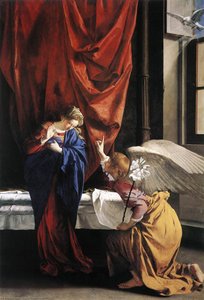
Gentileschi’s oeuvre is characterized by several distinctive features. His use of *tenebrism*, while influenced by Caravaggio, was always tempered with a sense of balance and harmony. He favored bright, vibrant colors – reds, blues, and golds – to create dramatic effects and draw attention to key elements within his compositions. His figures were rendered with remarkable anatomical accuracy and psychological depth, conveying a wide range of emotions through subtle gestures and expressions. Gentileschi was particularly adept at depicting women, imbuing them with strength, dignity, and vulnerability. His paintings often featured dynamic diagonals and carefully arranged figures, drawing the viewer’s eye through the scene and emphasizing the drama unfolding before them. Notable works include “Danae,” a powerful depiction of mythological excess; "The Annunciation," showcasing his mastery of light and shadow; and “The Virgin Mary,” radiating serenity and grace.Legacy and Lasting Impact
Orazio Gentileschi’s contributions to the world of art are multifaceted. He bridged the gap between Mannerism and Baroque, absorbing the innovations of Caravaggio while forging his own distinctive style. His use of vibrant colors, dramatic compositions, and refined technique influenced a generation of artists across Europe. He was instrumental in introducing Caravaggism to England, leaving an indelible mark on the artistic landscape there. But perhaps his most enduring legacy lies in his daughter, Artemisia Gentileschi. Trained in her father’s studio, she emerged as one of the most celebrated female painters of the Baroque era, carrying forward the family's artistic tradition and achieving renown in her own right. Today, Gentileschi’s works are held in prestigious museums and galleries worldwide – from the Uffizi Gallery in Florence to the Accademia Gallery in Venice – testaments to his enduring brilliance and lasting impact on the history of art. His paintings continue to captivate viewers with their emotional depth, technical virtuosity, and timeless beauty.- Major Works: “Danae”, "The Annunciation", “The Virgin Mary”
- Key Influences: Mannerism, Caravaggio
- Artistic Style: Baroque, Dramatic compositions, Bright colors.

Orazio Dżentilesci
1563 - 1639 , Włochy
Krótka nota
- Artistic Movement Or Style: Barok, Karawaggizm
- Artists Or Movements Influenced By This Artist:
- Barok włoski
- Mannernismo
- Artists Who Influenced This Artist:
- Karawaggio
- Francesco da Sangallo
- Date Of Birth: 1563
- Date Of Death: 1639
- Full Name: Orazio Gentileschi
- Nationality: Włoski
- Notable Artworks:
- Danae
- Anielina
- Panna Maria
- Place Of Birth: Tuscany, Włochy
Powiązane artykuły
Decoding Baroque Grandeur: A Guide to the Drama and Emotion of 17th-Century Art
Explore the breathtaking drama of 17th-century Baroque art. Our expert guide decodes the use of chiaroscuro, emotional intensity, and historical grandeur to help you appreciate and curate timeless masterpieces for your collection.

Baroque Classicism: The Grandeur of Order and Drama in 17th-Century Art History
Explore the profound elegance of Baroque Classicism. Discover how 17th-century masters synthesized dramatic emotion with classical order through the lens of the Counter-Reformation and the works of legends like Carlo Maratta and Andrea Sacchi.

Barokowe arcydzieła: 10 obrazów, które zdefiniowały epokę | OriginalUniqueArt.com
Odkryj 10 arcydzieł baroku! Caravaggio, Rembrandt, Rubens i inni artyści, którzy zdefiniowali epokę. Poznaj historie, techniki i inspiracje tych niezwykłych obrazów. Reprodukcje najwyższej jakości na OriginalUniqueArt.com – idealne do Twojego wnętrza!

Dramatyczny Rozkwit Baroku: Dziedzictwo Sztuki Kontrreformacji i Mistrzowie Chiaroscuro
Odkryj dramatyczny świat baroku! Poznaj historię sztuki kontrreformacji, mistrzów chiaroscuro i weneckich arcydzieł. Reprodukcje najwyższej jakości na OriginalUniqueArt.com.
Barokowy Klasycyzm: Synteza Dramatu i Porządku w Sztuce XVII Wieku
Poznaj fascynujący świat barokowego klasycyzmu! Analiza ideologii kontrreformacji, syntezy antyku z dramatyzmem oraz mistrzowskich technik malarskich. Ekspercka wiedza o sztuce XVII wieku.