Zobacz w skali 1:1
 Wyślij
 Udostępnij
 Szczegóły

 Pobierz plik obrazu
 Podobne obiekty
 RTG
RTG Pokaz slajdów
 Statystyki
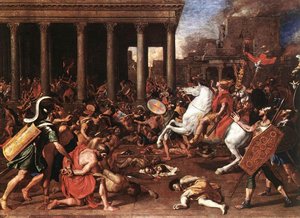
Midas and Bacchus
 Olej na płótnie
- Sztuka ścienna
- Baroque
 1629
1629- Wczesna nowożytność
 98.0 x 130.0 cm
 Alte Pinakothek
 Czytaj więcej
Giclée / Wydruk artystyczny
Wydruki giclée lub płótna o jakości muzealnej, szybka realizacja i szeroki wybór opcji wykończenia. ( Kup ręcznie malowany obraz Przełącz na wersję cyfrową)




P118B $10

P118H $10

P118W $10

P438Z $10

P508JH $12

P508YH $12

P805H $10

P805Z $10

P919BZ $10

P919G $10

P919XJ $10

P959ZH $10

P968JZ $12

W106C $8

W218G $10

W218JH $8

W218Y $10

W307PJ $10

W316G $10

W316PJ $8

W316Y $10

W398PJ $8

W4111J $10

W500HY $15

W500JH $15

W692G $12

W849H $8

W940BG $15

W953PJ $8




Wybierz spośród naszych standardowych rozmiarów, które zachowują oryginalne proporcje dzieła sztuki.

Możesz wprowadzić własne wymiary, aby dopasować dzieło do konkretnej ramy lub przestrzeni. Jeśli wybrany rozmiar nie będzie odpowiadał proporcjom oryginalnego obrazu, przytniecie dzieło lub rozszerzymy obraz za pomocą odbicia lustrzanego lub jednolitego wypełnienia krawędzi. Przed rozpoczęciem produkcji prześlemy cyfrową wizualizację do Twojej akceptacji.
Prosimy pamiętać, że podgląd na ekranie nie odzwierciedla faktycznego przycinania ani rozszerzania. Tylko wizualizacja dokładnie pokaże końcową kompozycję.
Mimo dostępności niestandardowych rozmiarów, zalecamy wybór wymiaru z listy zdefiniowanej, aby zachować oryginalne proporcje.
Dostawa na cały świat () w ciągu 2 tygodni zamiast standardowych 4/5 tygodni. (19 Wrzesień)

Bezpłatna ekspresowa wysyłka na cały świat

Wysokiej jakości płótno lniane

Pełne ubezpieczenie transportowe

Gwarancja zwrotu należności celnych i podatków importowych

Gwarancja idealnego odwzorowania barw

100-dniowy okres na zwrot dzieła w przypadku wykrycia wad produkcyjnych

Gwarancja 100% zwrotu pieniędzy

Oferta przy zakupie wielu sztuk
 Opcja ze szkłem jest dostępna wyłącznie w rozmiarach poniżej 110 cm

Midas and Bacchus
Giclée / Wydruk artystyczny
Rozmiar reprodukcji
-


Suma do zapłaty
$ 80
Subject and Narrative: The Myth of Midas and Bacchus
Nicolas Poussin's "Midas and Bacchus," painted in 1629, vividly portrays a pivotal moment from Greek mythology. The scene depicts King Midas, renowned for his unfortunate wish that everything he touched would turn to gold, seeking redemption from the god of wine and revelry, Bacchus. The painting captures Midas kneeling humbly before Bacchus, seemingly pleading for relief from the curse that has rendered even sustenance unattainable. Bacchus, in turn, appears compassionate, extending a hand towards the suffering king while holding a cup – a symbol of his domain over wine and pleasure, now juxtaposed with Midas's desperate situation. The presence of Silenus, Bacchus’s companion, adds to the mythological richness of the scene, representing wisdom and indulgence. The inclusion of nymphs, fauns, and shepherds populating the idyllic landscape further enhances the narrative depth, grounding the divine encounter within a pastoral setting.
Style and Technique: Classical Harmony and Baroque Drama
"Midas and Bacchus" exemplifies Poussin's signature style – a blend of classical restraint and Baroque drama. Poussin was deeply influenced by Renaissance art and sought to emulate the clarity, balance, and intellectual rigor of artists like Raphael. This is evident in the painting’s carefully structured composition, where figures are arranged with geometric precision, creating a sense of order and harmony. However, the work also showcases elements characteristic of the Baroque period, such as dramatic lighting and emotional intensity. Poussin's masterful use of oil paint allows for subtle gradations of color and texture, bringing depth and realism to the scene. The meticulous attention to detail in rendering fabrics, foliage, and human anatomy demonstrates his technical skill and dedication to artistic perfection. The overall effect is a visually stunning representation that balances intellectual contemplation with emotional resonance.
Historical Context: A Reflection on Human Nature
Painted during the Baroque era, "Midas and Bacchus" reflects broader cultural trends of the time. The 17th century was marked by religious conflict, political upheaval, and a renewed interest in classical antiquity. Poussin’s work often explored themes of morality, virtue, and human fallibility, drawing inspiration from mythology and history to comment on contemporary society. The story of Midas serves as a cautionary tale about the dangers of greed and unchecked desire – a message that would have resonated with audiences grappling with economic inequality and social unrest. Furthermore, Poussin’s emphasis on classical ideals aligned with the Baroque era's fascination with ancient Greece and Rome, contributing to the revival of classical forms and themes in art.
Symbolism and Emotional Impact: A Meditation on Transience
Beyond its narrative content, "Midas and Bacchus" is rich in symbolic meaning. The golden touch, initially perceived as a blessing, becomes a curse, symbolizing the fleeting nature of material wealth and the importance of appreciating true values. Bacchus’s presence represents both indulgence and divine power – a reminder that even gods can offer mercy to those who demonstrate humility. The idyllic landscape surrounding the figures serves as a backdrop for this profound encounter, highlighting the contrast between the ephemeral pleasures of earthly life and the enduring truths of human existence. Emotionally, the painting evokes a sense of pathos and contemplation. Midas’s despair is palpable, while Bacchus's compassion inspires hope. The overall effect is a deeply moving work that invites viewers to reflect on their own desires, values, and place in the world.
A Timeless Masterpiece: Enduring Appeal
"Midas and Bacchus" remains a celebrated masterpiece of Baroque art, admired for its technical brilliance, intellectual depth, and emotional power. Its enduring appeal lies in its ability to transcend time and culture, offering timeless insights into the human condition. Whether viewed as a historical artifact or a source of artistic inspiration, this painting continues to captivate audiences with its beauty and profound message.
Biografia artysty
Nicolas Poussin - A Life Steeped in Classical Reverie
Nicolas Poussin, a name synonymous with the grandeur of French Baroque painting, was nonetheless a soul deeply rooted in Italian soil for much of his artistic life. Born in Les Andelys, Normandy, in June 1594, his early years remain somewhat veiled in mystery, yet they undoubtedly laid the foundation for a career that would become pivotal in shaping the classical tradition within French art. Though he briefly studied in Paris during the early 1610s, absorbing influences from lesser-known artists of the time—primarily Jean Baptiste Oudry and Nicolas Tourigny—it was his journey to Rome in 1624 that truly ignited his artistic destiny. This wasn’t merely a geographical relocation; it was an immersion into the heart of antiquity, a pilgrimage to the very source of inspiration that would define his aesthetic vision. Poussin's initial forays into painting were marked by a sensuous quality reminiscent of Venetian masters like Titian—particularly in his early landscapes—yet even in these works, a nascent sense of order and intellectual rigor began to emerge—a foreshadowing of the style he would so masterfully refine. He experimented with color palettes inspired by Venetian painters, capturing atmospheric effects with remarkable subtlety.The Roman Years: Forging a Classical Ideal
Rome proved to be more than just a studio for Poussin; it became his intellectual crucible. He found himself amidst a vibrant circle of scholars, archaeologists, and fellow artists, notably Cassiano dal Pozzo, whose profound understanding of classical antiquity profoundly influenced the artist’s approach. Dal Pozzo's dedication to meticulously documenting ancient remains instilled in Poussin a deep respect for historical accuracy and a desire to imbue his paintings with a sense of timelessness. This period saw Poussin move away from the flamboyant exuberance of some of his contemporaries, instead embracing a style characterized by clarity, balance, and a deliberate emphasis on linear composition. He meticulously studied Raphael’s works—particularly *The School of Athens*—absorbing their harmonious arrangements and graceful forms, while simultaneously drawing inspiration from ancient sculptures and literary sources like Ovid's *Metamorphoses*. His paintings began to populate with figures drawn from classical history and mythology, rendered not as mere decorative elements but as embodiments of moral virtues and philosophical ideals. He sought to emulate Raphael’s masterful use of perspective and idealized forms, striving for a visual elegance that transcended the conventions of his time.Influences and Artistic Development
Poussin's artistic development was shaped by several key influences. Initially drawn to Venetian painting—particularly Titian’s luminous color palettes—he quickly recognized the superiority of Raphael’s classical style as a model for achieving artistic excellence. He absorbed the principles of linear perspective, mastering techniques that allowed him to create illusionistic depth and convey a sense of grandeur. Furthermore, his engagement with humanist scholarship fostered an appreciation for moral philosophy and informed his thematic choices. The rediscovery of classical sculpture—particularly Michelangelo’s Pietà—provided him with visual references that would resonate throughout his oeuvre. He diligently studied the works of Agrippa Vespasiani and Andrea Palladio, incorporating architectural elements into his landscapes to heighten their sense of scale and harmony.Major Achievements: Mythological Narratives and Landscape Visions
Poussin’s artistic output was remarkably diverse, yet consistently united by his commitment to these core principles. He achieved international renown for his monumental mythological paintings—particularly *Et in Arcadia ego*, which became a symbol of humanist contemplation on mortality and the enduring power of memory. This masterpiece exemplifies his mastery of classical composition and his ability to convey profound philosophical ideas through visual imagery. Beyond mythology, he produced stunning landscapes that captured the beauty and sublimity of nature with unparalleled sensitivity. His series depicting the Seasons—a testament to his artistic virtuosity—demonstrated his command of color and light, creating vistas that evoked a sense of serenity and timelessness. He skillfully blended realism with idealized forms, elevating landscape painting to new heights of aesthetic achievement.A Lasting Legacy: Shaping French Art
Despite spending the majority of his career abroad—primarily in Rome—Poussin’s influence on French art was immense. He briefly returned to Paris in 1640 at the behest of Cardinal Richelieu, appointed as First Painter to the King—a position he held until his death in 1665—but found himself stifled by the demands and intrigues of court life. He soon returned to Rome, where he continued to paint until his final days, refining his style and exploring new artistic horizons. His dedication to classical principles helped establish a standard for artistic training and practice within France, influencing generations of artists who followed. Artists like Jacques-Louis David and Paul Cézanne openly acknowledged their debt to Poussin’s rigorous approach and intellectual depth—a testament to an artist who sought not simply to depict the world but to elevate it through the lens of reason and beauty. He became a cornerstone of French Classicism, securing his place as one of the most celebrated painters of his era.- Notable Works: *The Death of Germanicus*, *The Seven Sacraments Series*, *A Roman Road*, *Orion Blinded Searching for the Sun*, *The Seasons*.
- Key Characteristics: Classical Composition, Linearity, Historical and Mythological Themes, Serene Landscapes.

Nikola Poussin
1594 - 1665 , Francja
Najważniejsze informacje
- Artistic Movement Or Style: Barok Klasyczny
- Artists Or Movements Influenced By This Artist:
- Jacques-Louis David
- Paul Cézanne
- Artists Who Influenced This Artist:
- Raphael
- Titian
- Date Of Birth: 1594
- Date Of Death: 1665
- Full Name: Nicolas Poussin
- Nationality: Francuzi
- Notable Artworks:
- Święcenia
- Wenus prezentująca uzbrojenie dla Eneusza
- Zimowa Rozkosz
- Place Of Birth: Les Andelys, Francja
Zobacz także powiązane artykuły
Barokowe arcydzieła malarstwa: 10 obrazów, które zmieniły historię sztuki | OriginalUniqueArt
Odkryj 10 arcydzieł malarstwa barokowego! Caravaggio, Rembrandt, Rubens i inni mistrzowie. Poznaj historie, techniki i dramatyzm w sztuce. Reprodukcje obrazów najwyższej jakości na OriginalUniqueArt.com – zainspiruj się i udekoruj swoje wnętrze!

Dramatyczny Rozkwit Baroku: Dziedzictwo Sztuki Kontrreformacji i Mistrzowie Chiaroscuro
Odkryj dramatyczny świat baroku! Poznaj historię sztuki kontrreformacji, mistrzów chiaroscuro i weneckich arcydzieł. Reprodukcje najwyższej jakości na OriginalUniqueArt.com.

Barokowy Dramat we Wnętrzach: Sztuka Przepychu i Elegancji w Twoim Domu
Odkryj świat barokowego przepychu! Porady ekspertów jak wprowadzić elegancję i dramat do Twojego wnętrza. Inspiracje, charakterystyka stylu i praktyczne wskazówki.
Nicolas Poussin: Classicism, Allegory & Order in 17th-Century French Painting
Explore the life & work of Nicolas Poussin, a master of French Classicism. Discover his allegorical paintings, Roman influences, and enduring impact on art history. Expert analysis & insights.

Barokowe arcydzieła: 10 obrazów, które zdefiniowały epokę | OriginalUniqueArt.com
Odkryj 10 arcydzieł baroku! Caravaggio, Rembrandt, Rubens i inni artyści, którzy zdefiniowali epokę. Poznaj historie, techniki i inspiracje tych niezwykłych obrazów. Reprodukcje najwyższej jakości na OriginalUniqueArt.com – idealne do Twojego wnętrza!