Early Renaissance · 1461
Triptych (Nicolas Froment, 1461)
Nicolas Froment (1430–1484) stworzył Triptych. Dzieło pochodzi z 1461. Należy do nurtu Early Renaissance. Wykonano w technice Oil On Panel. Przechowywane jest w Galleria degli Uffizi w Florencja, Włochy. Wymiary to 134 × 175 cm.
- 1461
- Oil On Panel
- 134 × 175 cm
- Galleria degli Uffizi, Florencja

 Podgląd w skali 1:1

 Ręcznie malowany obraz olejny
 Wyślij jako kartkę
 Udostępnij
 Karta informacyjna


 Pobierz obraz
 Podobne obiekty
 RTG
 Pokaz slajdów
 Pytania i odpowiedzi

 Statystyki
Triptych w skrócie
- Tytuł
- Triptych
- Artysta
- Nicolas Froment (1430–1484)
- Miejsce urodzenia artysty
- Uzès, Francja
- Data powstania
- 1461
- Technika wykonania
- Oil On Panel
- Wymiary
- 134 × 175 cm
- Gdzie można je zobaczyć
- Galleria degli Uffizi, Florencja, Włochy
- Epoka
- Renaissance
- Temat
- triptych, life of christ, crucifixion, resurrection, religious art, biblical scene
Co przedstawia Triptych?
A Divine Narrative in Wood and Pigment
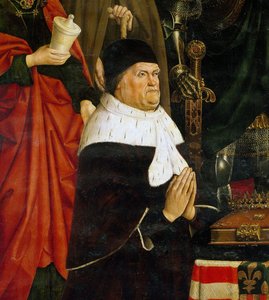
Behold this magnificent triptych, a profound meditation on the life of Jesus Christ, executed by the master hand of Nicolas Froment in 1461. This work is not merely a depiction; it is a devotional journey across three pivotal moments of Christian history—the serene beginnings, the agonizing sacrifice, and the triumphant dawn of resurrection. The sheer narrative scope contained within these panels invites the viewer into an intimate dialogue with sacred storytelling. From the gentle glow surrounding the Nativity scene in the first panel, where Mary cradles the infant Jesus amidst shepherds and angels, to the dramatic tension etched into the crucifixion tableau, and finally to the radiant emergence from the tomb, each segment pulses with untold human drama and divine mystery.
Mastery of the Early Renaissance Style
Nicolas Froment stands at a fascinating crossroads in art history—a painter whose work beautifully bridges the lingering grace of the Gothic tradition with the burgeoning naturalism whispered by Flemish influences. His technique, characteristic of the Second School of Avignon, allows for an astonishing level of detail while maintaining a spiritual resonance. Observe the figures: they are not static icons but breathing participants. The drapery falls with convincing weight, and the faces carry distinct, palpable emotions—a mixture of awe, sorrow, piety, and wonder. This commitment to naturalism, coupled with the vibrant palette achieved through meticulous hand-painting, gives the entire piece an immediate, almost tangible presence that transcends its age.
Symbolism and Emotional Resonance
The symbolism woven throughout this triptych is rich and deeply layered. The progression from birth to death to resurrection encapsulates the core tenets of Christian faith—the cycle of sacrifice leading inevitably to eternal life. Each figure, whether a Roman soldier, a grieving disciple, or an angelic messenger, carries symbolic weight. For the modern collector or decorator, owning such a piece means acquiring more than just art; it is acquiring a focal point for contemplation and spiritual reflection. The vibrant colors are employed not just for beauty, but to heighten the emotional stakes of each scene, drawing the eye through the narrative arc.
A Statement Piece for Any Grand Interior
Measuring 175 x 134 cm, this triptych possesses a commanding presence. It is designed to anchor a significant space—perhaps a grand hall, a library, or a chapel-inspired room. While the original wood paneling speaks of centuries of history, acquiring a high-quality reproduction allows you to integrate this monumental piece of art into your contemporary décor with confidence. The depth and complexity of Froment’s vision ensure that it will remain a captivating centerpiece, drawing admiration for its masterful execution and profound subject matter.
W którym muzeum znajduje się Triptych?
Galleria degli Uffizi
Florencja, Włochy
Historia i korzenie Galleria degli Uffizi Galleria degli Uffizi spoczywa w samym sercu Florencji, we Włoszech. Ta wyjątkowa instytucja została powołana do życia w 1560 roku, w czasach, gdy budynek został pierwotnie zaprojektowany przez Giorgiego Vasariego z myślą o florenckich magistratach. Proces wznoszenia tej monumentalnej struktury trwał od 1560 do 1580 roku, a powstałe wówczas biura administracyjne miały za zadanie scentralizować działania licznych komitetów i urzędów miejskich rządu.


Zdjęcia w wysokiej rozdzielczości dzieła Triptych

Domena publiczna: artysta zmarł w 1484.
Inne rozmiary, kadrowanie i cytowanie →Nicolas Froment, Triptych (1461), Galleria degli Uffizi. Domena publiczna
Kolory dopasowane do oryginału przez cyfrowego eksperta, plik poddany precyzyjnej retuszy, wierny pociągnięciom pędzla artysty.
Kup plik w wysokiej rozdzielczościOdpowiedzi na pytania dotyczące Triptych
Gdzie można obecnie zobaczyć dzieło „Triptych” – Nicolas Froment?
Oryginał dzieła „Triptych” można zobaczyć w Galleria degli Uffizi, Florencja, Włochy.
W którym roku powstało dzieło „Triptych” – Nicolas Froment?
„Triptych” – Nicolas Froment powstało w 1461.
W jakiej technice wykonano „Triptych” – Nicolas Froment?
„Triptych” wykonano w technice Oil On Panel.
Jakie są rzeczywiste wymiary dzieła „Triptych” – Nicolas Froment?
Wymiary dzieła „Triptych” – Nicolas Froment to 175 x 134 cm. Reprodukcje można zamówić w innych rozmiarach, zachowując te same proporcje.
Co przedstawia „Triptych” – Nicolas Froment?
„Triptych” – Nicolas Froment przedstawia: triptych, life of christ, crucifixion, resurrection, religious art, biblical scene.
Czy obraz „Triptych” – Nicolas Froment można swobodnie reprodukować?
Status praw autorskich dla „Triptych” – Nicolas Froment: dzieło znajduje się w należy do domeny publicznej – autorskie prawa majątkowe wygasły. Określa to, czy reprodukcje obrazu mogą być sporządzane swobodnie.
Kto stworzył "Triptych"?
„Triptych” zostało stworzone przez Nicolas Froment. Informacje na tej stronie dotyczą oryginalnego dzieła autorstwa Nicolas Froment.
Do jakiego nurtu należy "Triptych"?
„Triptych” – Nicolas Froment należy do nurtu Early Renaissance. Nurt ten stanowi stylistyczny kontekst dzieła.
Do którego etapu twórczości Nicolas Froment należy dzieło „Triptych”?
„Triptych” pochodzi z okresu Early Renaissance w twórczości Nicolas Froment. Klasyfikacja ta wiąże dzieło z rozwojem artysty.
O artyście: Nicolas Froment
1430–1484, Francja
Nicolas Froment
Nicolas Froment: Flamandzkie echo w prowanskim renesansie Nicolas Froment (ok. 1435 – ok. 1486) jawi się jako postać kluczowa dla Drugiej Szkoły Awilońskiej, stanowiąc istotny punkt zwrotny między gotycką tradycją a rodzącym się flamandzkim naturalizmem w sztuce francuskiej XV wieku. Urodzony w Uzès we Francji, artysta tworzył w czasach głęboko naznaczonych mecenatem papieskim oraz fascynacją ideałami włoskiego renesansu—dynamika ta napędzała eksperymenty stylistyczne i ostatecznie ugruntowała jego pozycję jako jednego z najbardziej cenionych malarzy Prowansji.
Inne prace Nicolas Froment
 The Burning Bush (detail)1476
 Matheron Diptych1474
 The Raising of Lazarus1461
 The Pérussis Altarpiece1480

Eseje o Triptych
 The Statement Wall: Mastering Large-Scale Art for Commanding InteriorsMaster the art of commanding interiors with our expert guide to large-scale statement walls. Discover how premium, museum-quality oil paint…
 25 Masterpieces by Rogier van der Weyden: The Pinnacle of Emotional ArtImmerse yourself in the profound emotion of Rogier van der Weyden’s greatest works. From Northern Renaissance mastery to exquisite textures…
 25 Masterpieces by Giotto di Bondone: The Father of Renaissance ArtJourney through the revolutionary world of Giotto di Bondone. Explore 25 iconic masterpieces that bridged the Medieval and Renaissance eras…