

 Podgląd w skali
 Wyślij jako kartkę
 Udostępnij
 Szczegóły dzieła

 Pobierz
 Podobne obiekty
 RTG
RTG Pokaz slajdów
 Statystyki
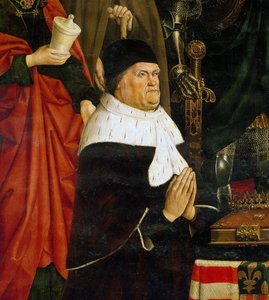
Matheron Diptych


 Rozwiń treść
Ręcznie malowana reprodukcja olejowa
Ręcznie malowany obraz olejny na płótnie, wykonany na zamówienie przez naszych artystów w wybranym przez Ciebie wymiarze i oprawie. ( Przełącz na wydruki Przełącz na obraz cyfrowy)




































Wybierz spośród naszych standardowych rozmiarów, które zachowują oryginalne proporcje dzieła sztuki.

Możesz wprowadzić własne wymiary, aby dopasować obraz do konkretnej ramy lub przestrzeni. Jeśli wybrany rozmiar nie będzie odpowiadał proporcjom oryginału, przytniecie dzieło sztuki lub rozszerzymy je o dodatkowe elementy, ręcznie domalowane przez artystę. Przed rozpoczęciem produkcji wyślemy projekt cyfrowy do Twojej akceptacji.
Należy pamiętać, że podgląd na ekranie nie odzwierciedla rzeczywistego przycinania ani rozszerzania obrazu. Tylko projekt dokładnie pokaże ostateczną kompozycję.
Choć oferujemy możliwość zamówienia niestandardowych rozmiarów, zalecamy wybór wymiaru z gotowej listy, aby zachować oryginalne proporcje dzieła.
Po złożeniu zamówienia zespół OriginalUniqueArt.com skontaktuje się z klientem drogą mailową w celu uzyskania instrukcji i prześle wizualizację projektu
Dostawa na całym świecie () w ciągu 3–4 tygodni zamiast standardowych 5 tygodni. (15 Wrzesień). Bez kompromisów w kwestii jakości.

Bezpłatna ekspresowa wysyłka na cały świat

Wysokiej jakości płótno lniane

Pełne ubezpieczenie przesyłki

Gwarancja zwrotu należności celnych i podatków importowych

Gwarancja wiernego odwzorowania kolorów

100-dniowa polityka zwrotów (tylko w przypadku wad)

Gwarancja 100% zwrotu kosztów

Zniżka przy zamówieniu wielu produktów
 Opcja ze szkłem jest dostępna wyłącznie w rozmiarach poniżej 110 cm

Matheron Diptych
Technika reprodukcji
Wymiary reprodukcji
-


Cena całkowita
$ 300
O artyście
Nicolas Froment: A Flemish Echo in Early Renaissance Provence
Nicolas Froment (c. 1435 – c. 1486) stands as a pivotal figure within the Second School of Avignon, marking a crucial juncture between Gothic tradition and burgeoning Flemish naturalism in French art during the fifteenth century. Born in Uzès, France, Froment’s artistic trajectory coincided with an era profoundly impacted by papal patronage and the allure of Italian Renaissance ideals—a dynamic that fueled stylistic experimentation and ultimately cemented his place as one of Provence's most celebrated painters.- Early Life & Training: Precise biographical details surrounding Froment’s formative years remain elusive, contributing to ongoing scholarly debate regarding his artistic origins. However, evidence suggests he honed his skills in Paris under the tutelage of Jean Fouquet, a prominent Gothic artist whose influence undeniably shaped Froment's initial stylistic sensibilities.
- The Avignon School & Flemish Influence: Froment’s involvement with the Second School of Avignon—a collective striving to revitalize artistic expression amidst papal exile—was instrumental in introducing Flemish painting techniques into France. Artists like Rogier van der Weyden and Hugo van der Goes had revolutionized European art with their masterful depictions of realism, emotional intensity, and meticulous detail—principles that Froment skillfully adopted.
Notable Works & Artistic Style
Froment’s oeuvre is characterized by a distinctive blend of Gothic elegance and Flemish naturalism. He achieved considerable renown for his monumental altarpiece commissioned in Aix-en-Provence for Catherine Spifami, depicting the Passion of Christ and incorporating scenes from Mary Magdalene's life—a testament to the prevailing devotional fervor of the time. Particularly noteworthy is “The Burning Bush,” a panel painting housed at the Metropolitan Museum of Art in New York, showcasing Froment’s masterful command of color and texture. The composition captures the dramatic moment of Moses encountering God amidst flames, embodying profound spiritual symbolism.- "The Burning Bush" exemplifies Froment's ability to convey emotion through meticulous observation and skillful brushwork—a hallmark of Flemish painting.
- His retable des Pérussis, also located at the Metropolitan Museum of Art, further demonstrates his engagement with Flemish naturalism, presenting a vibrant portrayal of the adoration of the Holy Cross.
Legacy & Historical Significance
Despite challenges in definitively attributing numerous works to Froment—a common predicament faced by artists of his era—his contribution to French art history remains undeniable. He stands as a pivotal conduit for disseminating Flemish artistic innovations, propelling the Second School of Avignon toward a more expressive and realistic aesthetic. Furthermore, Froment’s work serves as an invaluable window into the cultural landscape of fifteenth-century Provence, reflecting both the enduring legacy of Gothic tradition and the transformative impact of Renaissance ideals—a synthesis that continues to inspire admiration among art historians and collectors alike.Further Exploration
For a deeper understanding of Nicolas Froment’s artistic achievements and his role in shaping French Renaissance art, consult resources such as:- Wikipedia:
- Britannica:
Nicolas Froment
1430 - 1484 , France
Krótka nota
- Artistic Movement Or Style: Early Renaissance; Flemish Style
- Artists Or Movements Influenced By This Artist: ['Italian Art']
- Artists Who Influenced This Artist: ['Flemish Artists']
- Date Of Birth: c. 1435
- Date Of Death: c. 1486
- Full Name: Nicolas Froment
- Nationality: French
- Notable Artworks:
- The Burning Bush
- Triptych of the Burning Bush
- Place Of Birth: Uzès, France