

 Podgląd w skali 1:1
 Wyślij jako kartkę
 Udostępnij
 Szczegóły dzieła
 Przewodnik

 Pobierz obraz
 Podobne obiekty
 RTG
RTG Pokaz slajdów
 Statystyki
Polikrates


 Rozwiń treść
Giclée / Wydruk artystyczny
Wydruki giclée lub płótna o jakości muzealnej, szybka realizacja i szeroki wybór opcji wykończenia. ( Zamów ręcznie malowaną reprodukcję Przejdź do wersji cyfrowej)




P118B zł10

P118H zł10

P118W zł10

P438Z zł10

P508JH zł12

P508YH zł12

P805H zł10

P805Z zł10

P919BZ zł10

P919G zł10

P919XJ zł10

P959ZH zł10

P968JZ zł12

W106C zł8

W218G zł10

W218JH zł8

W218Y zł10

W307PJ zł10

W316G zł10

W316PJ zł8

W316Y zł10

W398PJ zł8

W4111J zł10

W500HY zł15

W500JH zł15

W692G zł12

W849H zł8

W940BG zł15

W953PJ zł8




Wybierz spośród naszych standardowych rozmiarów, które zachowują oryginalne proporcje dzieła sztuki.

Wpisz wymaganą szerokość i wysokość, aby dopasować grafikę do ramy lub ściany. Wydruk można jedynie przyciąć, nigdy nie powiększając go poza oryginalny obraz, dlatego format o innych proporcjach spowoduje utratę części kompozycji. Przed rozpoczęciem druku prześlemy Ci cyfrowy podgląd do zatwierdzenia. Obraz wyświetlany na tej stronie nie pokazuje rzeczywistego przycięcia — jedynie podgląd oddaje ten efekt.
Dostawa na cały świat () w ciągu 2 tygodni zamiast standardowych 4/5 tygodni. (28 Październik)

Bezpłatna ekspresowa wysyłka na cały świat

Wysokiej jakości płótno lniane

Pełne ubezpieczenie przesyłki

Gwarancja zwrotu należności celnych i podatków importowych

Gwarancja wiernego odwzorowania kolorów

100-dniowa polityka zwrotów (tylko w przypadku wad)

Gwarancja 100% zwrotu pieniędzy

Zniżka przy zakupie wielu sztuk
 Opcja ze szkłem jest dostępna wyłącznie w rozmiarach poniżej 110 cm

Polikrates
Giclée / Wydruk artystyczny
Wymiary reprodukcji
-


Cena całkowita
zł 307
Mikhail Kozlovsky’s Polycrates: A Titan Wrestled with Mortality
The sculpture of Polycrates by Mikhail Ivanovich Kozlovsky (1790) stands as a testament to the Romantic spirit of its time—a dramatic portrayal of human struggle against inevitable decay, rendered in meticulously crafted gypsum. More than just an aesthetically pleasing object, it embodies profound philosophical questions about life’s fleeting beauty and the confrontation with death itself, themes that resonated deeply within European intellectual circles during the Napoleonic era.- Subject Matter: Kozlovsky's depiction draws inspiration from classical mythology—specifically, the legend of Polycrates, Tyrant of Samos. The figure embodies a heroic posture, reaching upwards with one arm as if striving for divine grace, while his body twists downwards in a gesture of defeat and vulnerability. This juxtaposition powerfully communicates the paradox of human existence: ambition pursued relentlessly can ultimately lead to downfall.
- Style & Influence: Kozlovsky’s work firmly establishes itself within Neoclassical sculpture—a stylistic movement that sought to revive the ideals of ancient Greece and Rome, rejecting the excesses of Baroque ornamentation. The sculptor skillfully employs idealized forms and restrained emotion, prioritizing anatomical accuracy and sculptural dynamism over theatrical grandeur.
- Technique: Kozlovsky’s mastery lies in his meticulous carving technique. Gypsum was chosen for its ability to capture subtle nuances of form and texture—a deliberate decision reflecting the Romantic preoccupation with capturing the essence of nature and human experience. The sculptor achieved remarkable detail through painstaking chiseling and polishing, resulting in a surface that exudes both solidity and luminosity.
- Historical Context: Created during Napoleon’s reign, Polycrates reflects the anxieties surrounding mortality prevalent in the period. The sculpture serves as an allegorical response to contemporary events—the turbulent political landscape of Europe grappling with revolutionary fervor and imperial ambition. Kozlovsky's intention was to convey the urgency of confronting existential dilemmas.
- Symbolism: The upward reach of Polycrates’ arm symbolizes aspiration, hope, and defiance against fate—a visual representation of the human spirit’s yearning for transcendence. Simultaneously, his downward twist embodies vulnerability, defeat, and acceptance of mortality. These contrasting gestures underscore the sculpture's central message: life is a battle between ambition and inevitable decline.
Detailed Analysis of Form and Texture
The sculpture’s composition prioritizes conveying volume and form through masterful modeling—a technique that distinguishes Kozlovsky from earlier sculptors who favored more decorative approaches. Strong lines delineate the musculature and drapery, creating a sense of sculptural tension and movement. Cylindrical shapes dominate the torso and limbs, reinforcing the figure's stability while simultaneously emphasizing its dynamism. Careful attention to surface texture contributes significantly to the sculpture’s expressive power—the gypsum is polished to achieve an almost ethereal sheen, highlighting subtle variations in tone that enhance the illusion of realism. The sculptor skillfully captures the interplay between light and shadow, creating dramatic contrasts that accentuate the contours of the figure and heighten its emotional impact.A Legacy of Romantic Idealism
Kozlovsky’s Polycrates exemplifies the Romantic aesthetic—characterized by an emphasis on emotion, imagination, and individualism. Unlike the rational idealism championed by Enlightenment thinkers, Romantic art sought to explore the darker recesses of human experience—fear, sorrow, and despair—acknowledging the limitations of human understanding. Kozlovsky's sculpture transcends mere representation; it communicates a profound meditation on the human condition—a poignant reminder that even the most valiant efforts to conquer mortality are ultimately futile.The Sculpture’s Impact & Artistic Significance
“No one is happy, until alive,” as Greek historian Herodotus famously declared – these words encapsulate Kozlovsky's artistic vision and serve as an epigraph to Polycrates’ sculptural image. The sculpture stands as a cornerstone of Neoclassical art, influencing subsequent generations of sculptors and cementing Kozlovsky’s place among the foremost artists of his era. Its enduring appeal lies in its ability to provoke contemplation on fundamental questions about life, death, and human aspiration—a timeless masterpiece that continues to inspire awe and admiration.Pytania i odpowiedzi
Kto jest autorem dzieła "Polikrates"?
„Polikrates” zostało stworzone przez Michaił Iwanowicz Kozłowski. Informacje na tej stronie dotyczą oryginalnego dzieła autorstwa Michaił Iwanowicz Kozłowski.
Jakie emocje budzi „Polikrates” – Michaił Iwanowicz Kozłowski?
W "Polikrates" nastrojowi Dramatyczny towarzyszy emocja Dramatyczny.
Ile światła zdają się odbijać kolory dzieła "Polikrates"?
Jasność zarejestrowana dla „Polikrates” – Michaił Iwanowicz Kozłowski wynosi Najciemniejszy.
Powiązane artykuły

Urok marmuru w historii sztuki: od klasycznej rzeźby do nowoczesnej abstrakcji
Odkryj fascynującą historię rzeźby marmurowej – od klasycznych arcydzieł po nowoczesną abstrakcję. Poznaj techniki, artystów i wartość kolekcjonerską tego wyjątkowego medium. Ekspercka analiza dla miłośników sztuki.

Trwałe Formy: Ewolucja Technik i Tematów w Rzeźbie Przez Wieki – Od Antyku do Renesansu
Poznaj fascynującą historię rzeźby od antyku do renesansu! Odkryj techniki, wybitnych artystów i wpływ na współczesną sztukę. Ekspercka analiza dla kolekcjonerów i miłośników.

10 Legendarnych Brązów Rzeźbiarskich, Które Zmieniły Sztukę | OriginalUniqueArt
Odkryj 10 legendarnych rzeźb brązowych od Rodina, Degasa i innych mistrzów! Poznaj historię powstania arcydzieł sztuki i inspiruj się do dekoracji wnętrz. Reprodukcje najwyższej jakości na OriginalUniqueArt.com – zobacz kolekcję!
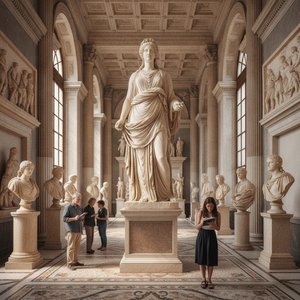
Timeless Grandeur: Exploring the Eternal Beauty and Art-Historical Legacy of Marble Sculpture
Explore the profound legacy of marble sculpture, from Classical antiquity to Neoclassical mastery. A definitive guide for elite collectors and designers seeking to integrate the luminous, eternal beauty of stone into sophisticated, high-end architectural spaces.
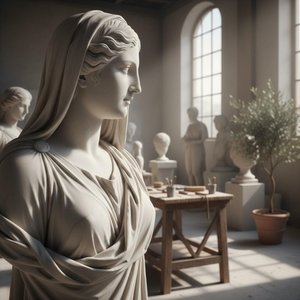
Timeless Elegance: A Complete Guide to the Sublime Beauty and Artistry of Marble Sculpture
Discover the sublime beauty of marble art through an expert exploration of Renaissance and Neoclassical masterpieces. From the delicate textures of Carpeaux to the grandeur of Sansovino, immerse yourself in a guide to timeless elegance and sculptural perfection.

