Abstract Expressionism
Untitled 67 (Mark Rothko)
Mark Rothko (1903–1970) stworzył Untitled 67. Należy do nurtu Abstract Expressionism. Wykonano w technice Acrylic On Canvas.
- Acrylic On Canvas

 Podgląd w skali 1:1

 Ręcznie malowany obraz olejny
 Wyślij jako kartkę
 Udostępnij
 Karta informacyjna


 Pobierz obraz
 Podobne obiekty
 RTG
 Pokaz slajdów
 Pytania i odpowiedzi

 Statystyki
Untitled 67 w skrócie
- Tytuł
- Untitled 67
- Artysta
- Mark Rothko (1903–1970)
- Miejsce urodzenia artysty
- Daugavpils, Łotwa
- Technika wykonania
- Acrylic On Canvas
- Epoka
- Modern
- Temat
- abstract, color field, emotion, melancholy, texture, layered paint
Co przedstawia Untitled 67?
A Window into Rothko’s Inner World: Exploring Untitled 67
This captivating work by Mark Rothko, known simply as *Untitled 67*, is a powerful example of his signature exploration of color and emotion within the Abstract Expressionist movement. Created sometime between 1948-1953, this painting embodies the artist’s transition towards the iconic “color field” style that would define his career. While seemingly simple in its composition, *Untitled 67* is a deeply resonant piece inviting contemplation and introspection.Deconstructing the Abstract Form
At first glance, *Untitled 67* presents as an amorphous landscape of reddish-brown hues. However, closer inspection reveals layers of subtly contrasting tones and textures. The composition isn’t defined by concrete shapes but rather by blurred boundaries and gestural brushstrokes. There's a suggestion – almost ghostly – of a fragmented figure or form emerging from the depths of the paint, obscured as if viewed through a veil of memory or emotion. This ambiguity is central to Rothko’s intent; he wasn’t aiming to depict *what* we see, but rather *how* we feel when looking.Technique and Materials: A Masterful Application
Rothko's technique in *Untitled 67* showcases his mastery of oil paint. The canvas is built up with multiple layers, employing both smooth washes and rougher, more textured applications. Evidence of wet-on-wet painting is apparent – colors bleed and blend seamlessly, creating atmospheric effects and a sense of depth despite the flattened perspective. This layering process isn’t merely about aesthetics; it's integral to conveying emotional weight and complexity. The aged appearance of the work further enhances this feeling, suggesting time, experience, and perhaps even a degree of melancholy.Historical Context: From Figurative Roots to Abstract Expressionism
Born in Latvia and immigrating to the United States as a child, Rothko’s (Marcus Rothkowitz) artistic journey was profoundly shaped by his experiences. Initially working with figurative subjects, he gradually moved towards abstraction following World War II. Influenced by Surrealism and mythology, he sought a visual language capable of expressing universal human emotions – tragedy, ecstasy, doom. *Untitled 67* falls within this pivotal period, demonstrating the artist’s departure from recognizable forms while retaining an intense emotional charge. He became a leading figure in Abstract Expressionism alongside artists like Jackson Pollock and Willem de Kooning, but distinguished himself through his focus on color as the primary vehicle for expression.Symbolism and Emotional Resonance
While Rothko resisted prescriptive interpretations of his work, *Untitled 67* evokes powerful symbolic associations. The obscured figure hints at themes of loss, memory, or the fragility of human existence. The somber reddish-brown palette contributes to a feeling of introspection and quiet contemplation. Rothko believed that color could directly impact the viewer’s emotional state, creating an immersive experience akin to religious awe. He aimed not to illustrate specific narratives but to create spaces for profound personal reflection.Interior Design & Collecting Considerations
*Untitled 67*, or a high-quality reproduction thereof, is a statement piece ideal for modern and contemporary interiors. Its muted palette lends itself well to minimalist settings, while its emotional depth adds complexity and sophistication. The painting’s scale (though unknown in this instance) would dictate its placement – larger versions are best suited for spacious rooms where they can command attention, while smaller iterations work beautifully as focal points in more intimate spaces. As a piece by one of the 20th century's most influential artists, owning or displaying *Untitled 67* is an investment in artistic legacy and emotional power.- Style: Abstract Expressionism, Color Field Painting
- Materials: Oil on Canvas
- Key Themes: Emotion, Memory, Loss, Introspection
- Emotional Impact: Melancholy, Contemplative, Profound
Zdjęcia w wysokiej rozdzielczości dzieła Untitled 67
Chronione prawem autorskim: pliki te służą wyłącznie do osobistego wglądu i nie stanowią licencji na ich powielanie.
Mark Rothko, Untitled 67.
Odpowiedzi na pytania dotyczące Untitled 67
Z jakiej techniki wykorzystano "Untitled 67"?
Mark Rothko wykorzystał/a technikę Acrylic On Canvas w pracy „Untitled 67”. Technika ta definiuje materię oryginalnego dzieła.
Co przedstawia "Untitled 67"?
„Untitled 67” – Mark Rothko przedstawia: abstract, color field, emotion, melancholy, texture, layered paint, rothko, form.
Czy dzieło "Untitled 67" znajduje się w domenie publicznej?
„Untitled 67” – Mark Rothko znajduje się w domenie publicznej (nadal objęte ochroną prawa autorskiego). Status ten określa zasady reprodukcji obrazu tego dzieła.
Kto jest autorem dzieła "Untitled 67"?
Autorem dzieła „Untitled 67” jest Mark Rothko. Praca ta figuruje w katalogu pod nazwiskiem Mark Rothko.
Do jakiego nurtu artystycznego należy „Untitled 67” – Mark Rothko?
„Untitled 67” to dzieło należące do nurtu Abstract Expressionism. Nurt ten określa tradycję artystyczną, w której osadzone jest dzieło.
Do którego okresu twórczości Mark Rothko należy dzieło "Untitled 67"?
W dorobku artystycznym Mark Rothko dzieło „Untitled 67” przypada na Mature Period. Ten etap pozwala zestawić je z innymi pracami twórcy.
Co wyjaśnia sytuację prawną dotyczącą praw autorskich do „Untitled 67” – Mark Rothko?
Dzieło "Untitled 67" autorstwa Mark Rothko znajduje się w nadal objęte ochroną prawa autorskiego. Okres ochrony praw autorskich liczony jest od daty śmierci artysty, a Mark Rothko zmarł(a) w 1970.
Co łączy "Untitled 67" z resztą twórczości Mark Rothko?
"Untitled 67" dzieli z innymi dziełami Mark Rothko styl właściwy dla Abstract Expressionism oraz powracające motywy: late rothko's color focus, shift to pure color, chapel series influence, color field painting, abstract expressionism, minimalist color theory, existentialism, spiritual reflection.
Czy "Untitled 67" wpisuje się w typową tematykę twórczości Mark Rothko?
Wśród motywów charakterystycznych dla twórczości Mark Rothko – takich jak late rothko's color focus, shift to pure color, chapel series influence, color field painting, abstract expressionism, minimalist color theory, existentialism, spiritual reflection – dzieło „Untitled 67” wprowadza własne skupienie na abstract, color field, emotion, melancholy, texture, layered paint, rothko, form.
O artyście: Mark Rothko

1903–1970, Łotwa
Mark Rothko
Wczesne lata życia Marka Rothko Mark Rothko urodził się w 1903 roku jako Markus Yakovlevich Rothkowitz. Jego korzenie sięgają Dwińska w Rosji, w miejscu znanym dziś jako Daugavpils w Łotwie. Jego rodzina żyła w obrębie Pasu Osadniczego, regionu naznaczonego niepokojami politycznymi i nieustannym cieniem pogromów. Ta atmosfera niestabilności towarzyszyła rodzinie również podczas emigracji do Stanów Zjednoczonych w 1913 roku.
Inne prace Mark Rothko
 White Center1950
 Bez. 1
 Nr 61 (Rdza i błękit)1953
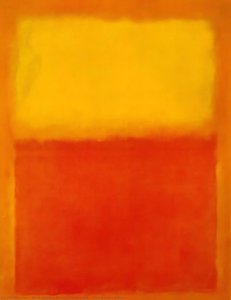 Pomarańczowy i żółty1956
Eseje o Untitled 67
 Rezonans Odwagi: Emocjonalny Oddźwięk i Artystyczna Ekspresja w Sztuce XX WiekuOdkryj rewolucyjny ruch w sztuce XX wieku – ekspresjonizm! Analiza kluczowych artystów, technik i emocjonalnego oddziaływania. Ekspercka wi…
 Paul Jenkins: Abstraction, Color Field Painting & the Pursuit of Lyrical ExpressionExplore the captivating world of Paul Jenkins, a pioneer of abstract expressionism & color field painting. Discover his unique ‘Phenomena’ …
 Mark Rothko: 25 Arcydzieł Koloru i Emocji | Reprodukcje Obrazów | OriginalUniqueArt.comOdkryj 25 arcydzieł Marka Rothko – mistrza abstrakcji i koloru. Poznaj historie, techniki i emocje kryjące się za jego płótnami. Reprodukcj…