

 Zobacz w skali 1:1
 Wyślij
 Udostępnij
 Szczegóły
 Przewodnik

 Pobierz plik obrazu
 Podobne obiekty
 RTG
RTG Pokaz slajdów
 Statystyki
untitled


 Czytaj więcej
Dzieło sztuki prezentowane na tej stronie podlega ochronie prawem autorskim, co oznacza, że nie mamy prawa do tworzenia ani sprzedaży jego identycznej reprodukcji. Ochrona ta jest egzekwowana na mocy umów międzynarodowych, takich jak Konwencja berneńska oraz przez przepisy prawa krajowego, w tym te określone w Prawo autorskie USA – Tytuł 17.
Metoda ta jest w pełni zgodna z przepisami prawa autorskiego, ponieważ nie polega na kopiowaniu ani powielaniu chronionego dzieła. Stanowi ona kreatywną reinterpretację – nowy obraz, który czerpie inspirację z oryginału, ale nie jest z nim tożsamy.
Giclée / Wydruk artystyczny
Wydruki giclée lub płótna o jakości muzealnej, szybka realizacja i szeroki wybór opcji wykończenia. ( Kup ręcznie malowany obraz Przełącz na wersję cyfrową)




































Wybierz spośród naszych standardowych rozmiarów, które zachowują oryginalne proporcje dzieła sztuki.

Wpisz wymaganą szerokość i wysokość, aby dopasować grafikę do ramy lub ściany. Wydruk można jedynie przyciąć, nigdy nie powiększając go poza oryginalny obraz, dlatego format o innym proporcji spowoduje utratę części kompozycji. Przed rozpoczęciem druku prześlemy Ci cyfrowy podgląd do zatwierdzenia. Obraz wyświetlany na tej stronie nie pokazuje rzeczywistego przycięcia — jedynie podgląd oddaje ten efekt.
Dostawa na cały świat () w ciągu 2 tygodni zamiast standardowych 4/5 tygodni. (21 Październik)

Bezpłatna ekspresowa wysyłka na cały świat

Wysokiej jakości płótno lniane

Pełne ubezpieczenie transportowe

Gwarancja zwrotu należności celnych i podatków importowych

Gwarancja idealnego odwzorowania barw

100-dniowy okres na zwrot dzieła w przypadku wykrycia wad produkcyjnych

Gwarancja 100% zwrotu pieniędzy

Oferta przy zakupie wielu sztuk
 Opcja ze szkłem jest dostępna wyłącznie w rozmiarach poniżej 110 cm

untitled
Giclée / Wydruk artystyczny
Rozmiar reprodukcji
-


Suma do zapłaty
zł 304
Biografia artysty
The Pochoir Vision of Urban Landscapes
Mariusz Waras, known to the global art community by his evocative moniker m-city, stands as a titan in the realm of contemporary stencil art. Born in Gdynia, Poland, in 1978, Waras has spent much of his career transforming the cold, industrial textures of urban environments into profound psychological landscapes. His journey began within the rigorous academic halls of the Gdansk Academy of Fine Arts, where he mastered the intricacies of graphic design and visual communication. This formal foundation provided him with more than just technical skill; it instilled a deep understanding of how shapes, layers, and negative space can be manipulated to tell complex stories about the modern world.
The essence of Waras’s practice lies in his devotion to the pochoir technique. This meticulous method, a refined form of stencil printing that traces its lineage back to the late 19th century, requires an extraordinary level of patience and precision. By layering stencils, he is able to build up density and atmosphere, creating works that possess a sculptural depth often missing from traditional street art. Through this process, he breathes life into imagined cityscapes—visions of urbanity that are simultaneously recognizable and surreal. His work does not merely depict buildings; it captures the very soul of the metropolis, blending the grit of industrial decay with a haunting, geometric beauty.
Influences and Artistic Evolution
The aesthetic language of m-city is a sophisticated tapestry woven from diverse historical threads. He draws heavily from the structural discipline of Bauhaus aesthetics, utilizing clean lines and functional forms to organize his complex compositions. Yet, this structural rigidity is frequently disrupted by the dreamlike qualities of Surrealism. The influence of masters such as René Magritte and Giorgio Morandi is palpable in his work, particularly in his ability to use paradoxical juxtapositions to challenge the viewer's perception of reality. Much like Magritte, Waras invites us to question what is permanent and what is merely an illusion within the urban sprawl.
As his career progressed, Waras transitioned from smaller graphic prints to monumental large-scale murals that command entire city blocks. This evolution allowed him to move his dialogue from the gallery wall to the public consciousness. His work has become a fixture in some of Europe's most iconic urban centers, ranging from the gritty, industrial zones of Warsaw to the vibrant street corners of Berlin and the historic boulevards of Paris. These massive installations serve as architectural interventions, forcing passersby to pause and reconsider the textures and histories of the very streets they inhabit.
Legacy and Urban Significance
The significance of Mariusz Waras in the contemporary art movement lies in his ability to bridge the gap between high-concept graphic design and the raw energy of street culture. His achievements are not measured solely by the scale of his murals, but by the way he has redefined the stencil as a medium capable of immense nuance and emotional depth. Through his work, the city is no longer just a backdrop for human activity; it becomes a living, breathing protagonist.
Today, m-city continues to push the boundaries of urban art through:
- Architectural Dialogue: Creating works that interact seamlessly with the physical structures they adorn.
- Technical Mastery: Elevating the pochoir technique to a level of fine-art sophistication.
- Conceptual Depth: Exploring themes of industrialization, memory, and the psychological impact of the built environment.
By transforming concrete and brick into canvases of profound complexity, Waras ensures that the urban landscape remains a site of constant artistic reinvention.

Mariusz Waras
1978 - , Poland
Najważniejsze informacje
- Full Name: Mariusz Waras
- Nationality: Polish
- Date Of Birth: 1978
- Place Of Birth: Gdynia, Poland
- Notable Artworks: ['untitled']
- Artistic Movement Or Style: Stencil Art
Zobacz także powiązane artykuły

Monochromatyczne Wizje: Estetyka i Historyczne Znaczenie Fotografii Czarno-Białej
Odkryj fascynujący świat fotografii czarno-białej! Poznaj historię, techniki i arcydzieła monochromatycznej sztuki. Inspiracje, porady i analiza wpływu na współczesną estetykę. OriginalUniqueArt.com.
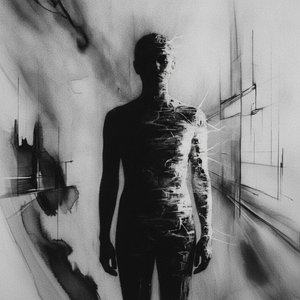
Shadow & Soul: Why Black & White Photography Remains the Ultimate Power Move in Modern Art
Discover why black & white photography remains a powerful force in contemporary art. Explore the impact of light, shadow, and texture through a visual journey of monochrome mastery and learn how to elevate your space with timeless grayscale aesthetics.

Czarne arcydzieła: Top 10 słynnych obrazów pełnych mroku i ekspresji | OriginalUniqueArt.com
Odkryj 10 słynnych obrazów, w których czerń króluje! Poznaj historie artystów, ekspresjonizm i mroczną paletę barw. Reprodukcje dzieł sztuki najwyższej jakości na OriginalUniqueArt.com – inspiracje do wnętrz i kolekcjonerstwo.

Białe arcydzieła: Top 10 słynnych obrazów pełnych światła i emocji | OriginalUniqueArt.pl
Odkryj 10 najsłynniejszych obrazów, w których biel dominuje i tworzy wyjątkową atmosferę. Poznaj historie Moneta, Van Gogha i innych mistrzów! Reprodukcje najwyższej jakości na OriginalUniqueArt.com – inspiracje wnętrzarskie i kolekcjonerstwo sztuki online.
Przemysł w Sztuce: 10 Arcydzieł Oddających Klimat Fabryk i Maszyn | OriginalUniqueArt
Odkryj 10 arcydzieł sztuki przemysłowej! Poznaj historie Hopper'a, Caillebotte'a i innych mistrzów. Reprodukcje obrazów w stylu industrialnym idealne do loftowego wnętrza. OriginalUniqueArt – inspiracje i dekoracje ścienne najwyższej jakości. Explore the full collection online!