Naive Art / Primitivism · 1980
Circus (Marc Chagall, 1980)
Marc Chagall (1887–1985) stworzył Circus. Dzieło pochodzi z 1980. Należy do nurtu Naive Art / Primitivism. Wykonano w technice Obraz olejny na płótnie. Wymiary to 100 × 81 cm.
- 1980
- Obraz olejny na płótnie
- 100 × 81 cm

 Podgląd w skali 1:1

 Ręcznie malowany obraz olejny
 Wyślij jako kartkę
 Udostępnij
 Karta informacyjna


 Pobierz obraz
 Podobne obiekty
 RTG
 Pokaz slajdów
 Pytania i odpowiedzi

 Statystyki
Circus w skrócie
- Tytuł
- Circus
- Artysta
- Marc Chagall (1887–1985)
- Miejsce urodzenia artysty
- Łoźna, Białoruś
- Data powstania
- 1980
- Technika wykonania
- Obraz olejny na płótnie
- Wymiary
- 100 × 81 cm
Co przedstawia Circus?
A Dreamscape Unveiled: Exploring Marc Chagall’s “Circus”
Marc Chagall's "Circus," painted in 1980, isn’t merely a depiction of a traveling show; it’s an immersion into a world where reality and fantasy intertwine, a testament to the artist’s lifelong fascination with folklore, memory, and the boundless possibilities of imagination. Created during a period when Chagall was deeply engaged with Naïve Art – a style he embraced for its directness and vibrant emotionality – this canvas pulsates with an almost childlike wonder, inviting viewers into a joyous, slightly surreal spectacle.
The painting immediately captivates with its riot of color. Chagall employs a palette that’s both exuberant and deeply personal—bold reds, yellows, blues, and greens dance across the canvas, reminiscent of stained glass windows and the vibrant hues found in his native Vitebsk. This isn't a realistic portrayal; rather, it’s an emotional landscape rendered through color, conveying a sense of heightened excitement and dreamlike atmosphere. The composition is dynamic, overflowing with figures and animals – a testament to Chagall’s love for theatricality and the inherent drama of performance.
The Language of Naïve Art
“Circus” firmly establishes itself within the realm of Naive Art, also known as Primitivism. This movement, characterized by its unpretentious simplicity and direct emotional expression, deliberately eschews academic conventions in favor of a raw, unfiltered approach. Chagall’s use of this style is particularly evident in the flattened perspective, simplified forms, and lack of meticulous detail. Unlike traditional representational art, “Circus” prioritizes feeling over precise observation. The figures are not rendered with anatomical accuracy but rather as symbolic representations of emotions and experiences – a deliberate choice that amplifies the painting’s dreamlike quality.
Notice how the figures seem to float within the space, defying gravity and creating a sense of ethereal movement. This is a hallmark of Naïve Art, where spatial relationships are often dictated by emotional resonance rather than strict geometric rules. The use of bold outlines further emphasizes this stylistic choice, lending the painting an almost hand-painted quality – as if it were created directly from the artist’s subconscious.
Symbolism and Narrative
Beyond its aesthetic qualities, “Circus” is rich in symbolic meaning. The elephant, prominently positioned in the center of the composition, isn't simply a circus animal; it embodies strength, wisdom, and perhaps even a touch of mystery. The dancing couple on stage represents love, joy, and connection – themes that were central to Chagall’s own life and work. The scattered figures around the perimeter suggest a broader community gathered to witness this spectacle, highlighting the communal aspect of circus traditions.
Chagall frequently drew inspiration from Jewish folklore and religious imagery, and these influences are subtly woven into “Circus.” The vibrant colors and fantastical elements evoke biblical scenes, while the figures’ expressions and gestures hint at stories passed down through generations. The painting can be interpreted as a celebration of life, community, and the enduring power of imagination – themes that resonate deeply within Chagall's artistic vision.
A Timeless Appeal
“Circus” transcends its subject matter to offer a poignant reflection on the human condition. In an increasingly complex and often overwhelming world, this painting serves as a reminder of the simple joys and moments of wonder that can be found in everyday life. It’s a celebration of childhood innocence, communal spirit, and the power of dreams – qualities that continue to hold profound appeal for audiences today.
Reproductions of “Circus” offer a remarkable opportunity to bring this captivating artwork into your home or office. OriginalUniqueArt's hand-painted reproductions faithfully capture the vibrancy and emotional depth of Chagall’s original, allowing you to experience the magic of his dreamlike world firsthand. Whether as a statement piece in a contemporary space or a nostalgic touch in a traditional setting, “Circus” is sure to spark conversation and evoke a sense of wonder for years to come.
Zdjęcia w wysokiej rozdzielczości dzieła Circus

Chronione prawem autorskim: pliki te służą wyłącznie do osobistego wglądu i nie stanowią licencji na ich powielanie.
Marc Chagall, Circus (1980).
Marc Chagall (1887–1985), Circus, 1980, obraz olejny na płótnie. Źródło obrazu: OriginalUniqueArt.com.
Odpowiedzi na pytania dotyczące Circus
W którym roku powstało dzieło „Circus” – Marc Chagall?
"Circus" powstało w 1980 roku. Data ta pozwala umiejscowić dzieło w kontekście twórczości Marc Chagall oraz epoki, w której powstało.
W jakiej technice wykonano „Circus” – Marc Chagall?
Technika wykonania dzieła „Circus” – Marc Chagall to Obraz olejny na płótnie. Reprodukcje mają na celu wierne oddanie wyglądu tej techniki.
Jakie są rzeczywiste wymiary dzieła „Circus” – Marc Chagall?
Oryginalny utwór „Circus” – Marc Chagall ma wymiary 100 x 81 cm.
Czy obraz „Circus” – Marc Chagall można swobodnie reprodukować?
Status praw autorskich dla „Circus” – Marc Chagall: dzieło znajduje się w nadal objęte ochroną prawa autorskiego. Określa to, czy reprodukcje obrazu mogą być sporządzane swobodnie.
Któremu artyście przypisuje się "Circus"?
Autorstwo dzieła "Circus" przypisuje się Marc Chagall.
Do jakiego nurtu należy "Circus"?
„Circus” – Marc Chagall należy do nurtu Naive Art / Primitivism. Nurt ten stanowi stylistyczny kontekst dzieła.
Do którego etapu twórczości Marc Chagall należy dzieło „Circus”?
W dorobku artystycznym Marc Chagall dzieło „Circus” przypada na Late Period. Ten etap pozwala zestawić je z innymi pracami twórcy.
Ile lat miał(a) Marc Chagall, tworząc "Circus" w 1980 roku?
Marc Chagall miał 93 lat w momencie powstania „Circus” w 1980. Wiek ten obliczono na podstawie roku urodzenia artysty, 1887.
Czy dzieło „Circus” autorstwa Marc Chagall znajduje się w domenie publicznej i dlaczego?
„Circus” – Marc Chagall jest nadal objęte ochroną prawa autorskiego. Okres ochrony praw autorskich liczony jest od śmierci artysty, która nastąpiła w 1985.
O artyście: Marc Chagall
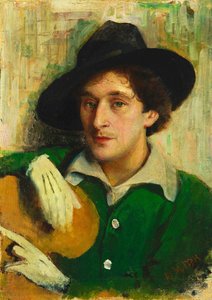
1887–1985, Białoruś
Marc Chagall
Wczesne lata, rodzina i kształcenie Marc Chagall przychodzi na świat 7 lipca 1887 roku w Witebsku, w Imperium Rosyjskim, jako Moishe Segal. Jest pierwszym z dziewięciorga dzieci w skromnej żydowskiej rodzinie. Jego wczesne życie wyznaczane jest przez rytm pracy i drobnego handlu. Ojciec, Khatskel Segal, pracuje jako konserwator śledzi w magazynie, podczas gdy matka, Feïga-Ita Tchernina, prowadzi mały sklep spożywczy.
Inne prace Marc Chagall
 Ja i wioska1911
 Białe Ukrzyżowanie1938
 Urodziny1915
 Nad miastem1918
Eseje o Circus
 Belarusian artworks of the 1950sMarc Chagall used 1950s surrealism to navigate the tension between Socialist Realism and personal folklore. Compare ten significant works.
 Dreaming in Color: The 25 Most Iconic Masterpieces by Marc ChagallVitebsk in 1911 shaped the visual language of Marc Chagall. Read about 25 works including I and the Village and The Birthday from 1915.
 Belarusian artworks of the 1960sIn 1966, Marc Chagall painted Abraham and Three Angels, using a red cloth to symbolize life and love amidst a landscape of dreamlike symbol…