() ·

Obraz stworzony dla Ciebie, własnoręcznie

The Golden Age

Ręcznie malowana reprodukcja olejowa

Ręcznie malowany obraz olejny na płótnie, wykonany na zamówienie przez naszych artystów w wybranym przez Ciebie wymiarze i oprawie. ( Przełącz na wydania drukowane Przejdź do wersji cyfrowej)

Opis obiektu

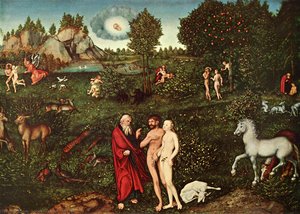
Lucas Cranach's 'The Golden Age' (1530) depicts nude figures celebrating life amidst a lush landscape, embodying Renaissance ideals and the mythical era of perfect harmony.

Biografia artysty

Lucas Cranach Starszy – kluczowa postać renesansu niemieckiego! Portrety, sztuka reformacji i mitologia. Odkryj jego bogatą twórczość i wpływ na historię sztuki.

od ·

Rozdział 1

Jak duży powinien być ten format?

Przesuń suwak, aby zmienić rozmiar; obraz po lewej stronie przedstawia ramę w jej rzeczywistej szerokości. Zachowano proporcje oryginału.

Standardowy format
personalizowane
CM
INCH

Wybierz spośród naszych standardowych rozmiarów, które zachowują oryginalne proporcje dzieła sztuki.

szerokość
wysokość

Wpisz wymaganą szerokość i wysokość, aby obraz pasował do Twojej ramy lub ściany. Ponieważ jest to dzieło malowane ręcznie, w przypadku rozmiaru o innych proporcjach artysta może domalować nieco więcej wokół obrazu lub przyciąć jego fragmenty — wybór należy do Ciebie. Przed rozpoczęciem pracy prześlemy Ci cyfrową wizualizację do zatwierdzenia. Obraz widoczny na tej stronie nie przedstawia rzeczywistego efektu — jedynie wizualizacja oddaje realny rezultat.

Rozdział 2

W jaki sposób ma zostać dostarczone?

Wybierz krawędzie płótna naciągniętego na ramę

Wybierz ramę

Corner sample of the WhiteWrap canvas edge finish, stretched on lite drewno bars
Białe krawędzie zł1
Corner sample of the BlurSideWrap canvas edge finish, stretched on lite drewno bars
rozmyte krawędzie zł1
Corner sample of the ExtendedWrap canvas edge finish, stretched on lite drewno bars
Przedłużony zł1
Corner sample of the P118B picture frame: polistyren formowany, 5 cm wide and 3 cm thick
P118B zł10
Corner sample of the P118H picture frame: polistyren formowany, 5 cm wide and 3 cm thick
P118H zł10
Corner sample of the P118W picture frame: polistyren formowany, 5 cm wide and 3 cm thick
P118W zł10
Corner sample of the P438Z picture frame: polistyren formowany, 5.5 cm wide and 3.5 cm thick
P438Z zł10
Corner sample of the P508JH picture frame: polistyren formowany, 7 cm wide and 3.5 cm thick
P508JH zł12
Corner sample of the P508YH picture frame: polistyren formowany, 7 cm wide and 3.5 cm thick
P508YH zł12
Corner sample of the P805H picture frame: polistyren formowany, 5 cm wide and 3.5 cm thick
P805H zł10
Corner sample of the P805Z picture frame: polistyren formowany, 5 cm wide and 3.5 cm thick
P805Z zł10
Corner sample of the P919BZ picture frame: polistyren formowany, 7 cm wide and 3.5 cm thick
P919BZ zł10
Corner sample of the P919G picture frame: polistyren formowany, 7 cm wide and 3.5 cm thick
P919G zł10
Corner sample of the P919XJ picture frame: polistyren formowany, 7 cm wide and 3.5 cm thick
P919XJ zł10
Corner sample of the P959ZH picture frame: polistyren formowany, 5 cm wide and 3 cm thick
P959ZH zł10
Corner sample of the P968JZ picture frame: polistyren formowany, 6 cm wide and 4 cm thick
P968JZ zł12
Corner sample of the W106C picture frame: lite drewno, 5 cm wide and 3 cm thick
W106C zł8
Corner sample of the W218G picture frame: lite drewno, 5 cm wide and 3 cm thick
W218G zł10
Corner sample of the W218JH picture frame: lite drewno, 5 cm wide and 3 cm thick
W218JH zł8
Corner sample of the W218Y picture frame: lite drewno, 5 cm wide and 3 cm thick
W218Y zł10
Corner sample of the W307PJ picture frame: lite drewno, 6 cm wide and 3 cm thick
W307PJ zł10
Corner sample of the W316G picture frame: lite drewno, 6 cm wide and 3 cm thick
W316G zł10
Corner sample of the W316PJ picture frame: lite drewno, 6 cm wide and 3 cm thick
W316PJ zł8
Corner sample of the W316Y picture frame: lite drewno, 6 cm wide and 3 cm thick
W316Y zł10
Corner sample of the W398PJ picture frame: lite drewno, 5 cm wide and 3 cm thick
W398PJ zł8
Corner sample of the W4111J picture frame: lite drewno, 6.5 cm wide and 3.5 cm thick
W4111J zł10
Corner sample of the W500HY picture frame: lite drewno, 7 cm wide and 5 cm thick
W500HY zł15
Corner sample of the W500JH picture frame: lite drewno, 7 cm wide and 5 cm thick
W500JH zł15
Corner sample of the W692G picture frame: lite drewno, 8 cm wide and 4 cm thick
W692G zł12
Corner sample of the W849H picture frame: lite drewno, 5 cm wide and 3 cm thick
W849H zł8
Corner sample of the W940BG picture frame: lite drewno, 7.5 cm wide and 4.5 cm thick
W940BG zł15
Corner sample of the W953PJ picture frame: lite drewno, 6 cm wide and 3.5 cm thick
W953PJ zł8
Corner sample of the H24-GOLD picture frame: rzeźbione drewno pokryte gipsem, 10 cm wide and 6 cm thick
H24-GOLD zł30
Corner sample of the H24-SILVER picture frame: rzeźbione drewno pokryte gipsem, 10 cm wide and 6 cm thick
H24-SILVER zł30
Corner sample of the H36-GOLD picture frame: rzeźbione drewno pokryte gipsem, 15 cm wide and 6.5 cm thick
H36-GOLD zł45
Corner sample of the H36-SILVER picture frame: rzeźbione drewno pokryte gipsem, 15 cm wide and 6.5 cm thick
H36-SILVER zł45

Profil: . Wymiar całkowity w ramie: .

Rozdział 3

Kto go maluje i czy coś powinno ulec zmianie?

Przykłady możliwych zmian: Zastąpienie twarzy zdjęciem klienta; Dodanie zwierzęcia (np. zamiana kota na psa); Ukrycie wiadomości w tle; Zmiana krajobrazu lub elementów tła.
Po złożeniu zamówienia zespół OriginalUniqueArt.com skontaktuje się z klientem drogą mailową w celu uzyskania instrukcji i prześle podgląd projektu

Dostawa na całym świecie () w ciągu 3–4 tygodni zamiast standardowych 5 tygodni. (3 Listopad). Bez kompromisów w kwestii jakości.

Rozdział 4

Ostatnie szlify

Tabliczka informacyjna, jak w muzeum?

Szczegóły grawerowanej brązowej tabliczki

This elegant plaque features the artist's name and the title of the artwork, finely engraved for a timeless presentation.

It is made from bronze with a refined, elegant finish. The text is precisely laser-engraved for a sharp and permanent result. Measuring 9x2 cm, the plaque is compact yet easy to read. It's built to be durable and scratch-resistant, offering a professional, museum-quality look. Mounting is simple thanks to the included adhesive backing.

Szczegóły przezroczystej tabliczki akrylowej

The plaque includes essential engraved details such as the artist's name, the title of the artwork, the date it was created, the type of media used-like oil on canvas or watercolor-a brief description of the piece, and a QR code that links to the complete artwork information.

It is crafted from clear acrylic, offering a sleek, modern appearance. The text is UV-engraved in black to ensure strong visual contrast. With a size of 10x15 cm, it ensures optimal readability. It comes equipped with two metal hooks for secure wall mounting. The plaque is designed to be weather-resistant, making it suitable for various environments, and it includes interactive features that work seamlessly with smartphone scanning.

Szczegóły czarnej tabliczki akrylowej

This elegant plaque includes engraved information such as the artist's name, the title of the artwork, the date it was created, the type of media used (like oil on canvas or watercolor), a short description of the artwork, and a QR code for quick access to more information.

The plaque itself is made from refined black acrylic with a premium finish. The text is laser-engraved in white for high contrast and readability. Its size is 10x15 cm, designed to be easy to read. It comes with two metal hooks for professional mounting. The design is sleek and fits any interior style. It is also weather-resistant and durable, with built-in digital integration for mobile compatibility.

Werniks ochronny?

Kiedy potrzebujesz dostawy?

Rozdział 5

Twoje dzieło, dokładnie tak, jak zamówiłeś

The Golden Age

Technika reprodukcji

Wymiary reprodukcji

-

Wybitny mistrz artystyczny

Większa szczegółowość, finezja i dodatkowy czas na realizację

-

Opcje oprawy reprodukcji

-

-

W przypadku dzieł sztuki lub reprodukcji, których którykolwiek z boków przekracza 105 cm (około 41 cali), rama zostanie wysłana w formie zestawu do samodzielnego montażu. Metoda ta zapewnia bezpieczną dostawę i zapobiega uszkodzeniom podczas transportu.

Wymagany profesjonalny montaż – nie jest to produkt typu DIY.
Zestaw musi zostać złożony, a płótno naciągnięte przez doświadczonego profesjonalnego ramiarza, przy użyciu kleju do drewna (brak w zestawie), kleszczy do naciągania płótna oraz ścisków, które utrzymają krosna w równej pozycji podczas schnięcia kleju. Nieprawidłowy montaż lub nierównomierne napięcie płótna może trwale uszkodzić dzieło sztuki i nie podlega naszej gwarancji.

  • W zestawie znajdują się wszystkie listwy z litego drewna, precyzyjnie docięte do wymiarów.

  • Montaż odbywa się przy użyciu dołączonych wkrętów oraz kleju do drewna do łączenia narożników, którego zestaw nie zawiera i który musi zostać dostarczony przez ramiarza.

  • Wymagane są profesjonalne narzędzia, których nie ma w zestawie: kleszcze do naciągania płótna (napinacz) oraz zaciski, które pozwolą utrzymać listwy w równej pozycji podczas schnięcia kleju.

Ważne:
Do połączenia narożników niezbędny jest klej do drewna, listwy należy unieruchomić za pomocą ścisków do momentu całkowitego wyschnięcia kleju, a naciągnięcie płótna na złożoną ramę wymaga użycia kleszczy do naciągania płótna. Żaden z tych elementów nie jest dołączony do zestawu. Przed zamówieniem tego rozmiaru zalecamy konsultację z doświadczonym ramiarzem.

Etykieta obiektu

-

-

Lakier ochronny

Lakier z połyskiem (pogłębia kolory, chroni przed światłem i wilgocią)

-

Personalizacja dzieła

Przykłady możliwości personalizacji: zastąp twarz zdjęciem klienta; dodaj zwierzę domowe (np. zamień kota na psa); umieść ukrytą wiadomość w tle; zmień krajobraz lub elementy tła.

-

Ekspresowa

Dostawa na cały świat () w ciągu 3–4 tygodni zamiast standardowych 5 tygodni. (3 Listopad). Bez kompromisów w kwestii jakości.

-

Przesyłka ekspresowa

Dostawa na cały świat () w ciągu 5 tygodni. (10 Listopad).

W cenie

Cena całkowita

zł 1173

Suma całkowita zł 1173

Opcja ze szkłem jest dostępna wyłącznie w rozmiarach poniżej 110 cm

W każdym zamówieniu

  • Bezpłatna ekspresowa wysyłka na cały świat
  • Wysokiej jakości płótno lniane
  • Pełne ubezpieczenie przesyłki
  • Gwarancja zwrotu należności celnych i podatków importowych
  • Gwarancja wiernego odwzorowania kolorów
  • 100-dniowa polityka zwrotów (tylko w przypadku wad)
  • Gwarancja 100% zwrotu pieniędzy
  • Zniżka przy zakupie wielu sztuk

The Echoes of Paradise: Lucas Cranach’s “The Golden Age”

Lucas Cranach the Elder's "The Golden Age," painted in 1530, isn’t merely a depiction of nude figures frolicking in a garden; it’s a vibrant distillation of Renaissance ideals, a carefully constructed allegory steeped in classical mythology and humanist thought. This oil-on-panel masterpiece, now housed within the Alte Pinakothek in Munich, offers a glimpse into a world where earthly pleasure and divine harmony intertwine – a vision both alluring and subtly complex.

Cranach, a pivotal figure of the German Renaissance, served as court painter to the Electors of Saxony for much of his career. His work reflects this patronage, blending meticulous realism with an expressive understanding of human psychology. “The Golden Age” exemplifies this skill, showcasing not just anatomical accuracy but also a remarkable ability to convey mood and narrative through gesture and composition. The painting’s genesis lies in the ancient Greek concept of the *Ages of Man*, as articulated by Hesiod – a cyclical progression from an idyllic, pre-civilized “Golden Age” to one defined by strife and decay. Cranach cleverly translates this philosophical framework into a visual experience, inviting the viewer to contemplate humanity's relationship with nature, pleasure, and ultimately, mortality.

A Symphony of Nudity and Movement

The scene unfolds within a lush, enclosed garden, its boundaries delineated by a sturdy stone wall. Within this idyllic space, a group of young couples engage in a variety of activities: dancing, bathing, eating grapes, and simply enjoying each other’s company. Cranach masterfully employs the technique of *contrapposto*, subtly shifting the weight of the figures to create dynamic poses that ripple through the composition. The musculature is rendered with remarkable precision, yet the overall effect is one of effortless grace and naturalism. Note the subtle variations in skin tone – a deliberate choice that adds depth and realism to the scene, while simultaneously reinforcing the painting’s classical inspiration.

The figures themselves are arranged in carefully considered groupings, suggesting relationships and interactions. The use of light and shadow is particularly effective, highlighting certain bodies and creating a sense of intimacy within the larger composition. Cranach's attention to detail extends beyond the human forms; observe the meticulously rendered foliage, the delicate details of the fruit, and the subtle textures of the stone wall – all contributing to the painting’s immersive quality.

Symbolism Woven into the Landscape

Beyond its immediate visual appeal, “The Golden Age” is rich in symbolic meaning. The garden itself represents an idealized paradise, a realm free from the constraints and anxieties of civilized life. The abundance of fruit symbolizes fertility and prosperity, while the presence of animals suggests a harmonious relationship between humanity and nature. The fortress visible in the upper left corner, likely representing Hartenfels Castle, subtly anchors the scene to the contemporary world, reminding us that this idyllic vision is not entirely detached from reality.

Furthermore, the painting’s title directly references Hesiod's concept of the Golden Age – a time when humanity lived in perfect harmony with itself and with the natural world. Cranach’s depiction of nude figures engaged in playful activities can be interpreted as an allegory for this lost state of innocence, inviting viewers to reflect on the potential for human happiness and fulfillment.

A Timeless Appeal

"The Golden Age" remains a powerfully evocative work of art, captivating audiences with its beauty, grace, and subtle complexity. It’s a testament to Lucas Cranach's artistic skill and his deep understanding of classical mythology and humanist thought. Whether admired for its technical brilliance or appreciated for its profound symbolic meaning, this painting continues to resonate with viewers centuries after its creation – a timeless reminder of the enduring allure of paradise and the human desire for a life of beauty, pleasure, and harmony.

Pytania i odpowiedzi

Jak duży jest kontrast w „The Golden Age” – Lucas Cranach Starszy?

Kontrast jasności w dziele "The Golden Age" wynosi Statement. Kontrast określa stopień zróżnicowania między obszarami jasnymi a ciemnymi.

Jak można wykorzystać „The Golden Age” – Lucas Cranach Starszy w dekoracji wnętrz?

„The Golden Age” idealnie sprawdzi się w Harmony, a rekomendowanym miejscem jego ekspozycji jest Living Room.

W jaki sposób kontrast i harmonia łączą się w "The Golden Age"?

Analiza kolorystyczna dzieła „The Golden Age” – Lucas Cranach Starszy ukazuje Statement kontrast oraz Strong Color Unity harmonię.

Więcej o tym obrazie

Podgląd w skali 1:1 Podgląd AR Przełącz na wydania drukowane Przejdź do wersji cyfrowej Wyślij jako kartkę
Szczegóły dzieła Przewodnik Dodaj do ulubionych Pobierz obraz Podobne obiekty RTG Pokaz slajdów Pytania i odpowiedzi Statystyki

W liczbach

  • 1530rok powstania dzieła
  • 29dostępne ramy do wyboru
  • standardowe formaty, w ich własnych proporcjach
  • 5tygodni na namalowanie i dostarczenie dzieła
Lucas Cranach Starszy

Lucas Cranach Starszy

1472 - 1553, Niemcy

Krótkie informacje o Lucas Cranach Starszy

  • Artistic Movement Or Style: Renesans Niemiecki
  • Artists Or Movements Influenced By This Artist: ['Renesans']
  • Artists Who Influenced This Artist: ['Hans Maler']
  • Date Of Birth: 1472
  • Date Of Death: 1553
  • Full Name: Lucas Cranach Starszy
  • Nationality: Niemiec
  • Notable Artworks:
    • Polowanie na jeleni
    • Portret
    • Ogłoszenie do Joachima
  • Place Of Birth: Kronach, Niemcy

Biografia artysty

A Renaissance Master of Saxony: The Life and Art of Lucas Cranach the Elder

Lucas Cranach the Elder, born in Kronach around 1472, emerged as a pivotal figure during the German Renaissance – an era defined by profound religious and political shifts. His life unfolded against this backdrop, inextricably linking his art to both the burgeoning Protestant Reformation and the influential courts he served. Initially apprenticed to his father, Hans Maler, Cranach’s early artistic development remains somewhat shrouded in mystery, yet discernible influences from South German masters are evident in his evolving style. He quickly distinguished himself not merely as a technically proficient craftsman but as an artist capable of capturing psychological depth alongside meticulous precision – qualities that soon garnered the attention of powerful patrons. In 1504, he entered the service of Frederick III, Elector of Saxony, a relationship that would profoundly shape his career and provide him with both stability and access to influential circles. This appointment as court painter in Wittenberg wasn’t simply about producing decorative works; it positioned Cranach at the very heart of one of Europe's most transformative movements.

Patronage, Reformation, and Artistic Innovation

Cranach’s position within the Saxon court proved crucial not only for his livelihood but also for his artistic development. He wasn’t merely documenting events; he actively shaped visual narratives during a time of immense upheaval. His most enduring legacy is undoubtedly his close association with Martin Luther, the central figure of the Protestant Reformation. Cranach created no fewer than eleven portraits of Luther, each offering a unique and nuanced glimpse into the reformer's evolving personality and role within the burgeoning religious movement. These weren’t mere likenesses; they were carefully constructed images designed to project authority, piety, and intellectual strength – qualities deemed essential for a leader challenging the established Catholic order. Beyond portraiture, Cranach played a vital role in disseminating Reformation ideas through his art. He translated theological concepts into visual form, producing woodcuts and paintings that reached a broad audience. His depictions of biblical scenes, notably *The Annunciation to Joachim*, moved away from traditional Catholic iconography, emphasizing direct engagement with scripture and fostering a more personal relationship between the viewer and faith. The vibrant colors, dynamic compositions, and expressive figures in these works reflected the new emphasis on individual piety within the reformed church. Furthermore, Cranach’s mythological paintings – such as depictions of Venus and other classical deities – often carried allegorical meanings relevant to contemporary political and social issues, subtly commenting on the power dynamics of the era.

A Workshop Dynasty: Style and Technique

Lucas Cranach the Elder wasn't a solitary artist operating in isolation; he presided over a remarkably productive workshop, employing numerous assistants and apprentices who significantly contributed to his output. This collaborative approach meant that many works attributed to Cranach were actually produced under his direction or by members of his circle. The Cranach workshop became renowned for its distinctive style: elegant figures with elongated proportions, vibrant colors, and meticulous attention to detail. His technique involved a masterful combination of oil painting, woodcut, and engraving – allowing him to reach a broad audience through both original artworks and affordable prints. Stag Hunt of Elector Friedrich III the Wise exemplifies his mastery of Northern Renaissance style; it showcases detailed realism alongside noble symbolism. The composition is dynamic, capturing the energy of the hunt while simultaneously conveying the power and status of the elector. Cranach’s skillful use of light and shadow creates a sense of depth and atmosphere, drawing the viewer into the scene. His portraits are equally compelling, characterized by their psychological insight and refined execution – often revealing subtle expressions and gestures that capture the subject's inner life. The workshop also developed a distinctive approach to color palettes, favoring rich, jewel-toned hues that contributed significantly to the overall visual impact of his works.

Portraits of Power and Faith

Cranach’s portraiture is particularly significant in understanding his role within the Saxon court and the Reformation. His depictions of Frederick III, Elector of Saxony, are not simply representations of royal authority; they are carefully constructed images designed to project power, wisdom, and piety – essential qualities for a ruler navigating a complex political landscape. Similarly, his portraits of Martin Luther offer a fascinating glimpse into the reformer’s evolving role as a religious leader and intellectual figure. These paintings weren't merely likenesses; they were strategic representations intended to shape public perception and reinforce Luther’s authority. The *Portrait of Martin Luther* (1529), for example, portrays the reformer in a contemplative pose, emphasizing his intellectual rigor and spiritual devotion. Cranach’s ability to capture both the outward appearance and inner character of his subjects made him one of the most sought-after portraitists of his time. He skillfully employed techniques such as sfumato – a subtle blurring of outlines – to create a sense of depth and realism, while also utilizing color and composition to convey specific emotions and ideas.

Legacy and Enduring Influence

Lucas Cranach the Elder died in 1553, leaving behind an extraordinary artistic legacy that continues to resonate today. He was a master of portraiture, a skilled interpreter of religious themes, and a shrewd businessman who understood the power of visual communication. His work not only reflects the cultural and intellectual currents of his time but also helped shape them. The Cranach workshop continued to flourish after his death, ensuring that his style and techniques were perpetuated for generations. His influence can be seen in the works of numerous subsequent artists, and his paintings remain highly sought-after by collectors and museums worldwide. From the iconic portraits of Martin Luther to the captivating mythological scenes, Cranach’s art offers a fascinating window into the world of the German Renaissance – a world marked by both profound spiritual questioning and artistic innovation. His ability to blend religious fervor, political savvy, and artistic talent cemented his place as one of the most important artists of his era, and his contributions continue to inspire and captivate audiences centuries later.

Najważniejsze informacje

  • Movement: Northern Renaissance
  • Title: The Golden Age
  • Location: Alte Pinakothek, Munich
  • Artist: Lucas Cranach the Elder
  • Subject or theme: Golden Age ideal
  • Notable elements: Nude figures, garden scene

Quiz o sztuce

Do każdego pytania dotyczy tylko jedna poprawna odpowiedź.

Pytanie 1:
What historical period does the title "The Golden Age" most likely refer to?
Pytanie 2:
According to the description, what is a prominent feature of the scene depicted in "The Golden Age"?
Pytanie 3:
Lucas Cranach the Elder was known for his work during which artistic movement?
Pytanie 4:
What is the approximate date of creation for "The Golden Age"?
Pytanie 5:
The image description mentions a fortress in the background. What does this likely symbolize within the context of the painting?