Rozmiar tekstu

() ·

Obraz stworzony dla Ciebie, własnoręcznie

The Annunciation

Ręcznie malowana reprodukcja olejowa

Ręcznie malowany obraz olejny na płótnie, wykonany na zamówienie przez naszych artystów w wybranym przez Ciebie wymiarze i oprawie. ( Przełącz na wydania drukowane Przejdź do wersji cyfrowej)

Opis obiektu

Lorenzo Ghiberti's 'The Annunciation' (1403) is a masterpiece of Renaissance sculpture, depicting the pivotal moment when Mary receives the news she will conceive Jesus. Explore its intricate details and historical significance.

Biografia artysty

Lorenzo Ghiberti – włoski rzeźbiarz słynny z "Drzew Portalu Raju" na florenckiej Bazylice św. Jana Chrzciciela. Mistrz odlewania brązu, humanizm i innowacyjne perspektywy.

od ·

Rozdział 1

Jak duży powinien być ten format?

Przesuń suwak, aby zmienić rozmiar; obraz po lewej stronie przedstawia ramę w jej rzeczywistej szerokości. Zachowano proporcje oryginału.

Standardowy format
personalizowane
CM
INCH

Wybierz spośród naszych standardowych rozmiarów, które zachowują oryginalne proporcje dzieła sztuki.

szerokość
wysokość

Wpisz wymaganą szerokość i wysokość, aby obraz pasował do Twojej ramy lub ściany. Ponieważ jest to dzieło malowane ręcznie, w przypadku rozmiaru o innych proporcjach artysta może domalować nieco więcej wokół obrazu lub przyciąć jego fragmenty — wybór należy do Ciebie. Przed rozpoczęciem pracy prześlemy Ci cyfrową wizualizację do zatwierdzenia. Obraz widoczny na tej stronie nie przedstawia rzeczywistego efektu — jedynie wizualizacja oddaje realny rezultat.

Rozdział 2

W jaki sposób ma zostać dostarczone?

Wybierz krawędzie płótna naciągniętego na ramę

Wybierz ramę

Corner sample of the WhiteWrap canvas edge finish, stretched on lite drewno bars
Białe krawędzie zł1
Corner sample of the BlurSideWrap canvas edge finish, stretched on lite drewno bars
rozmyte krawędzie zł1
Corner sample of the ExtendedWrap canvas edge finish, stretched on lite drewno bars
Przedłużony zł1
Corner sample of the P118B picture frame: polistyren formowany, 5 cm wide and 3 cm thick
P118B zł10
Corner sample of the P118H picture frame: polistyren formowany, 5 cm wide and 3 cm thick
P118H zł10
Corner sample of the P118W picture frame: polistyren formowany, 5 cm wide and 3 cm thick
P118W zł10
Corner sample of the P438Z picture frame: polistyren formowany, 5.5 cm wide and 3.5 cm thick
P438Z zł10
Corner sample of the P508JH picture frame: polistyren formowany, 7 cm wide and 3.5 cm thick
P508JH zł12
Corner sample of the P508YH picture frame: polistyren formowany, 7 cm wide and 3.5 cm thick
P508YH zł12
Corner sample of the P805H picture frame: polistyren formowany, 5 cm wide and 3.5 cm thick
P805H zł10
Corner sample of the P805Z picture frame: polistyren formowany, 5 cm wide and 3.5 cm thick
P805Z zł10
Corner sample of the P919BZ picture frame: polistyren formowany, 7 cm wide and 3.5 cm thick
P919BZ zł10
Corner sample of the P919G picture frame: polistyren formowany, 7 cm wide and 3.5 cm thick
P919G zł10
Corner sample of the P919XJ picture frame: polistyren formowany, 7 cm wide and 3.5 cm thick
P919XJ zł10
Corner sample of the P959ZH picture frame: polistyren formowany, 5 cm wide and 3 cm thick
P959ZH zł10
Corner sample of the P968JZ picture frame: polistyren formowany, 6 cm wide and 4 cm thick
P968JZ zł12
Corner sample of the W106C picture frame: lite drewno, 5 cm wide and 3 cm thick
W106C zł8
Corner sample of the W218G picture frame: lite drewno, 5 cm wide and 3 cm thick
W218G zł10
Corner sample of the W218JH picture frame: lite drewno, 5 cm wide and 3 cm thick
W218JH zł8
Corner sample of the W218Y picture frame: lite drewno, 5 cm wide and 3 cm thick
W218Y zł10
Corner sample of the W307PJ picture frame: lite drewno, 6 cm wide and 3 cm thick
W307PJ zł10
Corner sample of the W316G picture frame: lite drewno, 6 cm wide and 3 cm thick
W316G zł10
Corner sample of the W316PJ picture frame: lite drewno, 6 cm wide and 3 cm thick
W316PJ zł8
Corner sample of the W316Y picture frame: lite drewno, 6 cm wide and 3 cm thick
W316Y zł10
Corner sample of the W398PJ picture frame: lite drewno, 5 cm wide and 3 cm thick
W398PJ zł8
Corner sample of the W4111J picture frame: lite drewno, 6.5 cm wide and 3.5 cm thick
W4111J zł10
Corner sample of the W500HY picture frame: lite drewno, 7 cm wide and 5 cm thick
W500HY zł15
Corner sample of the W500JH picture frame: lite drewno, 7 cm wide and 5 cm thick
W500JH zł15
Corner sample of the W692G picture frame: lite drewno, 8 cm wide and 4 cm thick
W692G zł12
Corner sample of the W849H picture frame: lite drewno, 5 cm wide and 3 cm thick
W849H zł8
Corner sample of the W940BG picture frame: lite drewno, 7.5 cm wide and 4.5 cm thick
W940BG zł15
Corner sample of the W953PJ picture frame: lite drewno, 6 cm wide and 3.5 cm thick
W953PJ zł8
Corner sample of the H24-GOLD picture frame: rzeźbione drewno pokryte gipsem, 10 cm wide and 6 cm thick
H24-GOLD zł30
Corner sample of the H24-SILVER picture frame: rzeźbione drewno pokryte gipsem, 10 cm wide and 6 cm thick
H24-SILVER zł30
Corner sample of the H36-GOLD picture frame: rzeźbione drewno pokryte gipsem, 15 cm wide and 6.5 cm thick
H36-GOLD zł45
Corner sample of the H36-SILVER picture frame: rzeźbione drewno pokryte gipsem, 15 cm wide and 6.5 cm thick
H36-SILVER zł45

Profil: . Wymiar całkowity w ramie: .

Rozdział 3

Kto go maluje i czy coś powinno ulec zmianie?

Przykłady możliwych zmian: Zastąpienie twarzy zdjęciem klienta; Dodanie zwierzęcia (np. zamiana kota na psa); Ukrycie wiadomości w tle; Zmiana krajobrazu lub elementów tła.
Po złożeniu zamówienia zespół OriginalUniqueArt.com skontaktuje się z klientem drogą mailową w celu uzyskania instrukcji i prześle podgląd projektu

Dostawa na całym świecie () w ciągu 3–4 tygodni zamiast standardowych 5 tygodni. (3 Listopad). Bez kompromisów w kwestii jakości.

Rozdział 4

Ostatnie szlify

Tabliczka informacyjna, jak w muzeum?

Szczegóły grawerowanej brązowej tabliczki

This elegant plaque features the artist's name and the title of the artwork, finely engraved for a timeless presentation.

It is made from bronze with a refined, elegant finish. The text is precisely laser-engraved for a sharp and permanent result. Measuring 9x2 cm, the plaque is compact yet easy to read. It's built to be durable and scratch-resistant, offering a professional, museum-quality look. Mounting is simple thanks to the included adhesive backing.

Szczegóły przezroczystej tabliczki akrylowej

The plaque includes essential engraved details such as the artist's name, the title of the artwork, the date it was created, the type of media used-like oil on canvas or watercolor-a brief description of the piece, and a QR code that links to the complete artwork information.

It is crafted from clear acrylic, offering a sleek, modern appearance. The text is UV-engraved in black to ensure strong visual contrast. With a size of 10x15 cm, it ensures optimal readability. It comes equipped with two metal hooks for secure wall mounting. The plaque is designed to be weather-resistant, making it suitable for various environments, and it includes interactive features that work seamlessly with smartphone scanning.

Szczegóły czarnej tabliczki akrylowej

This elegant plaque includes engraved information such as the artist's name, the title of the artwork, the date it was created, the type of media used (like oil on canvas or watercolor), a short description of the artwork, and a QR code for quick access to more information.

The plaque itself is made from refined black acrylic with a premium finish. The text is laser-engraved in white for high contrast and readability. Its size is 10x15 cm, designed to be easy to read. It comes with two metal hooks for professional mounting. The design is sleek and fits any interior style. It is also weather-resistant and durable, with built-in digital integration for mobile compatibility.

Werniks ochronny?

Kiedy potrzebujesz dostawy?

Rozdział 5

Twoje dzieło, dokładnie tak, jak zamówiłeś

The Annunciation

Technika reprodukcji

Wymiary reprodukcji

-

Wybitny mistrz artystyczny

Większa szczegółowość, finezja i dodatkowy czas na realizację

-

Opcje oprawy reprodukcji

-

-

W przypadku dzieł sztuki lub reprodukcji, których którykolwiek z boków przekracza 105 cm (około 41 cali), rama zostanie wysłana w formie zestawu do samodzielnego montażu. Metoda ta zapewnia bezpieczną dostawę i zapobiega uszkodzeniom podczas transportu.

Wymagany profesjonalny montaż – nie jest to produkt typu DIY.
Zestaw musi zostać złożony, a płótno naciągnięte przez doświadczonego profesjonalnego ramiarza, przy użyciu kleju do drewna (brak w zestawie), kleszczy do naciągania płótna oraz ścisków, które utrzymają krosna w równej pozycji podczas schnięcia kleju. Nieprawidłowy montaż lub nierównomierne napięcie płótna może trwale uszkodzić dzieło sztuki i nie podlega naszej gwarancji.

  • W zestawie znajdują się wszystkie listwy z litego drewna, precyzyjnie docięte do wymiarów.

  • Montaż odbywa się przy użyciu dołączonych wkrętów oraz kleju do drewna do łączenia narożników, którego zestaw nie zawiera i który musi zostać dostarczony przez ramiarza.

  • Wymagane są profesjonalne narzędzia, których nie ma w zestawie: kleszcze do naciągania płótna (napinacz) oraz zaciski, które pozwolą utrzymać listwy w równej pozycji podczas schnięcia kleju.

Ważne:
Do połączenia narożników niezbędny jest klej do drewna, listwy należy unieruchomić za pomocą ścisków do momentu całkowitego wyschnięcia kleju, a naciągnięcie płótna na złożoną ramę wymaga użycia kleszczy do naciągania płótna. Żaden z tych elementów nie jest dołączony do zestawu. Przed zamówieniem tego rozmiaru zalecamy konsultację z doświadczonym ramiarzem.

Etykieta obiektu

-

-

Lakier ochronny

Lakier z połyskiem (pogłębia kolory, chroni przed światłem i wilgocią)

-

Personalizacja dzieła

Przykłady możliwości personalizacji: zastąp twarz zdjęciem klienta; dodaj zwierzę domowe (np. zamień kota na psa); umieść ukrytą wiadomość w tle; zmień krajobraz lub elementy tła.

-

Ekspresowa

Dostawa na cały świat () w ciągu 3–4 tygodni zamiast standardowych 5 tygodni. (3 Listopad). Bez kompromisów w kwestii jakości.

-

Przesyłka ekspresowa

Dostawa na cały świat () w ciągu 5 tygodni. (10 Listopad).

W cenie

Cena całkowita

zł 1168

Suma całkowita zł 1168

Opcja ze szkłem jest dostępna wyłącznie w rozmiarach poniżej 110 cm

W każdym zamówieniu

  • Bezpłatna ekspresowa wysyłka na cały świat
  • Wysokiej jakości płótno lniane
  • Pełne ubezpieczenie przesyłki
  • Gwarancja zwrotu należności celnych i podatków importowych
  • Gwarancja wiernego odwzorowania kolorów
  • 100-dniowa polityka zwrotów (tylko w przypadku wad)
  • Gwarancja 100% zwrotu pieniędzy
  • Zniżka przy zakupie wielu sztuk

Lorenzo Ghiberti’s Divine Revelation

Lorenzo di Bartolo Ghirlandaio, better known as Lorenzo Ghiberti, stands as a monumental figure in the history of Florentine sculpture. Born in Florence around 1378 and passing away in 1455, his life was inextricably linked to the artistic flourishing of the Early Renaissance. Ghiberti’s genius wasn't confined to a single style; instead, he masterfully blended Gothic influences with emerging humanist ideals, creating works that resonate with both spiritual depth and technical brilliance. His early training in goldsmithing instilled an unparalleled understanding of metalworking – a skill he would later translate into the breathtaking detail and luminosity of his bronze sculptures. However, it was his appointment to work on the Baptistery doors in Florence that cemented his legacy, culminating in the iconic “Gates of Paradise,” which redefined the possibilities of relief sculpture.

The Annunciation by Ghiberti

(Image of The Annunciation, first panel of the North Doors of the Baptistery in Florence)

A Moment of Grace: Depicting the Annunciation

The subject matter – the Annunciation – itself is rich with theological significance. This pivotal scene from Luke’s Gospel recounts the moment when the Archangel Gabriel appears to Mary, informing her that she will conceive and bear a son, Jesus Christ. Ghiberti's interpretation captures this profound revelation with exquisite sensitivity. The composition immediately draws the eye to Mary, depicted in a pose of gentle surprise and contemplative grace. Her hands are raised modestly, reflecting humility before the divine messenger. The angel, rendered with an almost ethereal quality, extends his hand towards her, presenting the news of salvation. The architectural setting – a simple doorway framed by a receding perspective – serves not as mere backdrop but as a symbolic representation of Mary’s entrance into God's plan.

Notice the meticulous detail in Ghiberti’s rendering: the folds of Mary’s robe, the delicate features of the angel, and the subtle play of light on the bronze surface. The use of *chiaroscuro* – the contrast between light and shadow – adds depth and volume to the figures, bringing them to life with remarkable realism. The overall effect is one of serene beauty and spiritual intensity.

Renaissance Symbolism and Technique

Ghiberti’s mastery extends beyond mere representation; he was deeply attuned to the symbolic language of his time. The dove descending from heaven, a traditional symbol of the Holy Spirit, hovers above the scene, signifying God's presence and divine intervention. The lilies adorning Mary’s robes represent purity and virginity – virtues essential to her role as the Mother of God. Furthermore, Ghiberti employed innovative techniques for his era, particularly in his use of *bassorilievo*—low-relief sculpture—which allowed him to create incredibly detailed figures within a limited space. The polished bronze surface reflects light beautifully, enhancing the luminosity and vibrancy of the artwork.

The North Doors of the Baptistery, where this panel resides, were commissioned as part of a larger project intended to adorn the exterior of Florence’s iconic Baptistery. Ghiberti's work here represents a pivotal moment in Renaissance art, showcasing the burgeoning interest in classical forms and humanist ideals while retaining a deep sense of religious devotion.

A Timeless Testament to Faith

“The Annunciation” by Lorenzo Ghiberti is more than just a beautiful sculpture; it’s a profound meditation on faith, grace, and the mystery of divine revelation. Its enduring appeal lies in its ability to evoke a sense of wonder and spiritual contemplation. Reproductions of this masterpiece offer an opportunity to bring this iconic image into any setting, serving as a constant reminder of humanity's connection to something greater than itself. Consider commissioning a hand-painted reproduction from OriginalUniqueArt.com – a faithful recreation that captures the essence of Ghiberti’s genius and allows you to experience this timeless testament to faith in your own home.

Pytania i odpowiedzi

Do jakiego nurtu artystycznego należy „The Annunciation” – Lorenzo Ghiberti?

„The Annunciation” – Lorenzo Ghiberti należy do nurtu Renaissance. Nurt ten stanowi stylistyczny kontekst dzieła.

Kiedy powstało dzieło "The Annunciation" i do jakiego nurtu należy?

"The Annunciation" powstało w 1403 roku jako dzieło należące do nurtu Renaissance. Data powstania oraz przynależność do tego kierunku osadzają dzieło w kontekście historii sztuki.

Jaki to rodzaj dzieła sztuki: „The Annunciation” – Lorenzo Ghiberti?

„The Annunciation” – Lorenzo Ghiberti jest klasyfikowane jako WallArt. Kategoria ta określa rodzaj dzieła, jakim jest oryginał.

Więcej o tym obrazie

Podgląd w skali 1:1 Podgląd AR Przełącz na wydania drukowane Przejdź do wersji cyfrowej Wyślij jako kartkę
Szczegóły dzieła Przewodnik Dodaj do ulubionych Pobierz obraz Podobne obiekty RTG Pokaz slajdów Pytania i odpowiedzi Statystyki

W liczbach

  • 1403rok powstania dzieła
  • 29dostępne ramy do wyboru
  • standardowe formaty, w ich własnych proporcjach
  • 5tygodni na namalowanie i dostarczenie dzieła
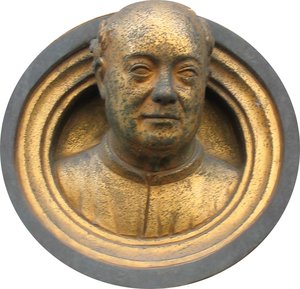
Lorenzo Ghiberti

Lorenzo Ghiberti

1378 - 1455, Włochy

Krótkie informacje o Lorenzo Ghiberti

  • Artistic Movement Or Style: Renesansowy humanizm
  • Artists Or Movements Influenced By This Artist:
    • Donatello
    • Masolino
  • Artists Who Influenced This Artist:
    • Gherardo Starnina
    • Bartolo di Michele
  • Date Of Birth: 1378
  • Date Of Death: 1455
  • Full Name: Lorenzo Ghiberti
  • Nationality: Włoski
  • Notable Artworks:
    • Drzwi Raju
    • Drzwi północne
    • Statua Jana Chrzciciela
  • Place Of Birth: Florencja, Italia

Biografia artysty

A Florentine Renaissance Forged in Bronze: The Life and Legacy of Lorenzo Ghiberti

Lorenzo di Bartolo – a name destined to become synonymous with artistic innovation as Lorenzo Ghiberti – was born near Florence in 1378, into a family deeply rooted in the world of goldsmithing. His early life wasn’t one of privileged leisure; instead, he learned the craft from his stepfather, Bartolo di Michele, absorbing the meticulous techniques and practical skills essential to shaping metal into breathtaking works of art. This foundational training instilled within him an unparalleled mastery of bronze casting – a skill that would ultimately transform him into one of the most celebrated sculptors of the Renaissance. Yet, Ghiberti’s ambitions stretched far beyond the confines of the workshop; he possessed a restless curiosity and a desire to explore the broader realms of artistic expression, leading him to pursue formal painting lessons under the guidance of Gherardo Starnina, broadening his horizons and laying the groundwork for a truly multifaceted talent. A brief but formative period in Rimini, assisting Carlo I Malatesta with frescoes during the devastating outbreak of plague in 1400, exposed him to diverse artistic currents and honed his observational skills – experiences that would profoundly shape his future work. Little did he realize that these early influences were preparing him for a competition that would catapult him into the annals of art history.

The Baptistery Doors: A Triumph of Skill and Vision

In 1401, Florence held a contest of unparalleled significance – a competition to select an artist to create new bronze doors for the city’s magnificent Baptistery. This commission was considered the most prestigious in the entire region, a testament to the artistic prowess of those chosen to adorn this sacred space. Lorenzo Ghiberti, a young and relatively unknown artisan at just twenty-one years old, entered this arena alongside some of the era's most established and formidable minds, including the towering figure of Filippo Brunelleschi. The challenge was audacious: to depict the *Sacrifice of Isaac* in relief – a biblical narrative brimming with drama, symbolism, and profound theological significance. Ghiberti’s panel wasn’t merely a demonstration of technical skill; it was a revelation. His innovative approach, characterized by graceful figures rendered with an unprecedented level of realism and a sophisticated understanding of perspective, immediately captivated the judges and secured his victory. This triumph wasn't simply about winning a commission; it was a declaration of a new artistic sensibility – a bold assertion that Florence’s artistic future lay in embracing innovation and pushing the boundaries of traditional craftsmanship. He swiftly began work on the North Doors, a project that would consume over two decades and fundamentally transform the Baptistery into a showcase of Renaissance artistry.

The “Gates of Paradise”: A Masterpiece Unveiled

Following the resounding success of the North Doors, Ghiberti was entrusted with an even more ambitious undertaking – the creation of a second set of bronze doors for the Baptistery’s east entrance. These doors, completed in 1452, would become his magnum opus – and earn him a nickname bestowed by none other than Michelangelo himself: the “Gates of Paradise.” Each panel depicts scenes from the Old Testament with an unprecedented level of realism, detail, and emotional depth. Ghiberti’s mastery of bronze casting and relief sculpture reached its zenith in these works. The panels aren't merely representations of biblical stories; they are immersive narratives brought to life through meticulous attention to anatomy, drapery, and spatial relationships. He pioneered the use of perspective – a revolutionary technique at the time – to create a sense of depth and realism that was truly groundbreaking. The figures seem to emerge from the bronze itself, imbued with a palpable sense of movement and emotion. The sheer scale and complexity of the “Gates of Paradise” were astonishing, requiring not only exceptional technical skill but also an extraordinary vision and unwavering dedication.

Style, Influences, and Lasting Impact

Ghiberti’s artistic style represents a beautiful synthesis of Gothic elegance and the emerging principles of Renaissance humanism. While rooted in the traditions of medieval craftsmanship – evident in his meticulous attention to detail and the rich textures of the bronze – he embraced classical antiquity, incorporating elements of Roman art and sculpture into his work. This fusion created a unique aesthetic that was both refined and emotionally resonant. He wasn’t simply imitating the past; he was reinterpreting it through a distinctly Renaissance lens. His use of *rilievo schiacciato* – a technique involving flattening the relief to create an illusion of depth – added to the dynamism and complexity of his compositions, drawing inspiration from classical sculpture while simultaneously forging a new path for Italian art. Beyond his artistic achievements, Ghiberti left behind a valuable intellectual legacy in the form of *Commentarii*, an autobiographical treatise on art history, theory, and technique – one of the earliest examples of its kind by an artist. He meticulously documented his own creative process, offering insights into the materials, methods, and philosophical underpinnings of Renaissance sculpture. His writings reveal a deep appreciation for classical art and a belief in the importance of studying both the liberal arts and theoretical sciences to achieve artistic excellence.

A Legacy Cast in Bronze

Lorenzo Ghiberti’s contributions were instrumental in establishing Florence as a leading artistic center during the Renaissance, and the “Gates of Paradise” remain an enduring symbol of Florentine civic pride and artistic achievement. His innovations paved the way for masters like Leonardo da Vinci and Michelangelo, solidifying his place as a pivotal figure in Western art history. His legacy extends far beyond his technical brilliance; he embodied the spirit of the Early Renaissance – a period marked by intellectual curiosity, artistic innovation, and a renewed appreciation for classical learning. Ghiberti’s meticulous attention to detail, his mastery of perspective, and his ability to imbue his sculptures with emotional depth set a new standard for artistic excellence. *His work continues to inspire artists and art lovers alike*, reminding us of the power of human creativity and the enduring beauty of Renaissance artistry. Ghiberti’s legacy is not just in the bronze he shaped, but in the very spirit of innovation that he embodied.

Najważniejsze informacje

  • Artist: Lorenzo Ghiberti
  • Dimensions: 457 x 251 cm
  • Medium: Gilded bronze
  • Title: The Annunciation
  • Artistic style: Early Renaissance

Quiz o sztuce

Do każdego pytania dotyczy tylko jedna poprawna odpowiedź.

Pytanie 1:
What is the primary subject depicted in Lorenzo Ghiberti’s ‘The Annunciation’?
Pytanie 2:
In what year was ‘The Annunciation’ painted by Lorenzo Ghiberti?
Pytanie 3:
The ‘North Doors’ of the Baptistery in Florence, including Ghiberti's 'Annunciation', are primarily made from which material?
Pytanie 4:
Which of the following best describes the artistic style evident in Ghiberti’s ‘Annunciation’?
Pytanie 5:
The image description mentions several smaller figures within the painting. What is their primary purpose?