 Podgląd w skali 1:1
 Wyślij jako kartkę
 Udostępnij
 Szczegóły dzieła
 Przewodnik

 Pobierz obraz
 Podobne obiekty
 RTG
RTG Pokaz slajdów
 Pytania i odpowiedzi
 Statystyki
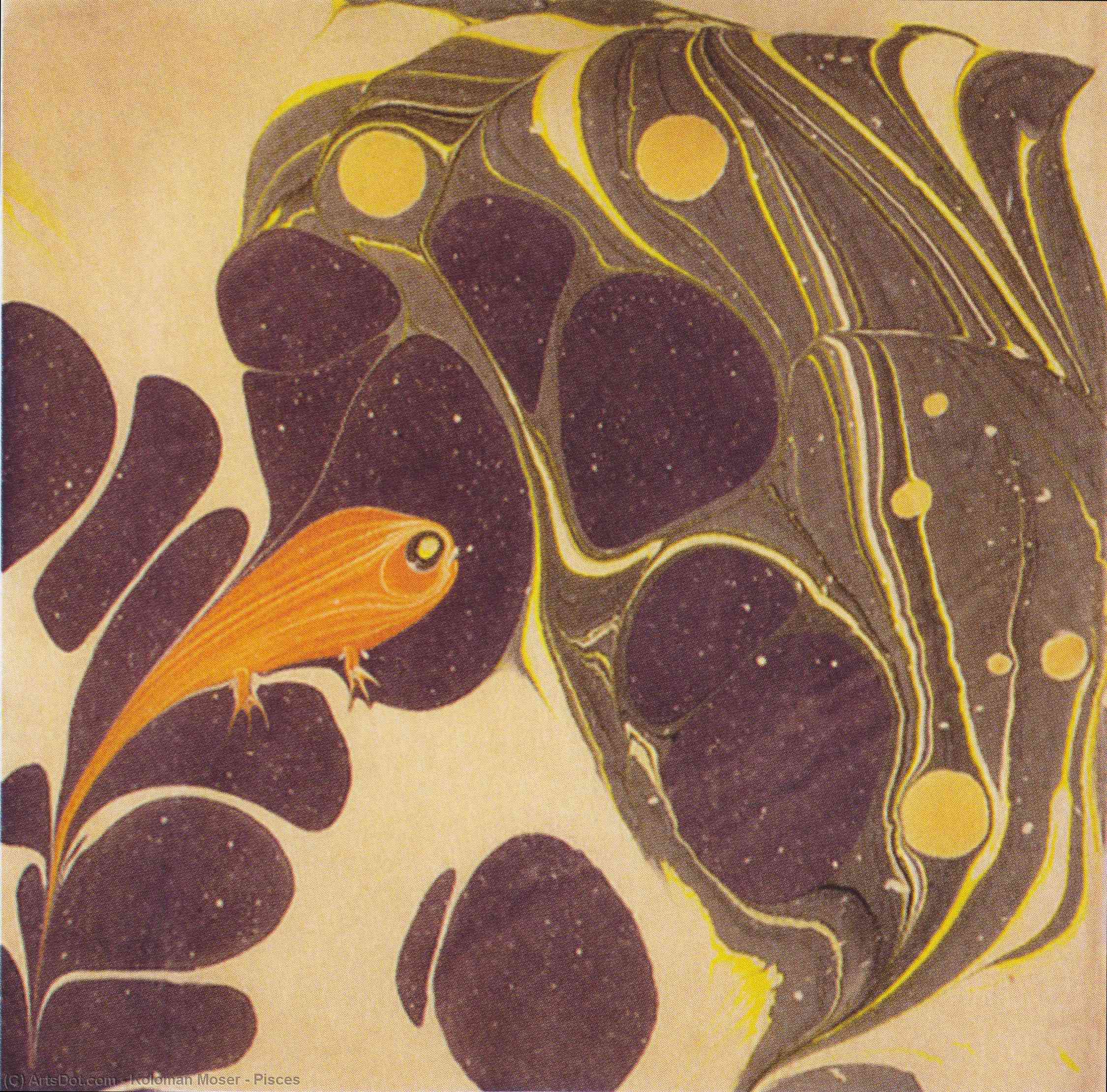
Pisces

- 17.0 x 17.0 cm


 Rozwiń treść
Giclée / Wydruk artystyczny
Wydruki giclée lub płótna o jakości muzealnej, szybka realizacja i szeroki wybór opcji wykończenia. ( Zamów ręcznie malowaną reprodukcję Przejdź do wersji cyfrowej)




P118B zł10

P118H zł10

P118W zł10

P438Z zł10

P508JH zł12

P508YH zł12

P805H zł10

P805Z zł10

P919BZ zł10

P919G zł10

P919XJ zł10

P959ZH zł10

P968JZ zł12

W106C zł8

W218G zł10

W218JH zł8

W218Y zł10

W307PJ zł10

W316G zł10

W316PJ zł8

W316Y zł10

W398PJ zł8

W4111J zł10

W500HY zł15

W500JH zł15

W692G zł12

W849H zł8

W940BG zł15

W953PJ zł8




Wybierz spośród naszych standardowych rozmiarów, które zachowują oryginalne proporcje dzieła sztuki.

Wpisz wymaganą szerokość i wysokość, aby dopasować grafikę do ramy lub ściany. Wydruk można jedynie przyciąć, nigdy nie powiększając go poza oryginalny obraz, dlatego format o innych proporcjach spowoduje utratę części kompozycji. Przed rozpoczęciem druku prześlemy Ci cyfrowy podgląd do zatwierdzenia. Obraz wyświetlany na tej stronie nie pokazuje rzeczywistego przycięcia — jedynie podgląd oddaje ten efekt.
Dostawa na cały świat () w ciągu 2 tygodni zamiast standardowych 4/5 tygodni. (9 Listopad)

Bezpłatna ekspresowa wysyłka na cały świat

Wysokiej jakości płótno lniane

Pełne ubezpieczenie przesyłki

Gwarancja zwrotu należności celnych i podatków importowych

Gwarancja wiernego odwzorowania kolorów

100-dniowa polityka zwrotów (tylko w przypadku wad)

Gwarancja 100% zwrotu pieniędzy

Zniżka przy zakupie wielu sztuk
 Opcja ze szkłem jest dostępna wyłącznie w rozmiarach poniżej 110 cm

Pisces
Giclée / Wydruk artystyczny
Wymiary reprodukcji
-


Cena całkowita
zł 317
Biografia artysty
Early Life and Education
Koloman Moser, a name synonymous with the vibrant spirit of Vienna’s artistic landscape at the turn of the 20th century, was born on March 30, 1868, in the heart of Vienna, Austria-Hungary – a city already brimming with creative energy. His origins were deeply rooted in a family that valued art and design, an inheritance that would profoundly shape his artistic trajectory. While precise details of his early childhood remain somewhat elusive, it’s understood that he was exposed to a rich environment of aesthetic appreciation from a young age. This formative period laid the groundwork for his later explorations into diverse artistic mediums. Moser's formal education began at the Wiener Akademie and continued at the Kunstgewerbeschule, where he honed his skills in various crafts and design disciplines. Crucially, he later became an instructor at the Kunstgewerbeschule from 1899 onwards, a role that not only solidified his expertise but also provided him with opportunities to mentor and influence the next generation of artists and designers. This academic foundation, combined with his familial influences, equipped him with a robust understanding of artistic principles and techniques – a crucial springboard for his subsequent achievements.Artistic Contributions: A Multifaceted Career
Koloman Moser’s artistic legacy is remarkably diverse, extending far beyond the confines of any single discipline. He wasn't merely a graphic designer; he was a visionary who seamlessly integrated art into nearly every facet of daily life. His impact on graphic art is undeniable, characterized by bold geometric patterns and strikingly stylized imagery that graced postage stamps, magazine vignettes, and countless other printed materials. These designs were not simply decorative; they possessed an inherent clarity and elegance, showcasing his innovative use of typography and a masterful understanding of visual communication. However, Moser’s talent extended far beyond the realm of print. He demonstrated a remarkable versatility in fashion design, creating elegant garments that reflected the spirit of the era. Furthermore, he contributed significantly to the world of applied arts, designing exquisite stained glass windows for churches, intricate porcelains and ceramics, delicate blown glass objects, sophisticated tableware, luxurious silverware, and even bespoke jewelry – all embodying his commitment to “Gesamtkunstwerk,” or total work of art. This holistic approach ensured that every element of an object, from its initial concept to its final execution, was meticulously considered and harmoniously integrated. His architectural endeavors are equally noteworthy, most prominently exemplified by his work on the apse mosaic and glass windows for the Kirche am Steinhof in Vienna (1904). These structures stand as testaments to his ability to seamlessly blend artistic vision with functional design, showcasing a profound understanding of space, light, and material.The Wiener Werkstätte and Collaborative Spirit
In 1903, Koloman Moser joined forces with Josef Hoffmann and Fritz Wärndorfer to establish the Wiener Werkstätte – a workshop dedicated to producing aesthetically pleasing household goods. This collaborative venture represented a pivotal moment in Austrian design history, championing the philosophy of “Gesamtkunstwerk,” where every aspect of an object was conceived as part of a unified whole. The Wiener Werkstätte wasn’t simply a manufacturing facility; it was a crucible for artistic innovation, fostering a spirit of experimentation and collaboration among artists and craftsmen. Moser's involvement in the Wiener Werkstätte solidified his commitment to functional beauty and elevated the status of applied arts within Austrian society. He played a key role in shaping the workshop’s aesthetic direction, contributing significantly to its distinctive style characterized by geometric forms, vibrant colors, and meticulous craftsmanship. The workshops output became highly sought after, influencing design trends across Europe.Influences, Development, and Legacy
Moser's artistic development was profoundly shaped by a confluence of influences, including Art Nouveau, Symbolism, and the burgeoning Vienna Secession movement. He drew inspiration from Japanese woodblock prints, particularly their use of flat planes of color and simplified forms – techniques that he skillfully incorporated into his own designs. Over time, his style evolved, becoming increasingly abstract and geometric while retaining a core sense of elegance and refinement. His work during this period reflected a shift away from the more naturalistic tendencies of earlier Art Nouveau styles, embracing bolder geometries and a more stylized approach. This evolution culminated in a distinctive visual language that became instantly recognizable as a hallmark of Viennese design. Remarkably, Moser’s designs have endured, finding their way onto the Austrian 100 Euro Steinhof Church commemorative coin (2005), a testament to his enduring influence on art and design – a recognition of his lasting contribution to the cultural heritage of Austria. Koloman Moser died in Vienna in 1918, leaving behind a rich legacy that continues to inspire artists and designers today.
Koloman Moser
1868 - 1918 , Austria-Węgry
Krótka nota
- Artistic Movement Or Style: Secesja Wiedeńska
- Artists Or Movements Influenced By This Artist: ['Wiener Werkstätte']
- Artists Who Influenced This Artist: ['Otton Wagner']
- Date Of Birth: 30 marca 1868
- Date Of Death: 18 października 1918
- Full Name: Koloman Moser
- Nationality: Austriak
- Notable Artworks:
- Dekoracje fasady
- Tancerka
- Trzy leżące kobiety
- Król Skrzynia
- Zderzenie tytańczy
- Trzej Pierści
- Światło
- Place Of Birth: Wiedeń, Chorwacja
Powiązane artykuły

The Vienna Secession: A Golden Revolution of Modernism and the Legacy of Gustav Klimt
Explore the profound impact of the Vienna Secession movement. Discover how visionaries like Gustav Klimt revolutionized modern art through symbolism, gold leaf, and the concept of Gesamtkunstwerk in this expert-led historical guide.

Secesja Wiedeńska: Bunt Formy i Duch w Sztuce Fin-de-Siècle – Przełomowy Ruch Artystyczny
Poznaj historię Secesji Wiedeńskiej – przełomowego ruchu artystycznego fin de siècle. Analiza dzieł Klimta, Olbricha i innych mistrzów. Ekspercka wiedza o ideologii, architekturze i wpływie tego wyjątkowego stylu.
10 Arcydzieł Secesji: Inspiracje dla Twojego Wnętrza | OriginalUniqueArt.com
Odkryj 10 arcydzieł Secesji! Poznaj historie Muchy, Klimta i innych mistrzów tego wyjątkowego ruchu artystycznego. Inspiracje do wnętrz i reprodukcje najwyższej jakości na OriginalUniqueArt.com. Eksploruj kolekcję online!

The Vienna Secession: A Golden Revolution of Symbolism and Modernity
Explore the profound impact of the Vienna Secession. Discover how Gustav Klimt and the masters of Viennese Modernism revolutionized art through symbolism, gold-leafed beauty, and the concept of Gesamtkunstwerk. A deep dive into a golden era of aesthetic rebellion.
Gustav Klimt: 25 Arcydzieł Pełnych Złota i Symboliki | OriginalUniqueArt.com
Odkryj 25 arcydzieł Gustava Klimta – od 'Pocałunku' po 'Kobietę w złocie'. Poznaj historię, symbolikę i technikę malarstwa secesyjnego. Reprodukcje najwyższej jakości na OriginalUniqueArt.com! Eksploruj pełną kolekcję online.
