 Podgląd w skali 1:1
 Wyślij jako kartkę
 Udostępnij
 Szczegóły dzieła
 Przewodnik

 Pobierz obraz
 Podobne obiekty
 RTG
RTG Pokaz slajdów
 Pytania i odpowiedzi
 Statystyki
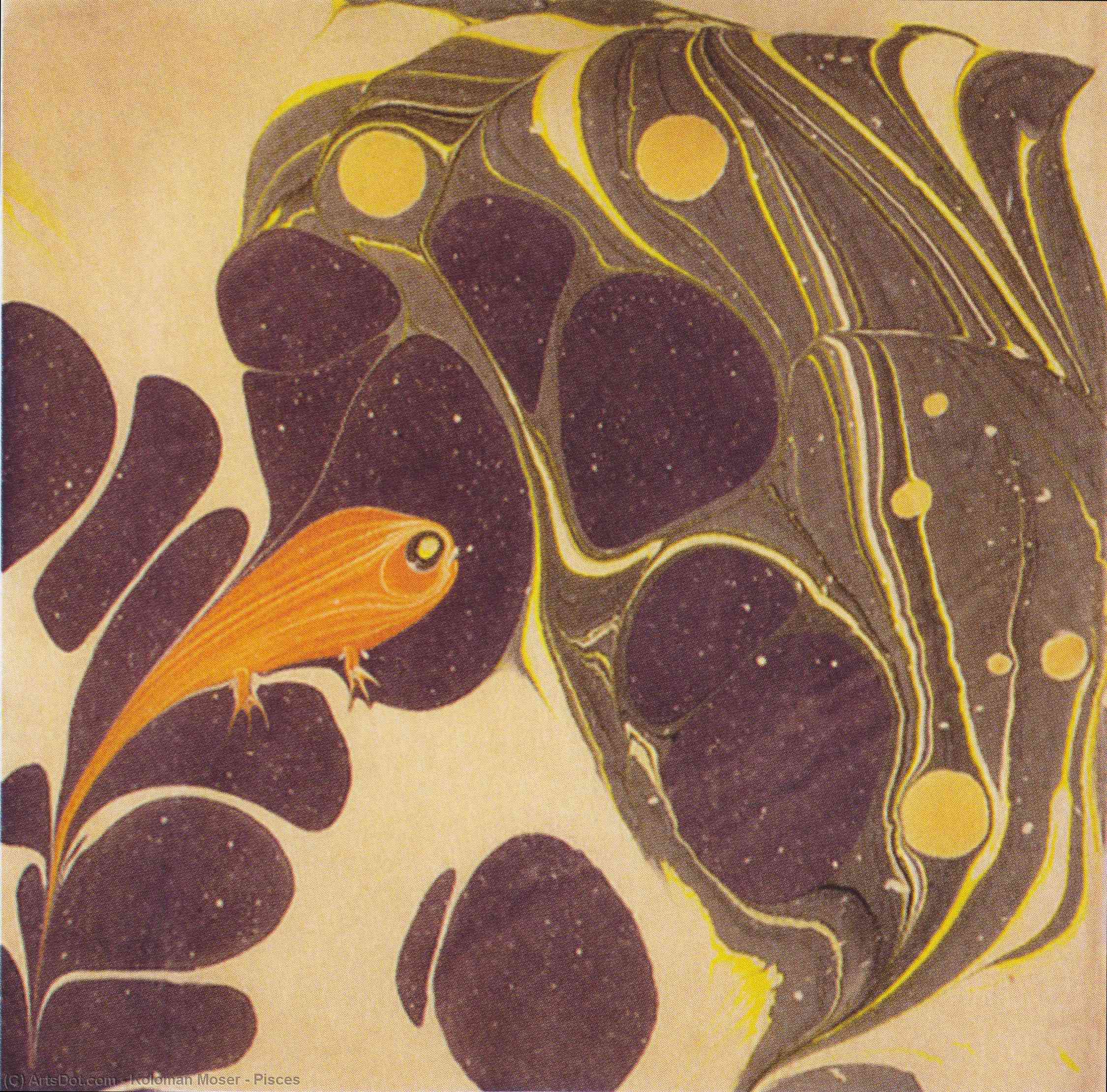
Pisces

- 17.0 x 17.0 cm


 Rozwiń treść
Otrzymaj plik gotowy do druku, którego jakość znacznie przewyższa podgląd internetowy. Każdy sprzedawany przez nas obraz cyfrowy pochodzi z wysokorozdzielczego pliku wzorcowego w naszej bazie — zazwyczaj o szerokości od 5 000 do 15 000 pikseli — dzięki czemu możesz drukować w dużym formacie, mocno kadrować lub z pełnym przekonaniem odwzorowywać najdrobniejsze detale.
Żaden plik nie opuszcza naszego studia bez odpowiedniej obróbki. Ekspert ds. cyfrowej edycji sprawdza zgodność kolorów z oryginałem i w razie potrzeby je koryguje, a następnie za pomocą profesjonalnych narzędzi do retuszu poprawia ostrość oraz szczegółowość — zawsze zachowując wierność pociągnięciom pędzla i stylowi artysty. Rezultatem jest obraz, który wygląda jak prawdziwe dzieło, a nie jak przefiltrowany skan.
Zatwierdzasz przed finalizacją zamówienia: nasz ekspert prześle obraz drogą mailową w ciągu 72 godzin do Twojego wglądu. Nie jesteś zadowolony? Poproś o poprawki lub korektę, bądź o zwrot kosztów, jeśli jakość nie spełnia oczekiwań.
To jakość, na której polegają wydawcy, studia projektowe, galerie oraz drukarnie.
Obraz cyfrowy
Pobierz plik o wysokiej rozdzielczości do osobistego użytku, druku oraz projektów kreatywnych. ( Przełącz na wydania drukowane Zamów ręcznie malowaną reprodukcję)
W każdym zamówieniu na obraz cyfrowy znajduje się
Profesjonalna dostawa cyfrowa z gwarancją
Wybierając OriginalUniqueArt.com, nie otrzymujesz jedynie obrazu – otrzymujesz profesjonalnie udoskonalone cyfrowe dzieło sztuki, stworzone z najwyższą precyzją i objęte gwarancją satysfakcji. Oto wszystko, co automatycznie dołączane jest do Twojego zamówienia:

Błyskawiczna wysyłka e-mailowa
Plik z obrazem cyfrowym w wysokiej rozdzielczości zostanie przesłany na Twój adres e-mail w ciągu 72 godzin od złożenia zamówienia – gotowy do natychmiastowego użycia.

Plik cyfrowy wzbogacony przez AI
Twoja grafika została profesjonalnie zoptymalizowana przy użyciu zaawansowanych narzędzi AI oraz ręcznej edycji, co zapewnia maksymalną szczegółowość, klarowność i wierność kolorów.

Darmowe ponowne przesyłki dożywotnio
Przypadkowo usunąłeś lub zgubiłeś swój plik? Bez obaw – prześlemy go Tobie ponownie w dowolnym momencie, bez żadnych opłat.

Bez opłat importowych – zawsze
Ciesz się swoją sztuką natychmiast, bez żadnych opłat celnych, należności ani kosztów dostawy – pliki cyfrowe są zawsze wolne od podatku.

Gwarancja wierności kolorów
Dzięki zastosowaniu profesjonalnych narzędzi i procesów zarządzania barwą zapewniamy, że Twoje cyfrowe zdjęcie odzwierciedla oryginalne kolory tak wiernie, jak to tylko możliwe.

Gwarancja satysfakcji przez 100 dni
Jeśli nie będziesz zadowolony ze swojego cyfrowego obrazu, dokonamy jego poprawki lub zwrócimy 100% kosztów w ciągu 100 dni – bez zbędnych pytań.

100% Gwarancja zwrotu pieniędzy
Nie jesteś zadowolony? Otrzymaj pełny zwrot kosztów w ciągu 100 dni od otrzymania pliku cyfrowego – bez zbędnych pytań.

Rabaty przy zamówieniach hurtowych
Kup 3 obrazy, oszczędź 10% - Kup 5, oszczędź 15% - Kup 10+, oszczędź 20%. Idealne do projektów kreatywnych, galerii i agencji.
Biografia artysty
Early Life and Education
Koloman Moser, a name synonymous with the vibrant spirit of Vienna’s artistic landscape at the turn of the 20th century, was born on March 30, 1868, in the heart of Vienna, Austria-Hungary – a city already brimming with creative energy. His origins were deeply rooted in a family that valued art and design, an inheritance that would profoundly shape his artistic trajectory. While precise details of his early childhood remain somewhat elusive, it’s understood that he was exposed to a rich environment of aesthetic appreciation from a young age. This formative period laid the groundwork for his later explorations into diverse artistic mediums. Moser's formal education began at the Wiener Akademie and continued at the Kunstgewerbeschule, where he honed his skills in various crafts and design disciplines. Crucially, he later became an instructor at the Kunstgewerbeschule from 1899 onwards, a role that not only solidified his expertise but also provided him with opportunities to mentor and influence the next generation of artists and designers. This academic foundation, combined with his familial influences, equipped him with a robust understanding of artistic principles and techniques – a crucial springboard for his subsequent achievements.Artistic Contributions: A Multifaceted Career
Koloman Moser’s artistic legacy is remarkably diverse, extending far beyond the confines of any single discipline. He wasn't merely a graphic designer; he was a visionary who seamlessly integrated art into nearly every facet of daily life. His impact on graphic art is undeniable, characterized by bold geometric patterns and strikingly stylized imagery that graced postage stamps, magazine vignettes, and countless other printed materials. These designs were not simply decorative; they possessed an inherent clarity and elegance, showcasing his innovative use of typography and a masterful understanding of visual communication. However, Moser’s talent extended far beyond the realm of print. He demonstrated a remarkable versatility in fashion design, creating elegant garments that reflected the spirit of the era. Furthermore, he contributed significantly to the world of applied arts, designing exquisite stained glass windows for churches, intricate porcelains and ceramics, delicate blown glass objects, sophisticated tableware, luxurious silverware, and even bespoke jewelry – all embodying his commitment to “Gesamtkunstwerk,” or total work of art. This holistic approach ensured that every element of an object, from its initial concept to its final execution, was meticulously considered and harmoniously integrated. His architectural endeavors are equally noteworthy, most prominently exemplified by his work on the apse mosaic and glass windows for the Kirche am Steinhof in Vienna (1904). These structures stand as testaments to his ability to seamlessly blend artistic vision with functional design, showcasing a profound understanding of space, light, and material.The Wiener Werkstätte and Collaborative Spirit
In 1903, Koloman Moser joined forces with Josef Hoffmann and Fritz Wärndorfer to establish the Wiener Werkstätte – a workshop dedicated to producing aesthetically pleasing household goods. This collaborative venture represented a pivotal moment in Austrian design history, championing the philosophy of “Gesamtkunstwerk,” where every aspect of an object was conceived as part of a unified whole. The Wiener Werkstätte wasn’t simply a manufacturing facility; it was a crucible for artistic innovation, fostering a spirit of experimentation and collaboration among artists and craftsmen. Moser's involvement in the Wiener Werkstätte solidified his commitment to functional beauty and elevated the status of applied arts within Austrian society. He played a key role in shaping the workshop’s aesthetic direction, contributing significantly to its distinctive style characterized by geometric forms, vibrant colors, and meticulous craftsmanship. The workshops output became highly sought after, influencing design trends across Europe.Influences, Development, and Legacy
Moser's artistic development was profoundly shaped by a confluence of influences, including Art Nouveau, Symbolism, and the burgeoning Vienna Secession movement. He drew inspiration from Japanese woodblock prints, particularly their use of flat planes of color and simplified forms – techniques that he skillfully incorporated into his own designs. Over time, his style evolved, becoming increasingly abstract and geometric while retaining a core sense of elegance and refinement. His work during this period reflected a shift away from the more naturalistic tendencies of earlier Art Nouveau styles, embracing bolder geometries and a more stylized approach. This evolution culminated in a distinctive visual language that became instantly recognizable as a hallmark of Viennese design. Remarkably, Moser’s designs have endured, finding their way onto the Austrian 100 Euro Steinhof Church commemorative coin (2005), a testament to his enduring influence on art and design – a recognition of his lasting contribution to the cultural heritage of Austria. Koloman Moser died in Vienna in 1918, leaving behind a rich legacy that continues to inspire artists and designers today.
Koloman Moser
1868 - 1918 , Austria-Węgry
Krótka nota
- Artistic Movement Or Style: Secesja Wiedeńska
- Artists Or Movements Influenced By This Artist: ['Wiener Werkstätte']
- Artists Who Influenced This Artist: ['Otton Wagner']
- Date Of Birth: 30 marca 1868
- Date Of Death: 18 października 1918
- Full Name: Koloman Moser
- Nationality: Austriak
- Notable Artworks:
- Dekoracje fasady
- Tancerka
- Trzy leżące kobiety
- Król Skrzynia
- Zderzenie tytańczy
- Trzej Pierści
- Światło
- Place Of Birth: Wiedeń, Chorwacja