

 Zobacz w skali 1:1
 Wyślij
 Udostępnij
 Szczegóły
 Przewodnik

 Pobierz plik obrazu
 Podobne obiekty
 RTG
RTG Pokaz slajdów
 Statystyki
Odalisque


 Czytaj więcej
Ręcznie malowana reprodukcja olejowa
Ręcznie malowany obraz olejny na płótnie, wykonany na zamówienie przez naszych artystów w wybranym przez Ciebie wymiarze i oprawie. ( Przełącz na wersję drukowaną Przełącz na wersję cyfrową)




P118B zł10

P118H zł10

P118W zł10

P438Z zł10

P508JH zł12

P508YH zł12

P805H zł10

P805Z zł10

P919BZ zł10

P919G zł10

P919XJ zł10

P959ZH zł10

P968JZ zł12

W106C zł8

W218G zł10

W218JH zł8

W218Y zł10

W307PJ zł10

W316G zł10

W316PJ zł8

W316Y zł10

W398PJ zł8

W4111J zł10

W500HY zł15

W500JH zł15

W692G zł12

W849H zł8

W940BG zł15

W953PJ zł8




Wybierz spośród naszych standardowych rozmiarów, które zachowują oryginalne proporcje dzieła sztuki.

Wpisz wymaganą szerokość i wysokość, aby obraz pasował do Twojej ramy lub ściany. Ponieważ jest to dzieło malowane ręcznie, w przypadku rozmiaru o innym proporcji artysta może domalować nieco więcej wokół obrazu lub przyciąć fragmenty — wybór należy do Ciebie. Przed rozpoczęciem pracy prześlemy Ci cyfrową wizualizację do zatwierdzenia. Obraz widoczny na tej stronie nie przedstawia rzeczywistego efektu — jedynie wizualizacja oddaje realny rezultat.
Po złożeniu zamówienia zespół OriginalUniqueArt.com skontaktuje się z klientem drogą mailową w celu uzyskania instrukcji i prześle wizualizację projektu
Dostawa na całym świecie () w ciągu 3–4 tygodni zamiast standardowych 5 tygodni. (22 Październik). Bez kompromisów w kwestii jakości.

Bezpłatna ekspresowa wysyłka na cały świat

Wysokiej jakości płótno lniane

Pełne ubezpieczenie transportowe

Gwarancja zwrotu należności celnych i podatków importowych

Gwarancja idealnego odwzorowania barw

100-dniowy okres na zwrot dzieła w przypadku wykrycia wad produkcyjnych

Gwarancja 100% zwrotu pieniędzy

Oferta przy zakupie wielu sztuk
 Opcja ze szkłem jest dostępna wyłącznie w rozmiarach poniżej 110 cm

Odalisque
Technika wykonania
Rozmiar reprodukcji
-


Suma do zapłaty
zł 1139
A Vision of Exotic Beauty: The Allure of Lefebvre’s Odalisque
In the quiet, amber-hued sanctuary of Jules Joseph Lefebvre’s 1874 masterpiece, Odalisque, time seems to suspend itself in a moment of eternal repose. This evocative painting serves as a profound emblem of Impressionistic idealism and a cornerstone of academic excellence during the Belle Époque. At first glance, the viewer is drawn into an intimate, dimly lit interior where a nude woman reclines gracefully upon a bed draped in opulent, crimson fabrics. The scene is far more than a mere study of the human form; it is a deliberate sensory journey. Through the strategic placement of scattered oranges and the warm, glowing light that dances across the skin, Lefebvre invites us into a world of Middle Eastern-inspired aesthetics, where every texture—from the soft sheen of silk to the matte skin of ripe fruit—whispers of luxury and exoticism.
Lefebvre’s technical mastery is most evident in his sophisticated use of chiaroscuro. By orchestrating a dramatic interplay between deep shadows and luminous highlights, he sculpts the woman’s silhouette with a three-dimensional vitality that feels almost tactile. The color palette is a masterclass in warmth; the orange and gold tones of the room create an atmosphere of sultry comfort, while the vibrant red of the sheets provides a passionate focal point. This meticulous attention to detail—the way light catches the curve of a shoulder or reflects off a glass bottle—demonstrates a technique that bridges the gap between the rigorous precision of Academicism and the soft, sensory exploration found in Impressionism.
Historical Resonance and the Art of Elegance
To understand Odalisque is to understand the cultural heartbeat of late nineteenth-century France. During this era, there was a profound fascination with Orientalism—a romanticized, often dreamlike perception of the East. Lefebvre, a student of the esteemed Léon Cogniet and a winner of the prestigious Prix de Rome, utilized these themes to create works that were both intellectually grounded in classical tradition and emotionally resonant with the contemporary desire for escapism. Unlike the stark realism that dominated much of the period, Lefebvre’s approach was one of refined elegance. He sought not just to document a figure, but to idealize it, capturing a sense of ethereal grace that elevates the subject from a mere person to a symbol of timeless beauty.
For the discerning collector or interior designer, this painting offers more than just visual splendor; it provides an emotional anchor for a space. The painting’s ability to evoke feelings of serenity, warmth, and quiet contemplation makes it a versatile centerpiece for high-end decor. Whether placed in a sunlit gallery or a moody, sophisticated study, a high-quality reproduction of Odalisque brings with it the prestige of the Belle Époque. It is an invitation to slow down, to appreciate the subtle gradations of light, and to lose oneself in the enduring mystery of Lefebvre’s vision—a piece that continues to captivate the soul long after the first glance.
Pytania i odpowiedzi
Czy „Odalisque” autorstwa Jules Joseph Lefebvre znajduje się w domenie publicznej?
„Odalisque” autorstwa Jules Joseph Lefebvre znajduje się w stanowi domenę publiczną – autorskie prawa majątkowe wygasły. Status ten określa zasady reprodukcji obrazu tego dzieła.
Czy istnieje karta informacyjna o „Odalisque” autorstwa Jules Joseph Lefebvre przeznaczona dla studentów?
Przewodnik po "Odalisque" to strona Przewodnik dzieła sztuki – nadrukowalna karta informacyjna prezentująca utwór wraz z podpisem, informacją o autorstwie oraz tabelą danych (artysta, daty, technika, wymiary oryginału, kolekcja).
W jakiej technice wykonano „Odalisque” autorstwa Jules Joseph Lefebvre?
Technika wykonania dzieła „Odalisque” autorstwa Jules Joseph Lefebvre to Oil On Canvas. Reprodukcje mają na celu wierne oddanie wyglądu tej techniki.
Biografia artysty
Mistrz Akademickiej Elegancji
Jules Joseph Lefebvre jawi się jako świetlista postać w historii dziewiętnastowiecznego malarstwa francuskiego — malarz, którego pędzel posiadał rzadką zdolność chwytania zarówno fizycznej doskonałości ludzkiej formy, jak i głębokiego poczucia eterycznej gracji. Urodzony w Tournai w 1834 roku, przeszedł drogę naznaczoną zdyscyplinowanym mistrzostwem i artystycznym oddaniem. Przeprowadzka do Paryża w wieku zaledwie szesnastu lat pozwoliła mu całkowicie zanurzyć się w rygorystycznej atmosferze École nationale supérieure des Beaux-Arts. Pod okiem szanowanego Léona Cognieta, Lefebvre nie tylko przyswajał technikę; odziedziczył tradycję klasycznej doskonałości, która zdefiniowała całe jego dzieło. Jego wczesne triumfy, a w szczególności zdobycie prestiżowej nagrody Prix de Rome w 1861 roku, zwiastowały nadejście artysty przeznaczonego do roli filaru ruchu akademickiego.
Istota twórczości Lefebvre’a tkwi w tym, co krytycy często nazywają „akademicką elegancją”. Posiadał on nieporównywalną umiejętność przedstawiania kobiecej figury, nadając skórze świetlistą jakość, która zdawała się promieniować od wewnątrz. Jego kompozycje rzadko służyły czystej prowokacji; zamiast tego dążyły do wyniesienia tematu poprzez miękkie światło i delikatną, harmonijną paletę barw. W arcydziełach takich jak Chloé, można dostrzec, jak artysta łączy klasyczny spokój z atmosferyczną więzią z naturą, tworząc poczucie ponadczasowości, które wykracza poza epokę, w której obraz powstał. Bez względu na to, czy przedstawiał postacie mitologiczne, czy współczesne portrety, jego praca zachowuje niezmienną czcią dla piękna oraz skrupulatną uwagę poświęconą subtelnym teksturom tkanin i ciała.
Dziedzictwo Wpływu i Nauczania
Poza swoimi indywidualnymi płótnami, historyczne znaczenie Lefebvre’a jest głęboko zakorzenione w jego roli pedagoga i mentora. Jego pracownia stała się tyglem dla kolejnego pokolenia wielkich malarzy, stanowiąc pomost między tradycyjnym francuskim akademizmem a rodzącymi się nurtami późnego dziewiętnastego wieku. Jego wpływ wykraczał daleko poza granice państw, kształtując dłonie i spojrzenia uczniów, którzy w przyszłości zdefiniowali amerykański impresjonizm oraz europejski modernizm. Wśród jego najbardziej znamienitych wychowanków znaleźli się:
- Fernand Khnopff, którego symbolistyczne poszukiwania niosą echa atmosferycznej wrażliwości Lefebvre’a;
- Edmund C. Tarbell, kluczowa postać szkoły bo스tonskiej (Boston School);
- Félix Vallotton, który w późniejszym czasie przesuwał granice sztuki graficznej i kompozycji;
- Kenyon Cox, który przeniósł pochodnię klasycznej doskonałości figuralnej do Stanów Zjednoczonych.
To pedagogiczne dziedzictwo sprawiło, że nawet gdy style ewoluowały w stronę impresjonizmu i dalszych nurtów, fundamentalne zasady rysunku i światła — same filary własnej praktyki Lefebvre’a — pozostały żywotne. Jego niezwykle aktywna obecność na paryskim Salonie, z siedemdziesięcioma dwoma dziełami wystawionymi między 1855 a 1898 rokiem, ugruntowała jego status jako filaru establishmentu artystycznego. Poprzez dzieła takie jak sugestywna Lady Godiva oraz pełny godności Portret Jamesa A. Campbella, Lefebvre uchwycił ducha epoki, pozostawiając po sobie dorobek, który nieustannie czaruje widzów wyrafinowanym połączeniem realizmu, romantyzmu i nieporównanej wirtuozerii technicznej.

Jules Joseph Lefebvre
1834 - 1912 , Francja
Najważniejsze informacje
- Artistic Movement Or Style: Sztuka akademicka
- Artists Or Movements Influenced By This Artist: ['Romantyzm']
- Artists Who Influenced This Artist: ['Léon Cogniet']
- Date Of Birth: 14 marca 1836
- Date Of Death: 24 lutego 1911
- Full Name: Jules Joseph Lefebvre
- Nationality: Francuz
- Notable Artworks:
- Lady Godiva
- Portrait of James A. Campbell
- La Cigale
- Place Of Birth: Tournai, Francja
Zobacz także powiązane artykuły
Akademizm w Obrazie: 10 Arcydzieł Realizmu dla Twojego Domu | OriginalUniqueArt
Poznaj 10 arcydzieł realizmu akademickiego! Odkryj historie Bouguereau, Gérôme i Cabanel. Reprodukcje obrazów najwyższej jakości dla Twojego wnętrza. Inspiracje dekoracyjne na OriginalUniqueArt.com.

Romantic Realism's Finest: 10 Masterpieces for Your Home | OriginalUniqueArt
Explore 10 defining masterpieces of Romantic Realism! Discover Courbet, Millet & Daumier's powerful paintings—capturing emotion and social realities. Find museum-quality reproductions for your home at OriginalUniqueArt.com.
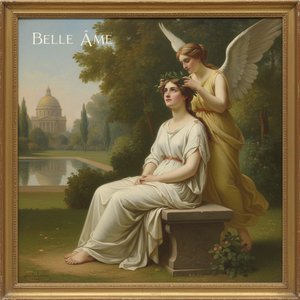
Jules Lefebvre: Master of Academic Realism & the Pursuit of Belle Âme
Explore the captivating figure paintings of Jules Lefebvre (1836-1911), a renowned French academic artist and educator. Discover his masterpieces, signature style, and lasting influence on art history. Shop high-quality reproductions at OriginalUniqueArt.
Akademizm w sztuce: Technika, historia i trwały wpływ na rozwój malarstwa
Poznaj historię akademizmu w sztuce! Analiza technik malarskich, wpływ na rozwój XIX-wiecznego malarstwa i dziedzictwo artystyczne. Ekspercka wiedza dla miłośników historii sztuki.

The Beauty of Perfection: A Journey Through the Rigor and Radiance of Academic Realism
Explore the profound elegance of Academic Realism. Discover how meticulous observation, anatomical precision, and the pursuit of ideal beauty created a timeless legacy of technical mastery and emotional depth in the world's most revered art academies.
