
 Podgląd w skali 1:1
 Wyślij jako kartkę
 Udostępnij
 Szczegóły dzieła
 Przewodnik

 Pobierz obraz
 Podobne obiekty
 RTG
RTG Pokaz slajdów
 Q&A
Q&A Statystyki
A Naval Ketch


 Rozwiń treść
Giclée / Wydruk artystyczny
Wydruki giclée lub płótna o jakości muzealnej, szybka realizacja i szeroki wybór opcji wykończenia. ( Zamów ręcznie malowaną reprodukcję Przejdź do wersji cyfrowej)




P118B zł10

P118H zł10

P118W zł10

P438Z zł10

P508JH zł12

P508YH zł12

P805H zł10

P805Z zł10

P919BZ zł10

P919G zł10

P919XJ zł10

P959ZH zł10

P968JZ zł12

W106C zł8

W218G zł10

W218JH zł8

W218Y zł10

W307PJ zł10

W316G zł10

W316PJ zł8

W316Y zł10

W398PJ zł8

W4111J zł10

W500HY zł15

W500JH zł15

W692G zł12

W849H zł8

W940BG zł15

W953PJ zł8




Wybierz spośród naszych standardowych rozmiarów, które zachowują oryginalne proporcje dzieła sztuki.

Wpisz wymaganą szerokość i wysokość, aby dopasować grafikę do ramy lub ściany. Wydruk można jedynie przyciąć, nigdy nie powiększając go poza oryginalny obraz, dlatego format o innych proporcjach spowoduje utratę części kompozycji. Przed rozpoczęciem druku prześlemy Ci cyfrowy podgląd do zatwierdzenia. Obraz wyświetlany na tej stronie nie pokazuje rzeczywistego przycięcia — jedynie podgląd oddaje ten efekt.
Dostawa na cały świat () w ciągu 2 tygodni zamiast standardowych 4/5 tygodni. (31 Październik)

Bezpłatna ekspresowa wysyłka na cały świat

Wysokiej jakości płótno lniane

Pełne ubezpieczenie przesyłki

Gwarancja zwrotu należności celnych i podatków importowych

Gwarancja wiernego odwzorowania kolorów

100-dniowa polityka zwrotów (tylko w przypadku wad)

Gwarancja 100% zwrotu pieniędzy

Zniżka przy zakupie wielu sztuk
 Opcja ze szkłem jest dostępna wyłącznie w rozmiarach poniżej 110 cm

A Naval Ketch
Giclée / Wydruk artystyczny
Wymiary reprodukcji
-


Cena całkowita
zł 311
Biografia artysty
The Shipwright of the Canvas: The Life of John Cleveley the Elder
In the heart of eighteenth-century London, amidst the rhythmic sounds of hammers and the scent of fresh timber at the Deptford Dockyard, a unique artistic vision was being forged. John Cleveley the Elder (c. 1712 – 1777) did not emerge from the polished studios of fine art academies, but rather from the practical, gritty reality of a shipwright’s workshop. Born in Southwark, his early life was defined by the tactile mastery of wood and iron. As a carpenter belonging to His Majesty’s Navy, Cleveley possessed an intimate, structural understanding of the vessels that dominated the seas of his era. This foundational knowledge would later become the very soul of his artistry, allowing him to transcend mere illustration and achieve a profound level of maritime realism that few of his contemporaries could replicate.
Cleveley’s journey is a testament to the power of observation. Without formal academic training, he relied on an innate ability to translate the technical complexities of naval architecture into evocative oil paintings. His dual vocation—working as a carpenter while developing his painterly hand—meant that every line of a hull and every tension in a mast was informed by firsthand experience. When one gazes upon his depictions of ships under construction, such as the celebrated Sixth-Rate on the Stocks, one does not merely see a painting; one witnesses the meticulous precision of a man who understood the weight, the grain, and the engineering of the maritime world.
A Mastery of Light, Sea, and Motion
The brilliance of Cleveley’s work lies in his ability to marry technical accuracy with an atmospheric sensitivity. While his compositions are anchored by the rigid geometry of naval construction, they are brought to life through a masterful use of light and shadow. He possessed a rare talent for capturing the mercurial nature of the sea—the way sunlight dances upon a cresting wave or how a heavy mist might shroud a distant frigate. In works like The Royal Caroline, painted in 1750, Cleveley demonstrates an extraordinary command over movement; the sails are not static objects but living entities, caught in a moment of energetic propulsion across the canvas.
His stylistic development allowed him to navigate various maritime themes, from the serene majesty of royal yachts to the visceral drama of naval engagements. He could pivot from the quiet, industrious atmosphere of the dockyards to the chaotic, salt-sprayed intensity of a storm. This versatility ensured his relevance among a wide range of patrons, including naval officers who sought accurate records of their vessels and collectors enamored by the romanticism of the high seas. His brushwork often balanced the fine detail required for ship portraits with a broader, more expressive touch when rendering the elements, creating a sense of depth and dimensionality that pulls the viewer into the very heart of the ocean.
Legacy and Historical Significance
The historical significance of John Cleveley the Elder extends far beyond his individual canvases. He was a pioneer of a genre that would come to define British visual identity during an age of naval supremacy. By documenting the evolution of shipbuilding and the grandeur of the Royal Navy, he provided a vital visual record of Britain's maritime ascendancy. His influence also echoed through his family; his son, John Cleveley the Younger, and his nephew, Robert Cleveley, continued this tradition of marine excellence, further cementing the Cleveley name as a cornerstone of British maritime art.
Today, the works of Cleveley the Elder serve as much more than historical artifacts. They are emotive windows into a vanished era of sail and timber. His ability to blend the technical precision of a craftsman with the poetic vision of an artist ensures that his legacy remains vibrant. Through his eyes, we do not just observe the ships of the eighteenth century; we feel the spray of the Atlantic, sense the tension of the rigging, and respect the enduring majesty of the sea.

John Cleveley The Elder
1712 - 1777
Krótka nota
- Full Name: John Cleveley the Elder
- Nationality: English
- Date Of Birth: 1712
- Date Of Death: 1777
- Place Of Birth: Southwark, England
- Notable Artworks:
- Sixth-Rate on the Stocks
- The Royal Yacht Caroline
- HMS Brune
- Cambridge
- Artistic Movement Or Style: Marine Art
- Artists Who Influenced This Artist: ['Paul Sandby']
- Artists Or Movements Influenced By This Artist: ['Romanticism']
Powiązane artykuły

Sailing Through History: The Majestic Beauty and Artistry of 19th-Century Marine Masterpieces
Explore the breathtaking grandeur of 19th-century maritime art. From tempestuous seascapes to tranquil harbors, discover the masterful techniques of marine painters and learn how to bring these historical naval masterpieces into your home through exquisite oil reproductions.
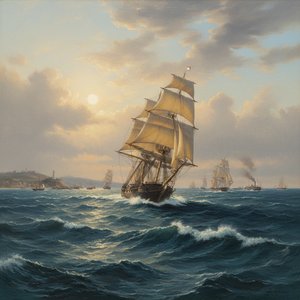
James E. Buttersworth: Navigating the Seas of Victorian Marine Painting
Explore the captivating world of James Edward Buttersworth, a foremost Victorian marine painter. Discover his meticulous ship portraits, America's Cup chronicles & enduring legacy in museums worldwide. Learn about his technique and style.

Wysyłka i zwroty
APS zapewnia fachową, międzynarodową wysyłkę dzieł sztuki z opieką na poziomie muzealnym, pełnym śledzeniem przesyłek i gwarancją zwrotu pieniędzy w ciągu 100 dni. Od wsparcia celnego po Priority Production, zaufaj przejrzystej obsłudze, bezpiecznemu opakowaniu i niezawodnej dostawie dla kolekcjonerów, projektantów i galerii.
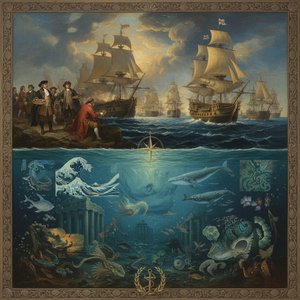
W głębi reprezentacji: Historyczna eksploracja malarstwa morskiego i jego dziedzictwo
Odkryj fascynującą historię malarstwa marynistycznego! Poznaj wybitnych artystów, symbolikę marin i porady dla kolekcjonerów. Ekspercka analiza i wartościowanie dzieł sztuki.

John Wilson Carmichael: Evoking Scottish Identity Through Dramatic Marine Painting
Explore the dramatic marine paintings of John Wilson Carmichael (1800-1868), a Victorian master renowned for his realistic seascapes and historical naval scenes. Discover his life, style & available hand-painted reproductions at OriginalUniqueArt.