

 Zobacz w skali 1:1
 Wyślij
 Udostępnij
 Szczegóły
 Przewodnik

 Pobierz plik obrazu
 Podobne obiekty
 RTG
RTG Pokaz slajdów
 Statystyki
Ołtarz Pałacowy
 Akryl na płótnie
- Sztuka ścienna
- Baroque Decorative Style
 1725
1725 5.0 x 66.0 cm
 Zamek Królewski na Wawelu
 Czytaj więcej
Giclée / Wydruk artystyczny
Wydruki giclée lub płótna o jakości muzealnej, szybka realizacja i szeroki wybór opcji wykończenia. ( Kup ręcznie malowany obraz Przełącz na wersję cyfrową)




P118B zł10

P118H zł10

P118W zł10

P438Z zł10

P508JH zł12

P508YH zł12

P805H zł10

P805Z zł10

P919BZ zł10

P919G zł10

P919XJ zł10

P959ZH zł10

P968JZ zł12

W106C zł8

W218G zł10

W218JH zł8

W218Y zł10

W307PJ zł10

W316G zł10

W316PJ zł8

W316Y zł10

W398PJ zł8

W4111J zł10

W500HY zł15

W500JH zł15

W692G zł12

W849H zł8

W940BG zł15

W953PJ zł8




Wybierz spośród naszych standardowych rozmiarów, które zachowują oryginalne proporcje dzieła sztuki.

Wpisz wymaganą szerokość i wysokość, aby dopasować grafikę do ramy lub ściany. Wydruk można jedynie przyciąć, nigdy nie powiększając go poza oryginalny obraz, dlatego format o innym proporcji spowoduje utratę części kompozycji. Przed rozpoczęciem druku prześlemy Ci cyfrowy podgląd do zatwierdzenia. Obraz wyświetlany na tej stronie nie pokazuje rzeczywistego przycięcia — jedynie podgląd oddaje ten efekt.
Dostawa na cały świat () w ciągu 2 tygodni zamiast standardowych 4/5 tygodni. (24 Październik)

Bezpłatna ekspresowa wysyłka na cały świat

Wysokiej jakości płótno lniane

Pełne ubezpieczenie transportowe

Gwarancja zwrotu należności celnych i podatków importowych

Gwarancja idealnego odwzorowania barw

100-dniowy okres na zwrot dzieła w przypadku wykrycia wad produkcyjnych

Gwarancja 100% zwrotu pieniędzy

Oferta przy zakupie wielu sztuk
 Opcja ze szkłem jest dostępna wyłącznie w rozmiarach poniżej 110 cm

Ołtarz Pałacowy
Giclée / Wydruk artystyczny
Rozmiar reprodukcji
-


Suma do zapłaty
zł 307
Johann Andreas Thelott’s Palace Altarpiece: A Symphony of Detail and Faith
Carel de Moor, a Dutch Master of Subtle Detail – This painting by Johann Andreas Thelott encapsulates the spirit of *fijnschilding*, a hallmark of Dutch Baroque art. Executed in 1725, it depicts an opulent church altar adorned with intricate carvings and dominated by a majestic statue—a testament to religious devotion and artistic mastery. More than just a visual spectacle, this artwork speaks volumes about its era and the profound aesthetic sensibilities of its creator.Subject Matter and Composition
The centerpiece is undoubtedly the statue itself, positioned centrally within the altar’s frame. Its serene countenance embodies piety and grace—a common theme in religious art during Thelott's time. Surrounding it are three vases strategically placed to enhance the visual harmony, reflecting a meticulous approach to composition characteristic of *fijnschilding*. To the left stands a clock, symbolizing time and mortality, while two books nestled together represent knowledge and spiritual contemplation. These elements intertwine seamlessly, guiding the viewer’s gaze and fostering reflection on themes of faith and earthly existence.Style and Technique
Thelott's technique is remarkable for its precision and subtlety. He skillfully employs chiaroscuro—the dramatic interplay between light and shadow—to sculpt form and imbue the scene with atmospheric depth. The gold frame surrounding the altar adds to the grandeur, highlighting the richness of materials and reinforcing the altar’s sacred status. Close examination reveals an astonishing level of detail: the textures of the carvings, the folds of drapery, and even the subtle nuances of color—all meticulously rendered to convey a sense of realism that transcends mere representation. This dedication to meticulous observation aligns perfectly with Carel de Moor's artistic legacy.Historical Context and Symbolism
Painted during the Baroque period in Augsburg, Germany, this altar reflects the prevailing religious fervor of the time. The Baroque style prioritized emotional impact and grandeur, aiming to inspire awe and reverence. The statue’s pose and expression are deliberately chosen to convey spiritual virtue—a reflection of humanist ideals prevalent in European intellectual circles. Furthermore, the inclusion of symbols like the clock and books underscores the importance of moral contemplation and understanding God's divine plan.Emotional Impact and Artistic Legacy
Ultimately, Thelott’s Palace Altarpiece transcends its formal elements to evoke a powerful emotional response. Its serene beauty and masterful technique invite viewers to contemplate themes of faith, morality, and artistic excellence—a legacy that continues to resonate with art lovers today. Reproductions offer an opportunity to appreciate this masterpiece's enduring appeal and bring its contemplative spirit into modern interiors.Pytania i odpowiedzi
Jaką paletę barw i jakie emocje łączy ze sobą "Ołtarz Pałacowy"?
„Ołtarz Pałacowy” autorstwa Johann Andreas Thelott łączy w sobie Barwy neutralne paletę barw z Sielankowy tonem.
Do jakiego wnętrza polecane jest dzieło „Ołtarz Pałacowy” autorstwa Johann Andreas Thelott?
Zalecaną przestrzenią dla „Ołtarz Pałacowy” autorstwa Johann Andreas Thelott jest Salon lub strefa dzienna. Sugestia ta może zostać oczywiście dostosowana do Twojego wnętrza.
Ile lat miał(a) Johann Andreas Thelott, tworząc "Ołtarz Pałacowy" w 1725 roku?
Johann Andreas Thelott miał 70 lat, tworząc „Ołtarz Pałacowy” w 1725. Wiek ten został obliczony na podstawie roku urodzenia artysty, 1655.
Biografia artysty
Carel de Moor: A Dutch Master of Subtle Detail
Carel de Moor (the Younger), born on February 25, 1655, in Leiden, Netherlands, was a pivotal figure in the development of Dutch Golden Age painting. His life and career unfolded within a vibrant artistic landscape, shaped by the legacy of his father, Carel de Moor (the Elder), an ebony woodworker and art dealer, and influenced by masters like Gerrit Dou and Frans van Mieris. De Moor’s journey wasn't one of dramatic innovation but rather a meticulous refinement of existing techniques, earning him recognition as a master of *fijnschilding* – a style characterized by subtle details, atmospheric effects, and a quiet realism. He stands as a testament to the enduring power of observation and skillful execution within the Dutch artistic tradition.Early Training and Influences
De Moor’s early education was deeply rooted in his family's trade and artistic connections. His father, a skilled craftsman and art dealer, exposed him to the world of art from a young age. Recognizing his son’s innate talent for drawing, he sent Carel to Gerrit Dou (1613–75), a renowned Leiden master known for his atmospheric effects and meticulous rendering of textures. This early mentorship instilled in De Moor a deep appreciation for observation and a commitment to capturing the nuances of light and shadow. Later, seeking a bolder brush handling, he traveled to Amsterdam to study with Abraham van den Tempel (1622/23–72), another influential painter whose work emphasized realism and psychological insight. These formative experiences laid the foundation for De Moor’s distinctive style, blending the lessons of his teachers into a cohesive and personal artistic vision.Style and Technique
De Moor's paintings are distinguished by their remarkable subtlety and restraint. Unlike some of his contemporaries who favored dramatic compositions or bold colors, he cultivated a more understated approach, focusing on capturing fleeting moments and conveying psychological depth through carefully rendered details. His works often feature figures engaged in quiet activities – a woman listening to a scolding, a couple sharing a private moment, or a scholar absorbed in his studies. These scenes are presented with an almost photographic realism, achieved through meticulous attention to texture, light, and shadow. He employed a technique of *sfumato*, blurring outlines and softening edges to create a sense of atmosphere and ambiguity. This careful control of detail, combined with a masterful understanding of color and composition, is what sets De Moor’s work apart.Notable Works and Commissions
De Moor's career spanned several decades, during which he produced a substantial body of work encompassing history paintings, genre scenes, and portraits. He was a prolific member of the Leiden Guild of St. Luke, holding various leadership positions, including headman and dean, demonstrating his influence within the artistic community. Among his most celebrated works are *The Duet* (1674), a captivating depiction of two women engaged in conversation; and his series of paintings illustrating the life of Saint Bruno, commissioned for the Charterhouse Monastery in Paris. These later works showcase De Moor’s evolving style, incorporating elements of both realism and classical influence. His dedication to his craft is evident in the numerous drawings he created, many of which are now housed in museums worldwide.Legacy and Historical Significance
Carel de Moor (the Younger) remains a significant figure in Dutch Golden Age painting, representing a crucial link between the earlier masters and subsequent generations of artists. His commitment to subtlety, realism, and psychological insight established him as a leading exponent of *fijnschilding*. He wasn’t a revolutionary; rather, he perfected existing techniques, contributing significantly to the development of a refined and nuanced style that continues to be admired for its quiet beauty and profound observation of human nature. His influence can be seen in the work of later Dutch painters, solidifying his place as a master of detail and a testament to the enduring legacy of Leiden’s artistic tradition.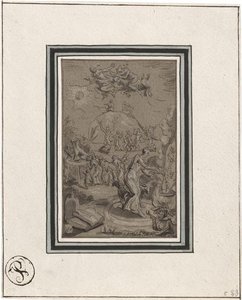
Johann Andreas Thelott
1655 - 1734 , Germany
Najważniejsze informacje
- Full Name: Eustache Le Sueur
- Nationality: French
- Date Of Birth: 1655
- Date Of Death: 1734
- Place Of Birth: Augsburg, Germany
- Notable Artworks:
- Angel and Hagar
- Tobias and Tobit
- Martyrdom St Lawrence
- Life of St Bruno
- Artistic Movement Or Style: Neoclassical
- Artists Who Influenced This Artist:
- Vouet
- Poussin
- Artists Or Movements Influenced By This Artist: ["Le Sueur's style influenced later artists."]
Zobacz także powiązane artykuły

Barokowe arcydzieła: 10 obrazów, które zdefiniowały epokę | OriginalUniqueArt.com
Odkryj 10 arcydzieł baroku! Caravaggio, Rembrandt, Rubens i inni artyści, którzy zdefiniowali epokę. Poznaj historie, techniki i inspiracje tych niezwykłych obrazów. Reprodukcje najwyższej jakości na OriginalUniqueArt.com – idealne do Twojego wnętrza!

Baroque Classicism: The Grandeur of Order and Drama in 17th-Century Art History
Explore the profound elegance of Baroque Classicism. Discover how 17th-century masters synthesized dramatic emotion with classical order through the lens of the Counter-Reformation and the works of legends like Carlo Maratta and Andrea Sacchi.

Dramatyczny Rozkwit Baroku: Dziedzictwo Sztuki Kontrreformacji i Mistrzowie Chiaroscuro
Odkryj dramatyczny świat baroku! Poznaj historię sztuki kontrreformacji, mistrzów chiaroscuro i weneckich arcydzieł. Reprodukcje najwyższej jakości na OriginalUniqueArt.com.

The Visceral Stage: Exploring Dramatic Narratives & Emotional Intensity in Baroque Art
Explore the dramatic world of Baroque art! Discover iconic masters like Caravaggio & Rembrandt, their techniques, and the movement's lasting impact. Expert insights for collectors & enthusiasts at OriginalUniqueArt.

Barokowy Dramat we Wnętrzach: Sztuka Przepychu i Elegancji w Twoim Domu
Odkryj świat barokowego przepychu! Porady ekspertów jak wprowadzić elegancję i dramat do Twojego wnętrza. Inspiracje, charakterystyka stylu i praktyczne wskazówki.
