Przełącz na wydania drukowane
 Rozwiń treść







































 W przypadku dzieł sztuki lub reprodukcji, których którykolwiek z boków przekracza 105 cm (około 41 cali), rama zostanie wysłana w formie zestawu do samodzielnego montażu. Metoda ta zapewnia bezpieczną dostawę i zapobiega uszkodzeniom podczas transportu.


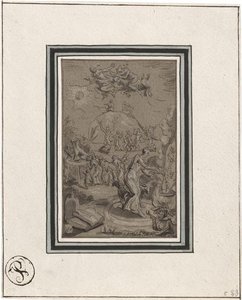
Johann Andreas Thelott’s Palace Altarpiece: A Symphony of Detail and Faith
Carel de Moor, a Dutch Master of Subtle Detail – This painting by Johann Andreas Thelott encapsulates the spirit of *fijnschilding*, a hallmark of Dutch Baroque art. Executed in 1725, it depicts an opulent church altar adorned with intricate carvings and dominated by a majestic statue—a testament to religious devotion and artistic mastery. More than just a visual spectacle, this artwork speaks volumes about its era and the profound aesthetic sensibilities of its creator.Subject Matter and Composition
The centerpiece is undoubtedly the statue itself, positioned centrally within the altar’s frame. Its serene countenance embodies piety and grace—a common theme in religious art during Thelott's time. Surrounding it are three vases strategically placed to enhance the visual harmony, reflecting a meticulous approach to composition characteristic of *fijnschilding*. To the left stands a clock, symbolizing time and mortality, while two books nestled together represent knowledge and spiritual contemplation. These elements intertwine seamlessly, guiding the viewer’s gaze and fostering reflection on themes of faith and earthly existence.Style and Technique
Thelott's technique is remarkable for its precision and subtlety. He skillfully employs chiaroscuro—the dramatic interplay between light and shadow—to sculpt form and imbue the scene with atmospheric depth. The gold frame surrounding the altar adds to the grandeur, highlighting the richness of materials and reinforcing the altar’s sacred status. Close examination reveals an astonishing level of detail: the textures of the carvings, the folds of drapery, and even the subtle nuances of color—all meticulously rendered to convey a sense of realism that transcends mere representation. This dedication to meticulous observation aligns perfectly with Carel de Moor's artistic legacy.Historical Context and Symbolism
Painted during the Baroque period in Augsburg, Germany, this altar reflects the prevailing religious fervor of the time. The Baroque style prioritized emotional impact and grandeur, aiming to inspire awe and reverence. The statue’s pose and expression are deliberately chosen to convey spiritual virtue—a reflection of humanist ideals prevalent in European intellectual circles. Furthermore, the inclusion of symbols like the clock and books underscores the importance of moral contemplation and understanding God's divine plan.Emotional Impact and Artistic Legacy
Ultimately, Thelott’s Palace Altarpiece transcends its formal elements to evoke a powerful emotional response. Its serene beauty and masterful technique invite viewers to contemplate themes of faith, morality, and artistic excellence—a legacy that continues to resonate with art lovers today. Reproductions offer an opportunity to appreciate this masterpiece's enduring appeal and bring its contemplative spirit into modern interiors.Pytania i odpowiedzi
Jak opisuje się paletę kolorystyczną dzieła „Ołtarz Pałacowy” – Johann Andreas Thelott?
Kolory dzieła "Ołtarz Pałacowy" tworzą Barwy neutralne paletę barw. Klasyfikacja ta opisuje dominujące rodziny kolorystyczne.
Co to za dzieło: "Ołtarz Pałacowy"?
„Ołtarz Pałacowy” – Johann Andreas Thelott jest klasyfikowane jako Sztuka ścienna. Kategoria ta określa rodzaj dzieła, jakim jest oryginał.
Jak intensywne są kolory w „Ołtarz Pałacowy” – Johann Andreas Thelott?
Intensywność barw w dziele „Ołtarz Pałacowy” wynosi Monochromatyczność. Intensywność określa, jak nasycone wydają się kolory.
 Podgląd w skali 1:1
 Wyślij jako kartkę
 Udostępnij
 Szczegóły dzieła
 Przewodnik

 Pobierz obraz
 Podobne obiekty
 RTG
RTG Pokaz slajdów
 Pytania i odpowiedzi
 Statystyki