Zobacz w skali 1:1
 Wyślij
 Udostępnij
 Szczegóły
 Przewodnik

 Pobierz plik obrazu
 Podobne obiekty
 RTG
RTG Pokaz slajdów
 Statystyki
Obraz
 Olej na płótnie
- Sztuka ścienna
- Abstract Expressionism
 1933
1933- Modernizm
 130.0 x 163.0 cm
 Fundació Joan Miró
 Czytaj więcej
Dzieło sztuki prezentowane na tej stronie podlega ochronie prawem autorskim, co oznacza, że nie mamy prawa do tworzenia ani sprzedaży jego identycznej reprodukcji. Ochrona ta jest egzekwowana na mocy umów międzynarodowych, takich jak Konwencja berneńska oraz przez przepisy prawa krajowego, w tym te określone w Prawo autorskie USA – Tytuł 17.
Metoda ta jest w pełni zgodna z przepisami prawa autorskiego, ponieważ nie polega na kopiowaniu ani powielaniu chronionego dzieła. Stanowi ona kreatywną reinterpretację – nowy obraz, który czerpie inspirację z oryginału, ale nie jest z nim tożsamy.
Giclée / Wydruk artystyczny
Wydruki giclée lub płótna o jakości muzealnej, szybka realizacja i szeroki wybór opcji wykończenia. ( Kup ręcznie malowany obraz Przełącz na wersję cyfrową)




P118B zł10

P118H zł10

P118W zł10

P438Z zł10

P508JH zł12

P508YH zł12

P805H zł10

P805Z zł10

P919BZ zł10

P919G zł10

P919XJ zł10

P959ZH zł10

P968JZ zł12

W106C zł8

W218G zł10

W218JH zł8

W218Y zł10

W307PJ zł10

W316G zł10

W316PJ zł8

W316Y zł10

W398PJ zł8

W4111J zł10

W500HY zł15

W500JH zł15

W692G zł12

W849H zł8

W940BG zł15

W953PJ zł8




Wybierz spośród naszych standardowych rozmiarów, które zachowują oryginalne proporcje dzieła sztuki.

Wpisz wymaganą szerokość i wysokość, aby dopasować grafikę do ramy lub ściany. Wydruk można jedynie przyciąć, nigdy nie powiększając go poza oryginalny obraz, dlatego format o innym proporcji spowoduje utratę części kompozycji. Przed rozpoczęciem druku prześlemy Ci cyfrowy podgląd do zatwierdzenia. Obraz wyświetlany na tej stronie nie pokazuje rzeczywistego przycięcia — jedynie podgląd oddaje ten efekt.
Dostawa na cały świat () w ciągu 2 tygodni zamiast standardowych 4/5 tygodni. (19 Październik)

Bezpłatna ekspresowa wysyłka na cały świat

Wysokiej jakości płótno lniane

Pełne ubezpieczenie transportowe

Gwarancja zwrotu należności celnych i podatków importowych

Gwarancja idealnego odwzorowania barw

100-dniowy okres na zwrot dzieła w przypadku wykrycia wad produkcyjnych

Gwarancja 100% zwrotu pieniędzy

Oferta przy zakupie wielu sztuk
 Opcja ze szkłem jest dostępna wyłącznie w rozmiarach poniżej 110 cm

Obraz
Giclée / Wydruk artystyczny
Rozmiar reprodukcji
-


Suma do zapłaty
zł 304
A Vibrant Dance of Color and Form
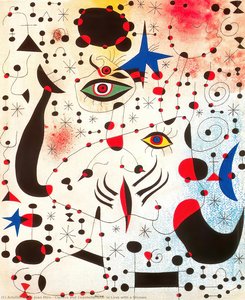
Joan Miró’s “Painting” from 1933 is more than just an image; it's a portal into the artist’s subconscious, a testament to his pioneering exploration of abstract expressionism. Created in Barcelona during a period marked by both artistic ferment and personal reflection—influenced profoundly by Gaudí’s architectural vision—this artwork embodies the spirit of Surrealist experimentation while retaining a core rooted in Catalan identity. The piece itself is deceptively simple at first glance, dominated by a striking palette of crimson reds, luminous yellows, and deep blues interwoven with patches of muted grey and ivory. However, beneath this surface lies a complex interplay of geometric shapes—circles, ovals, rectangles—that seem to float against the canvas, creating an illusion of movement and depth.Cubist Influences & Surrealist Vision
Miró’s artistic journey began amidst challenging circumstances – illness and parental reservations about his artistic ambitions – yet he persevered with unwavering determination fueled by a deep desire to communicate emotions beyond conventional representation. The influence of Cubism is palpable in the fragmented forms and multiple perspectives presented, mirroring Picasso's groundbreaking approach to depicting reality. Simultaneously, Miró embraced Surrealist principles, prioritizing dreamlike imagery and symbolic resonance over literal depiction. This duality reflects his fascination with exploring the hidden realms of consciousness and translating intangible sensations into visual form. As Anne Umland eloquently describes in “Joan Miró: Painting and Anti-Painting 1927–1937,” this painting represents a deliberate effort to distill Miró’s artistic process—a meticulous layering of collage elements from equipment catalogs—into its purest essence.Technical Mastery & Color Harmony
The artwork showcases remarkable technical skill, achieved through bold, free-form brushstrokes that prioritize color and shape over painstaking detail. Likely executed in oil on canvas, the smooth application of paint highlights Miró’s mastery of texture and tonal gradation. The artist skillfully utilizes contrasting hues to generate visual excitement—the fiery reds juxtaposed against cool blues—while maintaining a harmonious balance through strategic use of neutral tones like black and white. This careful consideration of color theory underscores Miró's commitment to conveying emotion directly, bypassing the intermediary step of realistic portrayal. The deliberate flattening of perspective contributes to the artwork’s ethereal quality, inviting contemplation and encouraging viewers to engage with its symbolic layers.Symbolism & Emotional Resonance
The stylized human face—a recurring motif in Miró’s oeuvre—serves as a focal point for introspection and emotional expression. Its presence alongside the amorphous shapes evokes a sense of mystery and invites interpretation as representing the subconscious mind's exploration of dreams and memories. The overall arrangement of forms suggests spontaneity and dynamism, mirroring the artist’s belief that art should capture the immediacy of experience. “Painting (Figures with Stars)” exemplifies Miró’s ability to transform abstract concepts into emotionally resonant visual narratives—a captivating piece for collectors and interior designers alike who appreciate the power of understated beauty and symbolic depth.- Artist: Joan Miró
- Year: 1933
- Medium: Oil on Canvas
- Dimensions: 130 x 163 cm
Further Exploration:
Discover more about Joan Miró’s artistic legacy and explore reproductions of his celebrated works at The Art Institute of Chicago.
Pytania i odpowiedzi
W jaki sposób tematyka dzieła "Obraz" odnosi się do typowych motywów twórczości Joan Miró?
Wśród utrwalonych w twórczości Joan Miró motywów – surrealist dreamscape, catalan tradition roots, expressionist boldness style, geometric forms harmony, mirroring artistic vision – dzieło „Obraz” wprowadza własne skupienie na geometric shapes, bold colors, dynamic composition, surrealism influenced, organic forms, emotional expression, catalan identity.
Jaki nastrój i emocje łączą się w "Obraz"?
Oddany w dziele nastrój „Obraz” autorstwa Joan Miró to Zabawny i beztroski, a jego ton emocjonalny to Pełen energii.
Czy mogę obejrzeć "Obraz" w formie pełnoekranowej prezentacji slajdów?
Dostępna jest prezentacja zdjęć: strona Pokaz slajdów dzieła „Obraz” autorstwa Joan Miró.
Biografia artysty
A Catalan Visionary: The Life and Art of Joan Miró
Joan Miró i Ferrà, born in Barcelona in 1893, stands as one of the most significant figures in 20th-century art. His journey was not merely a progression through styles but an exploration of inner worlds, translating dreams, memories, and Catalan identity onto canvas with a uniquely poetic visual language. From humble beginnings marked by illness and initial parental reservations about his artistic pursuits, Miró persevered, driven by an innate need to express the intangible—the emotions, sensations, and subconscious currents that lie beneath the surface of reality. His early life was steeped in the traditions of Barcelona, a city brimming with architectural marvels thanks to Antoni Gaudí, whose organic forms would subtly influence Miró’s later abstractions. The goldsmithing profession of his father instilled an appreciation for meticulous craftsmanship, while the rugged Catalan landscape became a recurring motif and source of inspiration throughout his career.Early Influences and the Path to Surrealism
Miró's formal artistic training began at La Llotja in Barcelona, where he honed his skills in traditional techniques. However, it was exposure to the avant-garde movements sweeping through Paris that truly ignited his creative evolution. The vibrant colors of Fauvism and the fragmented forms of Cubism resonated deeply, prompting him to move to Paris in 1920. This period proved pivotal as he encountered artists like Pablo Picasso and began experimenting with increasingly abstract compositions. Yet, Miró didn’t simply adopt these styles; he synthesized them, forging a path toward his own distinctive aesthetic. He sought to distill forms to their essence, stripping away representational details in favor of symbolic shapes and evocative colors. This exploration led him to the Surrealist group in 1924, aligning him with artists such as Max Ernst and Salvador Dalí. While embracing the Surrealist interest in the subconscious, Miró maintained a unique sensibility—his work was less about shocking imagery or Freudian symbolism than it was about creating a world of playful forms and poetic suggestion. He famously recounted that he returned to his Parisian studio at Rue Blomet without dinner and began sketching in his notebook, stating: “Those shapes appeared to me on the ceiling.”The Language of Symbols: Key Works and Artistic Innovations
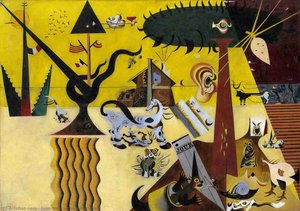
Throughout the 1920s and 30s, Miró developed his signature visual vocabulary—a universe populated by biomorphic shapes, floating forms, and vibrant colors. The Farm (1922) exemplifies this transition. It’s not merely a depiction of rural life but an evocation of Catalan identity and a symbolic representation of the natural world. His collaborative spirit led to innovative techniques like *grattage*, pioneered with Max Ernst in 1926 for designs intended for Sergei Diaghilev's ballet, where textures were revealed by scraping paint across canvas. The Dutch Interiors (1928) series demonstrated his ability to reinterpret the Old Masters through a distinctly modern lens, transforming domestic scenes into dreamlike abstractions. Painting (1933) encapsulates Miró’s exploration of the subconscious and his rejection of conventional artistic boundaries—bold colors and simplified forms conveying a profound emotional resonance. Beyond painting, Miró fearlessly experimented with sculpture, ceramics, and printmaking, expanding his creative horizons and demonstrating a remarkable versatility.Legacy and Enduring Influence
Joan Miró's impact on 20th-century art is undeniable. He wasn’t simply a painter; he was a visionary who challenged the very definition of artistic expression. His work paved the way for abstract expressionism and continues to inspire artists across disciplines. He established two foundations—the Fundació Joan Miró in Barcelona (1975) and the Fundació Pilar i Joan Miró in Palma de Mallorca (1981)—ensuring that his legacy would endure, providing spaces for artistic exploration and education. Throughout his long career, he remained committed to pushing boundaries, questioning conventions, and exploring the depths of human imagination. Miró’s art is a testament to the power of abstraction, symbolism, and poetic expression—a vibrant celebration of life, dreams, and the enduring spirit of Catalan culture. His work continues to resonate with audiences worldwide, inviting us to enter a world where anything is possible and the boundaries between reality and fantasy blur into a captivating dance of color and form.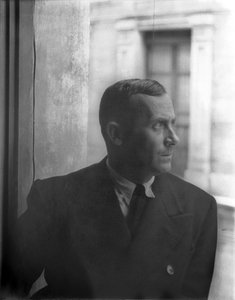
Joan Miró
1893 - 1983 , Hiszpania
Najważniejsze informacje
- Artistic Movement Or Style: Surrealizm
- Artists Who Influenced This Artist:
- Pablo Picasso
- Wasilij Kandinskij
- Date Of Birth: 20 kwietnia 1893
- Date Of Death: 25 grudnia 1983
- Full Name: Joan Miró i Ferrà
- Nationality: Hiszpanka
- Notable Artworks:
- Farm
- Dutch Interiors
- Painting
- Place Of Birth: Barcelona, Hiszpania
Zobacz także powiązane artykuły

Geometria Sztuki: 10 Arcydzieł Abstrakcji Geometrycznej | OriginalUniqueArt.com
Odkryj 10 arcydzieł abstrakcji geometrycznej! Poznaj historię Mondriana, Kandinskiego i Maleвича. Inspiracje wnętrzarskie z malarstwem abstrakcyjnym – reprodukcje najwyższej jakości na OriginalUniqueArt.com. Eksploruj kolekcję online!
Joan Miró: 25 Najlepszych Dzieł Genialnego Katalońskiego Artysty | OriginalUniqueArt.com
Odkryj 25 arcydzieł Joan Miró – katalońskiego mistrza surrealizmu! Poznaj historie, techniki i inspiracje za jego kolorowymi, abstrakcyjnymi obrazami. Reprodukcje najwyższej jakości na OriginalUniqueArt.com. Eksploruj pełną kolekcję online!
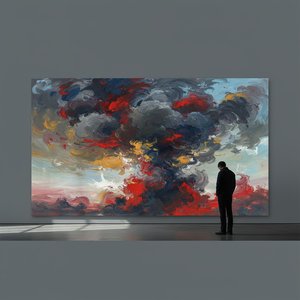
Ekspresjonizm Abstrakcyjny: Emocjonalny Krajobraz Nowojorskiej Awangardy
Poznaj fascynujący świat ekspresjonizmu abstrakcyjnego! Analiza kluczowych artystów, nurtów i wpływu na współczesną sztukę. Ekskluzywne informacje dla kolekcjonerów i miłośników.

25 Arcydzieł Kandinskiego: Kolor, Duchowość i Abstrakcja w Twoim Domu | OriginalUniqueArt.com
Odkryj 25 arcydzieł Wassily Kandinskiego – pioniera abstrakcji i ekspresjonizmu! Poznaj historie, techniki i emocje kryjące się za jego kolorowymi kompozycjami. Reprodukcje obrazów najwyższej jakości na OriginalUniqueArt.com. Eksploruj pełną kolekcję online!

Top 10 arcydzieł ekspresjonizmu abstrakcyjnego – inspiracje dla Twojego wnętrza | OriginalUniqueArt.com
Odkryj 10 arcydzieł ekspresjonizmu abstrakcyjnego – Pollock, Rothko, de Kooning i inni. Poznaj historie artystów, techniki i inspiracje dla Twojego wnętrza. Reprodukcje najwyższej jakości na OriginalUniqueArt.com!