Zobacz w skali 1:1
 Wyślij
 Udostępnij
 Szczegóły
 Przewodnik

 Pobierz plik obrazu
 Podobne obiekty
 RTG
RTG Pokaz slajdów
 Statystyki
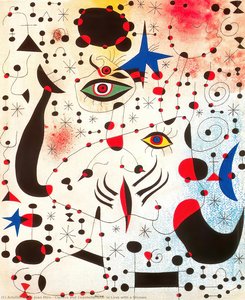
Christ among the Doctors
 Acrylic On Canvas
- WallArt
- Surrealist & Abstract
 112.0 x 76.0 cm
 Czytaj więcej
Giclée / Wydruk artystyczny
Wydruki giclée lub płótna o jakości muzealnej, szybka realizacja i szeroki wybór opcji wykończenia. ( Kup ręcznie malowany obraz Przełącz na wersję cyfrową)




P118B $10

P118H $10

P118W $10

P438Z $10

P508JH $12

P508YH $12

P805H $10

P805Z $10

P919BZ $10

P919G $10

P919XJ $10

P959ZH $10

P968JZ $12

W106C $8

W218G $10

W218JH $8

W218Y $10

W307PJ $10

W316G $10

W316PJ $8

W316Y $10

W398PJ $8

W4111J $10

W500HY $15

W500JH $15

W692G $12

W849H $8

W940BG $15

W953PJ $8




Wybierz spośród naszych standardowych rozmiarów, które zachowują oryginalne proporcje dzieła sztuki.

Możesz wprowadzić własne wymiary, aby dopasować dzieło do konkretnej ramy lub przestrzeni. Jeśli wybrany rozmiar nie będzie odpowiadał proporcjom oryginalnego obrazu, przytniecie dzieło lub rozszerzymy obraz za pomocą odbicia lustrzanego lub jednolitego wypełnienia krawędzi. Przed rozpoczęciem produkcji prześlemy cyfrową wizualizację do Twojej akceptacji.
Prosimy pamiętać, że podgląd na ekranie nie odzwierciedla faktycznego przycinania ani rozszerzania. Tylko wizualizacja dokładnie pokaże końcową kompozycję.
Mimo dostępności niestandardowych rozmiarów, zalecamy wybór wymiaru z listy zdefiniowanej, aby zachować oryginalne proporcje.
Dostawa na cały świat () w ciągu 2 tygodni zamiast standardowych 4/5 tygodni. (26 Wrzesień)

Bezpłatna ekspresowa wysyłka na cały świat

Wysokiej jakości płótno lniane

Pełne ubezpieczenie transportowe

Gwarancja zwrotu należności celnych i podatków importowych

Gwarancja idealnego odwzorowania barw

100-dniowy okres na zwrot dzieła w przypadku wykrycia wad produkcyjnych

Gwarancja 100% zwrotu pieniędzy

Oferta przy zakupie wielu sztuk
 Opcja ze szkłem jest dostępna wyłącznie w rozmiarach poniżej 110 cm

Christ among the Doctors
Giclée / Wydruk artystyczny
Rozmiar reprodukcji
-


Suma do zapłaty
$ 80
A Vision of Healing and Reverence: Exploring Joan Miró’s “Christ Among the Doctors”
Joan Miró’s “Christ Among the Doctors,” created around 1959, stands as a testament to Catalan Surrealist artistry—a captivating blend of organic forms and symbolic imagery that transcends mere depiction. This monumental lithograph, executed by Mourlot in Paris and published with Galerie Cordier, captures a moment of profound contemplation within a stylized ecclesiastical setting, reflecting Miró’s enduring fascination with spirituality and his distinctive approach to visual storytelling. Measuring 112 x 76 cm, the artwork immediately draws the eye into its intricate composition—a carefully orchestrated tableau populated by abstracted figures bathed in muted hues.The Artist's Context: Barcelona and Gaudí’s Influence
Born in Barcelona in 1893, Joan Miró’s artistic trajectory was inextricably linked to the city’s architectural grandeur, spearheaded by Antoni Gaudí. Gaudí’s embrace of biomimicry—drawing inspiration from natural forms—found subtle resonance within Miró's oeuvre, shaping his penchant for undulating lines and amorphous shapes that evoke a sense of movement and organic growth. This formative influence is palpable in “Christ Among the Doctors,” where simplified anatomical representations intertwine with fantastical elements, mirroring Gaudí’s visionary aesthetic. The artist’s early life was marked by illness and familial reservations regarding his artistic ambitions—challenges he overcame through unwavering dedication to his craft and a profound conviction in the power of visual expression.Stylistic Characteristics: Surrealist Abstraction Meets Religious Symbolism
“Christ Among the Doctors” firmly establishes Miró within the Surrealist movement, albeit with an unmistakably personal stamp. Unlike overtly hallucinatory Surrealists like Dalí, Miró eschewed explicit psychological exploration, prioritizing instead a poetic distillation of emotion and memory into abstract forms. The lithograph’s technique—a masterful manipulation of color and texture achieved through etching and printing—further enhances its visual impact. Bold lines delineate the central figure of Christ, surrounded by stylized doctors—their faces rendered as simplified geometric shapes—creating a harmonious balance between recognizable iconography and imaginative abstraction. The muted palette—dominated by earthy tones—contributes to an atmosphere of solemn reverence and contemplative stillness.Symbolic Layers: Faith, Medicine, and Catalan Identity
Beyond its formal qualities, “Christ Among the Doctors” is laden with symbolic significance. The depiction of Christ receiving medical care speaks to Miró’s humanist concerns—a reflection of his belief in compassion and healing—while simultaneously referencing the rich tradition of Catalan medicine. Furthermore, the artwork embodies Miró's commitment to portraying Catalan identity through abstracted forms and evocative colors. The open canopy above the figures evokes the grandeur of Barcelona’s churches, anchoring the scene within a specific cultural context. Recurring motifs—such as spirals and circles—suggest cyclical patterns and universal truths—themes central to Miró’s artistic vision.Emotional Resonance: A Moment of Serene Contemplation
Ultimately, “Christ Among the Doctors” succeeds in conveying a profound sense of serenity and contemplation. The artwork invites viewers to pause and consider the intersection between faith and intellect—between spiritual aspiration and scientific inquiry. Miró's masterful use of color and line creates an immersive experience that transcends literal representation, tapping into deeper emotional currents. It’s a piece that lingers in the mind long after viewing, prompting reflection on themes of compassion, healing, and the enduring power of artistic imagination. This lithograph remains a captivating emblem of Miró’s distinctive style and his unwavering devotion to conveying the intangible essence of human experience.Biografia artysty
A Catalan Visionary: The Life and Art of Joan Miró
Joan Miró i Ferrà, born in Barcelona in 1893, stands as one of the most significant figures in 20th-century art. His journey was not merely a progression through styles but an exploration of inner worlds, translating dreams, memories, and Catalan identity onto canvas with a uniquely poetic visual language. From humble beginnings marked by illness and initial parental reservations about his artistic pursuits, Miró persevered, driven by an innate need to express the intangible—the emotions, sensations, and subconscious currents that lie beneath the surface of reality. His early life was steeped in the traditions of Barcelona, a city brimming with architectural marvels thanks to Antoni Gaudí, whose organic forms would subtly influence Miró’s later abstractions. The goldsmithing profession of his father instilled an appreciation for meticulous craftsmanship, while the rugged Catalan landscape became a recurring motif and source of inspiration throughout his career.Early Influences and the Path to Surrealism
Miró's formal artistic training began at La Llotja in Barcelona, where he honed his skills in traditional techniques. However, it was exposure to the avant-garde movements sweeping through Paris that truly ignited his creative evolution. The vibrant colors of Fauvism and the fragmented forms of Cubism resonated deeply, prompting him to move to Paris in 1920. This period proved pivotal as he encountered artists like Pablo Picasso and began experimenting with increasingly abstract compositions. Yet, Miró didn’t simply adopt these styles; he synthesized them, forging a path toward his own distinctive aesthetic. He sought to distill forms to their essence, stripping away representational details in favor of symbolic shapes and evocative colors. This exploration led him to the Surrealist group in 1924, aligning him with artists such as Max Ernst and Salvador Dalí. While embracing the Surrealist interest in the subconscious, Miró maintained a unique sensibility—his work was less about shocking imagery or Freudian symbolism than it was about creating a world of playful forms and poetic suggestion. He famously recounted that he returned to his Parisian studio at Rue Blomet without dinner and began sketching in his notebook, stating: “Those shapes appeared to me on the ceiling.”The Language of Symbols: Key Works and Artistic Innovations
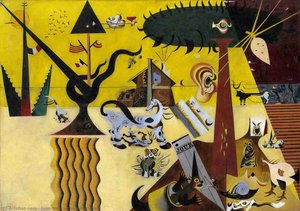
Throughout the 1920s and 30s, Miró developed his signature visual vocabulary—a universe populated by biomorphic shapes, floating forms, and vibrant colors. The Farm (1922) exemplifies this transition. It’s not merely a depiction of rural life but an evocation of Catalan identity and a symbolic representation of the natural world. His collaborative spirit led to innovative techniques like *grattage*, pioneered with Max Ernst in 1926 for designs intended for Sergei Diaghilev's ballet, where textures were revealed by scraping paint across canvas. The Dutch Interiors (1928) series demonstrated his ability to reinterpret the Old Masters through a distinctly modern lens, transforming domestic scenes into dreamlike abstractions. Painting (1933) encapsulates Miró’s exploration of the subconscious and his rejection of conventional artistic boundaries—bold colors and simplified forms conveying a profound emotional resonance. Beyond painting, Miró fearlessly experimented with sculpture, ceramics, and printmaking, expanding his creative horizons and demonstrating a remarkable versatility.Legacy and Enduring Influence
Joan Miró's impact on 20th-century art is undeniable. He wasn’t simply a painter; he was a visionary who challenged the very definition of artistic expression. His work paved the way for abstract expressionism and continues to inspire artists across disciplines. He established two foundations—the Fundació Joan Miró in Barcelona (1975) and the Fundació Pilar i Joan Miró in Palma de Mallorca (1981)—ensuring that his legacy would endure, providing spaces for artistic exploration and education. Throughout his long career, he remained committed to pushing boundaries, questioning conventions, and exploring the depths of human imagination. Miró’s art is a testament to the power of abstraction, symbolism, and poetic expression—a vibrant celebration of life, dreams, and the enduring spirit of Catalan culture. His work continues to resonate with audiences worldwide, inviting us to enter a world where anything is possible and the boundaries between reality and fantasy blur into a captivating dance of color and form.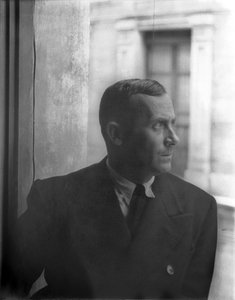
Joan Miró
1893 - 1983 , Hiszpania
Najważniejsze informacje
- Artistic Movement Or Style: Surrealizm
- Artists Who Influenced This Artist:
- Pablo Picasso
- Wasilij Kandinskij
- Date Of Birth: 20 kwietnia 1893
- Date Of Death: 25 grudnia 1983
- Full Name: Joan Miró i Ferrà
- Nationality: Hiszpanka
- Notable Artworks:
- Farm
- Dutch Interiors
- Painting
- Place Of Birth: Barcelona, Hiszpania
Zobacz także powiązane artykuły
Surrealizm w sztuce: 10 arcydzieł, które zmieniły postrzeganie rzeczywistości | OriginalUniqueArt.com
Odkryj 10 arcydzieł surrealizmu! Poznaj historie Dalí, Magritte'a i innych mistrzów tego ruchu. Inspiracje wnętrzarskie i reprodukcje obrazów najwyższej jakości na OriginalUniqueArt.com. Eksploruj pełną kolekcję online!

25 Arcydzieł Kandinskiego: Kolor, Duchowość i Abstrakcja w Twoim Domu | OriginalUniqueArt.com
Odkryj 25 arcydzieł Wassily Kandinskiego – pioniera abstrakcji i ekspresjonizmu! Poznaj historie, techniki i emocje kryjące się za jego kolorowymi kompozycjami. Reprodukcje obrazów najwyższej jakości na OriginalUniqueArt.com. Eksploruj pełną kolekcję online!
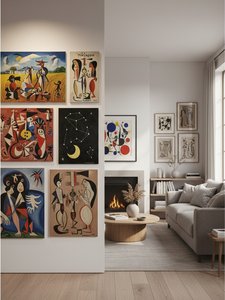
Joan Miró: 25 Najlepszych Dzieł Genialnego Katalońskiego Artysty | OriginalUniqueArt.com
Odkryj 25 arcydzieł Joan Miró – katalońskiego mistrza surrealizmu! Poznaj historie, techniki i inspiracje za jego kolorowymi, abstrakcyjnymi obrazami. Reprodukcje najwyższej jakości na OriginalUniqueArt.com. Eksploruj pełną kolekcję online!

Top 10 arcydzieł ekspresjonizmu abstrakcyjnego – inspiracje dla Twojego wnętrza | OriginalUniqueArt.com
Odkryj 10 arcydzieł ekspresjonizmu abstrakcyjnego – Pollock, Rothko, de Kooning i inni. Poznaj historie artystów, techniki i inspiracje dla Twojego wnętrza. Reprodukcje najwyższej jakości na OriginalUniqueArt.com!

Geometria Sztuki: 10 Arcydzieł Abstrakcji Geometrycznej | OriginalUniqueArt.com
Odkryj 10 arcydzieł abstrakcji geometrycznej! Poznaj historię Mondriana, Kandinskiego i Maleвича. Inspiracje wnętrzarskie z malarstwem abstrakcyjnym – reprodukcje najwyższej jakości na OriginalUniqueArt.com. Eksploruj kolekcję online!