
 Podgląd w skali 1:1
 Wyślij jako kartkę
 Udostępnij
 Szczegóły dzieła
 Przewodnik

 Pobierz obraz
 Podobne obiekty
 RTG
RTG Pokaz slajdów
 Pytania i odpowiedzi
 Statystyki
Self-Portrait

- 61.0 x 49.0 cm


 Rozwiń treść
Giclée / Wydruk artystyczny
Wydruki giclée lub płótna o jakości muzealnej, szybka realizacja i szeroki wybór opcji wykończenia. ( Zamów ręcznie malowaną reprodukcję Przejdź do wersji cyfrowej)




P118B zł10

P118H zł10

P118W zł10

P438Z zł10

P508JH zł12

P508YH zł12

P805H zł10

P805Z zł10

P919BZ zł10

P919G zł10

P919XJ zł10

P959ZH zł10

P968JZ zł12

W106C zł8

W218G zł10

W218JH zł8

W218Y zł10

W307PJ zł10

W316G zł10

W316PJ zł8

W316Y zł10

W398PJ zł8

W4111J zł10

W500HY zł15

W500JH zł15

W692G zł12

W849H zł8

W940BG zł15

W953PJ zł8




Wybierz spośród naszych standardowych rozmiarów, które zachowują oryginalne proporcje dzieła sztuki.

Wpisz wymaganą szerokość i wysokość, aby dopasować grafikę do ramy lub ściany. Wydruk można jedynie przyciąć, nigdy nie powiększając go poza oryginalny obraz, dlatego format o innych proporcjach spowoduje utratę części kompozycji. Przed rozpoczęciem druku prześlemy Ci cyfrowy podgląd do zatwierdzenia. Obraz wyświetlany na tej stronie nie pokazuje rzeczywistego przycięcia — jedynie podgląd oddaje ten efekt.
Dostawa na cały świat () w ciągu 2 tygodni zamiast standardowych 4/5 tygodni. (15 Listopad)

Bezpłatna ekspresowa wysyłka na cały świat

Wysokiej jakości płótno lniane

Pełne ubezpieczenie przesyłki

Gwarancja zwrotu należności celnych i podatków importowych

Gwarancja wiernego odwzorowania kolorów

100-dniowa polityka zwrotów (tylko w przypadku wad)

Gwarancja 100% zwrotu pieniędzy

Zniżka przy zakupie wielu sztuk
 Opcja ze szkłem jest dostępna wyłącznie w rozmiarach poniżej 110 cm

Self-Portrait
Giclée / Wydruk artystyczny
Wymiary reprodukcji
-


Cena całkowita
zł 315
Jean-Étienne Liotard’s “Self-Portrait,” A Window into Rococo Introspection
The year 1744 marks a pivotal moment in the artistic trajectory of Jean-Étienne Liotard, a Genevan painter whose oeuvre is defined by an exquisite blend of naturalism and ethereal beauty. His “Self-Portrait,” housed within the hallowed halls of the Uffizi Gallery in Florence, isn’t merely a depiction of a man; it's a carefully constructed meditation on identity, perception, and the delicate balance between the observed world and the inner self. Painted during his period in Rome, this pastel masterpiece exemplifies Liotard’s signature style – a luminous, almost dreamlike quality achieved through masterful layering and an unparalleled sensitivity to light and texture.
Liotard's technique is immediately striking. He eschews the rigid formality of traditional portraiture, opting instead for a relaxed pose and a gaze that feels both direct and contemplative. The pastel medium itself—a relatively new tool in 18th-century art—allowed Liotard to build up color with astonishing subtlety, creating an effect akin to sfumato, the hazy blurring technique perfected by Leonardo da Vinci. Notice how he employs delicate washes of pinks, blues, and greens to capture the nuances of light on his face and clothing, imbuing the portrait with a sense of atmospheric depth. The background, rendered in loose, impressionistic strokes, isn’t merely decorative; it subtly reinforces the feeling of introspection, suggesting an inner landscape mirroring the sitter's thoughts.
A Genevan Artist Embraces the Orient
Born in Geneva in 1702, Liotard’s early life was shaped by his Huguenot heritage and a rigorous artistic training under esteemed miniaturists. However, it was his sojourn to Constantinople between 1738 and 1742 that profoundly influenced his artistic vision. Immersed in the vibrant culture of the Ottoman Empire, he developed a fascination with Eastern aesthetics – particularly the use of rich colors, luxurious fabrics, and the portrayal of everyday life. This influence is subtly present in “Self-Portrait,” not through overt Orientalist tropes, but rather through the overall mood of serenity and an appreciation for tactile textures. The loose brushwork and soft color palette evoke a sense of exoticism without resorting to stereotypical imagery.
Interestingly, Liotard’s embrace of the East wasn't solely aesthetic; it was also deeply personal. He deliberately adopted Turkish dress in his portraits, a conscious decision that challenged European conventions and established him as a unique figure within the art world. This choice, documented in numerous accounts, reflected not just an artistic preference but a genuine engagement with a culture vastly different from his own. It’s a testament to Liotard's intellectual curiosity and willingness to transcend conventional boundaries.
Symbolism of Inner Reflection
Beyond its technical brilliance, “Self-Portrait” is rich in symbolic meaning. The sitter’s direct gaze invites the viewer into his world, fostering a sense of intimacy and shared contemplation. The slightly parted lips suggest a quiet amusement, while the subtle furrow of his brow hints at underlying thoughts and emotions. Some art historians have interpreted the portrait as an exploration of the concept of “inner space”—a realm where the self is revealed through careful observation and artistic representation.
The inclusion of a small, partially visible book in the foreground adds another layer of complexity. It’s a subtle nod to Liotard's own intellectual pursuits – his studies of art theory and his role as an art dealer. The book symbolizes knowledge, reflection, and the pursuit of understanding—qualities that are central to the portrait’s overall message. The soft lighting and hazy atmosphere further contribute to this sense of introspection, creating a space where the viewer is invited to contemplate not just the subject's appearance but also his inner world.
A Timeless Masterpiece for Collectors
Liotard’s “Self-Portrait” remains a captivating work of art, offering a rare glimpse into the mind and soul of a remarkable artist. Its delicate pastel technique, evocative atmosphere, and profound symbolism continue to resonate with viewers centuries after its creation. A high-quality reproduction captures much of this beauty, making it an ideal addition to any collection or interior space. The painting’s luminous quality and contemplative mood create a sense of serenity and intellectual engagement—a perfect choice for those seeking art that transcends mere decoration.
Pytania i odpowiedzi
Jaki nastrój i emocje wyraża „Self-Portrait” – Jean-Étienne Liotard?
Nastrój utrwalony w „Self-Portrait” – Jean-Étienne Liotard to Elegant, a jego ton emocjonalny to Reflective.
Czy mogę użyć rozszerzonej rzeczywistości, aby zobaczyć „Self-Portrait” – Jean-Étienne Liotard w swoim pokoju?
Strona Podgląd w AR dzieła „Self-Portrait” – Jean-Étienne Liotard wykorzystuje rozszerzoną rzeczywistość, aby dzięki kompatybilnemu urządzeniu pokazać obraz w Twojej własnej przestrzeni.
Jaki jest dominujący kolor w „Self-Portrait” – Jean-Étienne Liotard?
Kolorem, który najbardziej wyróżnia się w "Self-Portrait", jest Clay (#a67555). Dominujący kolor ułatwia dopasowanie dzieła sztuki do wnętrza.
Biografia artysty
Wczesne lata, rodzina i kształcenie
Jean-Étienne Liotard przyszedł na świat 22 grudnia 1702 roku w Genewie, w Szwajcarii. Urodził się w rodzinie francuskich protestantów, którzy szukali schronienia w Genewie po wydarzeniach z 1685 roku. Jego przyjście na świat towarzyszył brat bliźniak, Jean-Michel, który w późniejszych latach podążył własną ścieżką jako rysownik i rytownik. To wczesne otoczenie, ukształtowane przez losy jego rodziców, stworzyło cichą i zdyscyplinowaną podstawę dla lat nauki, które nadeszły później.
Jego formalne wykształcenie rozpoczęło się w Genewie pod czujnym okiem profesorów Daniela Gardelle’a oraz Petitota. To właśnie podczas tych pierwszych lekcji po raz pierwszy opanował on delikatne zawiłości malarstwa emaliowego i miniaturowego – technik wymagających niezwykle pewnej ręki oraz przenikliwego oka do detali. Te formacyjne lata ugruntowały precyzję techniczną, która zdefiniowała jego późniejszą twórczość, na długo przed tym, zanim artysta zaczął szukać szerszych horyzontów poza szwajcarskimi granicami.
W 1725 roku młody artysta udał się do Paryża, aby kontynuować swój rozwój. Spędził trzy lata w pracowni Jean-Baptiste’a Massé, okres ten charakteryzował się raczej ciężką pracą zawodową niż formalnym stażem. W tym czasie pracował jako asystent, tworząc liczne kopie istniejących dzieł, aby zapewnić sobie utrzymanie. To praktyczne zanurzenie w paryskiej scenie artystycznej zapewniło mu niezbędne zetknięcie z panującymi wówczas gustami epoki, przygotowując go na podróże, które ostatecznie skierowały go ku Imperium Osmańskiemu.
Życie i aktywność w Konstantynopolu
Pobyt Liotarda w Konstantynopolu, który rozpoczął się w 1738 roku i trwał cztery lata, fundamentalnie zmienił trajektorię jego kariery. Zanurzony w świecie Imperium Osmańskiego, artysta rozwinął głębokie fascynacje estetyką Wschodu. Nie był to jedynie przelotny zachwyt nad egzotyką; Liotard pragnął zrozumieć tekstury i barwy kultury tak odległej od jego genewskich korzeni. Jego obserwacje były niezwykle skrupulatne, skupione na ciszy życia domowego oraz specyfice lokalnych obyczajów.
Nie ograniczał się on jedynie do roli obserwatora stojącego na marginesie wydarzeń. Liotard przyjął lokalny styl życia, często nosząc w codziennym funkcjonowaniu tureckie stroje. Ten wybór ubioru był na tyle konsekwentny, że zyskał przydomek „malarza tureckiego”. Dzięki wtopieniu się w tkankę społeczną miasta, zyskał dostęp do intymnych scen, których zwykły podróżnik mógłby nigdy nie ujrzeć. Jego pastele z tego okresu oddają te domowe wnętrza z poczuciem autentycznej obecności, wykraczając poza powierzchowność, którą tak często odnajdujemy w ówczesnych dziełach orientalistycznych.
- Turkish Woman with a Tambourine (1738)
- A Turk Seated (ok. 1740)
Technika i styl artystyczny
Podejście Jean-Étienne Liotard do sztuki było zakorzenione w rygorystycznym oddaniu naturalizmowi. W swoim traktacie, Traité des principes et des règles de la peinture, argumentował, że celem malarstwa jest służenie jako lustro natury. Ta filozofia prowadziła jego rękę, niezależnie od tego, czy pracował w technice olejnej, graficznej, czy też posługiwał się swoim najbardziej charakterystycznym medium – pastelami. Dążył do uchwycenia świata z precyzją, która pozwalała mu unikać sztuczności często spotykanej w portretach jego epoki.
Mistrzostwo, jakim władał pastelami, pozwalało mu osiągnąć luminancję, której niewielu współczesnych mu artystów potrafiło dorównać. Nie ograniczał się jedynie do nakładania koloru na powierzchnię; z niezwykłą siłą dociskał pastel do podłoża, budując w ten sposób głębię tonacji. Technika ta wymagała specyficznego przygotowania materiałów. Często pracował na pergaminie – skórze cielęcej, koziej lub jagnięcej – która była poddawana specjalnej obróbce przy użyciu mieszanki kleju rybiego, wina i drobnego pyłu pumeksowego, aby stworzyć niezbędną teksturę dla jego warstwowego nakładania barw.
Ta techniczna precyzja znajduje swoje odzwierciedlenie w niezwykłej zdolności artysty do oddawania subtelnych tekstur tkanin oraz miękkich niuansów ludzkiej skóry. Jego portrety wyróżniają się uderzającym detalem, chwytając unikalny charakter modela dzięki delikatnemu operowaniu światłem. Choć podróże dostarczały mu egzotycznych tematów, jego metoda artystyczna zawsze pozostawała skupiona na prawdziwym, szczerym obserwowaniu swoich modeli.
Wybitne dzieła i arcydzieła
Rok 1744 okazał się przełomowy dla jego twórczości, czego dowodem jest powstanie Dziewczyny z czekoladą oraz niezwykłego Autoportretu. Ten drugi, znajdujący się obecnie w Galerii Uffizi we Florencji, pozwala zajrzeć w głąb tożsamości samego artysty poprzez subtelność pastelu. W tym dziele Jean-Étienne Liotard wykorzystuje ten materiał do budowania koloru za pomocą wyrafinowanej, warstwowej techniki, która nadaje kompozycji niemal namacalną głębię atmosferyczną. Jego niezwykła zdolność do chwytania niuansów światła i tekstury pozwoliła mu odejść od sztywnej formalności, tak powszechnej w tradycyjnym portrecie tamtej epoki.
Zaangażowanie artysty w życie intelektualne Europy znajduje swoje odzwierciedlenie w Portrecie Francesco Algarottiego, ukończonym w 1745 roku. To pastelowe studium uwiecznia podmiot z płynną, świetlistą jakością, podkreślając charakter filozofa poprzez delikatne przejścia tonalne. Podobnie, jego kunszt w przedstawianiu młodych postaci objawia się w Portrecie Marii Frederike van Reede-Athlone w wieku siedmiu lat, dziele zachowanym w Muzeum J. Paula Getty'ego w Los Angeles. Portrety te stanowią dowód na rzadką umiejętność zachowania idealnej równowagi między fizycznym podobieństwem a uchwyceniem niematerialnej obecności modela.
W późniejszym okresie twórczości horyzonty artysty rozszerzyły się, obejmując pejzaże jego ojczystego regionu. W 1770 roku stworzył Widok masywu Mont Blanc z pracowni artysty w Genewie, z autoportretem. To płótno olejowe ukazuje panoramę szwajcarskich Alp widzianą przez duże okno, łącząc zewnętrzny majestat gór z cichą, intymną przestrzenią pracowni. Dzieło to pozostaje znaczącym przykładem jego talentu do fuzji realizmu z miękkim, niemal impresjonistycznym podejściem do światła i perspektywy.
Późne lata i śmierć
Ostatnia dekada życia, którą wypełnił Jean-Étienne Liotard, upłynęła pod znakiem przejścia od obserwacyjnej precyzji wczesnych lat ku głębszemu, teoretycznemu ujęciu własnego rzemiosła. W 1781 roku wydał swój traktat, Traité des Principes et règles de la Peinture, dzieło, które miało na celu skodyfikowanie istotnych standardów jego profesji. Publikacja ta stanowiła owoc całego życia poświęconego poszukiwaniom technicznym, wykraczając poza samą imitację formy, by dotknąć fundamentalnych zasad medium malarskiego.
Nawet gdy jego zainteresowania zaczęły ewoluować w stronę intelektualnych fundamentów sztuki, ręka artysty nie przestała być aktywna w pracowni. Nie porzucił on fizycznego aktu tworzenia, kontynuując malowanie martwych natur i pejzaży w późniejszych latach życia. Te późne dzieła, często skupione na ciszy natury lub subtelnym układzie przedmiotów, stanowiły stały wkład w jego dorobek, współistniejąc z jego bardziej słynną twórczością portretową. Pozostał wierny swojej pracowni aż do samego końca.
Jean-Étienne Liotard powrócił ostatecznie do swoich korzeni w Genewie, mieście, w którym przyszedł na świat jako syn kupca Antoine'a i Anne Sauvage. Trwał w tym znanym sobie krajobrazie aż do śmierci, która nadeszła 12 czerwca 1789 roku. Jego odejście nastąpiło u progu zmieniającej się ery, pozostawiając po sobie dorobek, który stał się mostem łączącym skrupulatny detal wczesnego osiemnastowiecznego stylu ze zmieniającymi się gustami późnego Oświecenia.
Gdzie dziś można podziwiać jego dzieła
Rozproszenie dorobku artystycznego, jaki pozostawił Jean-Étienne Liotard, obejmuje całą Europę i wykracza poza jej granice, oferując badaczom sztuki niezwykle zróżnicowany wgląd w jego techniczną precyzję. Największy zbiór jego prac, będący świadectwem mistrzowskiego panowania nad medium, odnajdziemy w Amsterdamie, gdzie Rijksmuseum przechowuje aż trzynaście dzieł. Z kolei w Londynie Royal Collection zachowuje dziesięć płócien, które pozwalają zajrzeć w świat portretów niegdyś krążących wśród brytyjskiej elity. Miłośnicy bardziej intymnych, subtelnych poszukiwań artysty powinni udać się do Genewy, gdzie Musée d'Art et d'Histoire skrywa znaczącą kolekcję jego pastelowych studiów oraz rysunków.
Obecność artysty w najważniejszych światowych instytucjach pozostaje niezmienna, tworząc fascynującą sieć powiązań między kulturami. J. Paul Getty Museum w Los Angeles posiada cztery jego wybitne dzieła, podczas gdy florencka Galeria Uffizi pozwala obcować z jego Autoportretem z 1744 roku. Te rozproszone po świecie płótna i rysunki — od majestatycznych Alp po słoneczne wybrzeża Morza Śródziemnego — stanowią swoistą mapę życia spędzonego w nieustannym ruchu między europejskimi a osmańskimi centrami kultury.
- 1744: Autoportret - Galleria degli Uffizi, Florencja
- 1744: Dziewczyna czekoladowa - Gemäldegalerie, Drezno
- 1754: Portret księcia Edwarda, księcia Yorku i Albany - Royal Collection, Londyn
- 1756: Portret Marii Frederike van Reede-Athlone w wieku siedmiu lat - J. Paul Getty Museum, Los Angeles

Jean-Étienne Liotard
1702 - 1789 , Szwajcaria
Krótka nota
- Artists Who Influenced This Artist:
- Daniel Gardelle
- Petitot
- Jean-Baptiste Massé
- François Lemoyne
- Date Of Birth: 1702
- Date Of Death: 1789
- Full Name: Jean-Étienne Liotard
- Nationality: Szwajcar
- Notable Artworks:
- Niderlandzka dziewczyna przy śniadaniu
- La liseuse
- Czekoladowa dziewczyna
- La belle lyonnaise
- Maria Frederike van Reede-Athlone w wieku siedmiu lat
- Place Of Birth: Genewa, Szwajcaria
Powiązane artykuły

The Introspective Gaze: Tracing the Evolution and Psychological Depth of the Self-Portrait
Explore the psychological evolution of self-portraiture from Dürer to modern masters. Trace the history of the human gaze with us.
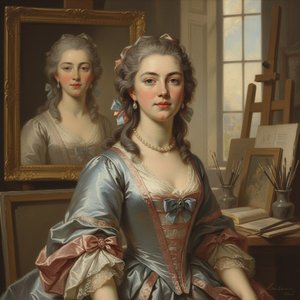
Jean-Étienne Liotard: Rococo Portraiture & the Pursuit of Naturalism
Explore the exquisite Rococo portraits of Jean-Étienne Liotard, a master of pastel and enamel. Discover his innovative techniques, captivating Turkish scenes, and lasting influence on art history. Learn more at OriginalUniqueArt.

Jean-Marc Nattier: Rococo Portraiture & Aristocratic Patronage
Explore the exquisite Rococo portraits of Jean-Marc Nattier, favored by French aristocracy. Discover his artistic techniques, patronage network, and lasting legacy – a guide for discerning collectors.

Beyond Decor: How Custom Historical Portraits Redefine Modern Self-Expression
Discover how custom historical portraits transcend decor to become profound expressions of identity. Explore the artistry of bespoke oil reproductions, from Renaissance mastery to modern reimagining, and learn to transform personal legacies into museum-quality fine art masterpieces.

25 Iconic Masterpieces by Henri de Toulouse-Lautrec: Capturing the Spirit of Montmartre
Step into the vibrant nightlife of Montmartre with our curated guide to the top 25 Henri de Toulouse-Lautrec masterpieces. Explore the soul of Post-Impressionism through iconic prints and museum-quality reproductions. Discover all masterpieces on OriginalUniqueArt.com.
