

 Podgląd w skali 1:1
 Wyślij jako kartkę
 Udostępnij
 Szczegóły dzieła
 Przewodnik

 Pobierz obraz
 Podobne obiekty
 RTG
RTG Pokaz slajdów
 Statystyki
Ten thousand martyrs
 Oil On Canvas
- WallArt
- Mannerist Expression
 1529
1529 65.0 x 73.0 cm
 Galleria degli Uffizi
 Rozwiń treść
Giclée / Wydruk artystyczny
Wydruki giclée lub płótna o jakości muzealnej, szybka realizacja i szeroki wybór opcji wykończenia. ( Zamów ręcznie malowaną reprodukcję Przejdź do wersji cyfrowej)




P118B zł10

P118H zł10

P118W zł10

P438Z zł10

P508JH zł12

P508YH zł12

P805H zł10

P805Z zł10

P919BZ zł10

P919G zł10

P919XJ zł10

P959ZH zł10

P968JZ zł12

W106C zł8

W218G zł10

W218JH zł8

W218Y zł10

W307PJ zł10

W316G zł10

W316PJ zł8

W316Y zł10

W398PJ zł8

W4111J zł10

W500HY zł15

W500JH zł15

W692G zł12

W849H zł8

W940BG zł15

W953PJ zł8




Wybierz spośród naszych standardowych rozmiarów, które zachowują oryginalne proporcje dzieła sztuki.

Wpisz wymaganą szerokość i wysokość, aby dopasować grafikę do ramy lub ściany. Wydruk można jedynie przyciąć, nigdy nie powiększając go poza oryginalny obraz, dlatego format o innych proporcjach spowoduje utratę części kompozycji. Przed rozpoczęciem druku prześlemy Ci cyfrowy podgląd do zatwierdzenia. Obraz wyświetlany na tej stronie nie pokazuje rzeczywistego przycięcia — jedynie podgląd oddaje ten efekt.
Dostawa na cały świat () w ciągu 2 tygodni zamiast standardowych 4/5 tygodni. (26 Październik)

Bezpłatna ekspresowa wysyłka na cały świat

Wysokiej jakości płótno lniane

Pełne ubezpieczenie przesyłki

Gwarancja zwrotu należności celnych i podatków importowych

Gwarancja wiernego odwzorowania kolorów

100-dniowa polityka zwrotów (tylko w przypadku wad)

Gwarancja 100% zwrotu pieniędzy

Zniżka przy zakupie wielu sztuk
 Opcja ze szkłem jest dostępna wyłącznie w rozmiarach poniżej 110 cm

Ten thousand martyrs
Giclée / Wydruk artystyczny
Wymiary reprodukcji
-


Cena całkowita
zł 307
The Harrowing Vision: Jacopo Pontormo’s “Ten Thousand Martyrs”
Jacopo Pontormo's "Ten Thousand Martyrs," painted in 1529, is not merely a depiction of historical suffering; it’s a visceral plunge into the heart of religious trauma and defiant resistance. This monumental fresco, now rendered in exquisite detail as a hand-painted reproduction by OriginalUniqueArt.com, captures a pivotal moment from early Christian history – the brutal execution of ten thousand soldiers who had converted to Christianity during the reign of Emperor Decius. Far removed from the idealized serenity often associated with Renaissance art, Pontormo’s masterpiece confronts us with an unsettling realism and a profound sense of human drama.
The scene unfolds outdoors, against a backdrop of a brooding sky and a distant, almost mournful hill. At the center stands a single figure – a martyr, identifiable by his flag held aloft in a gesture of unwavering defiance. This isn’t a heroic portrait; he is stripped bare, exposed to the elements and the impending violence. Around him, a vast crowd watches with varying expressions: some filled with horrified pity, others with detached curiosity, and a few with a chilling anticipation of the bloodshed to come. The inclusion of horses amongst the onlookers adds an element of primal chaos, reflecting the brutal nature of the event.
A Bridge Between Styles: Pontormo’s Mannerist Innovation
Born in Pontorme, Tuscany, around 1494, Jacopo Pontormo was a pivotal figure bridging the High Renaissance and the burgeoning Baroque era. Trained under the tutelage of masters like Domenico del Pollaiuolo and Michelangelo Buonarroti – artists known for their anatomical precision and sculptural forms – Pontormo deliberately pushed beyond these established conventions. He embraced emotional intensity and psychological complexity, prioritizing expressive distortion and unsettling perspectives over classical harmony and balance. This is most evident in “Ten Thousand Martyrs,” where figures are elongated, faces contorted with anguish, and spatial relationships deliberately skewed to heighten the dramatic effect.
Pontormo’s use of color is equally striking. He employs a palette dominated by somber browns, deep reds, and muted blues – colors that evoke both the darkness of death and the resilience of faith. The vibrant flag held by the martyr provides a crucial focal point, a symbol of hope and resistance against the overwhelming force of imperial power. The painting’s dynamism is further enhanced through his masterful manipulation of light and shadow, creating an atmosphere of palpable tension and impending doom.
Symbolism and Historical Context
The story depicted in “Ten Thousand Martyrs” draws upon a medieval legend – the tale of Roman soldiers who, after embracing Christianity, were crucified on Mount Ararat. While the historical accuracy of this event is debated, it served as a potent symbol of unwavering faith in the face of persecution. Pontormo’s painting powerfully conveys the emotional weight of this narrative, transforming a potentially dry historical account into a deeply moving meditation on sacrifice and endurance.
The flag itself holds significant symbolic weight. It represents not just individual defiance but also the collective spirit of resistance against tyranny. It's a visual declaration that even in the face of certain death, faith and conviction remain unyielding. The scene resonates with broader themes of religious persecution throughout history, offering a timeless reminder of the human cost of intolerance.
A Reproduction for the Soul
OriginalUniqueArt.com’s hand-painted reproduction captures the essence of Pontormo's original masterpiece with breathtaking fidelity. Every detail – from the tormented expressions on the faces to the dramatic lighting and unsettling spatial arrangements – is meticulously recreated, allowing you to experience the painting’s emotional power firsthand. This isn’t simply a print; it’s an immersive encounter with one of the most compelling works of the Italian Renaissance. Whether displayed in a grand salon or a smaller study, this reproduction will undoubtedly serve as a poignant reminder of human resilience and the enduring power of faith.
Explore the full detail and artistry of “Ten Thousand Martyrs” at https://en.OriginalUniqueArt.com/en/art/jacopo-carucci-ten-thousand-martyrs-dewjfc-en/ and bring this extraordinary work of art into your home.
Pytania i odpowiedzi
W którym roku powstało dzieło "Ten thousand martyrs"?
„Ten thousand martyrs” – Jacopo Pontormo powstało w 1529.
Czy dzieło "Ten thousand martyrs" posiada podgląd w rozszerzonej rzeczywistości?
Dzieło „Ten thousand martyrs” – Jacopo Pontormo możesz zobaczyć na własnej ścianie dzięki stronie Podgląd w AR, wykorzystując rozszerzoną rzeczywistość na kompatybilnym urządzeniu.
Czy "Ten thousand martyrs" to jedno z najpopularniejszych dzieł Jacopo Pontormo?
Poziom popularności dla „Ten thousand martyrs” – Jacopo Pontormo wynosi Iconic.
Biografia artysty
Jacopo Pontormo (1494 – 1557/7): Bridging Renaissance and Baroque Expression
Jacopo Pontormo, urodzony Jacopo Carucci w Pontorme we Włoszech około 1494 roku, stanowi wyjątkową postać w florentyńskiej szkole Mannerystyku – malarza, który zrywał z konwencjami i wytyczał własną drogę ku innowacyjnej sztuce. W odróżnieniu od wielu jego współczesnych, którzy dążyli do idealnej piękności opartej na klasycznych ideałach, Pontormo przyjął intensywność emocjonalną i złożoność psychologiczną, stając się kluczowym łącznikiem między spokojnym rozkwitem Renesansu a dramatyczną dynamiką epoki baroku. Jego życie było naznaczone zarówno prodigious talentem, jak i osobliwą tragedią, kształtując jego twórczość w świadectwo artystycznej wizji osłabione głębokim smutkiem. Wczesne Lata Szkoleniowe i Wpływy: Początkowy okres życia Pontormo spędził pod opieką Domenico del Pollaiuolo i Michała Anioła – artystów, których biegłość w realizmie anatomicznym i formie rzeźbiarskiej głęboko wpłynęła na jego stylistykę. Chociaż uznawał dziedzictwo Renesansu, Pontormo szybko odsuwał się od jego sztywnej formalności, kierując się ku bardziej ekspresyjnemu podejściu inspirowanemu tradycjami sztuki północnoeuropejskiej. Szczególnie studiował grafiki Alberta Dürera, absorbując techniki przekazywania emocji poprzez stylizowany obraz i innowacyjne rozwiązania kompozycyjne. Ta ekspozycja na Mannerizm północny wpłynęła znacząco na jego charakterystyczną wizualną stylistykę.The Mannerist Style: A Revolution of Form and Emotion
Przełom artystyczny Pontormo nastąpił około 1515 roku z zamówieniem na altarpiece “Visitation” dla Santissima Annunziata w Arezzo – obrazu, który natychmiast ugruntował jego pozycję jako ambasadora estetyki Mannerystyku. Charakteryzujący się wydłużonymi figurami, spłaszczonymi perspektywami i wirującymi draperiami nasyconymi żywymi kolorami, styl Pontormo odrzucał renesansową obsesję na punkcie dokładności anatomicznej i harmonijnych proporcji. Zamiast tego skupił się na przekazywaniu stanów emocjonalnych – rozpaczy, żalu, ekstazy – poprzez zniekształcone formy i dwuznaczne relacje przestrzenne. Ta celowa odtrącenie ugruntowanych konwencji artystycznych sygnalizowała radykalną przemyślenie reprezentacji, zapowiadając dramatyczne innowacje, które miały definiować epokę baroku. Jego obrazy charakteryzowały się dynamicznymi kompozycjami, często zniekształconymi proporcjami i nienaturalnymi postawami, co odróżniało je od klasycznych idealizacji.Notable Works and Legacy: A Painter of Psychological Depth
W dorobku Pontormo znajdowały się różnorodne tematy – sceny religijne, portrety i kompozycje mitylogiczne – każde nasycone jego charakterystyczną estetyką Mannerystyku. Do najbardziej znanych obrazów należą “Joseph’s Coat Sold to the Egyptians”, “The Deposition” i “Saint Francis Receiving Stigmata” – dzieł, które doskonale ilustrują jego mistrzowskie operowanie kolorem, światłem i fakturą w celu wywołania głębokiego oddźwięku emocjonalnego. Jego portrety, szczególnie te przedstawiające członków florentyńskiej rodziny Medyceuszy, ujawniają spostrzeżenie psychologiczne i subtelną zaangażowanie w konwencje stylistyczne Mannerystyku. Pontormo nie tylko poprzez swoje indywidualne arcydzieła, ale także poprzez swoją rolę katalizatora eksperymentów artystycznych i heralda zmian stylistycznych – świadectwo trwałego wkładu w historię europejskiego sztuki.Influence and Artistic Connections
Pontormo był postacią niezwykle oryginalną dla historii włoskiej sztuki renesansowej. Uznawany przede wszystkim za malarza religijnego, otrzymał szerokie pochwały również za wiele spostrzegawczych portretów. Towarzyszył mu w pracy wybitni mistrzowie renesansu, w tym jego przyjaciel Michał Anioł, a Pontormo (w odróżnieniu od swoich cenionych towarzyszy) szukał inspiracji w sztuce północnej Europy, gdzie znalazł wzory w grafice i drzeworytach niemieckich i holenderskich artystów. Charakterystyczne cechy jego dojrzałego stylu Mannerystyku były widoczne w duchowej, a nie fizycznej obecności jego postaci; w żywych kolorach; płynnych konturowych liniach; i w jego dwuznacznym podejściu do przestrzeni obrazowej. W ostatnim dziesięcioleciu życia Pontormo coraz bardziej izolował się i cierpiał, co doprowadziło go do odrzucenia towarzystwa nawet Bronzina, który był jak adoptowany syn dla niego.Further Resources
Pontormo’s oeuvre continues to fascinate scholars and connoisseurs alike, prompting ongoing debates about the nature of Mannerist aesthetics and its relationship to broader cultural trends. Museums worldwide showcase reproductions of his paintings – including those housed in the Uffizi Gallery in Florence – allowing visitors to experience firsthand the transformative power of his artistic vision. For a deeper understanding of Pontormo’s life and work, consult resources such as OriginalUniqueArt.com/jacopo carucci and Wikipedia: Jacopo.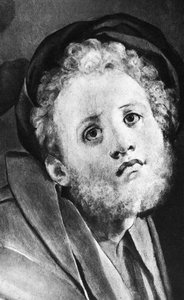
Jacopo Pontormo
1494 - 1557 , Włochy
Krótka nota
- Artistic Movement Or Style: Mannerismo
- Artists Or Movements Influenced By This Artist:
- Michelangelo
- Barocco
- Artists Who Influenced This Artist:
- Leonardo da Vinci
- Andrea del Sarto
- Date Of Birth: 1494
- Date Of Death: 1557/7
- Full Name: Jacopo Pontormo
- Nationality: Włoski
- Notable Artworks:
- Visitation
- Depozycja
- Halberdier
- Place Of Birth: Pontorme, Italia
Powiązane artykuły

Drama & Distortion: The High-Voltage Energy of Baroque Mannerism
Dive into the high-voltage world of Baroque Mannerism. Explore how artists traded Renaissance harmony for dramatic distortion, intense light, and pure visual energy. Discover the masters of tension and learn to bring this bold, cinematic aesthetic into your modern space.

Manieryzm: Pomost Między Renesansową Harmonią a Dramatem Baroku – Studium Stylu i Afektacji
Poznaj manieryzm – fascynujący styl artystyczny przejściowy między renesansem a barokiem. Analiza cech, kluczowi artyści i wpływ na sztukę europejską. Ekspercka wiedza o Parmigianino, Bronzino i El Greco.
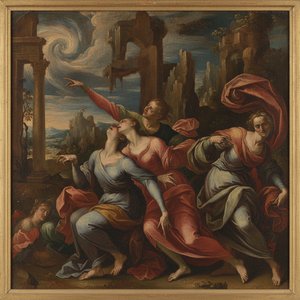
Drama & Distortion: A Journey Through the Captivating World of Baroque Mannerism
Explore the dramatic tension of Mannerism and the opulent grandeur of Baroque art. Discover how masters used light, shadow, and distortion to redefine European history through a captivating journey of emotional intensity and spiritual fervor.

Barokowy Dramat we Wnętrzach: Sztuka Przepychu i Elegancji w Twoim Domu
Odkryj świat barokowego przepychu! Porady ekspertów jak wprowadzić elegancję i dramat do Twojego wnętrza. Inspiracje, charakterystyka stylu i praktyczne wskazówki.

Drama and Distortion: A Definitive Guide to the Mastery of Mannerism and Baroque Art
Explore the dramatic evolution from Mannerist distortion to Baroque grandeur. Discover how light, shadow, and emotion redefined art history through a masterclass in technical mastery and religious fervor.


