

 Podgląd w skali 1:1
 Wyślij jako kartkę
 Udostępnij
 Szczegóły dzieła
 Przewodnik

 Pobierz obraz
 Podobne obiekty
 RTG
RTG Pokaz slajdów
 Statystyki
Bean Vine
 Japanese Traditional
 701
701 126.0cm x 48.0cm
 Rozwiń treść
Ręcznie malowana reprodukcja olejowa
Ręcznie malowany obraz olejny na płótnie, wykonany na zamówienie przez naszych artystów w wybranym przez Ciebie wymiarze i oprawie. ( Przełącz na wydania drukowane Przejdź do wersji cyfrowej)




































Wybierz spośród naszych standardowych rozmiarów, które zachowują oryginalne proporcje dzieła sztuki.

Wpisz wymaganą szerokość i wysokość, aby obraz pasował do Twojej ramy lub ściany. Ponieważ jest to dzieło malowane ręcznie, w przypadku rozmiaru o innych proporcjach artysta może domalować nieco więcej wokół obrazu lub przyciąć jego fragmenty — wybór należy do Ciebie. Przed rozpoczęciem pracy prześlemy Ci cyfrową wizualizację do zatwierdzenia. Obraz widoczny na tej stronie nie przedstawia rzeczywistego efektu — jedynie wizualizacja oddaje realny rezultat.
Po złożeniu zamówienia zespół OriginalUniqueArt.com skontaktuje się z klientem drogą mailową w celu uzyskania instrukcji i prześle wizualizację projektu
Dostawa na całym świecie () w ciągu 3–4 tygodni zamiast standardowych 5 tygodni. (25 Październik). Bez kompromisów w kwestii jakości.

Bezpłatna ekspresowa wysyłka na cały świat

Wysokiej jakości płótno lniane

Pełne ubezpieczenie przesyłki

Gwarancja zwrotu należności celnych i podatków importowych

Gwarancja wiernego odwzorowania kolorów

100-dniowa polityka zwrotów (tylko w przypadku wad)

Gwarancja 100% zwrotu pieniędzy

Zniżka przy zakupie wielu sztuk
 Opcja ze szkłem jest dostępna wyłącznie w rozmiarach poniżej 110 cm

Bean Vine
Technika reprodukcji
Wymiary reprodukcji
-


Cena całkowita
zł 1151
Pytania i odpowiedzi
Gdzie mogę znaleźć statystyki dotyczące „Bean Vine” – Ito Jakuchu?
Dla dzieła „Bean Vine” dostępna jest strona Statystyki wyświetleń. Przedstawia ona miesięczną liczbę odwiedzin tego dzieła oraz innych prac artysty, z podziałem na kraje i języki.
Jaki układ ma „Bean Vine” – Ito Jakuchu?
„Bean Vine” – Ito Jakuchu to kompozycja w formacie Portrait. Warto sprawdzić proporcje przed wyborem rozmiaru wydruku.
Jaki poziom luminancji ma „Bean Vine” – Ito Jakuchu?
Jasność zarejestrowana dla „Bean Vine” – Ito Jakuchu wynosi Bright Balance.
Biografia artysty
Ito Jakuchu: A Kyoto Merchant’s Vision of Nature
Ito Jakuchu (1716 – 1800) stands as a singular figure in Edo period Japanese art, an artist whose unconventional approach and profound connection to Zen Buddhism challenged prevailing artistic conventions. Unlike many of his contemporaries who adhered to established lineages within the Kano school—a dominant force in Kyoto’s artistic landscape—Jakuchu forged his own path, driven by personal conviction and a meticulous observation of the natural world. His legacy resides not merely in his technical prowess but also in his daring spirit, marking him as one of Japan's most original voices during a pivotal era of cultural transformation.- Early Life & Family Background: Born into a prosperous Kyoto merchant family—specifically Masuya—Jakuchu’s upbringing instilled in him an awareness of societal shifts and the burgeoning influence of commerce. His father, Ito Genzaemon, was a successful grocer, providing young Jakuchu with considerable financial stability.
- Zen Influence & Education: Recognizing the importance of spiritual grounding, Jakuchu became a lay brother at Shokoku-ji temple, immersing himself in Zen Buddhist principles. This formative experience profoundly shaped his artistic sensibility, fostering detachment from worldly concerns and prioritizing direct perception.
Breaking with Tradition: Style & Subject Matter
Jakuchu’s distinctive style defied easy categorization, blending meticulous realism with playful experimentation—a hallmark of what Nobuo Tsuji termed “Lineage of Eccentrics.” He eschewed the idealized depictions favored by many Kano artists, opting instead for vibrant colors and dynamic compositions that captured the essence of life itself. His fascination with birds—particularly chickens—became a recurring motif in his oeuvre, elevating them from humble farm animals to subjects worthy of contemplative artistic exploration.- Realistic Detail & Color Palette: Jakuchu’s paintings are characterized by an extraordinary attention to detail and a bold use of color. He achieved remarkable effects through layering pigments—a technique known as *doshoku sai-e*—creating luminous surfaces that seemed to pulsate with vitality.
- Zen Symbolism & Perspective: Beyond mere imitation of nature, Jakuchu employed perspective in ways that subtly conveyed Zen Buddhist ideas about emptiness and interconnectedness. His compositions often presented subjects from unconventional viewpoints, inviting viewers to contemplate their significance.
Notable Works & Artistic Achievements
Among Jakuchu’s most celebrated masterpieces are “Five Hundred Arhats,” a monumental depiction of Buddhist monks embodying compassion and enlightenment; “Hanshan and Shide,” capturing the serene beauty of Mount Hanshin—a pilgrimage site revered for its spiritual significance; and “Crabs and Peonies”—a harmonious blend of botanical observation and artistic innovation. His meticulous rendering of chickens, exemplified in “Rooster In The Snow,” remains a testament to his unparalleled skill and dedication.- “Five Hundred Arhats”: This ambitious project showcased Jakuchu’s mastery of polychrome painting and demonstrated his ability to convey complex spiritual concepts through visual imagery.
- "Hanshan and Shide": The painting exemplifies Jakuchu's sensitivity to landscape aesthetics and his capacity for capturing the sublime beauty of nature.
Rediscovery & Legacy
Despite remaining largely unknown during his lifetime, Ito Jakuchu experienced a dramatic resurgence in popularity following Nobuo Tsuji’s groundbreaking book *Kisō no Keifu* (Lineage of Eccentrics) in 1970. Tsuji championed Jakuchu as a pivotal figure within the “Lineage of Eccentrics,” initiating a scholarly reassessment that revolutionized perceptions of Edo period art.- Tsuji’s Influence & Modern Recognition: Tsuji's scholarship established Jakuchu as one of Japan’s most important artists, sparking renewed interest in his work and cementing his place within the canon of Japanese art history.

Ito Jakuchu
1716 - 1800 , Ιαπωνία
Krótka nota
- Artistic Movement Or Style: Styl realizmu z wpływami zen
- Artists Or Movements Influenced By This Artist: ['Styl Eccentryk']
- Artists Who Influenced This Artist: ['Ōoka Shunboku']
- Date Of Birth: 2 marca 1716
- Date Of Death: 27 października 1800
- Full Name: Ito Jakuchū
- Nationality: Japoński
- Notable Artworks:
- Pięćset arhatów
- Hanshan i Shide
- Krewetki i piwonie
- Place Of Birth: Kiotō, Japonia
Powiązane artykuły

Efemerowe Wyrażenia: Niuanse Malarstwa Tuszem w Historii i Sztuce Współczesnej
Poznaj fascynujący świat malarstwa tuszem! Odkryj historię, techniki i filozofię tej wyjątkowej sztuki azjatyckiej. Przewodnik po mistrzach pędzla i inspiracje dla współczesnych artystów.

Katsushika Hokusai: 25 Arcydzieł Sztuki Japońskiej dla Kolekcjonerów i Miłośników Dekoracji
Odkryj 25 arcydzieł Katsushika Hokusai, mistrza ukiyo-e! Poznaj historię Wielkiej Fali i innych ikonicznych drzeworytów. Inspiracje wnętrzarskie i reprodukcje obrazów najwyższej jakości na OriginalUniqueArt.com – sztuka japońska dla Twojego domu.
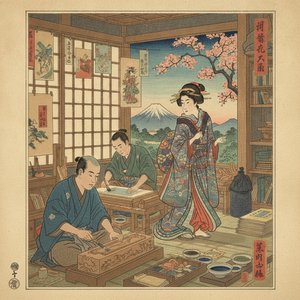
Floating World: The Captivating Art and Legacy of Japanese Ukiyo-e
Explore the profound beauty of Japanese Ukiyo-e. Discover the history, masters like Hokusai, and the enduring legacy of the 'Floating World' through an expert art-historical lens.
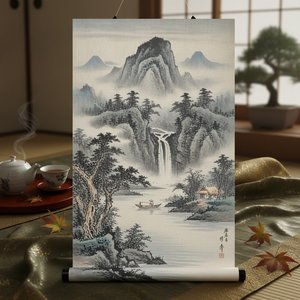
Serenity on Canvas: A Guide to the Timeless Beauty of Japanese Landscape Painting
Discover the serene beauty of Japanese landscape painting. From Hokusai's iconic woodblock prints to meditative sumi-e ink washes, explore a visual journey through the 'floating world' and learn how to bring this timeless Zen aesthetic into your modern home decor.
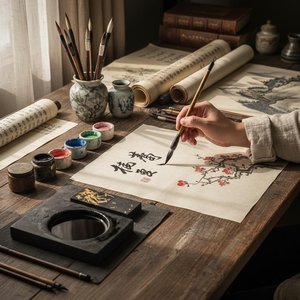
The Alchemy of Ink: Mastering the Timeless Beauty and Art History of Paper and Brush
Embark on a sophisticated exploration of ink wash painting and Sumi-e. Uncover the profound historical lineages, Zen philosophies, and technical mastery behind this timeless medium in our authoritative guide for fine art enthusiasts.
