Ito Jakuchu (1716 – 1800) stands as a singular figure in Edo period Japanese art, an artist whose unconventional approach and profound connection to Zen Buddhism challenged prevailing artistic conventions. Unlike many of his contemporaries who adhered to established lineages within the Kano school—a dominant force in Kyoto’s artistic landscape—Jakuchu forged his own path, driven by personal conviction and a meticulous observation of the natural world. His legacy resides not merely in his technical prowess but also in his daring spirit, marking him as one of Japan's most original voices during a pivotal era of cultural transformation.
Early Life & Family Background: Born into a prosperous Kyoto merchant family—specifically Masuya—Jakuchu’s upbringing instilled in him an awareness of societal shifts and the burgeoning influence of commerce. His father, Ito Genzaemon, was a successful grocer, providing young Jakuchu with considerable financial stability.
Zen Influence & Education: Recognizing the importance of spiritual grounding, Jakuchu became a lay brother at Shokoku-ji temple, immersing himself in Zen Buddhist principles. This formative experience profoundly shaped his artistic sensibility, fostering detachment from worldly concerns and prioritizing direct perception.
Breaking with Tradition: Style & Subject Matter
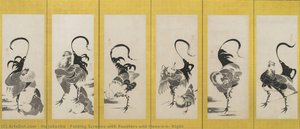
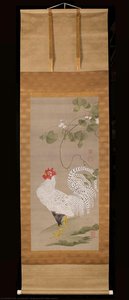
Jakuchu’s distinctive style defied easy categorization, blending meticulous realism with playful experimentation—a hallmark of what Nobuo Tsuji termed “Lineage of Eccentrics.” He eschewed the idealized depictions favored by many Kano artists, opting instead for vibrant colors and dynamic compositions that captured the essence of life itself. His fascination with birds—particularly chickens—became a recurring motif in his oeuvre, elevating them from humble farm animals to subjects worthy of contemplative artistic exploration.
Realistic Detail & Color Palette: Jakuchu’s paintings are characterized by an extraordinary attention to detail and a bold use of color. He achieved remarkable effects through layering pigments—a technique known as *doshoku sai-e*—creating luminous surfaces that seemed to pulsate with vitality.
Zen Symbolism & Perspective: Beyond mere imitation of nature, Jakuchu employed perspective in ways that subtly conveyed Zen Buddhist ideas about emptiness and interconnectedness. His compositions often presented subjects from unconventional viewpoints, inviting viewers to contemplate their significance.
Notable Works & Artistic Achievements
Among Jakuchu’s most celebrated masterpieces are “Five Hundred Arhats,” a monumental depiction of Buddhist monks embodying compassion and enlightenment; “Hanshan and Shide,” capturing the serene beauty of Mount Hanshin—a pilgrimage site revered for its spiritual significance; and “Crabs and Peonies”—a harmonious blend of botanical observation and artistic innovation. His meticulous rendering of chickens, exemplified in “Rooster In The Snow,” remains a testament to his unparalleled skill and dedication.
“Five Hundred Arhats”: This ambitious project showcased Jakuchu’s mastery of polychrome painting and demonstrated his ability to convey complex spiritual concepts through visual imagery.
"Hanshan and Shide": The painting exemplifies Jakuchu's sensitivity to landscape aesthetics and his capacity for capturing the sublime beauty of nature.
Rediscovery & Legacy
Despite remaining largely unknown during his lifetime, Ito Jakuchu experienced a dramatic resurgence in popularity following Nobuo Tsuji’s groundbreaking book *Kisō no Keifu* (Lineage of Eccentrics) in 1970. Tsuji championed Jakuchu as a pivotal figure within the “Lineage of Eccentrics,” initiating a scholarly reassessment that revolutionized perceptions of Edo period art.
Tsuji’s Influence & Modern Recognition: Tsuji's scholarship established Jakuchu as one of Japan’s most important artists, sparking renewed interest in his work and cementing his place within the canon of Japanese art history.
Jakuchu’s unwavering commitment to artistic originality—his willingness to challenge conventions and explore new creative possibilities—continues to inspire artists today. His enduring legacy resides not only in his technical brilliance but also in his profound engagement with Zen Buddhism, securing him a place as a visionary artist who captured the spirit of his time with unparalleled grace.
Zespół Redakcyjny OriginalUniqueArt.com
Quiz
Do każdego pytania dotyczy tylko jedna poprawna odpowiedź.
Pytanie 1:
Jakuchu Ito urodził się w roku...
Pytanie 2:
Ito Jakuchu był synem handlarza...
Pytanie 3:
Jakuchu studiował sztukę przede wszystkim w szkole...
Odkryj 25 arcydzieł Katsushika Hokusai, mistrza ukiyo-e! Poznaj historię Wielkiej Fali i innych ikonicznych drzeworytów. Inspiracje wnętrzarskie i reprodukcje obrazów najwyższej jakości na OriginalUniqueArt.com – sztuka japońska dla Twojego domu.
Discover the revolutionary world of Suzuki Harunobu, a pioneer of ukiyo-e printmaking. Explore his exquisite nishiki-e techniques, diverse subjects & lasting impact on Japanese art history. Learn more at OriginalUniqueArt.
Explore the captivating world of Utagawa Kuniyoshi, a master of Japanese ukiyo-e woodblock prints. Discover his innovative warrior scenes, vibrant landscapes & lasting legacy in 19th-century art history.