
 Podgląd w skali
 Wyślij jako kartkę
 Udostępnij
 Szczegóły dzieła

 Pobierz
 Podobne obiekty
 RTG
RTG Pokaz slajdów
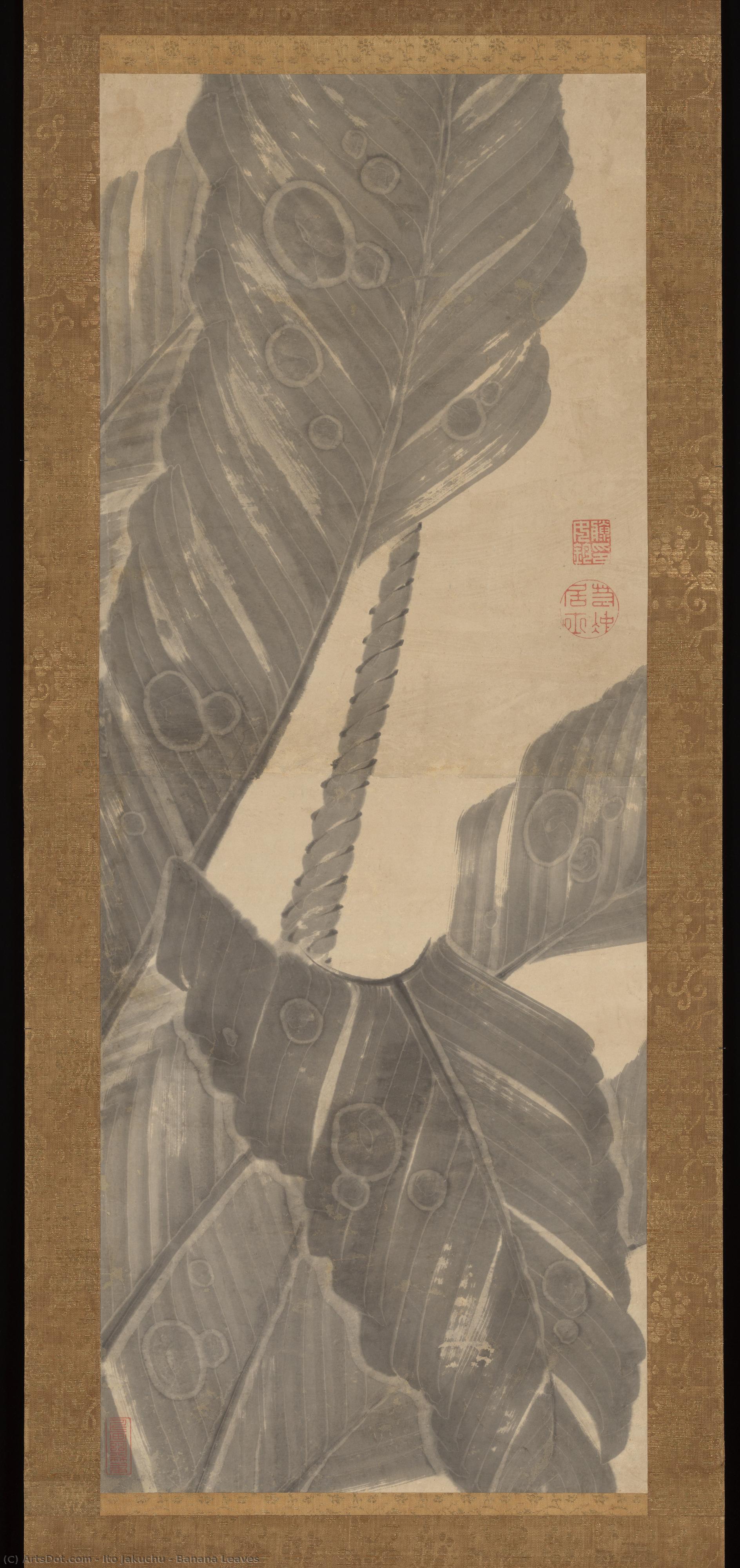
Banana Leaves
 Ink On Paper
- Edo period
 1790
1790- Early Modern
 111.0 x 43.0 cm
 Rozwiń treść
Giclée / Wydruk artystyczny
Druk giclée lub płótno o jakości muzealnej, szybka realizacja i szeroki wybór opcji wykończenia. ( Zamów ręcznie malowaną reprodukcję Kup obraz wysokiej rozdzielczości)




P118B $10

P118H $10

P118W $10

P438Z $10

P508JH $12

P508YH $12

P805H $10

P805Z $10

P919BZ $10

P919G $10

P919XJ $10

P959ZH $10

P968JZ $12

W106C $8

W218G $10

W218JH $8

W218Y $10

W307PJ $10

W316G $10

W316PJ $8

W316Y $10

W398PJ $8

W4111J $10

W500HY $15

W500JH $15

W692G $12

W849H $8

W940BG $15

W953PJ $8




Wybierz spośród naszych standardowych rozmiarów, które zachowują oryginalne proporcje dzieła sztuki.

Możesz wprowadzić własne wymiary, aby dopasować dzieło do konkretnej ramy lub przestrzeni. Jeśli wybrany rozmiar nie będzie odpowiadał proporcjom oryginalnego obrazu, przytniecie dzieło lub rozszerzymy obraz za pomocą odbicia lustrzanego lub jednolitego wypełnienia krawędzi. Przed rozpoczęciem produkcji prześlemy cyfrową wizualizację do Twojej akceptacji.
Prosimy pamiętać, że podgląd na ekranie nie odzwierciedla faktycznego przycinania ani rozszerzania. Tylko wizualizacja dokładnie pokaże końcową kompozycję.
Mimo dostępności niestandardowych rozmiarów, zalecamy wybór wymiaru z listy zdefiniowanej, aby zachować oryginalne proporcje.
Dostawa na cały świat () w ciągu 2 tygodni zamiast standardowych 4/5 tygodni. (20 Sierpień)

Bezpłatna ekspresowa wysyłka na cały świat

Wysokiej jakości płótno lniane

Pełne ubezpieczenie przesyłki

Gwarancja zwrotu należności celnych i podatków importowych

Gwarancja wiernego odwzorowania kolorów

Polityka 60-dniowego zwrotu (tylko w przypadku wad)

Gwarancja 100% zwrotu kosztów

Zniżka przy zamówieniu wielu produktów
 Opcja ze szkłem jest dostępna wyłącznie w rozmiarach poniżej 110 cm

Banana Leaves
Giclée / Wydruk artystyczny
Wymiary reprodukcji
-


Cena całkowita
$ 80
Opis kolekcjonerski
The Ethereal Dance of Ink and Light
In the quiet mastery of Itō Jakuchū, the boundaries between the natural world and the spiritual realm dissolve into a breathtaking display of botanical precision. His work, Banana Leaves, serves as a profound testament to the artist's ability to transform simple organic forms into a complex, rhythmic composition. The painting captures the lush, overlapping silhouettes of banana leaves with a graphic boldness that feels remarkably modern, yet it is deeply rooted in the traditions of the Edo period. As the eye wanders across the pale gray ink and the delicate interplay of light, one is struck by a sense of serene movement, as if a gentle Kyoto breeze has just swept through the foliage, momentarily freezing a moment of botanical grace.
The technical brilliance of this piece lies in the sujime-gaki technique, or "white-line drawing," a method that requires extraordinary discipline and foresight. To achieve such an effect, Jakuchū applied moist brushstrokes to the absorbent gasenshi paper with surgical precision, leaving narrow, unpainted gaps between the ink washes. These microscopic slivers of untouched paper create the illusion of luminous white veins and edges, giving the leaves a structural vitality that seems to glow from within. This meticulous approach allows the artist to render the heavy, succulent texture of the leaves while maintaining an airy, weightless quality that prevents the composition from feeling dense or stagnant.
A Legacy of Eccentricity and Devotion
To understand the soul of this artwork, one must look toward the life of the man behind the brush. Itō Jakuchū was celebrated as one of the Three Eccentrics of the Edo period, a title that reflects his departure from the rigid, academic styles of his era in favor of a more visceral, imaginative realism. Born into a prosperous merchant family in Kyoto, Jakuch_hū’s perspective was uniquely shaped by the vibrant commercial energy of the Nishiki market and his deep-seated Zen Buddhist convictions. This duality—the observant eye of a man familiar with the tangible world and the contemplative spirit of a devotee—is what gives Banana Leaves its profound emotional resonance.
The presence of Jakuchū’s personal seals on the work offers a glimpse into his spiritual identity. The round seal, reading “Lay Buddhist devotee Jakuchū,” serves as a humble reminder of the artist's devotion, suggesting that every stroke was an act of mindfulness. Furthermore, the poignant inscription Senga zeppitsu—meaning “a thousand paintings, each one [created as if it were] my last one”—imbues the work with a sense of urgent beauty. For the collector or interior designer, this piece is more than a mere botanical study; it is an invitation to contemplate the fleeting nature of life and the enduring power of focused intention.
An Inspiration for the Modern Interior
For those seeking to curate a space of sophistication and tranquility, Banana Leaves offers unparalleled versatility. The muted palette of grays and soft whites allows it to integrate seamlessly into contemporary minimalist settings, while its bold, graphic structure provides a striking focal point in more traditional or maximalist environments. The artwork possesses a rare ability to command attention through subtlety rather than noise, making it an ideal choice for high-end residential galleries, serene study areas, or luxury hospitality design.
Owning a high-quality reproduction of this masterpiece allows the timeless elegance of Jakuchū’s vision to inhabit your personal space. It brings with it the historical weight of 18th-century Japan and the quiet, rhythmic energy of the natural world. Whether placed in a sunlit lounge or a contemplative corner, the painting acts as a window into a lost era of artistic experimentation, offering a continuous source of inspiration and a profound sense of peace to all who behold it.
O artyście
Ito Jakuchu: A Kyoto Merchant’s Vision of Nature
Ito Jakuchu (1716 – 1800) stands as a singular figure in Edo period Japanese art, an artist whose unconventional approach and profound connection to Zen Buddhism challenged prevailing artistic conventions. Unlike many of his contemporaries who adhered to established lineages within the Kano school—a dominant force in Kyoto’s artistic landscape—Jakuchu forged his own path, driven by personal conviction and a meticulous observation of the natural world. His legacy resides not merely in his technical prowess but also in his daring spirit, marking him as one of Japan's most original voices during a pivotal era of cultural transformation.- Early Life & Family Background: Born into a prosperous Kyoto merchant family—specifically Masuya—Jakuchu’s upbringing instilled in him an awareness of societal shifts and the burgeoning influence of commerce. His father, Ito Genzaemon, was a successful grocer, providing young Jakuchu with considerable financial stability.
- Zen Influence & Education: Recognizing the importance of spiritual grounding, Jakuchu became a lay brother at Shokoku-ji temple, immersing himself in Zen Buddhist principles. This formative experience profoundly shaped his artistic sensibility, fostering detachment from worldly concerns and prioritizing direct perception.
Breaking with Tradition: Style & Subject Matter
Jakuchu’s distinctive style defied easy categorization, blending meticulous realism with playful experimentation—a hallmark of what Nobuo Tsuji termed “Lineage of Eccentrics.” He eschewed the idealized depictions favored by many Kano artists, opting instead for vibrant colors and dynamic compositions that captured the essence of life itself. His fascination with birds—particularly chickens—became a recurring motif in his oeuvre, elevating them from humble farm animals to subjects worthy of contemplative artistic exploration.- Realistic Detail & Color Palette: Jakuchu’s paintings are characterized by an extraordinary attention to detail and a bold use of color. He achieved remarkable effects through layering pigments—a technique known as *doshoku sai-e*—creating luminous surfaces that seemed to pulsate with vitality.
- Zen Symbolism & Perspective: Beyond mere imitation of nature, Jakuchu employed perspective in ways that subtly conveyed Zen Buddhist ideas about emptiness and interconnectedness. His compositions often presented subjects from unconventional viewpoints, inviting viewers to contemplate their significance.
Notable Works & Artistic Achievements
Among Jakuchu’s most celebrated masterpieces are “Five Hundred Arhats,” a monumental depiction of Buddhist monks embodying compassion and enlightenment; “Hanshan and Shide,” capturing the serene beauty of Mount Hanshin—a pilgrimage site revered for its spiritual significance; and “Crabs and Peonies”—a harmonious blend of botanical observation and artistic innovation. His meticulous rendering of chickens, exemplified in “Rooster In The Snow,” remains a testament to his unparalleled skill and dedication.- “Five Hundred Arhats”: This ambitious project showcased Jakuchu’s mastery of polychrome painting and demonstrated his ability to convey complex spiritual concepts through visual imagery.
- "Hanshan and Shide": The painting exemplifies Jakuchu's sensitivity to landscape aesthetics and his capacity for capturing the sublime beauty of nature.
Rediscovery & Legacy
Despite remaining largely unknown during his lifetime, Ito Jakuchu experienced a dramatic resurgence in popularity following Nobuo Tsuji’s groundbreaking book *Kisō no Keifu* (Lineage of Eccentrics) in 1970. Tsuji championed Jakuchu as a pivotal figure within the “Lineage of Eccentrics,” initiating a scholarly reassessment that revolutionized perceptions of Edo period art.- Tsuji’s Influence & Modern Recognition: Tsuji's scholarship established Jakuchu as one of Japan’s most important artists, sparking renewed interest in his work and cementing his place within the canon of Japanese art history.

Ito Jakuchu
1716 - 1800 , Ιαπωνία
Krótka nota
- Artistic Movement Or Style: Styl realizmu z wpływami zen
- Artists Or Movements Influenced By This Artist: ['Styl Eccentryk']
- Artists Who Influenced This Artist: ['Ōoka Shunboku']
- Date Of Birth: 2 marca 1716
- Date Of Death: 27 października 1800
- Full Name: Ito Jakuchū
- Nationality: Japoński
- Notable Artworks:
- Pięćset arhatów
- Hanshan i Shide
- Krewetki i piwonie
- Place Of Birth: Kiotō, Japonia
Powiązane artykuły
Szare arcydzieła: Top 10 słynnych obrazów w odcieniach szarości | OriginalUniqueArt.pl
Odkryj 10 arcydzieł sztuki w odcieniach szarości! Poznaj historie Claude Moneta, Degasa i Goi. Inspiracje wnętrzarskie z klasycznymi obrazami. Reprodukcje najwyższej jakości na OriginalUniqueArt.com – zobacz kolekcję online!
The Alchemy of Ink: Mastering the Timeless Beauty and Art History of Paper and Brush
Embark on a sophisticated exploration of ink wash painting and Sumi-e. Uncover the profound historical lineages, Zen philosophies, and technical mastery behind this timeless medium in our authoritative guide for fine art enthusiasts.
Top 10 Sławnych Obrazów w Odcieniach Szarości: Sztuka i Wnętrza z Charakterem
Odkryj 10 słynnych obrazów w odcieniach szarości! Poznaj historie Claude Moneta, Edwarda Hoppera i innych mistrzów. Inspiracje wnętrzarskie i reprodukcje najwyższej jakości na OriginalUniqueArt.com – sztuka dla Twojego domu.
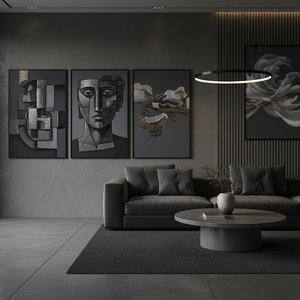
Szare arcydzieła: 10 słynnych obrazów w odcieniach ciemnego szarości | OriginalUniqueArt.pl
Odkryj 10 arcydzieł malarstwa w odcieniach szarości! Poznaj historie Rembrandta, Goi i Muncha. Inspiracje wnętrzarskie i reprodukcje obrazów najwyższej jakości na OriginalUniqueArt.com – sztuka dla Twojego domu.

Efemerowe Wyrażenia: Niuanse Malarstwa Tuszem w Historii i Sztuce Współczesnej
Poznaj fascynujący świat malarstwa tuszem! Odkryj historię, techniki i filozofię tej wyjątkowej sztuki azjatyckiej. Przewodnik po mistrzach pędzla i inspiracje dla współczesnych artystów.


