Canadian Modernism · 1948
Camoflage (Isabel Mclaughlin, 1948)
Isabel Mclaughlin (1903–2002) stworzył Camoflage. Dzieło pochodzi z 1948. Należy do nurtu Canadian Modernism. Wykonano w technice Painting. Przechowywane jest w The Robert McLaughlin Gallery w Oshawa, Kanada.
- 1948
- Painting
- The Robert McLaughlin Gallery, Oshawa

 Podgląd w skali 1:1

 Ręcznie malowany obraz olejny
 Wyślij jako kartkę
 Udostępnij
 Karta informacyjna


 Pobierz obraz
 Podobne obiekty
 RTG
 Pokaz slajdów
 Pytania i odpowiedzi

 Statystyki
Camoflage w skrócie
- Tytuł
- Camoflage
- Artysta
- Isabel Mclaughlin (1903–2002)
- Miejsce urodzenia artysty
- Oshawa, Kanada
- Data powstania
- 1948
- Technika wykonania
- Painting
- Gdzie można je zobaczyć
- The Robert McLaughlin Gallery, Oshawa, Kanada
- Epoka
- Modern
- Temat
- woman painting, still life, plants, nature, serene, indoor scene
Co przedstawia Camoflage?
A Sanctuary of Color and Quietude
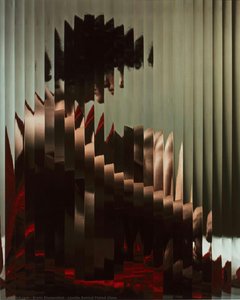
In the evocative painting Camoflage, created in 1948 by the Canadian modernist pioneer Isabel McLaughlin, we are invited into a private, serene sanctuary where the boundaries between the human spirit and the natural world begin to blur. The scene captures a moment of profound artistic introspection; a woman sits poised at her station, deeply immersed in the act of creation. Surrounded by an abundance of lush greenery, delicate flowers, and potted plants, she exists within a verdant cocoon that feels both intimate and expansive. This is not merely a portrait of an artist at work, but a masterful study of how environment can mirror the internal state of the creator—a theme beautifully encapsulated in the title itself.
The composition is a delicate dance of light and organic form. As the eye wanders through the frame, it encounters the rhythmic placement of chairs, the soft silhouette of a vase, and the textured leaves of various botanical specimens that frame the central figure. McLaughlin utilizes a sophisticated approach to Modernist technique, where the subject does not stand apart from her surroundings but is instead woven into them. The interplay of light filtering through the foliage creates a dappled effect, suggesting a quiet afternoon where time has slowed to the pace of a brushstroke. For the discerning collector or interior designer, this piece offers a sense of tranquil sophistication, making it an ideal centerpiece for spaces dedicated to contemplation, reading, or refined relaxation.
The Legacy of Canadian Modernism
To understand the depth of Camoflagie, one must look toward the historical significance of Isabel McLaughlin’s role in the Canadian art scene. As a woman who would eventually become the first female president of the Canadian Group of Painters, McLaughlin brought a unique sensitivity to the movement, blending the structural boldness of modernism with a deeply personal, lyrical touch. Her upbringing at the famed Parkwood Estate provided her with an early appreciation for the intersection of nature and art, a theme that resonates through every layer of this 1948 masterpiece. The painting serves as a testament to her ability to capture the "soul" of a setting, using color and composition to evoke a mood rather than just a literal depiction.
The emotional impact of the work lies in its ability to inspire peace. There is a rhythmic harmony in the way the artist manages the density of the plants against the stillness of the seated figure. For those looking to adorn a home with high-quality reproductions, this artwork provides more than just visual beauty; it brings an atmosphere of intellectual and botanical richness. It is a piece that invites the viewer to pause, breathe, and find their own moment of camouflage within the lush, painted world of McLaughlin, making it a timeless addition to any curated collection of fine art.
W którym muzeum znajduje się Camoflage?
The Robert McLaughlin Gallery
Oshawa, Kanada
Sanktuarium Światła i Linii Położona w samym sercu tętniącego życiem centrum Oshawa w Ontario, The Robert McLaughlin Gallery jawi się jako świetlisty symbol kanadyjskiego ducha, oferując głębokie schronienie, w którym modernizm spotyka się z pamięcią. Wejście do tej instytucji to wkroczenie w starannie wypracowany dialog między ziemią a eterem, w miejsce, gdzie ciężar historii zostaje uniesiony przez wzniosłą, wypełnioną światłem przestrzeń projektu. Architektoniczna obecność galerii sama w sobie stanowi arcydzieło modernistycznej myśli.


Zdjęcia w wysokiej rozdzielczości dzieła Camoflage

Chronione prawem autorskim: pliki te służą wyłącznie do osobistego wglądu i nie stanowią licencji na ich powielanie.
Isabel Mclaughlin, Camoflage (1948).
Isabel Mclaughlin (1903–2002), Camoflage, 1948, painting, The Robert McLaughlin Gallery, Oshawa, Kanada. Źródło obrazu: OriginalUniqueArt.com.
Odpowiedzi na pytania dotyczące Camoflage
W którym muzeum znajduje się oryginał "Camoflage"?
Oryginał dzieła „Camoflage” można zobaczyć w The Robert McLaughlin Gallery, Oshawa, Kanada.
W którym roku powstało dzieło „Camoflage” – Isabel Mclaughlin?
Powstanie „Camoflage” – Isabel Mclaughlin datuje się na 1948.
W jakiej technice wykonano „Camoflage” – Isabel Mclaughlin?
Isabel Mclaughlin wykorzystał/a technikę Painting w pracy „Camoflage”. Technika ta definiuje materię oryginalnego dzieła.
Co przedstawia "Camoflage"?
Tematyka dzieła "Camoflage" to woman painting, still life, plants, nature, serene, indoor scene, modernism.
Czy dzieło "Camoflage" znajduje się w domenie publicznej?
Jeśli chodzi o prawa autorskie, "Camoflage" znajduje się w nadal objęte ochroną prawa autorskiego.
Kto jest autorem dzieła "Camoflage"?
„Camoflage” zostało stworzone przez Isabel Mclaughlin. Informacje na tej stronie dotyczą oryginalnego dzieła autorstwa Isabel Mclaughlin.
Do jakiego nurtu należy "Camoflage"?
„Camoflage” – Isabel Mclaughlin należy do nurtu Canadian Modernism. Nurt ten stanowi stylistyczny kontekst dzieła.
Do którego okresu twórczości Isabel Mclaughlin należy dzieło "Camoflage"?
„Camoflage” pochodzi z okresu Mature Period w twórczości Isabel Mclaughlin. Klasyfikacja ta wiąże dzieło z rozwojem artysty.
Ile lat miał(a) Isabel Mclaughlin, tworząc "Camoflage" w 1948 roku?
Gdy w 1948 roku powstało dzieło „Camoflage”, Isabel Mclaughlin – urodzony/a w 1903 – miał/a 45 lat.
O artyście: Isabel Mclaughlin
1903–2002, Kanada
Isabel Mclaughlin
Pionierka Kanadyjskiego Modernizmu: Życie i Sztuka Isabel McLaughlin Isabel McLaughlin, urodzona w 1903 roku w Oshawa w Kanadzie, wyłoniła się jako kluczowa postać w rozwoju kanadyjskiej sztuki nowoczesnej. Jej droga była procesem pełnym oddanego artystycznego poszukiwania, połączonego z głębokim zaangażowaniem w budowanie tętniącej życiem społeczności artystycznej. Dorastając w uprzywilejowanych okolicznościach posiadłości Parkwood Estate, będącej domem jej ojca Roberta Samuela McLaughlina – założyciela General Motors Canada – została wystawiona na świat, w którym sztuka posiadała znaczącą wartość. Ta wczesna immersja w kulturę, wraz z wpływem artystycznych skłonności jej matki i babci do haftów przedstawiających naturę, położyły fundament pod jej życiową pasję.
Inne prace Isabel Mclaughlin
 Jets Over Arizona1956
 Budding Hyacinths1933
 All Aboard1948
 Haliburton Country Lake Autumn1957
Eseje o Camoflage
 20th century Canadian paintersMaurice Prendergast used a mosaic technique in 1913 and Emily Carr transformed fir trees into dynamic forms in her 1937 Dancing Trees work.
 Canadian artworks of the 1910sTom Thomson painted The Fisherman in 1917 using thick impasto to redefine the national identity. How did these ten works reshape a nation?
 Masterpieces of Intimacy: The Top 25 Artworks by Édouard Vuillard1868 in Cuiseaux, France, Vuillard’s vision was shaped by his mother’s textile work. How did this upbringing define his unique use of patte…