Romanticism · 1790
Painters (Hubert Robert, 1790)
Hubert Robert (1733–1808) stworzył Painters. Dzieło pochodzi z 1790. Należy do nurtu Romanticism. Wykonano w technice Acrylic On Canvas. Przechowywane jest w Ermitaż w Sankt Petersburg, Rosja. Wymiary to 24 × 32 cm.
- 1790
- Acrylic On Canvas
- 24 × 32 cm
- Ermitaż, Sankt Petersburg

 Podgląd w skali 1:1

 Ręcznie malowany obraz olejny
 Wyślij jako kartkę
 Udostępnij
 Karta informacyjna


 Pobierz obraz
 Podobne obiekty
 RTG
 Pokaz slajdów
 Pytania i odpowiedzi

 Statystyki
Painters w skrócie
- Tytuł
- Painters
- Artysta
- Hubert Robert (1733–1808)
- Miejsce urodzenia artysty
- Paryż, Francja
- Data powstania
- 1790
- Technika wykonania
- Acrylic On Canvas
- Wymiary
- 24 × 32 cm
- Gdzie można je zobaczyć
- Ermitaż, Sankt Petersburg, Rosja
- Ruch
- Romanticism
- Temat
- landscapes, ruins, figures, daytime, field, workers
Co przedstawia Painters?
Hubert Robert’s “Painters”: A Vision of Ruin and Remembrance
Hubert Robert's "Painters," painted in 1790, isn’t merely a depiction of laborers at work; it’s a carefully constructed meditation on labor, time, and the enduring power of memory. The scene unfolds within a rugged, almost theatrical landscape – a dramatic vista dominated by a towering rock formation, its weathered surface hinting at centuries of exposure to the elements. Two figures, rendered with a subtle realism that belies Robert's penchant for romanticized ruins, are engaged in the arduous task of carving stone. One, positioned atop the rock, directs the work with a commanding presence, while the other, lower down, meticulously shapes the material beneath him. The composition isn’t about capturing a specific moment; it’s about evoking a feeling – a sense of timelessness and the relentless passage of time, beautifully intertwined with the human effort to impose order upon nature.
Robert's style is distinctly rooted in the Neoclassical tradition, yet infused with the burgeoning Romantic sensibility that was beginning to challenge its rigid formality. He masterfully employs atmospheric perspective – the subtle blurring and darkening of distant elements – to create a profound sense of depth and space. The light, diffused and golden, washes over the scene, casting long shadows and highlighting the textures of the rock and the figures’ clothing. Notice how Robert utilizes loose brushstrokes, particularly in the depiction of the landscape, creating an impressionistic effect that anticipates later developments in art history. This deliberate softness contrasts with the sharper detail given to the men themselves, suggesting a focus on their individual struggles within the grand scheme of nature.
The Context of Labor and Ruin
To fully appreciate “Painters,” it’s crucial to understand Robert's artistic interests – particularly his fascination with ruins. Following the upheavals of the French Revolution, a renewed interest in antiquity and the past emerged, fueled by archaeological discoveries and a desire to reconnect with a perceived lost sense of order and stability. Robert, like many artists of his time, found inspiration in the decaying grandeur of Roman temples and medieval castles, transforming these remnants into evocative landscapes – ‘capriccios’ as he called them. These weren't simply artistic exercises; they were explorations of memory, loss, and the cyclical nature of history. The very act of painting ruins became a way to preserve a fading past, imbuing it with new life and meaning.
The figures depicted in “Painters” represent a specific segment of 18th-century French society – laborers engaged in essential but often overlooked work. Robert’s choice to portray them within such a dramatic landscape elevates their status, suggesting that even the most humble tasks are worthy of artistic attention. The scene subtly critiques the social hierarchies of the time, presenting these men not as mere workers, but as active participants in shaping the world around them. The rock formation itself can be interpreted as a symbol of enduring strength and resilience – a testament to the power of human labor against the forces of nature.
Symbolism and Emotional Resonance
Beyond its straightforward depiction of work, “Painters” is rich in symbolic meaning. The towering rock formation, with its weathered surface, represents the weight of history and the passage of time. The figures’ focused expressions convey a sense of dedication and perseverance, but also hint at the physical strain of their labor. Robert's use of color – predominantly earthy tones punctuated by flashes of gold – evokes feelings of warmth, nostalgia, and perhaps even melancholy. The overall effect is one of quiet contemplation, inviting the viewer to reflect on the relationship between humanity and nature, work and memory.
The inclusion of animals—a horse and a dog—adds another layer of complexity to the scene. Animals have long been associated with labor and service in art, symbolizing loyalty, strength, and connection to the natural world. Their presence reinforces the theme of human interaction with the environment, suggesting a harmonious coexistence – albeit one marked by hard work and enduring effort. “Painters” is not simply a landscape; it’s a carefully orchestrated tableau that speaks volumes about the values and anxieties of its time.
A Timeless Masterpiece: Reproduction Considerations
Reproductions of Hubert Robert's “Painters” offer a remarkable opportunity to bring this evocative artwork into your home or office. The meticulous detail captured by Robert’s brushstrokes, combined with his masterful use of light and shadow, translates beautifully to high-quality reproductions. When selecting a reproduction, pay close attention to the texture and color accuracy – features that are crucial for capturing the painting's atmospheric depth and emotional resonance. OriginalUniqueArt offers meticulously crafted hand-painted reproductions that faithfully recreate Robert’s original vision, ensuring that you experience the full impact of this timeless masterpiece.
W którym muzeum znajduje się Painters?
Ermitaż
Sankt Petersburg, Rosja
Początki i historia Ermitażu Historia Ermitażu bierze swój początek w 1764 roku, kiedy to świat sztuki wzbogacił się o niezwykłą kolekcję 225 obrazów, nabytych od berlińskiego kupca Johanna Ernsta Gotzkowsky’ego. To właśnie Katarzyna Wielka położyła fundamenty pod tę niezwykłą zbiorowość, nadając początek obecności muzeum w Sankt Petersburgu w Rosji. Te wczesne nabytki stały się jądrem, z którego wyrosło potężne i rozległe repozytorium zachodniej sztuki europejskiej.


Zdjęcia w wysokiej rozdzielczości dzieła Painters

Domena publiczna: artysta zmarł w 1808.
Inne rozmiary, kadrowanie i cytowanie →Hubert Robert, Painters (1790), Ermitaż. Domena publiczna
Odpowiedzi na pytania dotyczące Painters
Gdzie można zobaczyć oryginał „Painters” – Hubert Robert?
„Painters” – Hubert Robert znajduje się w zbiorach Ermitaż, Sankt Petersburg, Rosja. Informacja o muzeum dotyczy oryginału, a nie reprodukcji.
W którym roku powstało dzieło „Painters” – Hubert Robert?
"Painters" powstało w 1790 roku. Data ta pozwala umiejscowić dzieło w kontekście twórczości Hubert Robert oraz epoki, w której powstało.
W jakiej technice wykonano „Painters” – Hubert Robert?
Hubert Robert wykorzystał/a technikę Acrylic On Canvas w pracy „Painters”. Technika ta definiuje materię oryginalnego dzieła.
Jakie są wymiary oryginału "Painters"?
Oryginalne wymiary dzieła „Painters” to 24 x 32 cm. Znajomość pierwotnej skali może być pomocna przy wyborze odpowiedniego rozmiaru reprodukcji.
Co przedstawia „Painters” – Hubert Robert?
„Painters” – Hubert Robert przedstawia: landscapes, ruins, figures, daytime, field, workers, composition, xviii century.
Czy dzieło "Painters" znajduje się w domenie publicznej?
„Painters” – Hubert Robert znajduje się w domenie publicznej (należy do domeny publicznej – autorskie prawa majątkowe wygasły). Status ten określa zasady reprodukcji obrazu tego dzieła.
Kto jest autorem dzieła "Painters"?
Autorstwo dzieła "Painters" przypisuje się Hubert Robert.
Do jakiego nurtu w sztuce należy „Painters” – Hubert Robert?
„Painters” to dzieło należące do nurtu Romanticism. Nurt ten określa tradycję artystyczną, w której osadzone jest dzieło.
Do którego okresu twórczości Hubert Robert należy dzieło „Painters”?
"Painters" reprezentuje Mature Period twórczości Hubert Robert.
O artyście: Hubert Robert
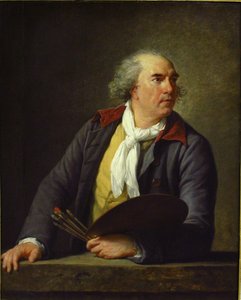
1733–1808, Francja
Hubert Robert
Wczesne lata, rodzina i kształcenie artystyczne Urodzony w Paryżu w 1733 roku, Hubert Robert wkroczył w świat, w którym status społeczny jego rodziny był nierozerwalnie związany ze służbą innym. Jego ojciec, Nicolas Robert, zajmował stanowisko w domu wpływowej postaci, co ostatecznie ułatwiło młodemu człowiekowi poruszanie się po najwyższych szczeblach francuskiego społeczeństwa. Ta wczesna stabilizacja położyła fundament pod formalne wykształcenie, które zdobywał w uporządkowanych murach Collège de Navarre. Do 1751 roku ukończył studia pod okiem jezuitów, zyskując zdyscyplinowane zaplecze intelektualne, zanim skierował swoją uwagę ku sztukom wizualnym.
Inne prace Hubert Robert
 The Pont du Gard1787
 The Finding of the Laocoön1773
 Le port de Ripetta
 PROJET D'AMENAGEMENT DE LA GRANDE GALERIE DU LOUVRE

Eseje o Painters
 10 Arcydzieł Impresjonizmu, które Zrewolucjonizowały Świat Sztuki | OriginalUniqueArtOdkryj 10 arcydzieł impresjonizmu – Monet, Renoir, Degas i inni. Poznaj historie powstania kultowych obrazów, techniki malarskie i paletę b…
 Hubert Robert: Picturing Ruins, Preserving Memory – A Study of Romantic Antiquarianism & Artistic InnovationExplore the captivating world of Hubert Robert, master of Romantic landscape painting & 'capriccio' ruins. Discover his historical context,…
 Emotion vs. Observation: A Guide to Romanticism and RealismMaster the differences between Romanticism and Realism through expert analysis. Discover the art of emotion versus observation now.