

 Podgląd w skali 1:1
 Wyślij jako kartkę
 Udostępnij
 Szczegóły dzieła
 Przewodnik

 Pobierz obraz
 Podobne obiekty
 RTG
RTG Pokaz slajdów
 Q&A
Q&A Statystyki
Jane Fraser Tytler
 Oil On Canvas
- WallArt
- Romantic Realism
 1810
1810- 19th Century
 76.0 x 63.0 cm
 Taft Museum of Art
 Rozwiń treść
Giclée / Wydruk artystyczny
Wydruki giclée lub płótna o jakości muzealnej, szybka realizacja i szeroki wybór opcji wykończenia. ( Zamów ręcznie malowaną reprodukcję Przejdź do wersji cyfrowej)




P118B zł10

P118H zł10

P118W zł10

P438Z zł10

P508JH zł12

P508YH zł12

P805H zł10

P805Z zł10

P919BZ zł10

P919G zł10

P919XJ zł10

P959ZH zł10

P968JZ zł12

W106C zł8

W218G zł10

W218JH zł8

W218Y zł10

W307PJ zł10

W316G zł10

W316PJ zł8

W316Y zł10

W398PJ zł8

W4111J zł10

W500HY zł15

W500JH zł15

W692G zł12

W849H zł8

W940BG zł15

W953PJ zł8




Wybierz spośród naszych standardowych rozmiarów, które zachowują oryginalne proporcje dzieła sztuki.

Wpisz wymaganą szerokość i wysokość, aby dopasować grafikę do ramy lub ściany. Wydruk można jedynie przyciąć, nigdy nie powiększając go poza oryginalny obraz, dlatego format o innych proporcjach spowoduje utratę części kompozycji. Przed rozpoczęciem druku prześlemy Ci cyfrowy podgląd do zatwierdzenia. Obraz wyświetlany na tej stronie nie pokazuje rzeczywistego przycięcia — jedynie podgląd oddaje ten efekt.
Dostawa na cały świat () w ciągu 2 tygodni zamiast standardowych 4/5 tygodni. (30 Październik)

Bezpłatna ekspresowa wysyłka na cały świat

Wysokiej jakości płótno lniane

Pełne ubezpieczenie przesyłki

Gwarancja zwrotu należności celnych i podatków importowych

Gwarancja wiernego odwzorowania kolorów

100-dniowa polityka zwrotów (tylko w przypadku wad)

Gwarancja 100% zwrotu pieniędzy

Zniżka przy zakupie wielu sztuk
 Opcja ze szkłem jest dostępna wyłącznie w rozmiarach poniżej 110 cm

Jane Fraser Tytler
Giclée / Wydruk artystyczny
Wymiary reprodukcji
-


Cena całkowita
zł 311
A Glimpse into Regency Elegance
In the quiet, commanding presence of Jane Fraser Tytler, we encounter more than just a likeness; we meet the very essence of Scottish nobility from a bygone era. Painted in 1810 by the celebrated master Henry Raeburn, this portrait serves as a profound window into the Regency period, capturing a woman who was not merely a subject, but a pillar of her community as the Lady Patroness of the Arts. As she gazes directly at the viewer, there is an immediate, intimate connection established—a hallmark of Raeburn’s ability to bridge the gap between the canvas and the observer. Her expression, caught in a delicate balance between a soft smile and a thoughtful repose, invites us into her private world of refinement and quiet strength.
The painting is a masterclass in Romantic Realism, a style where Raeburn eschewed the theatrical excesses often found in his contemporaries in favor of a restrained, psychological depth. Rather than relying on flamboyant gestures to convey status, he utilizes the subtle nuances of light and shadow to reveal the subject's inner character. The technique of chiaroscuro is employed with breathtaking precision here; the dramatic interplay of light illuminates the luminous texture of her white dress and the soft contours of her face, while deeper shadows recede into the background, creating a sense of three-dimensional life that feels almost tactile.
Symbolism and the Art of Atmosphere
Every element within the frame has been meticulously composed to reinforce the themes of grace and social standing. The inclusion of a delicate fan in Tytler's hand is far from incidental; it serves as a potent symbol of composure and the sophisticated etiquette of the upper classes. This sense of poised elegance is further anchored by the color palette. The deep, verdant hue of the background wall provides a tranquil counterpoint to the warmth of her skin tones, subtly evoking notions of renewal and the enduring nature of virtue. Even the splash of red in her attire acts as a focal point, guiding the eye through the composition and adding a pulse of vitality to the otherwise serene scene.
For the discerning collector or interior designer, this reproduction offers much more than mere decoration. It brings with it the historical weight of the Napoleonic era—a time when national identity and moral fortitude were paramount. To hang such a piece is to introduce a sense of dignity, stability, and timelessness into a room. Whether placed in a formal study or as a sophisticated focal point in a contemporary living space, the portrait of Jane Fraser Tytler radiates an aura of intellectual depth and classical beauty, making it an incomparable addition to any curated collection of fine art.
Pytania i odpowiedzi
Czy "Jane Fraser Tytler" wpisuje się w typową tematykę twórczości Henryk Raeburn?
Wśród motywów charakterystycznych dla twórczości Henryk Raeburn – takich jak scottish tradition, ideal beauty, royal dignity, realist style, notable portrait – dzieło „Jane Fraser Tytler” wprowadza własne skupienie na scottish portraiture, female figure, fan decoration, ivory miniature, royal patronage, british art, romantic era.
Czy dzieło "Jane Fraser Tytler" znajduje się w kraju swojego twórcy?
Nie – dzieło znajduje się poza granicami kraju artysty. Dzieło "Jane Fraser Tytler" znajduje się w zbiorach Stany Zjednoczone Ameryki, podczas gdy Henryk Raeburn urodził(a) się w Szkocja.
Do jakiego nurtu w sztuce należy „Jane Fraser Tytler” – Henryk Raeburn?
„Jane Fraser Tytler” to dzieło należące do nurtu Romantic Realism. Nurt ten określa tradycję artystyczną, w której osadzone jest dzieło.
Biografia artysty
A Scottish Master of Realism: The Life and Art of Sir Henry Raeburn
Sir Henry Raeburn, a name synonymous with the vibrant spirit of 18th-century Scotland, was more than just a portrait painter; he was a cultural observer, a psychological explorer, and a revolutionary in his approach to capturing the essence of his subjects. Born into a modest background amidst the burgeoning Enlightenment, Raeburn’s journey from an orphaned boy to one of Britain's most celebrated artists is a testament to his innate talent, relentless dedication, and a profound understanding of human character. His story unfolds not just as a chronicle of artistic development but also as a reflection of a nation forging its own identity.Early Life and Artistic Beginnings
Henry Raeburn’s early life was marked by both hardship and opportunity. Born in Stockbridge, a district of Edinburgh in 1756, he experienced the profound loss of his parents at just six years old, an event that profoundly shaped his outlook on life. Raised by his elder brother, William, who secured him an education at Heriot’s Hospital – a prestigious institution renowned for its classical training – Raeburn initially pursued a path in goldsmithing, a skill he honed with meticulous precision. However, it was during this apprenticeship that his artistic inclinations began to blossom, particularly through miniature painting. He found himself drawn to the intricate detail and delicate craftsmanship of creating tiny portraits on ivory, revealing an innate talent for capturing likenesses with remarkable accuracy and sensitivity. This early work demonstrated not only technical skill but also a keen eye for observation – a quality that would become central to his later artistic practice.From Edinburgh’s Shadows to Roman Inspiration
Raeburn's artistic trajectory took a decisive turn when he married Ann Edgar in 1778, a union that provided him with the financial stability necessary to dedicate himself fully to painting. He began studying the works of David Martin, a respected portraitist in Edinburgh, but it was his brief sojourn to Italy in 1784-86 that truly ignited his artistic vision. During this time, he immersed himself in the art and culture of Rome, encountering masters like Gavin Hamilton and Pompeo Batoni – artists whose bold use of light, dramatic compositions, and psychological insight profoundly influenced his own style. He meticulously copied works by these Italian masters, absorbing their techniques and developing a deeper understanding of how to convey emotion and character through paint. This Roman experience served as a crucial catalyst, transforming Raeburn from a promising craftsman into a confident and innovative artist.The Development of a Distinctive Style
Returning to Edinburgh in 1786, Raeburn quickly established himself as the leading portrait painter of his time. Unlike many of his contemporaries who adhered to the formal conventions of aristocratic portraiture, Raeburn embraced a more direct and uninhibited approach. He eschewed elaborate backgrounds and idealized poses, instead focusing on capturing the individual’s personality, status, and even their mood with remarkable immediacy. His technique was characterized by bold brushstrokes, dramatic lighting effects – often utilizing *chiaroscuro* to create depth and intensity – and a willingness to experiment with unconventional compositions. He famously painted directly onto the canvas without preliminary sketches, relying on his intuition and observational skills to guide his hand. This spontaneous style, coupled with his deep understanding of human psychology, resulted in portraits that were both strikingly realistic and profoundly engaging. Works like *The Young Polo Player* exemplify this approach, capturing not just a likeness but also the energy and exuberance of youth.Recognition and Legacy
Raeburn’s artistic success was quickly recognized by Edinburgh society, and he became a sought-after portraitist for prominent figures from all walks of life – including Adam Smith, David Hume, and numerous members of the Scottish aristocracy. In 1815, he was elected to the Royal Academy in London, a momentous achievement that cemented his reputation as one of Britain’s leading artists. Shortly before his death in 1823, he was knighted by King George IV and appointed His Majesty's Limner for Scotland – a testament to his enduring influence on British art. Today, Raeburn’s paintings are celebrated for their realism, psychological insight, and masterful technique. They offer a unique glimpse into the lives and personalities of 18th-century Scotland, preserving a vibrant record of a nation in transition. His legacy continues to inspire artists and scholars alike, ensuring that Sir Henry Raeburn remains a pivotal figure in the history of British art.- His dedication to realism and psychological insight set him apart from many of his contemporaries.
- He helped establish a distinctly Scottish identity within British art.
- His masterful technique continues to be studied and admired by artists and scholars alike.

Henryk Raeburn
1756 - 1823 , Szkocja
Krótka nota
- Artistic Movement Or Style: Portretystyka, Realizm
- Artists Or Movements Influenced By This Artist: ['Szkocka sztuka']
- Artists Who Influenced This Artist:
- David Martin
- Joshua Reynolds
- Date Of Birth: 4 marca 1756
- Date Of Death: 8 lipca 1823
- Full Name: Henry Raeburn
- Nationality: Szkocki
- Notable Artworks:
- Młody gracz w polo
- Alexander Allan
- Sir John Hay
- Place Of Birth: Stockbridge, UK
Powiązane artykuły

Henry Raeburn Dobson: A Scottish Colourist Bridging Tradition & Modernity
Explore the life & work of Henry Raeburn Dobson, a key figure bridging Scottish tradition & modern art. Discover his neoclassical portraits, landscapes, and connection to the Colourists. Learn about collecting his works.
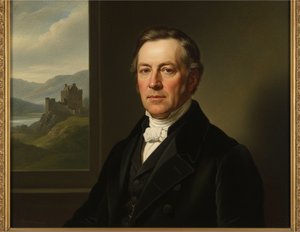
Henry Raeburn: A Scottish Portraitist's Mastery of Light, Character & National Identity
Explore the life & work of Henry Raeburn, a master Scottish portraitist. Discover his innovative techniques, captivating portraits of the Enlightenment era, and lasting legacy in art history. Learn more at OriginalUniqueArt.

Henri Matisse: 25 Arcydzieł Koloru i Inspiracji | OriginalUniqueArt.com
Odkryj 25 arcydzieł Henri Matisse’a – od żywych kolorów fauwizmu po ikoniczne kompozycje. Poznaj historię, technikę i inspiracje malarstwa francuskiego. Reprodukcje obrazów najwyższej jakości na OriginalUniqueArt.com! Eksploruj kolekcję online.
Sir John Watson Gordon: A Study in Scottish Landscape Painting & Tonal Impressionism
Explore the captivating portraits of Sir John Watson Gordon, a leading Scottish master. Discover his evolution from neoclassical style to atmospheric Tonalism and influence on 19th-century British art. Learn about his iconic sitters & legacy.
Charles Fraser: A Life Immersed in Light and Landscape – Exploring the Scottish Colourist's Vision
Discover the captivating world of Charles Fraser (1782-1860), a leading American artist renowned for his serene landscapes and detailed portraits of Southern life. Explore his legacy & find museum-quality reproductions at OriginalUniqueArt.