Przełącz na wydania drukowane
 Rozwiń treść







































 W przypadku dzieł sztuki lub reprodukcji, których którykolwiek z boków przekracza 105 cm (około 41 cali), rama zostanie wysłana w formie zestawu do samodzielnego montażu. Metoda ta zapewnia bezpieczną dostawę i zapobiega uszkodzeniom podczas transportu.


A Glimpse into Regency Elegance
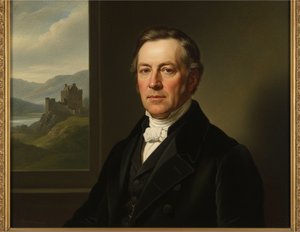
In the quiet, commanding presence of Jane Fraser Tytler, we encounter more than just a likeness; we meet the very essence of Scottish nobility from a bygone era. Painted in 1810 by the celebrated master Henry Raeburn, this portrait serves as a profound window into the Regency period, capturing a woman who was not merely a subject, but a pillar of her community as the Lady Patroness of the Arts. As she gazes directly at the viewer, there is an immediate, intimate connection established—a hallmark of Raeburn’s ability to bridge the gap between the canvas and the observer. Her expression, caught in a delicate balance between a soft smile and a thoughtful repose, invites us into her private world of refinement and quiet strength.
The painting is a masterclass in Romantic Realism, a style where Raeburn eschewed the theatrical excesses often found in his contemporaries in favor of a restrained, psychological depth. Rather than relying on flamboyant gestures to convey status, he utilizes the subtle nuances of light and shadow to reveal the subject's inner character. The technique of chiaroscuro is employed with breathtaking precision here; the dramatic interplay of light illuminates the luminous texture of her white dress and the soft contours of her face, while deeper shadows recede into the background, creating a sense of three-dimensional life that feels almost tactile.
Symbolism and the Art of Atmosphere
Every element within the frame has been meticulously composed to reinforce the themes of grace and social standing. The inclusion of a delicate fan in Tytler's hand is far from incidental; it serves as a potent symbol of composure and the sophisticated etiquette of the upper classes. This sense of poised elegance is further anchored by the color palette. The deep, verdant hue of the background wall provides a tranquil counterpoint to the warmth of her skin tones, subtly evoking notions of renewal and the enduring nature of virtue. Even the splash of red in her attire acts as a focal point, guiding the eye through the composition and adding a pulse of vitality to the otherwise serene scene.
For the discerning collector or interior designer, this reproduction offers much more than mere decoration. It brings with it the historical weight of the Napoleonic era—a time when national identity and moral fortitude were paramount. To hang such a piece is to introduce a sense of dignity, stability, and timelessness into a room. Whether placed in a formal study or as a sophisticated focal point in a contemporary living space, the portrait of Jane Fraser Tytler radiates an aura of intellectual depth and classical beauty, making it an incomparable addition to any curated collection of fine art.
Pytania i odpowiedzi
Czy "Jane Fraser Tytler" wpisuje się w typową tematykę twórczości Henryk Raeburn?
Wśród motywów charakterystycznych dla twórczości Henryk Raeburn – takich jak scottish tradition, ideal beauty, royal dignity, realist style, notable portrait – dzieło „Jane Fraser Tytler” wprowadza własne skupienie na scottish portraiture, female figure, fan decoration, ivory miniature, royal patronage, british art, romantic era.
Czy dzieło "Jane Fraser Tytler" znajduje się w kraju swojego twórcy?
Nie – dzieło znajduje się poza granicami kraju artysty. Dzieło "Jane Fraser Tytler" znajduje się w zbiorach Stany Zjednoczone Ameryki, podczas gdy Henryk Raeburn urodził(a) się w Szkocja.
Do jakiego nurtu w sztuce należy „Jane Fraser Tytler” – Henryk Raeburn?
„Jane Fraser Tytler” to dzieło należące do nurtu Romantic Realism. Nurt ten określa tradycję artystyczną, w której osadzone jest dzieło.
 Podgląd w skali 1:1
 Wyślij jako kartkę
 Udostępnij
 Szczegóły dzieła
 Przewodnik

 Pobierz obraz
 Podobne obiekty
 RTG
RTG Pokaz slajdów
 Q&A
Q&A Statystyki