
 Podgląd w skali 1:1
 Wyślij jako kartkę
 Udostępnij
 Szczegóły dzieła
 Przewodnik

 Pobierz obraz
 Podobne obiekty
 RTG
RTG Pokaz slajdów
 Statystyki
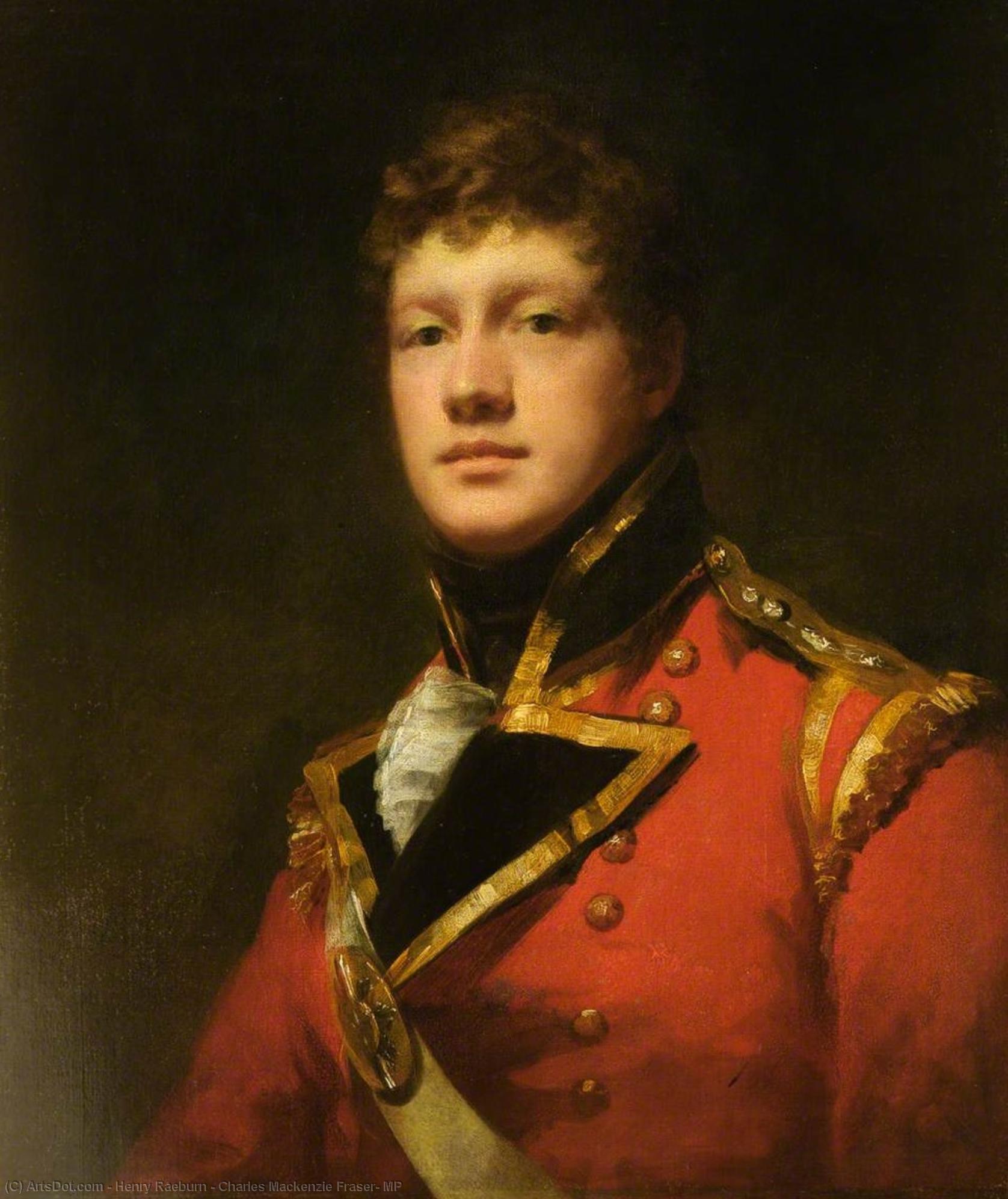
Charles Mackenzie Fraser, MP
 Acrylic On Canvas
- WallArt
- Romantic Realism
 75.0 x 62.0 cm
 The National Trust For Scotland
 Rozwiń treść
Kup wysokiej rozdzielczości, ulepszony obraz cyfrowy o jakości znacznie przewyższającej podgląd online.
Każdy plik jest starannie przygotowywany przez naszych specjalistów przy użyciu zaawansowanych narzędzi oraz profesjonalnej, ręcznej retuszy. Dbamy o to, aby każdy obraz cechował się wyjątkową ostrością, precyzyjnym odwzorowaniem kolorów i subtelnymi detalami.
Ostateczny plik dostarczany jest drogą mailową w ciągu 72 godzin, zoptymalizowany do natychmiastowego wykorzystania w profesjonalnych zastosowaniach redakcyjnych i poligraficznych. To ta sama jakość, której ufają czołowe studia projektowe, wydawnictwa oraz galerie sztuki.
Obraz cyfrowy
Pobierz plik o wysokiej rozdzielczości do osobistego użytku, druku oraz projektów kreatywnych. ( Przełącz na wydania drukowane Zamów ręcznie malowaną reprodukcję)
W każdym zamówieniu na obraz cyfrowy znajduje się
Profesjonalna dostawa cyfrowa z gwarancją
Wybierając OriginalUniqueArt.com, nie otrzymujesz jedynie obrazu – otrzymujesz profesjonalnie udoskonalone cyfrowe dzieło sztuki, stworzone z najwyższą precyzją i objęte gwarancją satysfakcji. Oto wszystko, co automatycznie dołączane jest do Twojego zamówienia:

Błyskawiczna wysyłka e-mailowa
Plik z obrazem cyfrowym w wysokiej rozdzielczości zostanie przesłany na Twój adres e-mail w ciągu 72 godzin od złożenia zamówienia – gotowy do natychmiastowego użycia.

Plik cyfrowy wzbogacony przez AI
Twoja grafika została profesjonalnie zoptymalizowana przy użyciu zaawansowanych narzędzi AI oraz ręcznej edycji, co zapewnia maksymalną szczegółowość, klarowność i wierność kolorów.

Darmowe ponowne przesyłki dożywotnio
Przypadkowo usunąłeś lub zgubiłeś swój plik? Bez obaw – prześlemy go Tobie ponownie w dowolnym momencie, bez żadnych opłat.

Bez opłat importowych – zawsze
Ciesz się swoją sztuką natychmiast, bez żadnych opłat celnych, należności ani kosztów dostawy – pliki cyfrowe są zawsze wolne od podatku.

Gwarancja wierności kolorów
Dzięki zastosowaniu profesjonalnych narzędzi i procesów zarządzania barwą zapewniamy, że Twoje cyfrowe zdjęcie odzwierciedla oryginalne kolory tak wiernie, jak to tylko możliwe.

Gwarancja satysfakcji przez 100 dni
Jeśli nie będziesz zadowolony ze swojego cyfrowego obrazu, dokonamy jego poprawki lub zwrócimy 100% kosztów w ciągu 100 dni – bez zbędnych pytań.

100% Gwarancja zwrotu pieniędzy
Nie jesteś zadowolony? Otrzymaj pełny zwrot kosztów w ciągu 100 dni od otrzymania pliku cyfrowego – bez zbędnych pytań.

Rabaty przy zamówieniach hurtowych
Kup 3 obrazy, oszczędź 10% - Kup 5, oszczędź 15% - Kup 10+, oszczędź 20%. Idealne do projektów kreatywnych, galerii i agencji.
A Portrait of Distinction: Charles Mackenzie Fraser, MP by Henry Raeburn
Henry Raeburn’s “Charles Mackenzie Fraser, MP” is more than simply a likeness; it's a carefully constructed tableau of 18th-century British identity and the burgeoning confidence of the landed gentry. Painted in 1795, this portrait captures Charles Mackenzie Fraser, a prominent Scottish politician and member of Parliament, not merely as an individual but as a symbol of his social standing and intellectual pursuits. Raeburn’s masterful handling of light, texture, and pose elevates the scene beyond a straightforward representation, offering a glimpse into the values and aspirations of the era.
The subject himself is presented with an air of quiet authority. Fraser, dressed in a rich red coat adorned with gold buttons – a deliberate display of wealth and status – stands ramrod straight, his gaze direct and unwavering. The meticulous detail of his attire, from the intricate embroidery to the gleaming buttons, speaks volumes about his position within society. His dark, well-groomed mustache and neatly trimmed beard contribute to an image of considered elegance, reflecting the prevailing ideals of masculine decorum.
The Language of Portraiture: Raeburn’s Technique
Raeburn's skill lies not just in replicating appearance but in conveying character through subtle nuances. He employs a technique known as ‘chiaroscuro,’ skillfully manipulating light and shadow to sculpt Fraser’s form and draw attention to key features. Notice how the light catches the folds of his coat, highlighting its luxurious texture, while simultaneously deepening the shadows around his face, adding depth and intrigue. This masterful use of light creates a sense of three-dimensionality, bringing the portrait to life.
Furthermore, Raeburn’s brushwork is remarkably loose and expressive, particularly in the rendering of Fraser's clothing. Rather than meticulously detailing every thread, he uses short, broken strokes to suggest texture and movement, creating an impression of richness and dynamism. This technique, characteristic of his style, lends a sense of immediacy and vitality to the portrait, moving it beyond a static representation.
Historical Context: A Nation Forging Identity
“Charles Mackenzie Fraser, MP” was painted during a period of significant social and political change in Britain. The late 18th century witnessed the rise of the middle class, fueled by economic growth and expanding trade networks. Portraits like this one served as powerful tools for asserting status and demonstrating lineage within this evolving social landscape. Mackenzie Fraser’s position as a Member of Parliament underscored his importance within the political system, further solidifying his image as a man of influence and responsibility.
The portrait also reflects the broader cultural fascination with classical ideals that permeated British society at the time. The formal pose, reminiscent of ancient Roman statues, speaks to a desire for order, reason, and civic virtue – values highly prized by the Enlightenment thinkers who shaped the era’s intellectual climate.
Symbolism and Emotional Resonance
Beyond its surface appearance, the portrait is laden with symbolic meaning. The red coat, traditionally associated with military honor and leadership, subtly suggests Fraser's potential for public service. The dark background, devoid of distracting details, focuses attention entirely on the subject, reinforcing his importance and commanding presence.
Ultimately, “Charles Mackenzie Fraser, MP” is a compelling study in portraiture—a testament to Raeburn’s artistic skill and a window into the social and cultural values of 18th-century Britain. It invites us to contemplate not only the individual depicted but also the broader context of his time, offering a rich and rewarding experience for art lovers and collectors alike.
Pytania i odpowiedzi
Do jakiego nurtu należy "Charles Mackenzie Fraser, MP"?
„Charles Mackenzie Fraser, MP” to dzieło należące do nurtu Romantic Realism. Nurt ten określa tradycję artystyczną, w której osadzone jest dzieło.
Co przedstawia i jaką atmosferę oddaje „Charles Mackenzie Fraser, MP” – Henryk Raeburn?
„Charles Mackenzie Fraser, MP” – Henryk Raeburn przedstawia scottish painting, portraiture, british art, 18th century, henry raeburn, miniature painting, formal setting, wprowadzając Serene nastrój. Tematyka i atmosfera wspólnie definiują to dzieło.
Jaki jest format dzieła "Charles Mackenzie Fraser, MP"?
Format dzieła „Charles Mackenzie Fraser, MP” to Portrait. Jest to pomocna informacja podczas planowania miejsca, w którym zostanie umieszczona reprodukcja.
Biografia artysty
A Scottish Master of Realism: The Life and Art of Sir Henry Raeburn
Sir Henry Raeburn, a name synonymous with the vibrant spirit of 18th-century Scotland, was more than just a portrait painter; he was a cultural observer, a psychological explorer, and a revolutionary in his approach to capturing the essence of his subjects. Born into a modest background amidst the burgeoning Enlightenment, Raeburn’s journey from an orphaned boy to one of Britain's most celebrated artists is a testament to his innate talent, relentless dedication, and a profound understanding of human character. His story unfolds not just as a chronicle of artistic development but also as a reflection of a nation forging its own identity.Early Life and Artistic Beginnings
Henry Raeburn’s early life was marked by both hardship and opportunity. Born in Stockbridge, a district of Edinburgh in 1756, he experienced the profound loss of his parents at just six years old, an event that profoundly shaped his outlook on life. Raised by his elder brother, William, who secured him an education at Heriot’s Hospital – a prestigious institution renowned for its classical training – Raeburn initially pursued a path in goldsmithing, a skill he honed with meticulous precision. However, it was during this apprenticeship that his artistic inclinations began to blossom, particularly through miniature painting. He found himself drawn to the intricate detail and delicate craftsmanship of creating tiny portraits on ivory, revealing an innate talent for capturing likenesses with remarkable accuracy and sensitivity. This early work demonstrated not only technical skill but also a keen eye for observation – a quality that would become central to his later artistic practice.From Edinburgh’s Shadows to Roman Inspiration
Raeburn's artistic trajectory took a decisive turn when he married Ann Edgar in 1778, a union that provided him with the financial stability necessary to dedicate himself fully to painting. He began studying the works of David Martin, a respected portraitist in Edinburgh, but it was his brief sojourn to Italy in 1784-86 that truly ignited his artistic vision. During this time, he immersed himself in the art and culture of Rome, encountering masters like Gavin Hamilton and Pompeo Batoni – artists whose bold use of light, dramatic compositions, and psychological insight profoundly influenced his own style. He meticulously copied works by these Italian masters, absorbing their techniques and developing a deeper understanding of how to convey emotion and character through paint. This Roman experience served as a crucial catalyst, transforming Raeburn from a promising craftsman into a confident and innovative artist.The Development of a Distinctive Style
Returning to Edinburgh in 1786, Raeburn quickly established himself as the leading portrait painter of his time. Unlike many of his contemporaries who adhered to the formal conventions of aristocratic portraiture, Raeburn embraced a more direct and uninhibited approach. He eschewed elaborate backgrounds and idealized poses, instead focusing on capturing the individual’s personality, status, and even their mood with remarkable immediacy. His technique was characterized by bold brushstrokes, dramatic lighting effects – often utilizing *chiaroscuro* to create depth and intensity – and a willingness to experiment with unconventional compositions. He famously painted directly onto the canvas without preliminary sketches, relying on his intuition and observational skills to guide his hand. This spontaneous style, coupled with his deep understanding of human psychology, resulted in portraits that were both strikingly realistic and profoundly engaging. Works like *The Young Polo Player* exemplify this approach, capturing not just a likeness but also the energy and exuberance of youth.Recognition and Legacy
Raeburn’s artistic success was quickly recognized by Edinburgh society, and he became a sought-after portraitist for prominent figures from all walks of life – including Adam Smith, David Hume, and numerous members of the Scottish aristocracy. In 1815, he was elected to the Royal Academy in London, a momentous achievement that cemented his reputation as one of Britain’s leading artists. Shortly before his death in 1823, he was knighted by King George IV and appointed His Majesty's Limner for Scotland – a testament to his enduring influence on British art. Today, Raeburn’s paintings are celebrated for their realism, psychological insight, and masterful technique. They offer a unique glimpse into the lives and personalities of 18th-century Scotland, preserving a vibrant record of a nation in transition. His legacy continues to inspire artists and scholars alike, ensuring that Sir Henry Raeburn remains a pivotal figure in the history of British art.- His dedication to realism and psychological insight set him apart from many of his contemporaries.
- He helped establish a distinctly Scottish identity within British art.
- His masterful technique continues to be studied and admired by artists and scholars alike.

Henryk Raeburn
1756 - 1823 , Szkocja
Krótka nota
- Artistic Movement Or Style: Portretystyka, Realizm
- Artists Or Movements Influenced By This Artist: ['Szkocka sztuka']
- Artists Who Influenced This Artist:
- David Martin
- Joshua Reynolds
- Date Of Birth: 4 marca 1756
- Date Of Death: 8 lipca 1823
- Full Name: Henry Raeburn
- Nationality: Szkocki
- Notable Artworks:
- Młody gracz w polo
- Alexander Allan
- Sir John Hay
- Place Of Birth: Stockbridge, UK