fauve
André derain (Henri Matisse)
Henri Matisse (1869–1954) stworzył André derain. Należy do nurtu fauve. Wykonano w technice Acrylic On Canvas. Przechowywane jest w Tate Modern w Londyn, Wielka Brytania.
- Acrylic On Canvas
- Tate Modern, Londyn

 Podgląd w skali 1:1

 Ręcznie malowany obraz olejny
 Wyślij jako kartkę
 Udostępnij
 Karta informacyjna


 Pobierz obraz
 Podobne obiekty
 RTG
 Pokaz slajdów
 Pytania i odpowiedzi

 Statystyki
André derain w skrócie
- Tytuł
- André derain
- Artysta
- Henri Matisse (1869–1954)
- Miejsce urodzenia artysty
- Le Cateau-Cambrésis, Francja
- Technika wykonania
- Acrylic On Canvas
- Gdzie można je zobaczyć
- Tate Modern, Londyn, Wielka Brytania
- Ruch
- fauve
- Temat
- portrait, man, beard, turban, red color, scarf
Co przedstawia André derain?
A Symphony of Color: Exploring Henri Matisse’s André Derain
André Derain's portrait, “André Derain,” stands as a testament to Matisse’s revolutionary approach to painting—a bold declaration that color could transcend mere representation and become the very essence of artistic expression. Painted sometime between 1908 and 1910 during Matisse’s formative years in Montmartre, this monumental canvas embodies the spirit of Fauvist art, a movement that fiercely rejected academic conventions and championed unrestrained chromatic intensity.- Subject Matter & Composition: The painting depicts André Derain himself—a fellow artist and influential figure within Matisse’s circle—seated in repose. His gaze downward conveys a contemplative mood, hinting at introspection amidst the vibrant surroundings. The deliberate framing of Derain's face against a textured background emphasizes his presence while simultaneously inviting viewers to consider the broader implications of artistic vision.
- Style & Technique: Matisse’s Fauvist style is immediately recognizable through its audacious use of color—a daring departure from Impressionism’s subtle gradations. Bold swathes of crimson and scarlet dominate the turban, creating a visual focal point that commands attention. Complementary hues of yellow and orange illuminate Derain's skin tone, enhancing his luminosity and contributing to the painting’s overall dynamism. Matisse employed loose brushstrokes—a technique characteristic of Fauvist painters—to achieve an expressive surface texture that captures movement and emotion.
Historical Context: The Dawn of Modern Art
The early 1900s witnessed a seismic shift in artistic sensibilities, fueled by advancements in science and psychology. Artists like Matisse were grappling with new understandings of perception and emotion, rejecting the idealized depictions favored by previous generations. Fauvism arose as a reaction against the perceived limitations of Impressionism, arguing that color should be prioritized over accurate representation—a belief rooted in theories about the role of color in influencing human consciousness. The painting’s creation coincided with Matisse's engagement with Symbolist ideas, particularly concerning the expressive power of imagery and its ability to convey deeper meanings.- Symbolism & Emotional Impact: Beyond its formal qualities, “André Derain” resonates with symbolic significance. The turban—a garment traditionally associated with royalty and spirituality—represents Derain’s artistic ambition and intellectual curiosity. The scarlet hue amplifies the painting's emotional intensity, conveying a sense of passion and conviction. Matisse’s masterful manipulation of color evokes feelings of serenity and contemplation alongside an underlying current of energy—reflecting both the artist’s personal state of mind and the broader cultural anxieties of the period.
A Legacy of Bold Color
“André Derain” remains a cornerstone of Matisse's oeuvre and exemplifies his unwavering commitment to artistic innovation. Its influence extends far beyond its immediate stylistic context, inspiring subsequent generations of painters to embrace color as a primary vehicle for conveying emotion and exploring the complexities of human experience. Reproductions of this captivating artwork offer collectors and interior designers alike an opportunity to immerse themselves in the brilliance of Fauvist art—a celebration of visual vibrancy that continues to captivate audiences today.W którym muzeum znajduje się André derain?
Tate Modern
Londyn, Wielka Brytania
Historia i korzenie Tate Modern Obecność Tate Modern w Londynie, w Wielkiej Brytanii, jest głęboko zakorzeniona w przemysłowej historii panoramy Southwark. Miejsce to zajmowała pierwotnie elektrownia Bankside – monumentalna konstrukcja, która funkcjonowała przez trzy dekady, zanim ostatecznie wyłączono ją z eksploatacji. Przemiany gospodarcze, a w szczególności gwałtowne wzrosty cen ropy naftowej, doprowadziły do zamknięcia elektrowni 31 października 1981 roku.


Zdjęcia w wysokiej rozdzielczości dzieła André derain
Domena publiczna: artysta zmarł w 1954.
Henri Matisse, André derain, Tate Modern. Domena publiczna
Odpowiedzi na pytania dotyczące André derain
W którym muzeum znajduje się oryginał "André derain"?
Oryginał dzieła „André derain” można zobaczyć w Tate Modern, Londyn, Wielka Brytania.
Z jakiej techniki wykorzystano "André derain"?
„André derain” wykonano w technice Acrylic On Canvas.
Co przedstawia „André derain” – Henri Matisse?
„André derain” – Henri Matisse przedstawia: portrait, man, beard, turban, red color, scarf, composition.
Czy dzieło "André derain" znajduje się w domenie publicznej?
Status praw autorskich dla „André derain” – Henri Matisse: dzieło znajduje się w należy do domeny publicznej – autorskie prawa majątkowe wygasły. Określa to, czy reprodukcje obrazu mogą być sporządzane swobodnie.
Kto stworzył "André derain"?
Autorstwo dzieła "André derain" przypisuje się Henri Matisse.
Do jakiego nurtu w sztuce należy „André derain” – Henri Matisse?
„André derain” to dzieło należące do nurtu fauve. Nurt ten określa tradycję artystyczną, w której osadzone jest dzieło.
Do którego etapu twórczości Henri Matisse należy dzieło „André derain”?
"André derain" reprezentuje mature twórczości Henri Matisse.
Co wyjaśnia sytuację prawną dotyczącą praw autorskich do „André derain” – Henri Matisse?
Status praw autorskich do dzieła „André derain” – należy do domeny publicznej – autorskie prawa majątkowe wygasły – wynika z faktu, że artysta zmarł w 1954.
Czy dzieło "André derain" znajduje się w kraju swojego twórcy?
Nie – dzieło znajduje się poza granicami kraju artysty. Henri Matisse urodził(a) się w Francja, natomiast muzeum przechowujące oryginał dzieła „André derain” znajduje się w Wielka Brytania.
O artyście: Henri Matisse
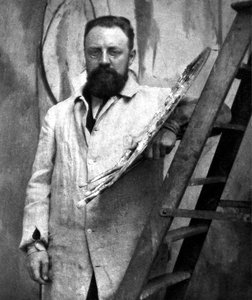
1869–1954, Francja
Henri Matisse
Wczesne lata Henri Matisse Henri Matisse przyszedł na świat 31 grudnia 1869 roku w tkackiej chatce przy rue du Chêne Arnaud. Ten niewielki dom w Le Cateau-Cambrésis we Francji stał się punktem wyjścia dla życia, które ostatecznie oddaliło się daleko od spokoju departamentu Nord. Jako najstarszy syn zamożnego kupca zbożowego, urodził się w rodzinie zajmującej się stabilnym, praktycznym handlem ziemią. Jego wczesne lata upłynęły w Bohain-en-Vermandois w regionie Picardie, w miejscu, gdzie rytm życia wyznaczały pory roku oraz potrzeby rodzinnego biznesu.
Inne prace Henri Matisse
 Taniec (II)1910
 Kobieta z kapelusem1905
 Radość życia (Le bonheur de vivre)1906
 Harmonia w czerwieni1908
Eseje o André derain
 Masterpieces of Color: The Top 25 Henri Matisse ArtworksImmerse yourself in the vibrant world of Henri Matisse. Explore our curated list of 25 iconic Fauvist masterpieces, from bold oil paintings…
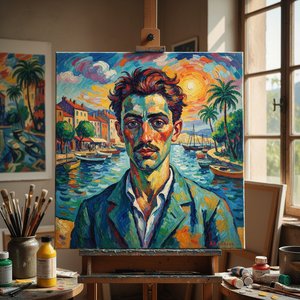 André Derain: Fauvism's Bold Visionary & the Evolution of Modern ColorExplore the revolutionary art of André Derain, co-founder of Fauvism. Discover his bold use of color, evolution from radical expressionism …
 Fauvism and Cubism: Distinguishing Color Revolution from Spatial AnalysisMaster the core differences between Fauvism and Cubism through expert analysis. Discover how color and space redefined modern art today.