
 Podgląd w skali 1:1
 Wyślij jako kartkę
 Udostępnij
 Szczegóły dzieła
 Przewodnik

 Pobierz obraz
 Podobne obiekty
 RTG
RTG Pokaz slajdów
 Pytania i odpowiedzi
 Statystyki
The Annunciation


 Rozwiń treść
Giclée / Wydruk artystyczny
Wydruki giclée lub płótna o jakości muzealnej, szybka realizacja i szeroki wybór opcji wykończenia. ( Zamów ręcznie malowaną reprodukcję Przejdź do wersji cyfrowej)




P118B zł10

P118H zł10

P118W zł10

P438Z zł10

P508JH zł12

P508YH zł12

P805H zł10

P805Z zł10

P919BZ zł10

P919G zł10

P919XJ zł10

P959ZH zł10

P968JZ zł12

W106C zł8

W218G zł10

W218JH zł8

W218Y zł10

W307PJ zł10

W316G zł10

W316PJ zł8

W316Y zł10

W398PJ zł8

W4111J zł10

W500HY zł15

W500JH zł15

W692G zł12

W849H zł8

W940BG zł15

W953PJ zł8




Wybierz spośród naszych standardowych rozmiarów, które zachowują oryginalne proporcje dzieła sztuki.

Wpisz wymaganą szerokość i wysokość, aby dopasować grafikę do ramy lub ściany. Wydruk można jedynie przyciąć, nigdy nie powiększając go poza oryginalny obraz, dlatego format o innych proporcjach spowoduje utratę części kompozycji. Przed rozpoczęciem druku prześlemy Ci cyfrowy podgląd do zatwierdzenia. Obraz wyświetlany na tej stronie nie pokazuje rzeczywistego przycięcia — jedynie podgląd oddaje ten efekt.
Dostawa na cały świat () w ciągu 2 tygodni zamiast standardowych 4/5 tygodni. (3 Listopad)

Bezpłatna ekspresowa wysyłka na cały świat

Wysokiej jakości płótno lniane

Pełne ubezpieczenie przesyłki

Gwarancja zwrotu należności celnych i podatków importowych

Gwarancja wiernego odwzorowania kolorów

100-dniowa polityka zwrotów (tylko w przypadku wad)

Gwarancja 100% zwrotu pieniędzy

Zniżka przy zakupie wielu sztuk
 Opcja ze szkłem jest dostępna wyłącznie w rozmiarach poniżej 110 cm

The Annunciation
Giclée / Wydruk artystyczny
Wymiary reprodukcji
-


Cena całkowita
zł 317
A Moment of Divine Revelation: The Annunciation by Hendrick Terbrugghen
Hendrick Terbrugghen’s “The Annunciation,” completed in 1629, is more than just a religious painting; it's a profound exploration of faith, humility, and the transformative power of divine communication. Painted during his tragically short life – he died at the age of forty-one – this work stands as a testament to Terbrugghen’s mastery of Baroque style and his ability to imbue biblical narratives with palpable emotion. The painting resides within the Stadsmuseum De Hofstadt in Diest, Belgium, offering visitors a rare opportunity to witness firsthand the dramatic intensity and exquisite detail that define this iconic piece.
The scene depicts the pivotal moment when the Archangel Gabriel appears to Mary, informing her of her impending role as the mother of Jesus. Gabriel, positioned slightly to the left, extends his hand towards Mary, presenting a delicate lily – a potent symbol of purity and grace. Mary, kneeling in reverence on the right, is rendered with an almost ethereal beauty, her expression a mixture of surprise, apprehension, and profound acceptance. The composition is carefully balanced, drawing the eye from Gabriel’s gesture to Mary's face and then back again, creating a dynamic visual flow that underscores the significance of this encounter.
Baroque Drama: Light, Shadow, and Composition
Terbrugghen was deeply influenced by Caravaggio, adopting his signature use of dramatic chiaroscuro – the stark contrast between light and shadow. This technique is brilliantly employed here to sculpt the figures, creating a sense of three-dimensionality and emphasizing their emotional states. The light source, unseen but powerfully felt, originates from above and slightly to the left, casting long shadows that define the folds of drapery, the contours of faces, and the architectural elements within the room. The painting’s composition adheres closely to classical principles, utilizing a pyramidal structure to create stability and harmony while simultaneously injecting dynamism through the figures' poses and gestures.
Notice the meticulous attention to detail in the rendering of textures – the velvet robes, the polished wood of the table, the delicate petals of the lily. Terbrugghen’s brushwork is remarkably refined, layering colors with a subtle glazing technique that produces a luminous quality. The use of muted earth tones—ochres, browns, and golds—is punctuated by highlights of white, creating a rich and visually arresting palette. The background, rendered in deep blues and purples, serves to heighten the drama of the foreground figures, drawing the viewer’s attention to the central event.
Symbolism and Spiritual Depth
Beyond its technical brilliance, “The Annunciation” is rich in symbolic meaning. The lily itself represents Mary's purity and virginity, a crucial element in understanding her acceptance of God’s will. Gabriel’s gesture – the offering of the lily – symbolizes divine grace and the promise of salvation. The setting—a modestly furnished room with a table laden with books—suggests a space of contemplation and spiritual significance. The inclusion of architectural details, such as the arched doorway and the window in the background, further reinforces the painting’s religious context.
Furthermore, the painting speaks to themes of humility, faith, and the acceptance of divine will. Mary's response – “Be it unto me according to thy word” – embodies a profound sense of trust and obedience. “The Annunciation” is not merely a depiction of a biblical event; it’s an invitation to contemplate the mysteries of faith and the transformative power of grace. It remains a powerful and moving work, resonating with viewers centuries after its creation.
A Legacy of Baroque Beauty
Hendrick Terbrugghen's “The Annunciation” is a cornerstone of Dutch Golden Age painting, showcasing his exceptional talent and his deep understanding of Caravaggio’s influence. Reproductions of this masterpiece capture the drama, emotion, and exquisite detail that define its enduring appeal. Whether displayed in a grand salon or a more intimate setting, "The Annunciation" continues to inspire awe and contemplation, reminding us of the profound beauty and spiritual depth found within religious art.
Pytania i odpowiedzi
Jakie emocje przekazuje „The Annunciation” – Hendrick Terbrugghen?
„The Annunciation” budzi Spiritual emocje. Ton emocjonalny opisuje wrażenie, jakie wywołuje to dzieło.
Jaki jest ogólny nastrój dzieła „The Annunciation” – Hendrick Terbrugghen?
Nastrój dzieła „The Annunciation” – Hendrick Terbrugghen opisuje się jako Romantic. Klasyfikacja ta może pomóc w dopasowaniu pracy do konkretnego wnętrza.
Jaki klimat wnosi „The Annunciation” – Hendrick Terbrugghen do wnętrza?
„The Annunciation” – Hendrick Terbrugghen ma Romantic atmosferę i jest polecane do Living Room. Nastrój to to, co dzieło wnosi do otaczającej je przestrzeni.
Biografia artysty
Wczesne lata i inspiracje
Hendrick Jansz Terbrugghen, wybitna postać malarstwa holenderskiego Złotego Wieku, przyszedł na świat w 1588 roku w Overijssel, w Niderlandach. Jego ojciec, Jan Egbertsz Terbrugghen, pełnił funkcję sekretarza na dworze w Utrechtu u boku księcia Wilhelma Milczącego. To bliskie obcowanie z dworską kulturą prawdopodobnie ukształtowało w Hendricku wczesną pasję do sztuki.Kariera artystyczna i styl
Artystyczna wędrówka Terbrugghena rozpoczęła się od studiów pod okiem Abrahama Bloemaerta, malarza manierystycznego. Z czasem artysta stał się jednym z czołowych przedstawicieli utrechckich karawagistów – grupy holenderskich mistrzów zainspirowanych dramatyzmem Caravaggia. Jego twórczość wyróżnia się niezwykłym wykorzystaniem światłocienia, co możemy podziwiać w takich dziełach jak Zwiastowanie (Alte Pinakothek, Monachium, Niemcy) czy Biesiadnik (Alte Pinakothek, Monachium, Niemcy).Wybitne dzieła i dziedzictwo
* Grający na lutni (The Kremer Collection, Amsterdam, Holandia), będący autorską repliką obrazu znajdującego się w National Gallery w Londynie, który zachwyca bogatą kolorystyką. * Zwiastowanie, arcydzieło będące świadectwem jego mistrzostwa w operowaniu stylem Caravaggia. Wpływ na późniejszych artystów: Twórczość Terbrugghena wywarła głęboki wpływ na późniejsze pokolenia malarzy, w tym na Rembrandta van Rijna, którego słynny obraz Straż nocna (Rijksmuseum, Amsterdam, Holandia) stanowi dowód na trwałe dziedzictwo utrechckich karawagistów.Muzea i kolekcje prezentujące dzieła Terbrugghena
* Mauritshuis (Haga, Holandia), gdzie można podziwiać prace takie jak Nimfa i satyr autorstwa Sir Petera Paula Rubensa. * Kolekcja Kremera (Amsterdam, Holandia), w której znajduje się dzieło Terbrugghena Grający na lutni.- Odkryj więcej dzieł Terbrugghena na OriginalUniqueArt.com
- Poznaj malarstwo holenderskiego Złotego Wieku i jego wpływy w sekcji historii sztuki OriginalUniqueArt.com
- Dowiedz się więcej o innych artystach, takich jak Dirck van Baburen, współtowarzysz z grupy utrechckich karawagistów, na OriginalUniqueArt.com
Podsumowanie
Enigmatyczne życie Terbrugghena oraz jego znaczący wkład w malarstwo holenderskiego Złotego Wieku pozostawiły niezatarte piętno w historii sztuki. Jego dramatyczne operowanie światłem i cieniem nieustannie inspiruje artystów i miłośników piękna, czyniąc go fascynującą postacią w świecie sztuki.
Hendrick Terbrugghen
1627 - 1629 , Holandia
Krótka nota
- Artistic Movement Or Style: Malarstwo Caravaggistów
- Artists Or Movements Influenced By This Artist: Rembrandt van Rijn
- Artists Who Influenced This Artist: Abraham Bloemaert
- Date Of Birth: 1588
- Date Of Death: listopad 1629
- Full Name: Hendrick Jansz Terbrugghen
- Nationality: Holender
- Notable Artworks:
- Grający na lutni
- Zwiastowanie
- Dawid wychwalany przez Izraelitki
- Place Of Birth: Overijssel, Holandia
Powiązane artykuły
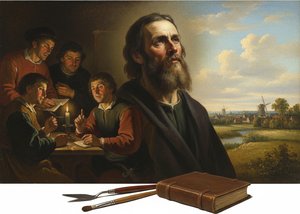
Hendrick Terbrugghen: Caravaggism, Spirituality & the Dutch Golden Age Painter's Evolving Style
Explore the captivating world of Hendrick Terbrugghen, a leading Dutch Golden Age painter influenced by Caravaggio. Discover his dramatic use of light, spiritual depth & lasting legacy. Learn more at OriginalUniqueArt.

Holenderski Barok: 10 Arcydzieł, Które Zdefiniowały Epokę | OriginalUniqueArt
Poznaj 10 arcydzieł holenderskiego baroku! Odkryj historie Rembrandta, Vermeera i innych mistrzów XVII wieku. Reprodukcje obrazów najwyższej jakości – idealne do Twojego wnętrza. OriginalUniqueArt.com

Złoty Wiek Holandii: 10 arcydzieł, które zmieniły historię sztuki | OriginalUniqueArt.com
Odkryj 10 arcydzieł Złotego Wieku Holandii! Poznaj historię Rembrandta, Vermeera i innych mistrzów. Reprodukcje obrazów najwyższej jakości do Twojego wnętrza – OriginalUniqueArt.com.

Złoty Wiek Niderlandów: Światło, Realizm i Kulturowe Innowacje w Malarstwie Barokowym
Odkryj fascynujący świat malarstwa holenderskiego Złotego Wieku! Poznaj arcydzieła Rembrandta, Vermeera i innych mistrzów. Analiza technik, gatunków i wpływu na sztukę europejską.

Golden Light & Dutch Skies: The Timeless Magic of Dutch Golden Age Landscapes
Discover the breathtaking beauty of Dutch Golden Age landscapes. Explore the mastery of light, chiaroscuro, and 17th-century realism through an expert art history lens, celebrating the enduring legacy of the Dutch Masters for discerning collectors and art lovers.
