 Podgląd w skali 1:1
 Wyślij jako kartkę
 Udostępnij
 Szczegóły dzieła
 Przewodnik

 Pobierz obraz
 Podobne obiekty
 RTG
RTG Pokaz slajdów
 Pytania i odpowiedzi
 Statystyki
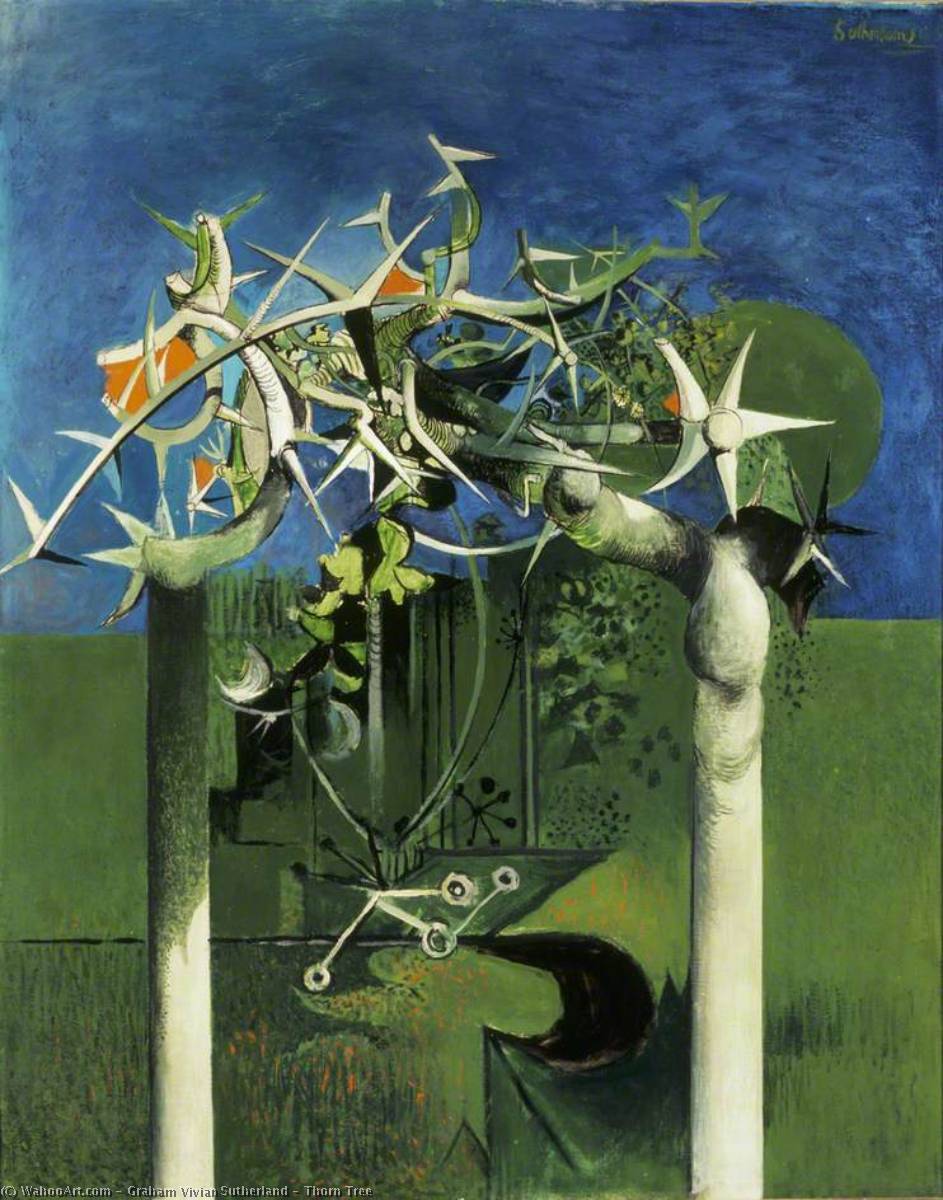
Thorn Tree

- 127.0 x 102.0 cm


 Rozwiń treść
Otrzymaj plik gotowy do druku, którego jakość znacznie przewyższa podgląd internetowy. Każdy sprzedawany przez nas obraz cyfrowy pochodzi z wysokorozdzielczego pliku wzorcowego w naszej bazie — zazwyczaj o szerokości od 5 000 do 15 000 pikseli — dzięki czemu możesz drukować w dużym formacie, mocno kadrować lub z pełnym przekonaniem odwzorowywać najdrobniejsze detale.
Żaden plik nie opuszcza naszego studia bez odpowiedniej obróbki. Ekspert ds. cyfrowej edycji sprawdza zgodność kolorów z oryginałem i w razie potrzeby je koryguje, a następnie za pomocą profesjonalnych narzędzi do retuszu poprawia ostrość oraz szczegółowość — zawsze zachowując wierność pociągnięciom pędzla i stylowi artysty. Rezultatem jest obraz, który wygląda jak prawdziwe dzieło, a nie jak przefiltrowany skan.
Zatwierdzasz przed finalizacją zamówienia: nasz ekspert prześle obraz drogą mailową w ciągu 72 godzin do Twojego wglądu. Nie jesteś zadowolony? Poproś o poprawki lub korektę, bądź o zwrot kosztów, jeśli jakość nie spełnia oczekiwań.
To jakość, na której polegają wydawcy, studia projektowe, galerie oraz drukarnie.
Obraz cyfrowy
Pobierz plik o wysokiej rozdzielczości do osobistego użytku, druku oraz projektów kreatywnych. ( Przełącz na wydania drukowane Zamów ręcznie malowaną reprodukcję)
W każdym zamówieniu na obraz cyfrowy znajduje się
Profesjonalna dostawa cyfrowa z gwarancją
Wybierając OriginalUniqueArt.com, nie otrzymujesz jedynie obrazu – otrzymujesz profesjonalnie udoskonalone cyfrowe dzieło sztuki, stworzone z najwyższą precyzją i objęte gwarancją satysfakcji. Oto wszystko, co automatycznie dołączane jest do Twojego zamówienia:

Błyskawiczna wysyłka e-mailowa
Plik z obrazem cyfrowym w wysokiej rozdzielczości zostanie przesłany na Twój adres e-mail w ciągu 72 godzin od złożenia zamówienia – gotowy do natychmiastowego użycia.

Plik cyfrowy wzbogacony przez AI
Twoja grafika została profesjonalnie zoptymalizowana przy użyciu zaawansowanych narzędzi AI oraz ręcznej edycji, co zapewnia maksymalną szczegółowość, klarowność i wierność kolorów.

Darmowe ponowne przesyłki dożywotnio
Przypadkowo usunąłeś lub zgubiłeś swój plik? Bez obaw – prześlemy go Tobie ponownie w dowolnym momencie, bez żadnych opłat.

Bez opłat importowych – zawsze
Ciesz się swoją sztuką natychmiast, bez żadnych opłat celnych, należności ani kosztów dostawy – pliki cyfrowe są zawsze wolne od podatku.

Gwarancja wierności kolorów
Dzięki zastosowaniu profesjonalnych narzędzi i procesów zarządzania barwą zapewniamy, że Twoje cyfrowe zdjęcie odzwierciedla oryginalne kolory tak wiernie, jak to tylko możliwe.

Gwarancja satysfakcji przez 100 dni
Jeśli nie będziesz zadowolony ze swojego cyfrowego obrazu, dokonamy jego poprawki lub zwrócimy 100% kosztów w ciągu 100 dni – bez zbędnych pytań.

100% Gwarancja zwrotu pieniędzy
Nie jesteś zadowolony? Otrzymaj pełny zwrot kosztów w ciągu 100 dni od otrzymania pliku cyfrowego – bez zbędnych pytań.

Rabaty przy zamówieniach hurtowych
Kup 3 obrazy, oszczędź 10% - Kup 5, oszczędź 15% - Kup 10+, oszczędź 20%. Idealne do projektów kreatywnych, galerii i agencji.
A Vision of Verdant Mystery: Graham Vivian Sutherland’s “Thorn Tree”
Graham Vivian Sutherland's "Thorn Tree," painted in 1946, isn’t merely a landscape; it’s an immersion into the heart of Pembrokeshire’s rugged beauty, filtered through the uniquely perceptive eye of one of Britain’s most significant modern artists. This oil on canvas work transcends simple representation, offering instead a deeply layered exploration of nature's inherent strangeness and the quiet drama of the natural world. Sutherland, a master of Neo-Romanticism, skillfully blends the traditional English landscape tradition with the subtle influences of Surrealism and Expressionism – a combination that resulted in powerfully evocative and often unsettling images.
The painting immediately draws the viewer into a dense, almost claustrophobic woodland scene. Towering trees dominate the composition, their branches intertwining to create a complex network of shadows and light. The leaves themselves are rendered with meticulous detail, yet they possess an unnerving quality – not quite realistic, but hinting at something beyond the purely botanical. Birds, perched precariously amongst the foliage, add to the sense of unease and suggest a hidden life within this seemingly still landscape. Sutherland’s use of color is particularly striking; predominantly greens—ranging from deep emerald to muted olive—create an atmosphere of both lushness and melancholy. Subtle hints of brown and grey ground the scene, anchoring it in the earth while simultaneously emphasizing its isolation.
The Painter's Process: Technique and Style
Sutherland’s technique is characterized by a remarkable sensitivity to light and texture. He employed a broken brushstroke method, layering thin washes of paint to build up form and create a shimmering effect that captures the dappled sunlight filtering through the trees. The canvas itself appears almost alive with movement – not in a frenetic way, but rather through the careful manipulation of color and tone. The painting’s surface is rich with impasto—thickly applied paint—particularly around the branches and leaves, giving them a tangible presence. This tactile quality invites the viewer to reach out and touch the scene, blurring the line between observation and participation.
Notably, Sutherland's work during this period reflects his deep connection to Pembrokeshire, a region he revisited repeatedly throughout his career. He wasn’t simply documenting the landscape; he was attempting to capture its essence—its mood, its mystery, and its inherent sense of solitude. The painting embodies a shift in artistic focus away from purely representational art towards a more subjective interpretation of reality.
Symbolism and Interpretation
“Thorn Tree” is rich with symbolic potential. The thorns themselves are a potent motif—representing both defense and pain, beauty and danger. They suggest a world where nature isn’t always benevolent, but rather holds its own secrets and challenges. The birds, often associated with freedom and spirituality, seem trapped within the dense foliage, hinting at a longing for escape. The overall composition can be interpreted as an allegory of the human condition—a struggle to find meaning and connection in a world that is both beautiful and unsettling.
Furthermore, the painting’s creation coincided with post-war Britain, a period marked by uncertainty and social upheaval. Sutherland's exploration of nature’s complexities can be seen as a reflection of this broader sense of disorientation—a search for stability and meaning amidst chaos. The painting’s enduring appeal lies in its ability to resonate with viewers on multiple levels, prompting contemplation about the relationship between humanity and the natural world.
A Timeless Masterpiece: Reproduction and Display
"Thorn Tree" is a captivating work that would be an exceptional addition to any art collection or interior space. Reproductions of this painting capture much of its original power, offering a way to bring Sutherland’s vision into your home. When selecting a reproduction, consider the quality of the print and the canvas material—a fine-art giclée on archival canvas will best preserve the artwork's colors and detail. The painting’s evocative atmosphere would complement a variety of interior styles, from modern minimalist spaces to more traditional settings. Its subtle color palette and complex composition create a focal point that invites contemplation and adds a touch of understated elegance to any room.
Pytania i odpowiedzi
Jakie umiejscowienie najlepiej pasuje do formatu dzieła „Thorn Tree” – Graham Vivian Sutherland?
Format Portrait dzieła „Thorn Tree” – Graham Vivian Sutherland jest rekomendowany do Living Room. Format oraz przestrzeń wspólnie pomagają w odpowiednim rozmieszczeniu reprodukcji.
Gdzie mogę znaleźć przewodnik do "Thorn Tree"?
Przewodnik po "Thorn Tree" to strona Karta informacyjna dla uczniów dzieła sztuki – nadrukowalna karta informacyjna zawierająca opis utworu, informacje o autorstwie oraz tabelę danych (artysta, daty, technika, wymiary oryginału, kolekcja).
Do czego zaleca się wykorzystanie wydruku "Thorn Tree"?
Sugerowanym zastosowaniem dla „Thorn Tree” – Graham Vivian Sutherland jest Statement, choć może on służyć również do innych celów.
Biografia artysty
Wizjonerskie krajobrazy Grahama Viviana Sutherlanda
Graham Vivian Sutherland, tytan brytyjskiego modernizmu, posiadał rzadką zdolność przekształcania znanych konturów świata natury w coś głęboko niepokojącego i niezwykle duchowego. Urodzony w 1903 roku w Streatham w Londynie, przeszedł drogę nieustannej metamorfozy. Choć jego wczesne lata kształtowała klasyczna edukacja w Epsom College, jego prawdziwe powołanie wyłoniło się daleko poza prawniczym kręgiem jego rodziny. Pierwsze kroki w technicznym świecie praktyki zawodowej w warsztatach lokomotyw Midland Railway dostarczyły mu fundamentu precyzji, która później objawiła się w jego zawiłych grafikach i bogatych w teksturę obrazach olejnych. Przechodząc do Goldsmiths' School of Art, Sutherland zaczął odchodzić od tradycyjnej reprezentacji, czując przyciąganie do ewokatywnej mocy miedziorytu i akwaforty.
Wczesna estetyka artysty była głęboko zakorzeniona w romantyzmie Samuela Palmera, jednak odmówił on pozostania uwięzionym w przeszłości. Zamiast tego, Sutherland stał się pomostem między angielską tradycją pasterską a radykalną energią europejskich ruchów awangardowych. Przyswajając oniryczną logikę surrealizmu oraz surową emocjonalność ekspresjonizmu, wypracował język wizualny, który potrafił uchwycić zarówno fizyczny krajobraz, jak i stan psychiczny. Jego wczesne grafiki, charakteryzujące się poczuciem tajemnicy i organiczną formą, położyły podwaliny pod karierę zdefiniowaną przez obsesję na punkcie „obcości” natury – motywu, który stał się jego najtrwalszym dziedzictwem.
Cień natury i lata wojny
Lata 40. XX wieku stanowiły przełomowy okres w rozwoju Sutherlanda, gdy jego uwaga przeniosła się z delikatnego medium grafiki na wizceralne, impastowe tekstury malarstwa olejnego. To właśnie w tym czasie surowe, smagane wiatrem krajobrazy Pembrokes_keshire stały się jego główną muzą. W dziełach takich jak Thorn Tree, można podziwiać mistrzostwo artysty w łączeniu botanicznej rzeczywistości z surrealistyczną deformacją. Nie malował on jedynie drzew; malował napięcie, walkę i szkieletową architekturę samego życia. Ten okres przyniósł mu przejście ku bardziej abstrakcyjnemu, a jednak głęboko symbolicznemu sposobowi widzenia, w którym ciernie, korzenie i powykręcane gałęzie służyły jako metafory ludzkiej kruchości i odporności.
Druga wojna światowa wprowadziła do jego twórczości inny, bardziej ponury wymiar. Służąc jako oficjalny artysta wojny, Sutherland skierował swój wzrok na przemysłowe i często upiorne sceny brytyjskiego frontu wewnętrznego. Jego obrazy z tej ery, takie jak Flying Bomb Depot The Caverns, są popisami budowania atmosfery. Poprzez gęste tekstury i paletę barw przywołującą zarówno rozkład, jak i trwogę, uchwycił on upiorną pustkę wojennych wnętrz. Dzieła te nie były jedynie dokumentacją; stanowiły psychologiczne portrety epoki naznaczonej lękiem i nadciągającą obecnością zniszczenia, odzwierciedlając pofragmentowaną rzeczywistość świata pogrążonego w wojnie.
Dziedzictwo symbolizmu i wielkości
W latach powojennych twórczość Sutherlanda wzbiła się na nowe szczyty znaczenia duchowego i publicznego. Zaczął on integrować symbolikę religijną z motywami organicznymi, tworząc potężną syntezę sacrum i natury. Ukoronowaniem tego procesu było jedno z jego najbardziej monumentalnych osiągnięć: projekt ogromnej centralnej tkaniny dla nowej katedry w Coventry, zatytułowany Christ in Glory in the Tetramorph. Dzieło to, wykorzystujące jego zdolność do operowania formą i kolorem na wielką skalę, pozostaje świadectwem jego roli w kulturowej odbudowie powojennej Brytanii.
W trakcie swojej płodnej kariery wszechstronność Sutherlanda pozwoliła mu pozostawić niezatarte piętno w wielu dyscyplinach:
- Portret: Jego zdolność do uchwycenia psychologicznej głębi postaci publicznych, takich jak pełen godności i melancholii Somerset Maugham.
- Grafika: Całożyciowe oddanie precyzji akwaforty i miedziorytu, które ukształtowało jego poczucie linii i struktury.
- Sztuka dekoracyjna: Jego wkład w projektowanie tkanin oraz sztukę szkła, wprowadzający nowoczesną abstrakcję w sferę funkcjonalnego piękna.
Ostatecznie Graham Sutherland pozostaje filarem sztuki XX wieku, ponieważ odważył się spojrzeć pod powierzchnię krajobrazu. Odnalazł surrealizm w tym, co rzeczywiste, i boskość w tym, co organiczne. Jego dziedzictwo nie znajduje się jedynie w muzeach, lecz w sposobie, w jaki postrzegamy ukryte, często poszarpane piękno otaczającego nas świata – świata, w którym każdy cierń niesie ze sobą opowieść, a każdy cień skrywa tajemnicę.

Graham Vivian Sutherland
1903 - 1980 , Wielka Brytania
Krótka nota
- Artistic Movement Or Style: Surrealism
- Artists Or Movements Influenced By This Artist: ['Paul Nash']
- Artists Who Influenced This Artist:
- Samuel Palmer
- F.L. Griggs
- Date Of Birth: August 24, 1903
- Date Of Death: February 17, 1980
- Full Name: Graham Vivian Sutherland
- Nationality: British
- Notable Artworks:
- Flying Bomb Depot
- Entrance to a Lane
- Place Of Birth: London, England