Zobacz w skali 1:1
 Wyślij
 Udostępnij
 Szczegóły
 Przewodnik

 Pobierz plik obrazu
 Podobne obiekty
 RTG
RTG Pokaz slajdów
 Statystyki
The Cook
 Acrylic On Canvas
- WallArt
- Renaissance Mannerism
 1570
1570 53.0 x 41.0 cm
 Narodowe Muzeum Sztuki i Design w Szwecji
 Czytaj więcej
Giclée / Wydruk artystyczny
Wydruki giclée lub płótna o jakości muzealnej, szybka realizacja i szeroki wybór opcji wykończenia. ( Kup ręcznie malowany obraz Przełącz na wersję cyfrową)




P118B zł10

P118H zł10

P118W zł10

P438Z zł10

P508JH zł12

P508YH zł12

P805H zł10

P805Z zł10

P919BZ zł10

P919G zł10

P919XJ zł10

P959ZH zł10

P968JZ zł12

W106C zł8

W218G zł10

W218JH zł8

W218Y zł10

W307PJ zł10

W316G zł10

W316PJ zł8

W316Y zł10

W398PJ zł8

W4111J zł10

W500HY zł15

W500JH zł15

W692G zł12

W849H zł8

W940BG zł15

W953PJ zł8




Wybierz spośród naszych standardowych rozmiarów, które zachowują oryginalne proporcje dzieła sztuki.

Wpisz wymaganą szerokość i wysokość, aby dopasować grafikę do ramy lub ściany. Wydruk można jedynie przyciąć, nigdy nie powiększając go poza oryginalny obraz, dlatego format o innym proporcji spowoduje utratę części kompozycji. Przed rozpoczęciem druku prześlemy Ci cyfrowy podgląd do zatwierdzenia. Obraz wyświetlany na tej stronie nie pokazuje rzeczywistego przycięcia — jedynie podgląd oddaje ten efekt.
Dostawa na cały świat () w ciągu 2 tygodni zamiast standardowych 4/5 tygodni. (22 Październik)

Bezpłatna ekspresowa wysyłka na cały świat

Wysokiej jakości płótno lniane

Pełne ubezpieczenie transportowe

Gwarancja zwrotu należności celnych i podatków importowych

Gwarancja idealnego odwzorowania barw

100-dniowy okres na zwrot dzieła w przypadku wykrycia wad produkcyjnych

Gwarancja 100% zwrotu pieniędzy

Oferta przy zakupie wielu sztuk
 Opcja ze szkłem jest dostępna wyłącznie w rozmiarach poniżej 110 cm

The Cook
Giclée / Wydruk artystyczny
Rozmiar reprodukcji
-


Suma do zapłaty
zł 307
The Culinary Portrait: Giuseppe Arcimboldo’s “The Cook”
Giuseppe Arcimboldo's "The Cook," painted around 1570 and now residing in the Nationalmuseum of Stockholm, isn’t merely a still life; it’s a meticulously constructed illusion, a vibrant testament to the Renaissance fascination with metamorphosis and symbolic representation. More than just a depiction of roasted meats arranged within a human form, this painting is an invitation into a world where art transcends the boundaries of realism and embraces the power of suggestion.
At first glance, the image presents a somewhat grotesque, yet undeniably compelling, male head. However, a subtle shift in perspective – turning the canvas upside down – reveals a startling transformation: the figure’s eye becomes the watchful gaze of a chicken, the nose morphs into a plump turkey, and the mouth is framed by a generous helping of sausages. This ingenious visual trickery, known as pareidolia, immediately draws attention to Arcimboldo's masterful manipulation of form and his profound understanding of how viewers perceive images. The arrangement isn’t random; each element – the glistening cuts of meat, the vibrant vegetables, the carefully positioned fruits – contributes to a larger narrative, hinting at abundance, feasting, and perhaps even the fleeting nature of earthly pleasures.
A Renaissance Riddle: Symbolism and Context
Arcimboldo’s work emerged during a period of intense intellectual ferment in Europe. The Renaissance witnessed a renewed interest in classical antiquity, alongside burgeoning scientific inquiry and philosophical speculation. The concept of *memento mori* – the reminder of mortality – was prevalent, prompting artists to explore themes of transience and decay. Arcimboldo’s “The Cook” can be interpreted through this lens, with its emphasis on perishable goods serving as a poignant meditation on the ephemeral nature of life.
Furthermore, the painting reflects the lavish tastes and conspicuous consumption of the European courts during the late 16th century. Emperors Rudolf II and Maximilian I were renowned for their extravagant collections of exotic objects – animals, plants, minerals, and artworks – which served as symbols of power and prestige. Arcimboldo’s portraits, often commissioned by these rulers, cleverly incorporated elements from their personal collections, transforming everyday items into elaborate allegories.
Technique and Artistic Innovation
Arcimboldo's technique was remarkably innovative for his time. He employed a meticulous layering of oil paint on panel, painstakingly arranging each object to create the illusion of depth and volume. The use of vibrant colors – rich reds, browns, yellows, and greens – further enhances the painting’s visual impact. Crucially, he didn't simply glue or attach objects; he painted them directly onto the surface, seamlessly integrating them into the overall composition.
The artist’s skill lies not only in his technical proficiency but also in his ability to manipulate perspective and create a convincing illusion of three-dimensionality. The careful positioning of each element – from the glistening cuts of meat to the delicate arrangement of fruits – contributes to the painting's overall sense of realism, despite its fantastical nature. It’s a testament to Arcimboldo’s artistic vision that he could transform disparate objects into a cohesive and compelling portrait.
A Timeless Masterpiece: Emotional Resonance
"The Cook" transcends mere visual spectacle; it evokes a complex range of emotions. The painting's humor, combined with its subtle melancholy, invites viewers to contemplate the beauty and fragility of life. There’s an element of playful trickery, but also a deeper sense of reflection on mortality and the transient nature of earthly pleasures.
Arcimboldo’s work continues to fascinate audiences today, demonstrating his enduring artistic genius and his ability to create images that are both intellectually stimulating and emotionally resonant. Whether viewed as a whimsical portrait or a profound meditation on life and death, “The Cook” remains a captivating masterpiece of the Renaissance era.
Pytania i odpowiedzi
Czy „The Cook” autorstwa Giuseppe Arcimboldo znajduje się w domenie publicznej?
Jeśli chodzi o prawa autorskie, "The Cook" znajduje się w stanowi domenę publiczną – autorskie prawa majątkowe wygasły.
Ile światła zdają się odbijać kolory dzieła "The Cook"?
Jasność zarejestrowana dla „The Cook” autorstwa Giuseppe Arcimboldo wynosi Dark.
Czy prawa autorskie do „The Cook” autorstwa Giuseppe Arcimboldo pozwalają na tworzenie reprodukcji?
Oryginał dzieła „The Cook” znajduje się w Narodowe Muzeum Sztuki i Design w Szwecji, a utwór jest stanowi domenę publiczną – autorskie prawa majątkowe wygasły.
Biografia artysty
Giuseppe Arcimboldo: A Master of Illusion and Symbol
Giuseppe Arcimboldo, a name synonymous with captivating visual puzzles and surreal portraits, remains one of the most singular figures in Renaissance art. Born in Milan in 1527, his life unfolded against the backdrop of a Europe brimming with intellectual curiosity, religious upheaval, and an insatiable desire to understand the natural world. Initially recognized for his skill in creating frescoes for churches and designing stained glass windows, Arcimboldo’s enduring legacy rests upon a series of extraordinary composite heads—elaborate portraits constructed entirely from meticulously arranged objects: fruits, vegetables, flowers, books, musical instruments, and even entire landscapes. These weren't mere tricks of the eye; they were complex allegories, imbued with layers of symbolism that resonated deeply within the Renaissance worldview and continue to intrigue viewers today. His father, Biagio Arcimboldo, a painter himself, provided young Giuseppe with an early artistic foundation, likely influencing his initial explorations in design and decorative arts. This foundational experience honed his technical skills and developed his keen eye for detail—qualities that would become central to the distinctive style he would later cultivate.Courtly Patronage and Artistic Evolution
Arcimboldo’s career trajectory took a dramatic turn in 1562 when he was appointed court portraitist to Ferdinand I, the Archduke of Austria, at the Habsburg court in Vienna. This appointment marked a pivotal moment, transforming him from a regional artist into a sought-after figure within the most powerful family in Europe. Over the next two decades, he served as an artistic polymath for three successive Habsburg rulers: Maximilian II and his son, Rudolf II—both known for their intellectual pursuits and extravagant tastes. This courtly environment provided Arcimboldo with unprecedented opportunities to expand his creative horizons beyond traditional portraiture. He was tasked not only with painting portraits of the emperors but also with designing elaborate costumes for festivals, decorating imperial halls, organizing vast collections of art and curiosities, and even overseeing theatrical productions. It was within this atmosphere of refined taste and intellectual stimulation that Arcimboldo’s signature style began to fully develop—a unique blend of technical mastery, symbolic complexity, and playful visual wit. The Habsburg court's demand for novelty and spectacle fueled his experimentation, pushing him beyond conventional artistic boundaries and towards the creation of his iconic composite heads.Decoding the Language of Objects: Symbolism and Allegory
Arcimboldo’s portraits are far more than simple visual illusions; they are intricate allegories laden with symbolic meaning. Each object meticulously arranged within a head—whether it's a cluster of fruits, a stack of books, or a collection of musical instruments—represents something deeper, reflecting the sitter’s character, profession, social status, or even broader philosophical concepts. For example, his portrait of Rudolf II as *Vertumnus*, the Roman god of gardens and seasons, is not merely a depiction of the emperor; it's a complex meditation on transformation, abundance, and the cyclical nature of life. The carefully chosen fruits and vegetables—pears, plums, melons, hazelnuts—each carry specific symbolic associations within Renaissance iconography, contributing to the overall message of the portrait. Similarly, his *The Librarian* is not simply a face constructed from books; it’s a subtle critique of scholarly pretension—a commentary on those who amass knowledge without truly engaging with its content. The animal tails forming the beard represent dusters, hinting at neglected volumes gathering dust on shelves. Arcimboldo's work was deeply rooted in Renaissance Neoplatonism, which emphasized the interconnectedness of all things and sought to reveal hidden harmonies within the natural world. His portraits were designed to provoke contemplation, inviting viewers to unravel layers of meaning concealed beneath the seemingly playful arrangement of objects.The Rise of Surrealism: A Precursor to a New Vision
Despite his considerable success during his lifetime, Arcimboldo’s work largely faded from public awareness in the centuries following his death in 1593. His paintings were often dismissed as curiosities—appreciated for their technical skill but lacking serious artistic merit. It wasn't until the early 20th century that a renewed appreciation for his art emerged, fueled by the rise of Surrealism. Artists like Salvador Dalí recognized in Arcimboldo a kindred spirit—a visionary who dared to challenge conventional perceptions and explore the subconscious through unexpected juxtapositions of imagery. Dalí’s own dreamlike compositions and fascination with metamorphosis and illusion owe a significant debt to Arcimboldo's pioneering work. The influence of Arcimboldo can be seen in the way both artists manipulated reality, blurring the boundaries between representation and abstraction, and creating images that defy easy interpretation. Today, Giuseppe Arcimboldo is celebrated as a pivotal figure in art history—a precursor to Surrealism whose innovative use of symbolism, playful distortion, and masterful manipulation of visual illusion continues to inspire artists and captivate audiences worldwide.Legacy and Artistic Influence
Arcimboldo’s legacy extends far beyond his individual works; he fundamentally altered the way artists approached portraiture and representation. His composite heads challenged traditional notions of identity and appearance, forcing viewers to engage with a more complex and layered understanding of the subject. His paintings are housed in prestigious museums around the world—including the Kunsthistorisches Museum in Vienna, the Louvre in Paris, and numerous galleries across Europe—ensuring that his unique vision will continue to resonate for generations to come. His influence can be seen in contemporary artists who explore themes of identity, symbolism, and the relationship between art and reality. Arcimboldo’s work serves as a powerful reminder of the enduring capacity of art to surprise, delight, and provoke profound reflection. His legacy is a testament to the boundless possibilities of artistic imagination.
Giuseppe Arcimboldo
1527 - 1593 , Włochy
Najważniejsze informacje
- Artistic Movement Or Style: Mannernismo, Surrealizm
- Artists Or Movements Influenced By This Artist: ['Salvador Dalí']
- Artists Who Influenced This Artist: ['Leonardo da Vinci']
- Date Of Birth: 5 kwietnia 1527
- Date Of Death: 11 lipca 1593
- Full Name: Giuseppe Arcimboldo
- Nationality: Włoski
- Notable Artworks:
- Portrety z owoców
- Cztery pory roku
- Place Of Birth: Mediolan, Włochy
Zobacz także powiązane artykuły
Od Wizji Szefa Kuchni do Inspiracji na Ścianach: Transpozycja Menu w Koncepcje Artystyczne
Odkryj, jak przekształcić menu restauracji w inspirujące dzieła sztuki! Poradniki ekspertów o martwej naturze, wyborze stylu malarskiego i integracji wizualnej z wnętrzem. Stwórz wyjątkową atmosferę dla swoich gości.
Manneryzm w Sztuce: 10 Arcydzieł, Które Zdefiniowały Epokę | Reprodukcje Obrazów
Odkryj 10 arcydzieł manieryzmu – od Pontormo po Parmigianino! Poznaj historię, techniki i piękno włoskiego renesansu. Reprodukcje obrazów najwyższej jakości na OriginalUniqueArt.com. Eleganckie dekoracje ścienne dla Twojego wnętrza. Eksploruj kolekcję online!
Uprawa Związków: Ekologiczne Reprezentacje Filozofii Farm-to-Table we Współczesnej Sztuce
Odkryj fascynujący świat sztuki farm-to-table! Eksplorujemy filozofię zrównoważonego rozwoju w artystycznych kreacjach. Inspiracje, historia i innowacyjne techniki dla kolekcjonerów i pasjonatów.
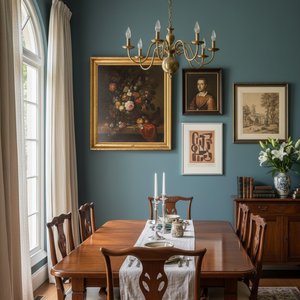
Kulturowy Nastrój w Jadalni: Wybór Reprodukcji Sztuki dla Eleganckiego Wnętrza
Odkryj historię i symbolikę martwej natury w jadalni! Inspiracje od mistrzów, porady aranżacyjne i wysokiej jakości reprodukcje obrazów z OriginalUniqueArt.com. Stwórz eleganckie wnętrze pełne kultury.
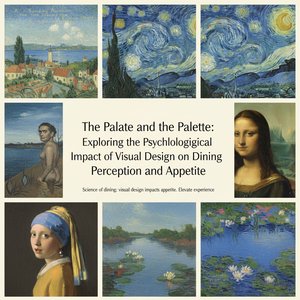
Paleta i Smak: Wpływ Projektowania Wizualnego na Percepcję Apetytu i Doświadczenie Kulinarne
Odkryj wpływ sztuki na percepcję smaku! Eksplorujemy historię martwej natury, psychologię apetytu i trendy w food stylingu. Inspiracje dla projektantów wnętrz gastronomicznych i miłośników kulinarnych doznań.