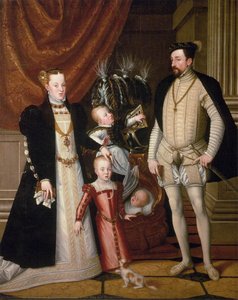
Zobacz w skali 1:1
 Wyślij
 Udostępnij
 Szczegóły
 Przewodnik

 Pobierz plik obrazu
 Podobne obiekty
 RTG
RTG Pokaz slajdów
 Statystyki
Lato 1
 Olej na płótnie
- Sztuka ścienna
- Renaissance Mannerist
 1563
1563- Renesans
 84.0 x 57.0 cm
 Kunsthistorisches Museum
 Czytaj więcej
Ręcznie malowana reprodukcja olejowa
Ręcznie malowany obraz olejny na płótnie, wykonany na zamówienie przez naszych artystów w wybranym przez Ciebie wymiarze i oprawie. ( Przełącz na wersję drukowaną Przełącz na wersję cyfrową)




P118B zł10

P118H zł10

P118W zł10

P438Z zł10

P508JH zł12

P508YH zł12

P805H zł10

P805Z zł10

P919BZ zł10

P919G zł10

P919XJ zł10

P959ZH zł10

P968JZ zł12

W106C zł8

W218G zł10

W218JH zł8

W218Y zł10

W307PJ zł10

W316G zł10

W316PJ zł8

W316Y zł10

W398PJ zł8

W4111J zł10

W500HY zł15

W500JH zł15

W692G zł12

W849H zł8

W940BG zł15

W953PJ zł8




Wybierz spośród naszych standardowych rozmiarów, które zachowują oryginalne proporcje dzieła sztuki.

Wpisz wymaganą szerokość i wysokość, aby obraz pasował do Twojej ramy lub ściany. Ponieważ jest to dzieło malowane ręcznie, w przypadku rozmiaru o innym proporcji artysta może domalować nieco więcej wokół obrazu lub przyciąć fragmenty — wybór należy do Ciebie. Przed rozpoczęciem pracy prześlemy Ci cyfrową wizualizację do zatwierdzenia. Obraz widoczny na tej stronie nie przedstawia rzeczywistego efektu — jedynie wizualizacja oddaje realny rezultat.
Po złożeniu zamówienia zespół OriginalUniqueArt.com skontaktuje się z klientem drogą mailową w celu uzyskania instrukcji i prześle wizualizację projektu
Dostawa na całym świecie () w ciągu 3–4 tygodni zamiast standardowych 5 tygodni. (22 Październik). Bez kompromisów w kwestii jakości.

Bezpłatna ekspresowa wysyłka na cały świat

Wysokiej jakości płótno lniane

Pełne ubezpieczenie transportowe

Gwarancja zwrotu należności celnych i podatków importowych

Gwarancja idealnego odwzorowania barw

100-dniowy okres na zwrot dzieła w przypadku wykrycia wad produkcyjnych

Gwarancja 100% zwrotu pieniędzy

Oferta przy zakupie wielu sztuk
 Opcja ze szkłem jest dostępna wyłącznie w rozmiarach poniżej 110 cm

Lato 1
Technika wykonania
Rozmiar reprodukcji
-


Suma do zapłaty
zł 1139
Enigmatyczne piękno „Lata 1”
„Lato 1” autorstwa Giuseppe Arcimboldo to arcydzieło, które przekracza tradycyjne granice portretu i martwej natury. Powstałe w 1563 roku, to urzekające dzieło stanowi świadectwo pomysłowości artysty oraz jego niezwykłej zdolności do łączenia realizmu z alegoryczną głębią. Eksplorując ten obraz, odkrywamy świat, w którym natura i ludzkość przeplatają się ze sobą, tworząc wizualną symfonię, która jest jednocześnie intrygująca i poruszająca emocjonalnie.
Fuzja natury i człowieczeństwa
Centralnym punktem „Lata 1” jest ludzka twarz i szyja, pieczołowicie skonstruowane z bogatego wachlarza owoców, warzyw, kwiatów oraz innych materiałów organicznych. Ta surrealistyczna kompozycja zaprasza widza do bliższego przyjrzenia się detalom, odsłaniając misterne elementy tworzące rysy postaci. Głowa jest lekko przechylona na bok, co nadaje dziełu dynamizmu i prowadzi wzrok po całej powierzchni płótna.
Wibrujące kolory i tekstury
Bogata paleta barw tego dzieła obejmuje głębokie zielenie, żywe czerwienie, ciepłe żółcie oraz ziemiste brązy. Te naturalne odcienie tworzą dramatyczny kontrast z ciemnym tłem, podkreślając wyraziste tekstury produktów rolnych. Precyzyjne pociągnięcia pędzla oddają szorstkość powierzchni owoców i warzyw, które wyróżniają się na tle gładkości ludzkiej postaci. Ta dbałość o szczegół tchnie życie w kompozycję, czyniąc z niej prawdziwą ucztę dla oczu.
Symbolika i kontekst historyczny
„Lato 1” stanowi część słynnej serii „Cztery pory roku”, którą Arcimboldo stworzył podczas swojej pracy jako malarz dworski cesarzy Habsburgów w Wiedniu i Pradze. Ta alegoryczna reprezentacja symbolizuje obfitość natury, cykle życia oraz ulotność czasu. Umieszczenie obok siebie zarówno dojrzałych, jak i gnijących owoców służy jako przejmujące przypomnienie o przemijalnym pięknie życia i nieuchronności rozkładu.
Arcydzieło stylu manierystycznego
Styl Arcimboldo jest niezwykle szczegółowy i realistyczny, przywodząc na myśl barokowe martwe natury. Jego technika opiera się na skrupulatnym prowadzeniu pędzla, aby uchwycić misterne tekstury każdego elementu. Naturalistyczne oświetlenie, z miękkim źródłem światła padającym na postać z lewej strony, tworzy delikatne cienie i blaski, które dodają kompozycji głębi. Perspektywa jest lekko podwyższona, co zapewnia klarowny widok na to misternie przygotowane zestawienie.
Oddziaływanie emocjonalne i inspiracja
„Lato 1” to coś więcej niż tylko wizualna przyjemność; to dzieło, które zaprasza do kontemplacji i refleksji. Zestawienie życia i rozkładu w obrębie jednego obrazu dodaje warstwę złożoności, zachęcając widza do zastanowienia się nad pięknem i nietrwałością istnienia. Ta emocjonalna rezonans sprawia, że obraz jest idealnym uzupełnieniem każdej kolekcji sztuki czy projektu wnętrzarskiego, który ma na celu wywoływanie głębokich myśli i rozmów.
Wprowadzenie „Lata 1” do własnej przestrzeni
Dla miłośników sztuki, kolekcjonerów i projektantów wnętrz, posiadanie wysokiej jakości reprodukcji „Lata 1” to szansa na wprowadzenie cząstki renesansowego geniuszu do swojego domu lub biura. Wibrujące kolory i misterne detale sprawiają, że dzieło to staje się uderzającym punktem centralnym, który może wzbogacić każdy styl dekoracji – od klasycznego po współczesny. Bez względu na to, czy szukasz inspiracji dla kreatywności, chcesz zainicjować ciekawą dyskusję, czy po prostu pragniesz cieszyć się pięknem mistrzowskiego kunsztu, „Lato 1” jest ponadczasowym wyborem, który będzie zachwycać przez pokolenia.
Pytania i odpowiedzi
Jaki nastrój towarzyszy stylowi Renaissance Mannerist w dziele „Lato 1”?
Tajemniczy emocja dzieła „Lato 1” współgra z jego stylem Renaissance Mannerist.
Jaki jest dominujący kolor w „Lato 1” autorstwa Giuseppe Arcimboldo?
Dominującym kolorem dzieła „Lato 1” autorstwa Giuseppe Arcimboldo jest Głęboki brąz kawowy (#3a3530).
Jakiej techniki użyto do wykonania „Lato 1” autorstwa Giuseppe Arcimboldo?
Technika wykonania dzieła „Lato 1” autorstwa Giuseppe Arcimboldo to Olej na płótnie. Reprodukcje mają na celu wierne oddanie wyglądu tej techniki.
Biografia artysty
Giuseppe Arcimboldo: A Master of Illusion and Symbol
Giuseppe Arcimboldo, a name synonymous with captivating visual puzzles and surreal portraits, remains one of the most singular figures in Renaissance art. Born in Milan in 1527, his life unfolded against the backdrop of a Europe brimming with intellectual curiosity, religious upheaval, and an insatiable desire to understand the natural world. Initially recognized for his skill in creating frescoes for churches and designing stained glass windows, Arcimboldo’s enduring legacy rests upon a series of extraordinary composite heads—elaborate portraits constructed entirely from meticulously arranged objects: fruits, vegetables, flowers, books, musical instruments, and even entire landscapes. These weren't mere tricks of the eye; they were complex allegories, imbued with layers of symbolism that resonated deeply within the Renaissance worldview and continue to intrigue viewers today. His father, Biagio Arcimboldo, a painter himself, provided young Giuseppe with an early artistic foundation, likely influencing his initial explorations in design and decorative arts. This foundational experience honed his technical skills and developed his keen eye for detail—qualities that would become central to the distinctive style he would later cultivate.Courtly Patronage and Artistic Evolution
Arcimboldo’s career trajectory took a dramatic turn in 1562 when he was appointed court portraitist to Ferdinand I, the Archduke of Austria, at the Habsburg court in Vienna. This appointment marked a pivotal moment, transforming him from a regional artist into a sought-after figure within the most powerful family in Europe. Over the next two decades, he served as an artistic polymath for three successive Habsburg rulers: Maximilian II and his son, Rudolf II—both known for their intellectual pursuits and extravagant tastes. This courtly environment provided Arcimboldo with unprecedented opportunities to expand his creative horizons beyond traditional portraiture. He was tasked not only with painting portraits of the emperors but also with designing elaborate costumes for festivals, decorating imperial halls, organizing vast collections of art and curiosities, and even overseeing theatrical productions. It was within this atmosphere of refined taste and intellectual stimulation that Arcimboldo’s signature style began to fully develop—a unique blend of technical mastery, symbolic complexity, and playful visual wit. The Habsburg court's demand for novelty and spectacle fueled his experimentation, pushing him beyond conventional artistic boundaries and towards the creation of his iconic composite heads.Decoding the Language of Objects: Symbolism and Allegory
Arcimboldo’s portraits are far more than simple visual illusions; they are intricate allegories laden with symbolic meaning. Each object meticulously arranged within a head—whether it's a cluster of fruits, a stack of books, or a collection of musical instruments—represents something deeper, reflecting the sitter’s character, profession, social status, or even broader philosophical concepts. For example, his portrait of Rudolf II as *Vertumnus*, the Roman god of gardens and seasons, is not merely a depiction of the emperor; it's a complex meditation on transformation, abundance, and the cyclical nature of life. The carefully chosen fruits and vegetables—pears, plums, melons, hazelnuts—each carry specific symbolic associations within Renaissance iconography, contributing to the overall message of the portrait. Similarly, his *The Librarian* is not simply a face constructed from books; it’s a subtle critique of scholarly pretension—a commentary on those who amass knowledge without truly engaging with its content. The animal tails forming the beard represent dusters, hinting at neglected volumes gathering dust on shelves. Arcimboldo's work was deeply rooted in Renaissance Neoplatonism, which emphasized the interconnectedness of all things and sought to reveal hidden harmonies within the natural world. His portraits were designed to provoke contemplation, inviting viewers to unravel layers of meaning concealed beneath the seemingly playful arrangement of objects.The Rise of Surrealism: A Precursor to a New Vision
Despite his considerable success during his lifetime, Arcimboldo’s work largely faded from public awareness in the centuries following his death in 1593. His paintings were often dismissed as curiosities—appreciated for their technical skill but lacking serious artistic merit. It wasn't until the early 20th century that a renewed appreciation for his art emerged, fueled by the rise of Surrealism. Artists like Salvador Dalí recognized in Arcimboldo a kindred spirit—a visionary who dared to challenge conventional perceptions and explore the subconscious through unexpected juxtapositions of imagery. Dalí’s own dreamlike compositions and fascination with metamorphosis and illusion owe a significant debt to Arcimboldo's pioneering work. The influence of Arcimboldo can be seen in the way both artists manipulated reality, blurring the boundaries between representation and abstraction, and creating images that defy easy interpretation. Today, Giuseppe Arcimboldo is celebrated as a pivotal figure in art history—a precursor to Surrealism whose innovative use of symbolism, playful distortion, and masterful manipulation of visual illusion continues to inspire artists and captivate audiences worldwide.Legacy and Artistic Influence
Arcimboldo’s legacy extends far beyond his individual works; he fundamentally altered the way artists approached portraiture and representation. His composite heads challenged traditional notions of identity and appearance, forcing viewers to engage with a more complex and layered understanding of the subject. His paintings are housed in prestigious museums around the world—including the Kunsthistorisches Museum in Vienna, the Louvre in Paris, and numerous galleries across Europe—ensuring that his unique vision will continue to resonate for generations to come. His influence can be seen in contemporary artists who explore themes of identity, symbolism, and the relationship between art and reality. Arcimboldo’s work serves as a powerful reminder of the enduring capacity of art to surprise, delight, and provoke profound reflection. His legacy is a testament to the boundless possibilities of artistic imagination.
Giuseppe Arcimboldo
1527 - 1593 , Włochy
Najważniejsze informacje
- Artistic Movement Or Style: Mannernismo, Surrealizm
- Artists Or Movements Influenced By This Artist: ['Salvador Dalí']
- Artists Who Influenced This Artist: ['Leonardo da Vinci']
- Date Of Birth: 5 kwietnia 1527
- Date Of Death: 11 lipca 1593
- Full Name: Giuseppe Arcimboldo
- Nationality: Włoski
- Notable Artworks:
- Portrety z owoców
- Cztery pory roku
- Place Of Birth: Mediolan, Włochy
Zobacz także powiązane artykuły

Silent Narratives: Exploring the Enduring Appeal of Still Life Painting Across Centuries
Explore the rich history of still life painting with OriginalUniqueArt. Discover Dutch Masters, decode vanitas symbolism & learn about collecting timeless art. Expert insights and museum-quality reproductions.
Martwa natura w sztuce: od starożytności do współczesności – historia, symbolika i trwały urok
Odkryj fascynującą historię martwej natury w sztuce – od antycznych początków po współczesne reinterpretacje. Poznaj mistrzów, symbolikę i techniki malarskie. Ekskluzywne artykuły na OriginalUniqueArt.com!
Nature's Bounty: The Timeless Allure and Art History of Fruit Still Life Paintings
Discover the profound beauty of fruit still life paintings. Explore the rich symbolism, Baroque mastery, and timeless allure of nature's bounty through an art-historical lens, perfect for collectors and enthusiasts of classical fine art.

The Bountiful Still Life: Symbolism & Artistic Representation of Fruit Across Art History
Explore the rich history of still life painting & the symbolism of fruit across art movements. Discover masterpieces from Caravaggio to Cézanne with OriginalUniqueArt – expert guidance & museum-quality reproductions.
Nature's Bounty: The Art History of Fruit Arrangement Masterpieces and the Baroque Still Life Tradition
Explore the profound beauty of fruit arrangement masterpieces. From Dutch Golden Age opulence to Baroque chiaroscuro, discover the art history, symbolism, and timeless elegance of classical still life paintings for the discerning collector.